

Process screens / sieves
We personally find you the right used, refurbished and new process screens / sieves instruments & equipment from verified suppliers.
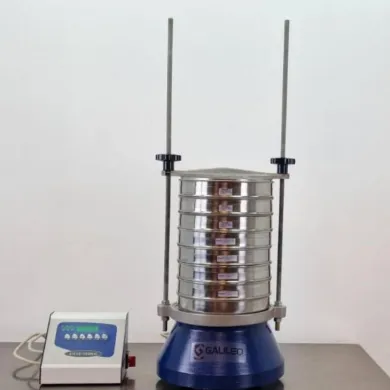
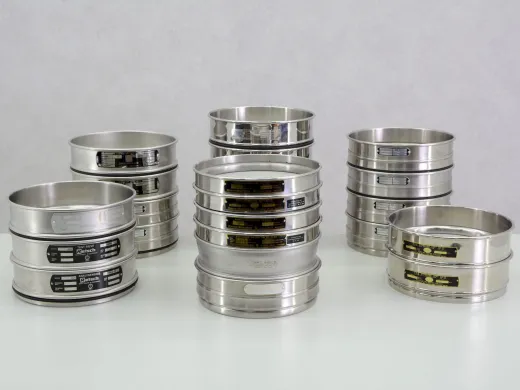
Process screens and sieves are perforated or mesh barriers that separate particles by size, either by passing material through a defined aperture during milling or by grading a sample into fractions for analysis. On Questpair, 95 percent of the listings are used, drawn from a catalogue of 234 items across 9 verified suppliers and distributors. The range spans new, used and refurbished screens, with prices from EUR 22 to EUR 8.178. Aperture size, material and the equipment the screen fits determine which one a laboratory needs. Sieve analysis, also called particle size distribution, underpins the laboratory work these components serve, from quality control on a milled powder to grading a sample before further processing.
Updated:
Process screens / sieves product list


Not the exact instrument you need?
Tell our scientists what you are after. We track it down, including off-market supply.

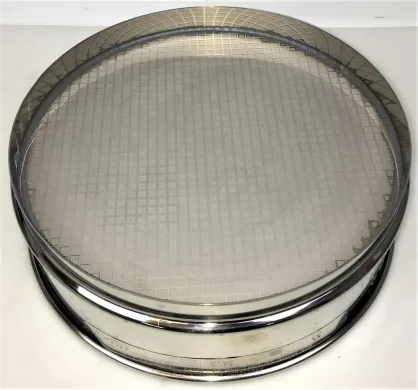
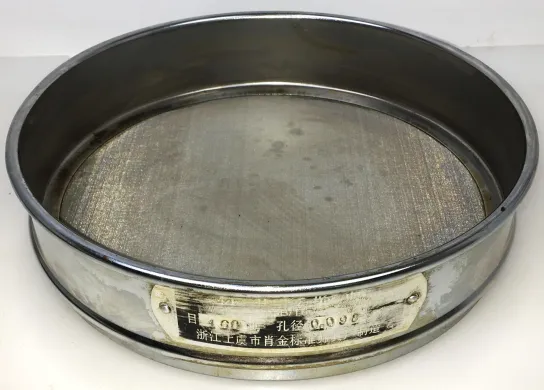
Not the exact instrument you need?
Tell our scientists what you are after. We track it down, including off-market supply.
Showing 1–40 of 203 listings
Show 40 more listingsBuying guide
Aperture size settles most of these purchases before anything else is considered. A screen is defined by the opening it presents to the material, whether that is a mesh count on a test sieve or a hole diameter on a milling screen, and a mismatch there makes the component useless regardless of how well it is built. A buyer grading powders to a specification works backward from the fraction wanted; a buyer feeding a mill works from the particle size the downstream process demands. Get the aperture wrong and the rest of the decision is moot.
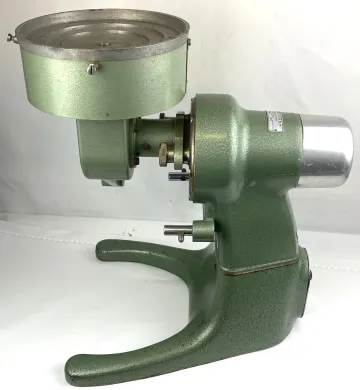
The equipment the screen fits comes immediately after, and it is less forgiving than it looks. A hammer mill screen is cut to the drum of a particular mill, and a Fitzpatrick screen does not drop into a Retsch frame. Test sieves are more standardised, built to common diameters that match sieve shakers, but even there the frame height and the fit of the lid and receiver vary. Confirming the model the screen was made for is the step a first-time buyer most often skips.
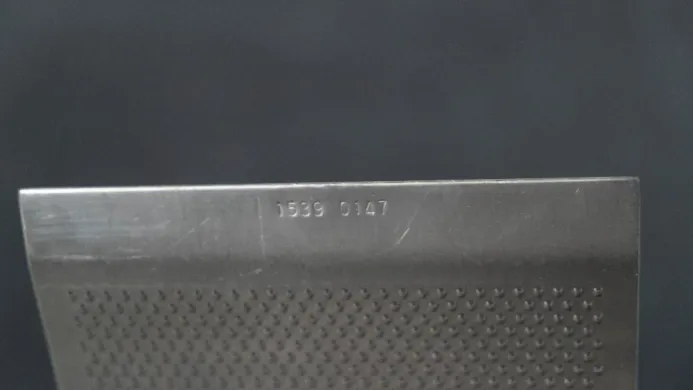
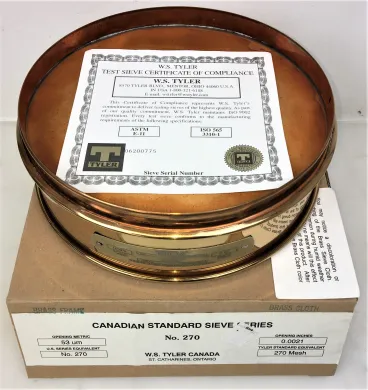
On a used screen, condition is read directly off the mesh and the frame. Wire cloth stretches and tears with use, and a worn screen passes oversized particles without any obvious sign until a sample fails. Check the mesh for distortion, the solder or weld at the frame for lifting, and on stainless steel sieves the seam where the cloth meets the wall. Calibration matters for analytical work: a test sieve used to certify a particle size distribution should carry a recent certificate, and that is worth verifying before the unit ships rather than after.
Price follows condition and type closely. What a milling screen costs is modest compared with the mill it serves, which is why 95 percent of the listings are used, the economics favour replacing a consumable rather than buying new. Across the catalogue the range runs from EUR 22 to EUR 8.178, a spread that separates a single test sieve from a complete set or a specialised milling component. For a buyer working to a budget, a used screen in verified condition is more affordable than new, and refurbished units listed for sale sit between the two. The brands that dominate, FitzMill, Tyler, Fitzpatrick, Retsch, RETSCH, hold their value because their frames and apertures are standardised and easy to match.
Types of Process screens / sieves
Which screen and sieve types are listed?
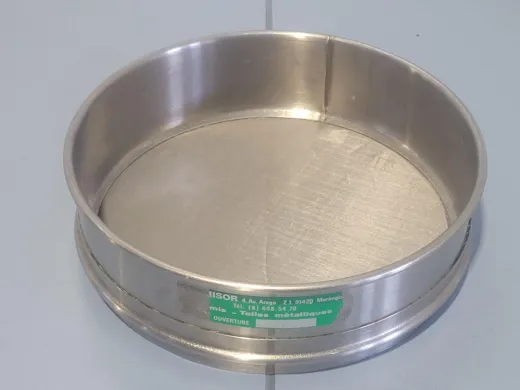
Among the listings that specify a type, the catalogue divides along two lines of work. Hammer mill screens and milling equipment accessories are consumables fitted inside a size-reduction machine, where the screen sets the final particle size as material is forced through its openings. Test sieves and laboratory sieves are analytical tools, stacked on a shaker to separate a sample into graded fractions. A particle size reduction component overlaps the first group, covering the screens, liners and hammers that wear out in a mill. Stainless steel sieves appear as a category of their own because the material matters: stainless resists corrosion from solvents and wet samples where a plated frame would not.
These types serve real biotechnology and life sciences work. Test sieves perform sieve analysis, the gravimetric method that produces a particle size distribution for a powdered sample, a routine step in formulation and quality control. Laboratory sieves also used for sample preparation ahead of extraction or assay, grading soil, tissue or lyophilised material to a uniform fraction before the next step. Hammer mill screens govern particle size reduction in biomanufacturing and pharmaceutical processing, where milling a dried product to a controlled grind feeds downstream blending or encapsulation. The screen is the component that makes a reproducible grind possible, which is why it is treated as a critical consumable rather than a spare.
The brands behind the process screen listings
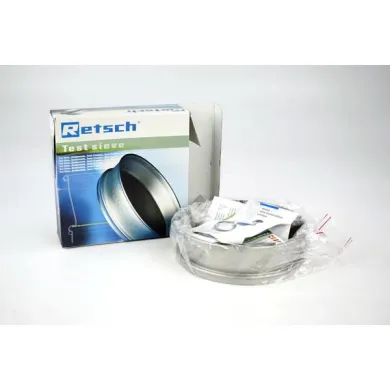
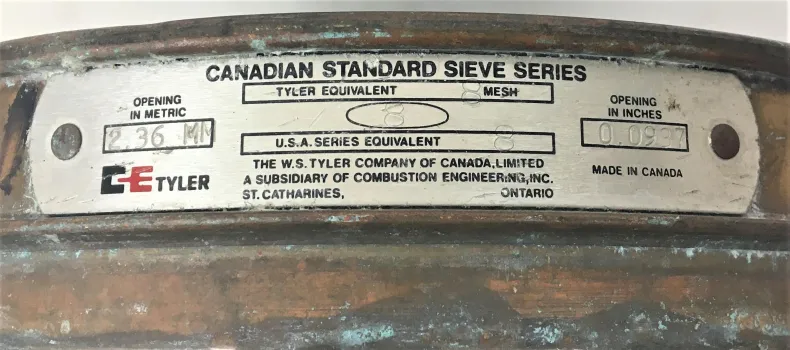
The names that recur, FitzMill, Tyler, Fitzpatrick, Retsch, RETSCH, each tie a buyer to a particular ecosystem. FitzMill and Fitzpatrick screens fit Fitzpatrick comminution mills, and a buyer running that equipment searches by the mill model to find the matching screen. Tyler is the reference for test sieve mesh series, so a Tyler sieve is straightforward to compare against a specification. Retsch screens and sieves fit Retsch mills and shakers and carry standardised apertures. For a buyer, that concentration is useful: parts for these makers are easier to source and a model is easy to compare against another listing. Parts can be sourced via Questpair where a listing does not carry the exact aperture needed.
What a used process screen costs here
The condition mix sits heavily toward pre-owned, with 95 percent of the listings used. Prices run from EUR 22 to EUR 8.178. That spread covers everything from a single replacement mesh to a matched set of certified test sieves or a full complement of milling screens for one machine, which is why the range is wide rather than any screen being costly on its own.
Frequently asked questions
What is a process screen or sieve?
A process screen or sieve is a perforated or mesh barrier that separates particles by size, either by passing material through a defined aperture during milling or by grading a sample into fractions for analysis. The opening size, called the aperture, defines what the screen does.
What does the term process screen or sieve mean?
The term covers two related jobs: a screen inside a mill that sets the final particle size as material is forced through its openings, and a sieve used analytically to separate a sample into graded size fractions. Both are defined by their aperture and the material they are made from.
How do process screens and sieves work?
A milling screen sits inside a size-reduction machine and material passes through its openings once ground fine enough, so the aperture sets the final grind. An analytical sieve is stacked on a shaker and retains particles larger than its mesh while finer ones fall through, producing a graded separation by weight.
What types are there?
The main types listed are hammer mill screens, milling equipment accessories and particle size reduction components, which are consumables fitted inside a mill, and test sieves, laboratory sieves and stainless steel sieves, which are analytical tools used on a shaker. The first group sets a grind, the second grades a sample.
What are process screens and sieves used for?
Test and laboratory sieves perform sieve analysis to produce a particle size distribution for quality control, and grade samples like soil, tissue or lyophilised material ahead of extraction or assay. Hammer mill screens control particle size during milling in biomanufacturing and pharmaceutical processing, feeding downstream blending or encapsulation.
How do I choose the right screen or sieve?
Start with the aperture, since a mismatch there makes the component useless regardless of build quality: work backward from the fraction or grind your process demands. Then confirm the equipment it fits, because a milling screen is cut to a specific mill drum and does not transfer between makers.
Refurbished versus used, what is the difference?
A used screen is sold in its existing condition, while a refurbished unit has been reconditioned before listing. Refurbished units are priced below new and typically sit above a straight used item. Check the individual listing for what was done.
How much does a process screen or sieve cost?
Across the catalogue prices range from EUR 22 to EUR 8.178, with an average of EUR 438. The spread reflects whether you are buying a single replacement mesh, a matched set of certified test sieves, or a full complement of milling screens for one machine, rather than any one screen being costly.
Which brands are common for these screens and sieves?
The recurring names are FitzMill, Fitzpatrick, Tyler, Retsch and RETSCH. FitzMill and Fitzpatrick screens fit Fitzpatrick comminution mills, Tyler is the reference for test sieve mesh series, and Retsch screens and sieves fit Retsch mills and shakers.
Is a warranty available on a refurbished screen?
A warranty is often possible and is arranged in consultation for the specific listing. Terms depend on the individual item rather than a central policy, so check the listing you are considering.
Can I get replacement parts?
Parts can be sourced via Questpair when a listing does not carry the exact aperture or component you need. For milling screens this often means a matching mesh for an existing mill drum.
How long does a process screen last?
Lifespan depends on use rather than age: wire cloth stretches and tears with milling, and a worn screen eventually passes oversized particles without an obvious sign. Analytical sieves last longer under lighter use but should be recertified periodically if they grade to a specification.
New versus refurbished, which should I buy?
Used and refurbished units are listed at lower prices than new, which is why the condition mix sits heavily toward pre-owned at 95 percent. Since a milling screen is modest in cost against the mill it serves, the economics favour replacing a consumable rather than buying new. Where you need to weigh the two, check warranty for the specific listing.
Where can I buy process screens and sieves?
They are listed on Questpair from verified suppliers and distributors, with 234 items across 9 suppliers in 7 countries. You can search by mill model or sieve series to match an existing specification.
What about lead time and shipping?
Lead time and shipping depend on the individual listing and supplier, so check the item you are interested in. For a test sieve that certifies a particle size distribution, confirm any calibration certificate is in place before the unit ships rather than after.
What calibration and maintenance do these need?
Analytical test sieves used to certify a particle size distribution should carry a recent calibration certificate, and that is worth verifying before purchase. For maintenance, inspect the mesh for distortion, the solder or weld at the frame for lifting, and on stainless steel sieves the seam where the cloth meets the wall.
Which types are listed most and who reaches for each?
Hammer mill screens and milling accessories are reached for by buyers running a size-reduction mill who need a consumable to set the grind. Test sieves and laboratory sieves are reached for by labs doing sieve analysis or sample preparation, and stainless steel sieves appear separately because the material resists corrosion from solvents and wet samples.
What does the brand concentration mean for a buyer?
Because FitzMill, Fitzpatrick, Tyler and Retsch each tie to a particular ecosystem, their frames and apertures are standardised and easy to compare against a specification or another listing. That makes matching a replacement to an existing mill or shaker straightforward, and it holds their resale value.
What separates the cheaper listings from the more expensive ones?
The bottom of the range is typically a single replacement mesh or one test sieve, while the top is a matched set of certified sieves or a full complement of milling screens for one machine. Condition and whether an analytical sieve carries a current certificate also move the price within that span from EUR 22 to EUR 8.178.