

Process reactors
We personally find you the right used, refurbished and new process reactors instruments & equipment from verified suppliers.
Process reactors are vessels in which a chemical reaction is carried out under controlled temperature, pressure, and mixing, ranging from small laboratory units to large stainless steel vessels used in production. They are the core equipment of reaction chemistry, process development, and scale-up work in chemical and pharmaceutical settings. The Questpair catalogue lists 211 process reactors from 11 verified suppliers and distributors across 9 countries, in new, used, and refurbished condition. Among the current listings, 97 percent are used. Prices run from EUR 40 to EUR 120.525, which places a bench jacketed unit and a full production vessel in the same catalogue.
Updated:
Process reactors product list
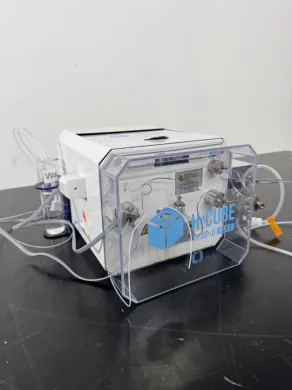
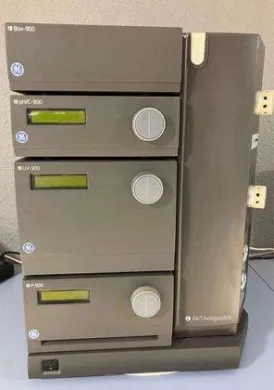
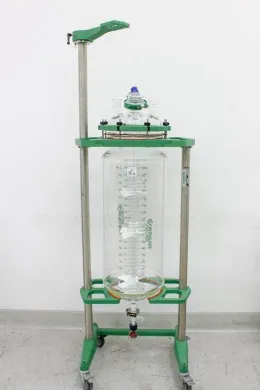
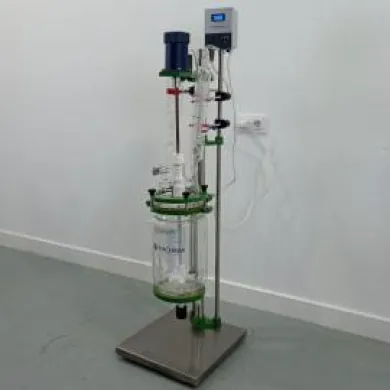


Not the exact instrument you need?
Tell our scientists what you are after. We track it down, including off-market supply.
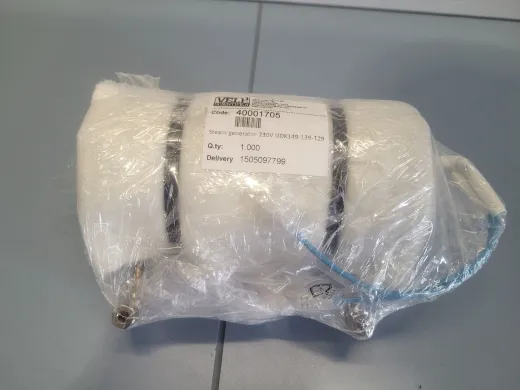
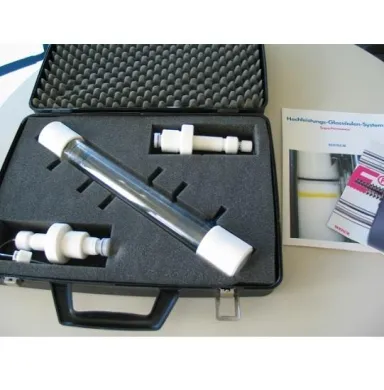
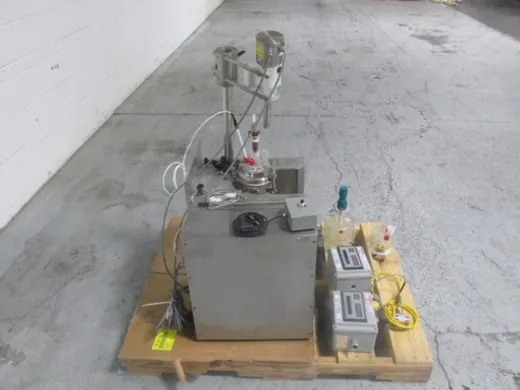
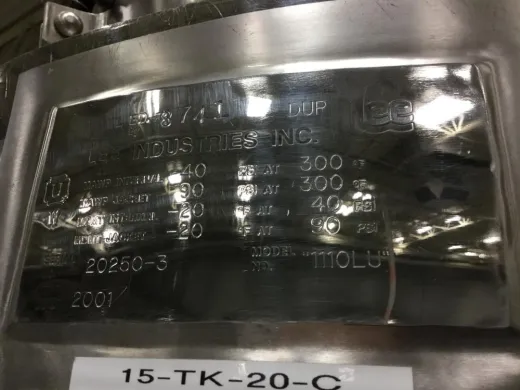
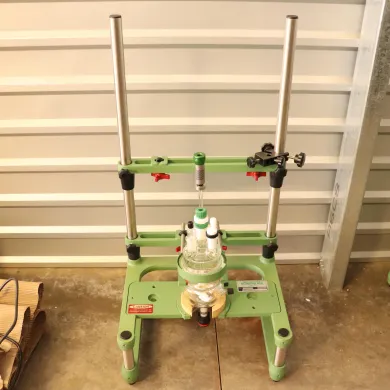
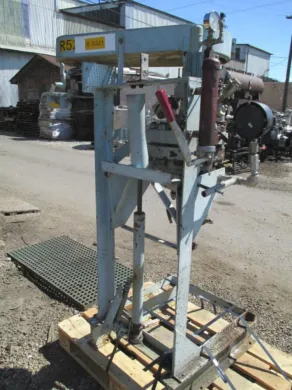
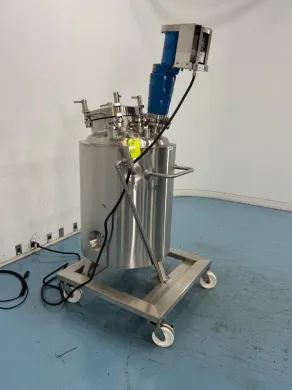
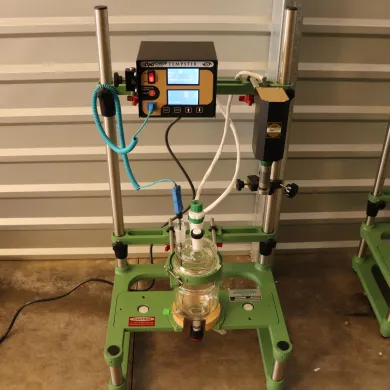
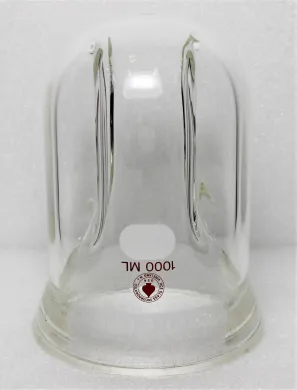
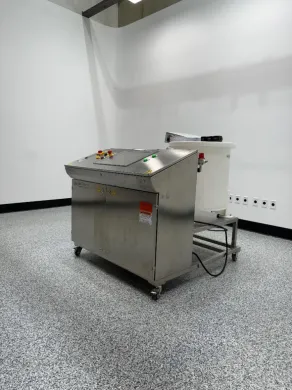
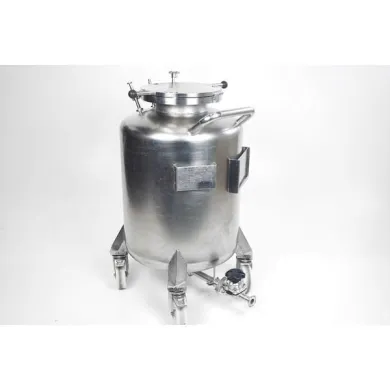

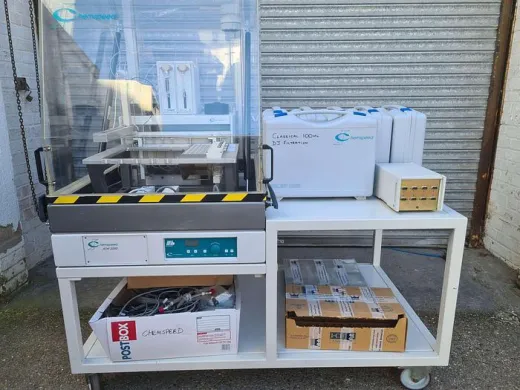
Not the exact instrument you need?
Tell our scientists what you are after. We track it down, including off-market supply.
Showing 1–40 of 130 listings
Show 40 more listingsBuying guide
The variable that settles most reactor purchases is the wetted material and how it matches the chemistry it will hold. A glass or glass-lined vessel tolerates acids and allows the operator to watch the reaction; a stainless steel reactor handles pressure and abrasion but can be attacked by chlorides and strong acids. Decide the material first, because it sets the pressure rating, the temperature range, and the price band before any other specification matters. Volume follows from the work: a few hundred millilitres for route-finding, several litres for process development, hundreds of litres or more for production. Match the vessel to the stage, since an oversized reactor wastes reagent and an undersized one forces repeated batches.
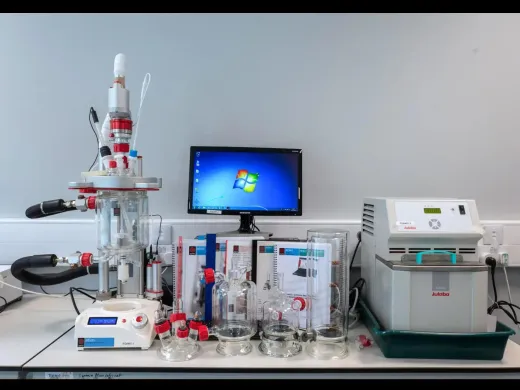
Temperature control is the next decision, and it is why the jacketed design dominates the listings here. A jacketed reactor circulates a heating or cooling fluid in an outer shell, holding the contents at a set point across the full batch. Check that the jacket rating covers the span the chemistry needs, and that the agitator, seal, and ports suit the viscosity and the feed arrangement you intend to run.
On a used unit, condition is where the real diligence sits. Ask for the pressure test history and the date of the last hydrostatic check, because a vessel that holds pressure is the whole point of the equipment. Inspect the glass for crazing or chips at the ports, the steel for pitting and weld integrity at the jacket, and the agitator seal for wear, since a leaking mechanical seal is a common and costly fault. Confirm that the fittings and the control package are present and documented; a vessel sold without its agitator drive or temperature controller needs parts that add to the real cost.
Price spans a wide range here, from a bare glass vessel to a complete production reactor with jacket, drive, and controls, so compare like with like before judging what a unit costs. Set the budget against the stage of work rather than the headline figure, because the cheapest listing rarely carries the controls a usable system needs. A refurbished reactor listed for sale sits below the new price, which is where most of the catalogue sits, and makes a tested vessel affordable for a development lab that cannot justify new.
Types of Process reactors
Which reactor types are listed here?
Among the listings that specify a type, the catalogue divides along two lines: what the vessel is made of, and how it is heated. Jacketed reactors are the most common, built with an outer shell that circulates heating or cooling fluid so the contents stay at a controlled temperature through the batch; process chemists reach for these whenever a reaction is exothermic or temperature-sensitive. Glass chemical and laboratory reactors suit corrosive chemistry and let the operator see the reaction, which is why route-finding and formulation work favours them. Stainless steel reactors and stainless steel reactor vessels take over where pressure, scale, or mechanical robustness matter more than visibility, typically in process development and production.
Bioreactor vessels are the life sciences member of this group. A bioreactor grows cells or microorganisms under controlled oxygen, pH, and temperature, and is the working equipment of cell culture, bioprocessing, and biomanufacturing. Stirred-tank bioreactor vessels run microbial fermentation and mammalian cell culture for protein production, and the same vessel design underpins bench-scale work in synthetic biology and the scale-up steps that carry a molecular biology result toward manufacture. Where a buyer is equipping a bioprocessing line rather than a chemistry bench, the bioreactor vessel, not the chemical reactor, is the unit that fits.
The brands behind the process reactor listings
The names that recur in this category are Chemglass, Various, Chemglass Life Sciences, Precision Stainless, Feldmeier. For a buyer, that mix matters in practical ways. Chemglass and Chemglass Life Sciences concentrate on glass laboratory reactors, where components and replacement vessels are catalogued and a model is straightforward to compare across listings. Precision Stainless and Feldmeier build the stainless steel and production end, where vessels are larger, often custom, and priced accordingly. The "Various" entry reflects how much of this catalogue is single used units rather than a standard line, so comparing two listings means reading the specifications rather than the badge. A recognised brand usually makes parts and seals easier to source; an unbranded vessel is judged on its test history instead.
What a used process reactor costs here
The condition split is stark: 97 percent of the listings are used. Prices range from EUR 40 to EUR 120.525, a spread that covers a bare bench glass vessel at one end and a complete jacketed production reactor at the other. Because used and refurbished units are listed below new prices, a development laboratory can acquire a tested, pressure-rated vessel for a fraction of a new build. Where warranty matters, it is arranged in consultation for the specific listing, so weigh each vessel on its own documentation and test history rather than on a catalogue-wide figure.
Frequently asked questions
What is a process reactor?
A process reactor is a vessel in which a chemical reaction is carried out under controlled temperature, pressure, and mixing. They range from small laboratory units to large stainless steel vessels used in production.
What does 'process reactor' mean in practice?
The term covers any closed vessel built to hold a reaction while managing its conditions, as opposed to open glassware. In practice it means a vessel with temperature control, agitation, and ports for feeds and sampling.
How do process reactors work?
The reagents sit inside the vessel while an agitator mixes them and a heating or cooling system holds the contents at a set temperature. Ports let the operator add feeds, take samples, and vent or pressurise as the reaction proceeds.
What types of process reactors are there?
The catalogue lists chemical reactors, laboratory reactors, jacketed reactors, stainless steel reactors and reactor vessels, and bioreactor vessels. They divide by construction material, glass or steel, and by how they are heated or cooled.
What is a process reactor used for?
They are the core equipment of reaction chemistry, process development, and scale-up in chemical and pharmaceutical work. Bioreactor vessels in this group grow cells or microorganisms for cell culture and bioprocessing.
How do I choose the right process reactor?
Decide the wetted material first, since it sets the pressure rating, temperature range, and price band: glass or glass-lined for acids and visibility, stainless steel for pressure and abrasion. Then size the volume to your stage of work and confirm the jacket rating, agitator, seal, and ports match the chemistry.
What is the difference between a refurbished and a used process reactor?
A used unit is sold in its existing condition, while a refurbished one has been reconditioned before listing. For both, ask for the pressure test history and the date of the last hydrostatic check rather than relying on the label.
How much does a process reactor cost?
Prices in the catalogue run from EUR 40 to EUR 120.525, with an average around EUR 8.836. That spread covers a bare bench glass vessel at one end and a complete jacketed production reactor at the other, so compare like with like.
Which brands make process reactors?
The names that recur here are Chemglass, Chemglass Life Sciences, Precision Stainless, Feldmeier, and a Various entry. Chemglass and Chemglass Life Sciences concentrate on glass laboratory reactors, while Precision Stainless and Feldmeier build the stainless steel and production end.
Is there a warranty on a refurbished process reactor?
A warranty is often possible and is arranged in consultation for the specific listing. Weigh each vessel on its own documentation and test history rather than on a catalogue-wide figure.
Can I get parts for a process reactor?
Parts can be sourced via Questpair. A recognised brand usually makes replacement vessels, seals, and components easier to source, while an unbranded vessel is judged on its test history instead.
How long does a process reactor last?
A well-maintained glass or stainless steel vessel can serve for many years, since the limiting factors are seal wear, glass crazing, and steel pitting rather than age alone. The pressure test history is the better guide to remaining service life than the manufacturing date.
Should I buy new or refurbished?
Used and refurbished units are listed at lower prices than new, which lets a development lab acquire a tested, pressure-rated vessel for a fraction of a new build. Where you have to weigh the two, check the individual listing and note that warranty is arranged in consultation.
Where can I buy a process reactor?
The Questpair catalogue lists 211 process reactors from 11 verified suppliers and distributors across 9 countries, in new, used, and refurbished condition.
What is the lead time and shipping on a process reactor?
Lead time depends on the individual listing and the supplier, as does shipping for a large production vessel versus a bench unit. Contact Questpair for the details on a specific listing and specialists respond within 1 hour.
What calibration and maintenance does a process reactor need?
Routine care centres on the mechanical seal, the agitator drive, and the integrity of the glass or steel, with periodic hydrostatic pressure testing to confirm the vessel still holds pressure. Check the glass for crazing or chips at the ports and the steel for pitting and weld integrity at the jacket.
Which reactor types are listed most, and who reaches for each?
Jacketed reactors are the most common, and process chemists reach for these when a reaction is exothermic or temperature-sensitive. Glass chemical and laboratory reactors suit corrosive chemistry and route-finding, stainless steel reactors suit process development and production, and bioreactor vessels fit a bioprocessing line rather than a chemistry bench.
Which brands dominate this category and what does that mean for a buyer?
Chemglass and Chemglass Life Sciences cover the glass laboratory end where models compare cleanly across listings, while Precision Stainless and Feldmeier cover the stainless steel and production end where vessels are larger and often custom. The Various entry reflects how much of the catalogue is single used units, so comparing two of those means reading the specifications rather than the badge.
What separates the cheapest listings from the most expensive here?
The bottom of the band is typically a bare glass vessel without controls, while the top is a complete jacketed production reactor with drive and temperature package. The cheapest listing rarely carries the controls a usable system needs, so a vessel sold without its agitator drive or controller needs parts that add to the real cost.