From€328.97excl. VAT
In stock
Can't find what you're looking for?
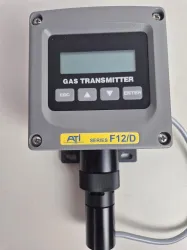
ATi F12/D gas transmitter for fixed toxic gas monitoring, with interchangeable electrochemical sensors, Auto-Test, and IP65 enclosure.
The ATi F12/D gas transmitter is a fixed-mount toxic gas monitor for hazardous-area and general-purpose environments. It supports detection of gases including chlorine, ammonia, hydrogen sulfide, formaldehyde, nitric oxide and phosgene.
The transmitter supports more than 60 interchangeable electrochemical sensors. H10 Smart Sensors store calibration data and support field replacement without recalibration. RS-232/485 output is available, with optional HART or Modbus RTU communications.
The unit is used and in full working condition. Its enclosure is made from polycarbonate with stainless steel hardware and has IP65 ingress protection.
The ATi F12/D gas transmitter is designed for fixed toxic gas detection in hazardous-area applications and general-purpose environments.
The interchangeable sensor platform supports more than 60 electrochemical sensor types. This allows the F12/D configuration to address different toxic gas monitoring requirements, including chlorine, ammonia, hydrogen sulfide, formaldehyde, nitric oxide and phosgene. The installed sensor type is not specified.
The 12 to 24 VDC, 115 VAC and 230 VAC power options support installation across low-voltage DC and standard AC supply environments. RS-232/485, optional HART and optional Modbus RTU provide different communication interfaces for fixed monitoring systems.
Lab equipment markets are fragmented. Buyers spend weeks calling distributors, comparing quotes, and verifying supplier reliability. Sellers struggle to reach global research labs.
We built Questpair to fix this. Every supplier on the platform is verified before listing. Every quote you receive comes from a real, vetted seller. AI prepares your case in minutes, then a real specialist takes over.
We're an independent team based in The Netherlands, working with research labs and procurement teams across Europe and worldwide.
With a service contract, ten to fifteen years is normal for most benchtop instruments. Detectors and pumps are the parts that wear first.
Often, yes. Verified suppliers frequently work with service partners converting the instrument. If applicable, we can list servicing options alongside the offer.
Ask a scientist through the request button. Parts are often available even when the instrument itself is discontinued.
Two to six weeks, depending on refurbishment scope and whether calibration is included.
We ship to 38 countries. Crating and customs handling are quoted with the instrument.
Tell us what you need and a scientist finds it for you, usually within the hour.
Last updated 29 November 2026
Questpair lists 132 similar items in Process analysers, going up to around €12,000.