

Western blotting
We personally find you the right used, refurbished and new western blotting instruments & equipment from verified suppliers.
Western blotting is an analytical technique that separates proteins by gel electrophoresis, transfers them onto a membrane, and detects specific targets with labelled antibodies. The equipment listed here covers each of those steps: transfer cells, blotting apparatus, imaging systems and the increasingly common automated platforms that run the whole workflow in one unit. New, used and refurbished laboratory instruments are listed across 185 items from 14 verified suppliers and distributors. 98 percent of the listings are used. Prices span a wide band, from entry-level transfer tanks to fully automated analysers, so the catalogue serves both a single-bench immunoblotting setup and a higher-throughput proteomics operation.
Updated:
Western blotting product list


Not the exact instrument you need?
Tell our scientists what you are after. We track it down, including off-market supply.
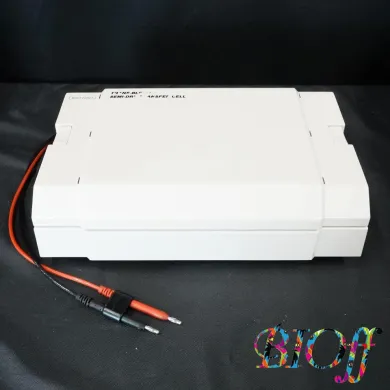
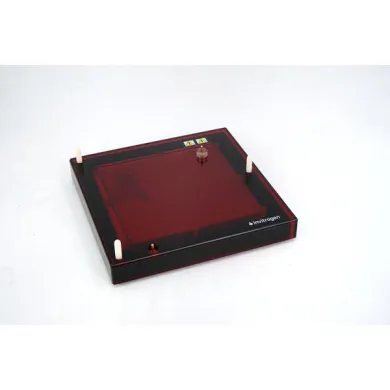
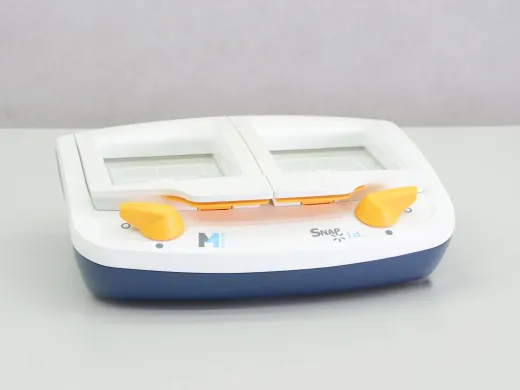
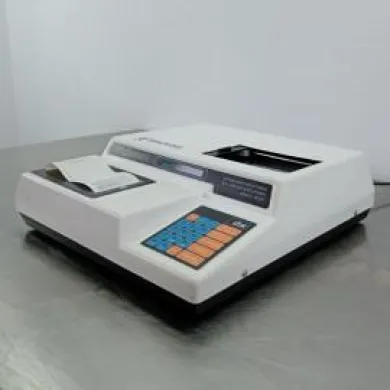
Not the exact instrument you need?
Tell our scientists what you are after. We track it down, including off-market supply.
Showing 1–40 of 119 listings
Show 40 more listingsBuying guide
What decides a western blotting purchase?
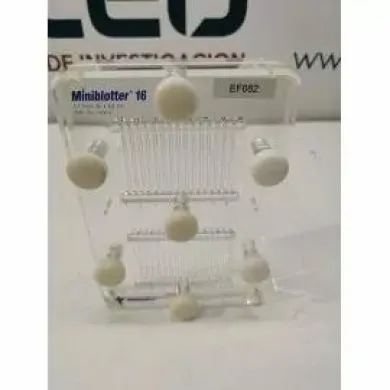
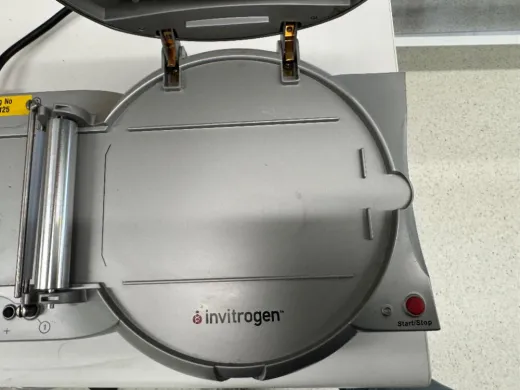
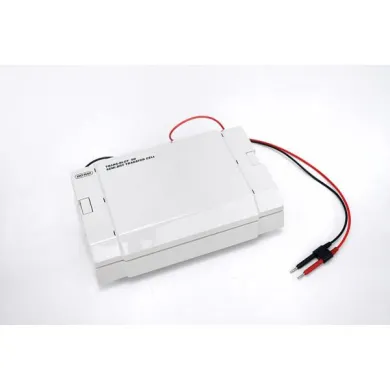
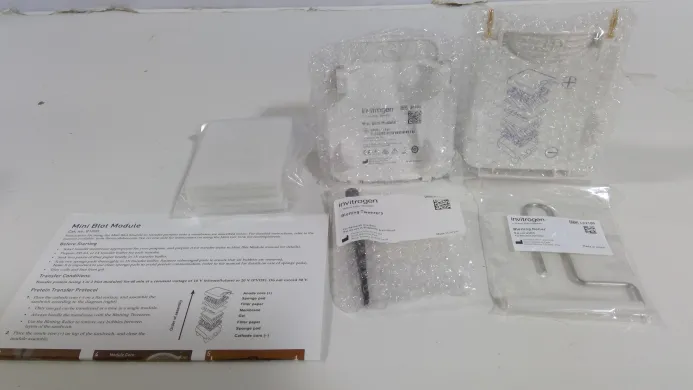
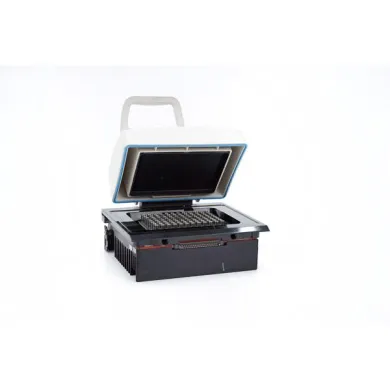
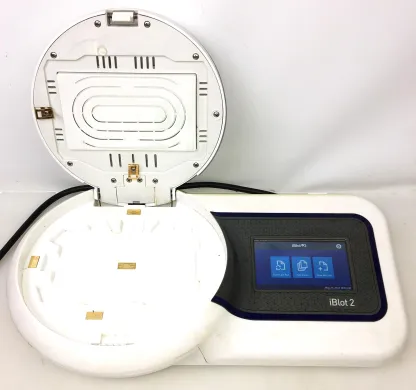
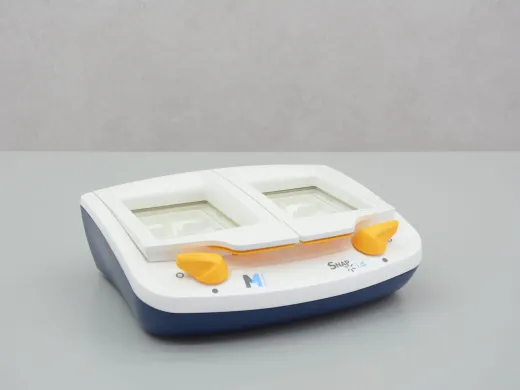
The transfer method is the first fork, because it determines which apparatus a lab needs and how the rest of the bench is organised. Wet, or tank, transfer moves proteins across the full depth of a buffer-filled cassette over an hour or more and remains the reference method for large proteins and quantitative work. Semi-dry transfer presses the gel and membrane between buffer-soaked pads and finishes in minutes, trading some efficiency on high-molecular-weight targets for speed. Dry and rapid transfer systems, sold by several of the brands below, cut the step to single-digit minutes using pre-packaged consumables. A buyer choosing an apparatus is really choosing a transfer chemistry, and that choice follows from protein size, throughput and how much the lab is willing to spend per run on consumables rather than from any headline specification.
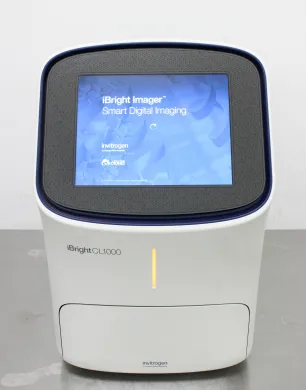
Once the method is settled, a used unit needs its own checks. Transfer cells and tanks are largely passive, so the points of failure are the electrode wires, the lid connectors and any cracking in the cassette frames, all of which are visible on inspection and cheap to replace. Powered and automated systems carry more to verify: the power supply output, the pump and valve condition on cartridge-based platforms, and whether the proprietary consumables for that generation are still manufactured. Gel documentation and imaging systems bring a camera, a light source and software, where a buyer should confirm the CCD or CMOS sensor still reads cleanly, that the illumination transilluminator or epi-LED is intact, and that the control software runs on a current operating system. Parts for any of these can be sourced via Questpair, and a warranty is arranged in consultation for the specific listing.
Where price is concerned, the band here is broad. A standalone transfer tank or semi-dry blotter sits at the low end, well within a modest consumables budget, while a full gel documentation station or an automated capillary western platform occupies the top. Refurbished and used units are listed below new pricing, which is what makes a high-end imager or an automated system affordable to a lab that could not justify one new. Prices run from EUR 63 to EUR 25.827, with an average around EUR 2.538. The brands occupying that spread are named below, and the spread itself reflects the difference between a passive piece of apparatus and a software-driven instrument, not a difference in condition.
Types of Western blotting
Which western blotting instruments are listed here?
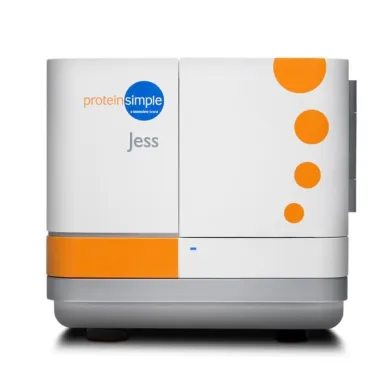
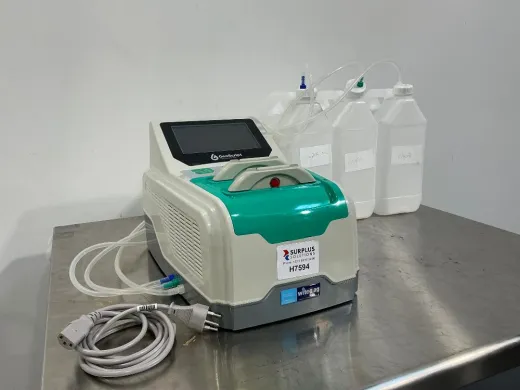
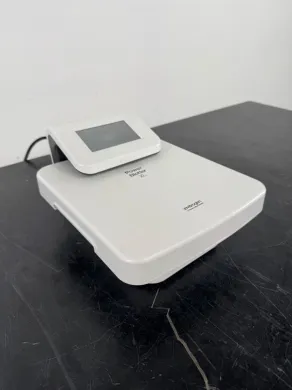
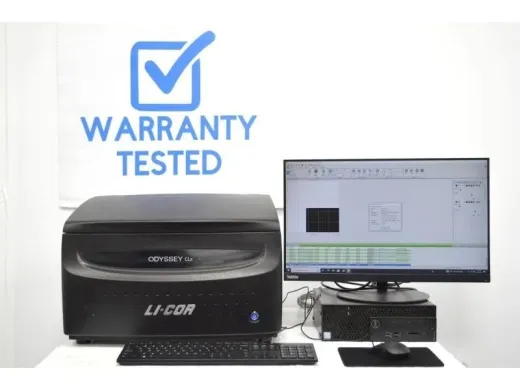
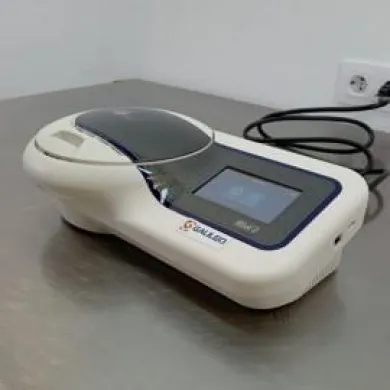
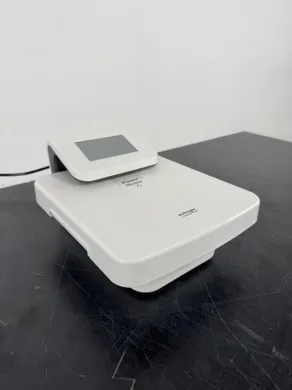
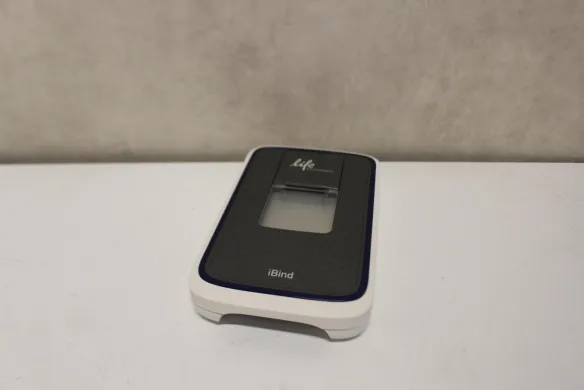
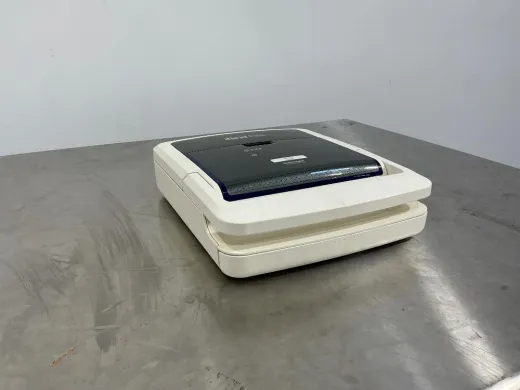
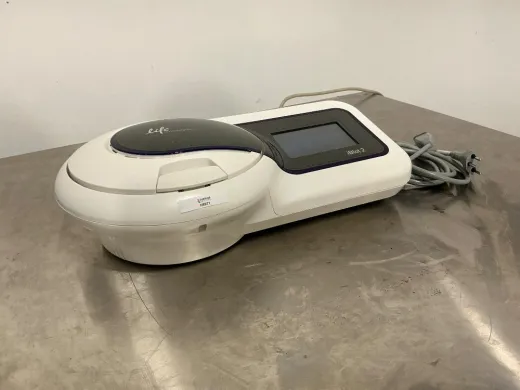
Among the listings that specify a type, the catalogue sorts into a few recognisable groups. Protein transfer systems and gel transfer devices are the apparatus that moves separated proteins onto a membrane, ranging from simple wet-transfer tanks to cartridge-fed rapid systems. Gel documentation systems are the imaging end of the workflow: enclosed darkroom cabinets with a camera and illumination that capture chemiluminescent or fluorescent blots and quantify band intensity. Protein analysis instruments and molecular biology instruments cover the detection and quantification hardware that reads a developed blot, while automated western blot systems combine separation, transfer, probing and imaging into a single capillary-based or membrane-based platform that runs with minimal hands-on time.
Western blotting is a core method in molecular biology and proteomics, used to confirm protein expression, measure relative abundance and validate antibodies. A transfer system is the workhorse behind protein expression analysis and antibody validation, the step that makes a target accessible to detection. Automated western blot systems extend into higher-throughput protein quantification for cell biology and molecular diagnostics research, where a capillary-based immunoassay replaces the manual membrane entirely. Gel documentation systems also used for general electrophoresis imaging, so a single cabinet often serves both protein work and nucleic acid gels on the same bench. These instruments sit alongside the wider immunoassay and protein purification toolkit that a biomanufacturing or proteomics laboratory assembles.
The brands behind the western blotting listings
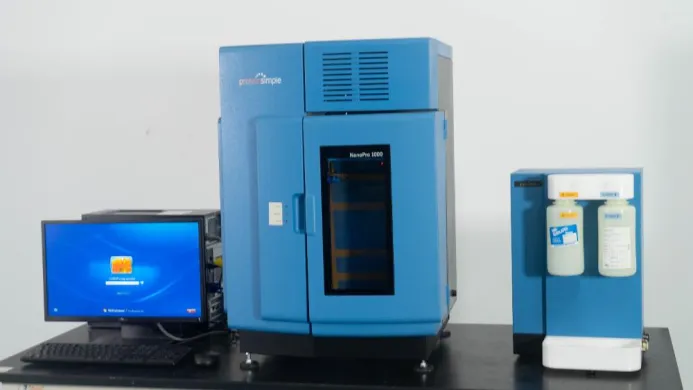
The most listed makers here are Invitrogen, Bio-Rad, ProteinSimple, Life Technologies, Millipore. For a buyer, that concentration matters in practical terms rather than as a ranking. Bio-Rad and Invitrogen apparatus is common enough that a used tank or semi-dry unit is easy to compare across several listings and that replacement pads, cassettes and electrodes stay available. ProteinSimple appears largely through its automated capillary platforms, where the relevant question is which consumable generation a unit takes. Millipore and Life Technologies round out the transfer and detection hardware. A well-represented brand means a model can be benchmarked against its peers and that parts can be sourced via Questpair when a consumable or a worn component is needed.
What a used western blotting system costs here
The condition mix is heavily weighted: 98 percent of the listings are used. Prices run from EUR 63 to EUR 25.827, averaging around EUR 2.538. The low end covers passive transfer apparatus, the high end the automated and imaging instruments that carry a camera, pumps and software. The listings come from 14 verified suppliers and distributors across 6 countries, so a given model often appears at more than one price point, which is where a direct comparison earns its keep.
Frequently asked questions
What is Western blotting?
Western blotting is an analytical technique that separates proteins by gel electrophoresis, transfers them to a membrane, and detects specific targets using labelled antibodies. The equipment for it covers transfer cells, blotting apparatus, imaging systems and automated platforms that handle the full workflow.
What does Western blotting mean?
The name refers to the method of blotting, or transferring, electrophoretically separated proteins onto a membrane for detection. It is distinct from Southern blotting for DNA and Northern blotting for RNA, and the term now covers the whole protein separation, transfer and detection sequence.
How does Western blotting work?
Proteins are first separated by size through gel electrophoresis, then transferred onto a membrane where they are probed with antibodies specific to the target protein. A detection system, usually chemiluminescent or fluorescent, reveals the bound antibody so the target can be visualised and quantified.
What types of Western blotting equipment are there?
The listings sort into protein transfer systems and gel transfer devices that move proteins to a membrane, gel documentation systems that image developed blots, protein analysis and molecular biology instruments that read and quantify, and automated western blot systems that combine separation, transfer, probing and imaging in one unit.
What is Western blotting used for?
It confirms protein expression, measures relative abundance and validates antibodies, which makes it a core method in molecular biology and proteomics. Automated capillary systems extend the technique into higher-throughput quantification for cell biology and diagnostics research.
How do I choose a Western blotting system?
Start with the transfer method, since wet, semi-dry and dry or rapid transfer each suit different protein sizes, throughputs and consumable budgets. Then decide whether you need a standalone apparatus, an imaging station, or an automated platform that runs the full workflow, which narrows the choice considerably.
What is the difference between wet, semi-dry and dry transfer?
Wet or tank transfer moves proteins across a full buffer-filled cassette over an hour or more and remains the reference method for large proteins and quantitative work. Semi-dry presses the gel and membrane between buffer-soaked pads and finishes in minutes, while dry and rapid systems use pre-packaged consumables to cut the step to single-digit minutes.
Refurbished versus used, what is the difference?
Used units are sold in their existing condition, while refurbished units have been checked and reconditioned before listing. Both are listed below new pricing, and the specific condition and what has been done to a unit is described in the individual listing.
How much does a Western blotting system cost?
Prices range from EUR 63 to EUR 25.827, with an average around EUR 2.538. A passive transfer tank or semi-dry blotter sits at the low end, while a gel documentation station or an automated capillary platform occupies the top.
Which brands are worth looking at?
The most listed makers here are Invitrogen, Bio-Rad, ProteinSimple, Life Technologies and Millipore. Bio-Rad and Invitrogen apparatus is common enough to compare across several listings, while ProteinSimple appears mainly through its automated capillary platforms.
Is there a warranty on a refurbished unit?
A warranty is often possible and is arranged in consultation for the specific listing. Terms are not set centrally, so check the individual listing for what applies to that unit.
Can I get parts for these instruments?
Parts such as transfer pads, cassettes, electrodes and worn components can be sourced via Questpair. Bio-Rad and Invitrogen apparatus is well represented, which helps when a common consumable or component is needed.
How long does a Western blotting system last?
Transfer cells and tanks are largely passive, so they last a long time provided the electrode wires, lid connectors and cassette frames are sound. Powered and automated systems have more to wear, including power supplies, pumps and valves, and their service life also depends on whether the proprietary consumables for that generation are still made.
New or refurbished, which should I buy?
Used and refurbished units are listed at lower prices than new, which is what makes a high-end imager or automated system affordable to a lab that could not justify one new. Where you need to weigh the two, compare the individual listings and note that warranty is arranged in consultation for each.
Where can I buy Western blotting equipment?
The listings here come from 14 verified suppliers and distributors across 6 countries, spanning 185 items. A given model often appears at more than one price point, so direct comparison is possible within the catalogue.
What are lead time and shipping like?
Lead time and shipping depend on the individual seller and the unit, since the equipment comes from verified suppliers and distributors in 6 countries. The specifics are set out in each listing, and Questpair specialists respond within one hour if you need to confirm details.
What calibration and maintenance do these need?
Transfer tanks need little beyond checking electrode wires and cassette frames, while powered systems benefit from verifying power supply output and pump or valve condition. Imaging systems rely on a clean CCD or CMOS sensor and a working transilluminator or epi-LED, and the control software should run on a current operating system.
Which types are listed most and who reaches for which?
Protein transfer systems and gel transfer devices suit single-bench immunoblotting and antibody validation, gel documentation systems serve labs that need to image and quantify blots and often double for nucleic acid gels, and automated western blot systems go to higher-throughput proteomics and diagnostics work where a capillary immunoassay replaces the manual membrane.
What separates the cheapest listings from the most expensive?
The low end is passive apparatus, a transfer tank or semi-dry blotter with no electronics beyond a power connection. The high end carries a camera, pumps and software, as in a gel documentation station or an automated capillary platform, so the spread reflects the difference between a passive device and a software-driven instrument rather than a difference in condition.