

Process filters
We personally find you the right used, refurbished and new process filters instruments & equipment from verified suppliers.
Process filters are separation devices that remove particles, microorganisms or dissolved species from a liquid or gas stream during manufacturing and purification, rather than in analytical bench work. In laboratory and bioprocessing settings they recover product, clarify feedstock and sterilise buffers. The Questpair catalogue holds 656 process filter listings from 14 verified suppliers and distributors across 9 countries. New, used and refurbished units are listed. Among the current listings, 80 percent are used. Prices span a wide field, from EUR 2 for a single consumable element to EUR 236.745 for a complete filtration skid. The equipment covers membrane cassettes, resins and integrity testers, the parts a filtration train is built from.
Updated:
Process filters product list
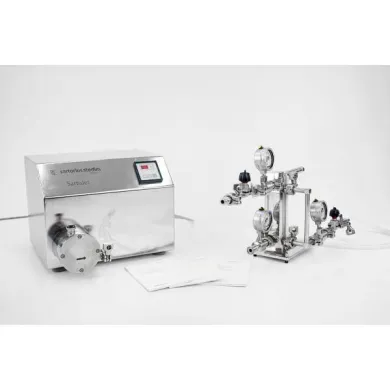
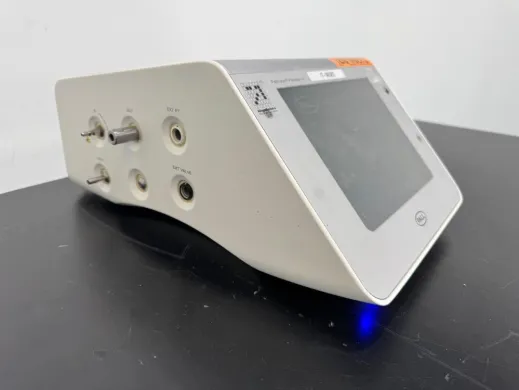
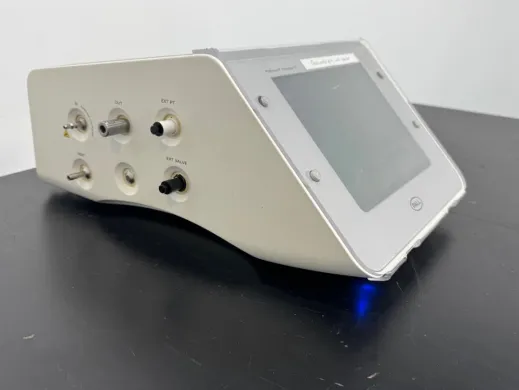
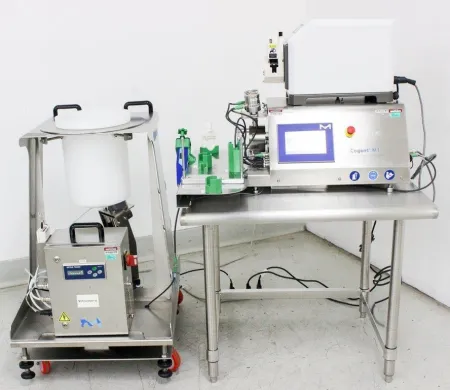


Not the exact instrument you need?
Tell our scientists what you are after. We track it down, including off-market supply.
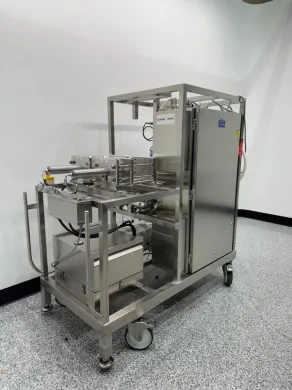
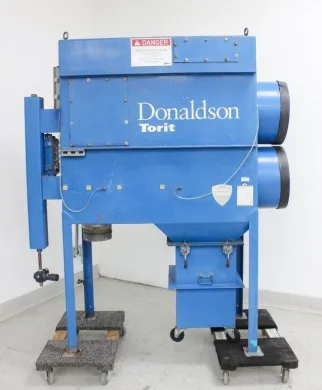
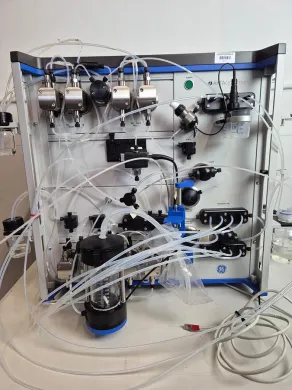
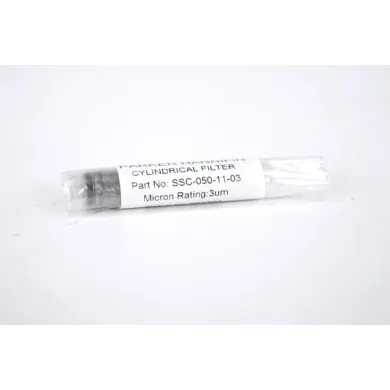
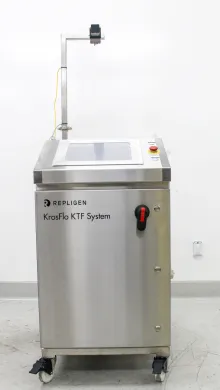
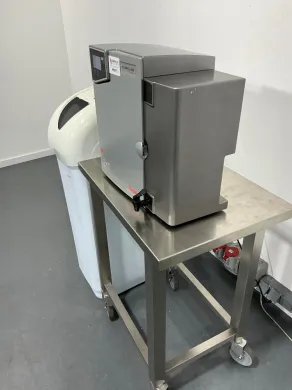
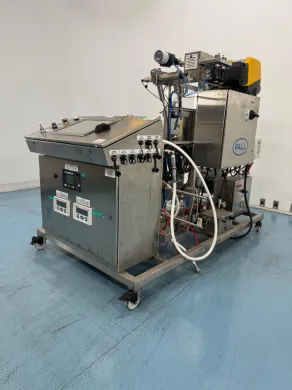
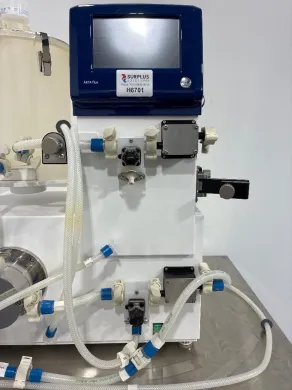
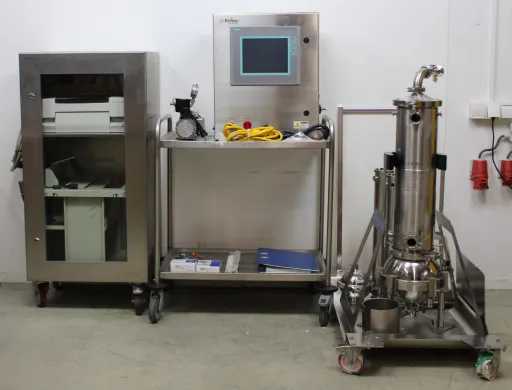
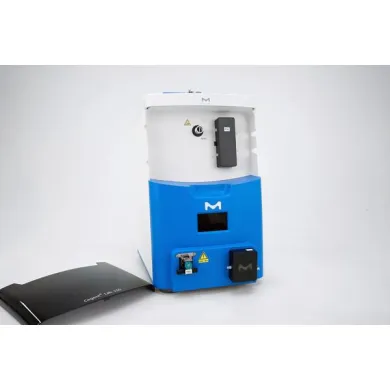
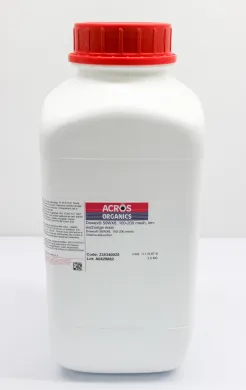
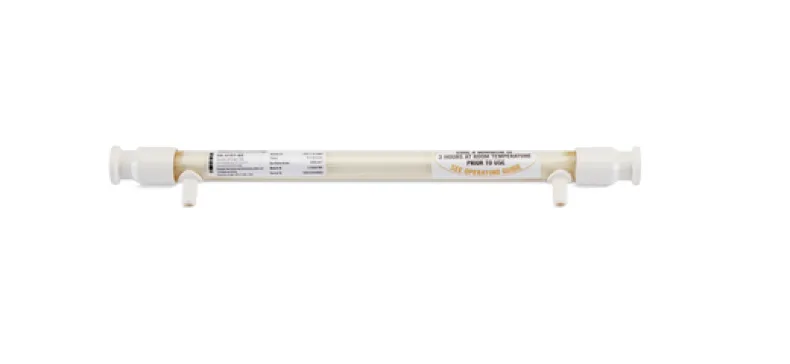
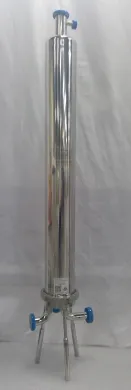
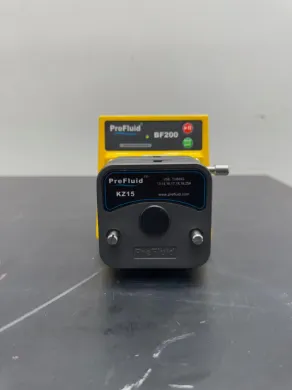
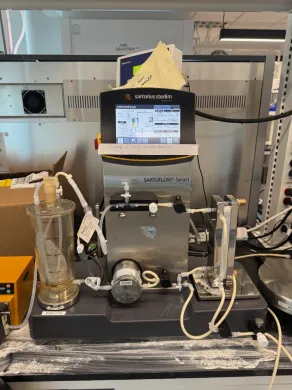
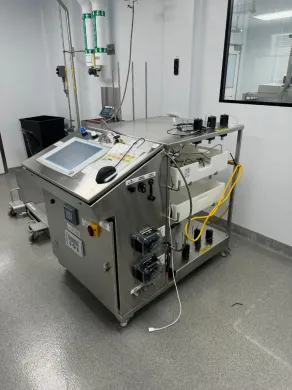
Not the exact instrument you need?
Tell our scientists what you are after. We track it down, including off-market supply.
Showing 1–40 of 439 listings
Show 40 more listingsBuying guide
Matching a process filter to the stream it runs
What settles a process filter purchase is rarely a single catalogue figure. It is the match between the filter and the stream it has to handle: the volume, the viscosity, the particle or molecule being removed, and whether the duty is clarification, concentration or final sterile filtration. A tangential flow filtration system sized for a 500 litre batch is the wrong tool for a 2 litre laboratory prep, and a 0.2 micron sterilising-grade cartridge does nothing useful where the target is a 50 kilodalton protein. So the first question is the separation itself, membrane cut-off or resin chemistry, flow area, and the pressure the housing is rated to hold. Read these from the part number and the datasheet, not from the listing title, because a housing and the element inside it are often sold and priced separately.
On a used filter, the element and the hardware have different lives. Stainless housings, skids and pumps tolerate age well and can be requalified. Membranes, cassettes and resins degrade, foul and carry a cleaning history that a photograph will not show, so verify whether a unit is offered with fresh consumables or as hardware only. Where an integrity tester is in scope, confirm the model still holds calibration and that the test program matches the membranes you intend to run. Ask what service the unit last had and whether any wetted parts were replaced; a filter integrity tester with an expired calibration is a maintenance item, not a ready instrument.
Price follows that split closely. What a filter costs here ranges from EUR 2 for a bare consumable to EUR 236.745 for an assembled bioprocessing filtration system, with an average near EUR 5.809. A modest budget buys resins, replacement cassettes and smaller benchtop rigs; the upper band covers skid-mounted tangential flow systems from the established makers. The brands that fill the catalogue, Millipore, Acros Organics, Pall, Sartorius, Repligen, set that spread, and refurbished units listed for sale sit below the price of equivalent new hardware. Warranty is arranged in consultation for the specific listing, so where the choice between new and used is close, the individual listing is where that question is answered.
Types of Process filters
Which process filter types are listed?
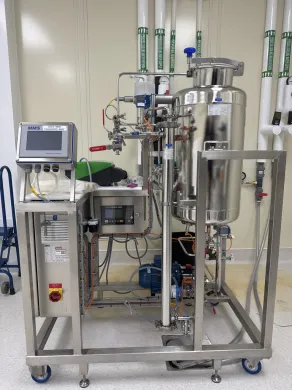
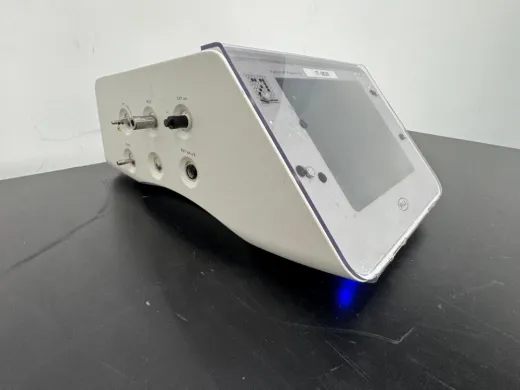
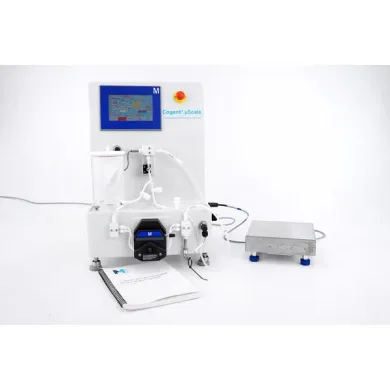
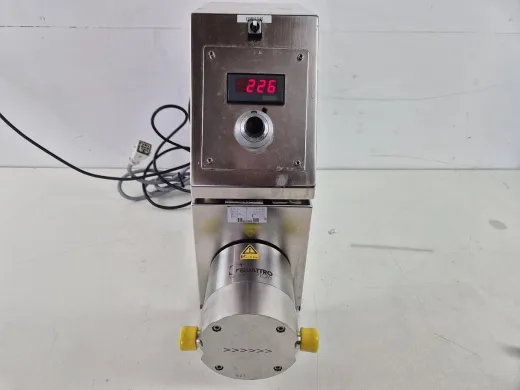
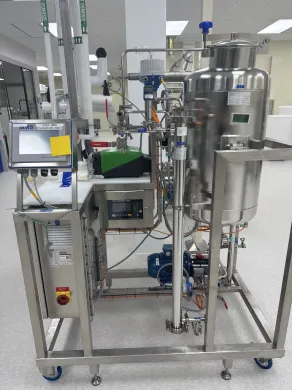
Among the listings that specify a type, six recur. Tangential flow filtration systems, also called crossflow systems, pass the feed parallel to the membrane so retained material sweeps clear rather than blinding the surface; they concentrate and diafilter proteins, cells and viral particles and are a mainstay of bioprocessing and protein purification. Ion-exchange resins, listed under both the hyphenated and open spellings, are packed beds that bind charged species and release them on elution, the working medium of chromatography-scale separation in molecular biology and biomanufacturing. Bioprocessing equipment covers the housings, holders and skids that carry membranes at production volume. Filter integrity testers are the instruments that confirm a sterilising membrane is intact before and after a run, the gate every aseptic process depends on. Sample preparation resins serve smaller-scale cleanup ahead of analysis.
The work these do reaches across the life sciences. Tangential flow filtration is how a monoclonal antibody is concentrated in biomanufacturing, and a tangential flow filtration system for protein purification is a routine line item in a downstream suite. Ion exchange resin sits at the heart of ion exchange chromatography for protein purification, and the same chemistry clarifies buffers for cell culture and immunoassay work. Integrity testing underpins sterile filtration for bioprocessing, from vaccine fill to media preparation. These filters are also used for clarifying fermentation broth and for endotoxin reduction in biomanufacturing.
The brands behind the process filter listings
The catalogue is led by Millipore, Acros Organics, Pall, Sartorius, Repligen. For a buyer this matters in practical terms: the membrane and cartridge makers among them use defined connection standards and published part numbers, so a cassette or element can be matched to an existing housing and a replacement sourced with confidence. Parts can be sourced via Questpair where a listing covers hardware alone. Their dominance also makes models easy to compare across listings, because the same series recurs under several of the 14 suppliers.
What a used process filter costs here
The condition mix runs 80 percent used. Prices range from EUR 2 to EUR 236.745. That spread covers everything from a single resin charge to a fully plumbed filtration skid, which is why the average near EUR 5.809 says less than the range itself. Catalog listings mark condition per unit, so the gap between a bare consumable and an assembled system is visible on each.
Frequently asked questions
What is a process filter?
A process filter is a consumable or system that separates particles, cells or dissolved species from a fluid stream in laboratory and production workflows. The term covers membrane cartridges, chromatography resins and the hardware that holds and tests them.
What does process filtration mean in a bioprocessing context?
In bioprocessing it refers to clarifying, concentrating or purifying a liquid or gas stream, for example harvest clarification, buffer exchange or product concentration. The same filtration and chromatography steps sit together in a production line.
How do process filters work?
Membrane filters either pass the fluid straight through the membrane or across its surface, holding back particles or cells by pore size. Resins work by chemistry instead, binding charged or specific molecules and releasing them on a salt or pH gradient.
What types of process filters are listed here?
The catalogue splits into membrane-based systems, chromatography resins and supporting hardware. Tangential flow filtration systems, ion-exchange resins, bioprocessing equipment, filter integrity testers and sample preparation resins all appear.
What are process filters used for?
They clarify, concentrate or purify fluids in protein purification, cell culture downstream trains, molecular diagnostics and sterile biomanufacturing. Filter integrity testers verify a membrane is intact before a sterilising or viral-clearance step.
How do I choose a process filter?
Start from the task: tangential flow units suit concentration and diafiltration of proteins and cells, ion-exchange resins bind charged species for chromatography, and integrity testers verify sterilising filters. Match pore size, binding chemistry and the fluid volume to the step you are running.
What is the difference between refurbished and used process filters?
Used units are sold in their existing condition, while refurbished ones have been checked and brought back to working order before listing. Both are listed below the price of new equipment.
How much does a process filter cost?
Prices range from EUR 2 to EUR 236.745, with an average around EUR 5.809. A box of filter elements or a quantity of resin sits near the bottom, a benchtop tangential flow unit in the middle, and a full bioprocessing skid at the top.
Which brands make the process filters listed here?
The names that recur are Millipore, Acros Organics, Pall, Sartorius and Repligen. A membrane or resin from a widely listed maker is easier to cross-reference against a published part number and easier to match for pore size or binding chemistry.
Can I get a warranty on a refurbished process filter?
A warranty is often possible and is arranged in consultation for the specific listing. This matters most where a filter integrity tester or a sterile system is involved.
Are replacement parts and filter elements available?
Parts can be sourced via Questpair. Consumables from the recurring makers often turn up across several listings at once, so a used system and its spare elements can be sourced together.
How long does a process filter last?
Membrane cartridges and resins are consumables with a finite service life that depends on fouling, the number of cycles and cleaning regime. Hardware such as tangential flow skids and integrity testers lasts far longer and is where spare parts matter most.
Should I buy new or used?
Used and refurbished systems are listed below the price of new. Warranty on either is arranged in consultation for the specific listing, so compare the individual listings rather than assuming a fixed difference beyond price.
Where can I buy process filters?
They are available through the Questpair catalogue from 14 verified suppliers and distributors across 9 countries. The listings cover new, used and refurbished items, 80 percent of which are used.
What is the lead time and shipping on a process filter?
Lead time depends on the individual listing and the supplier holding the item, since listings come from different verified suppliers and distributors across 9 countries. Check the specific listing for its availability.
What calibration and maintenance do these need?
Filter integrity testers require periodic calibration to keep their pressure and flow measurements accurate. Membranes and resins need cleaning and storage per their chemistry to preserve service life, while skids need routine checks of seals and pumps.
Which process filter types are most listed, and who reaches for which?
Tangential flow filtration systems lead the count and are used for concentration and diafiltration in bioprocessing and protein purification. Ion-exchange resins serve chromatography groups, sample preparation resins serve diagnostics and proteomics clean-up, and integrity testers serve sterile biomanufacturing.
Which brands dominate this category, and what does that mean for a buyer?
Millipore, Acros Organics, Pall, Sartorius and Repligen recur across the listings. That concentration makes it easier to cross-reference a part number and find a compatible replacement when a cartridge reaches the end of its service life.
What separates the cheapest listings from the most expensive?
The bottom of the band holds consumables such as a box of filter elements or a quantity of resin, near EUR 2. The top holds complete bioprocessing skids near EUR 236.745, with benchtop tangential flow units between the two.