

Process controls
We personally find you the right used, refurbished and new process controls instruments & equipment from verified suppliers.
Process controls are the instruments that regulate the physical and chemical conditions inside a reactor or culture vessel, holding variables such as temperature, pH, dissolved oxygen and stirring speed at set points throughout a run. In laboratory and bioprocess work they turn a vessel into a controlled environment, which is what separates a reproducible fermentation or cell culture from an uncontrolled one. The Questpair catalogue carries new, used and refurbished units together: 95 percent of the listings are used. Across the current 429 listings, prices run from EUR 39 to EUR 558.717, a span that reflects how far this class reaches, from a single benchtop temperature controller to a complete bioprocess control system.
Updated:
Process controls product list


Not the exact instrument you need?
Tell our scientists what you are after. We track it down, including off-market supply.
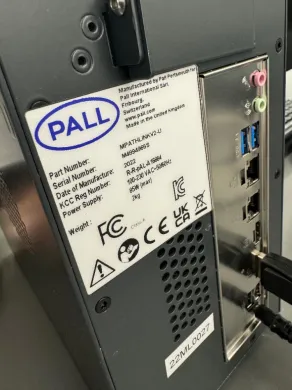
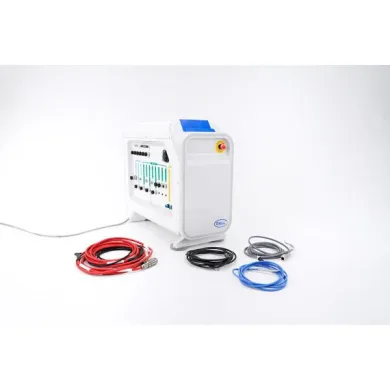
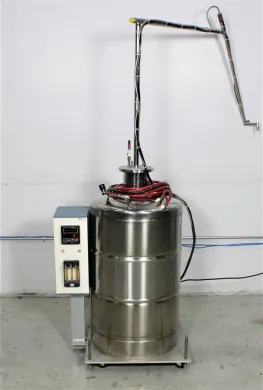
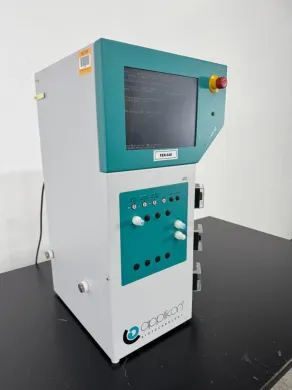
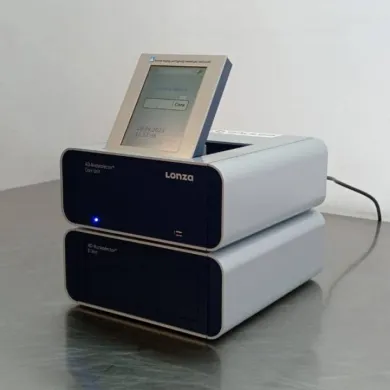
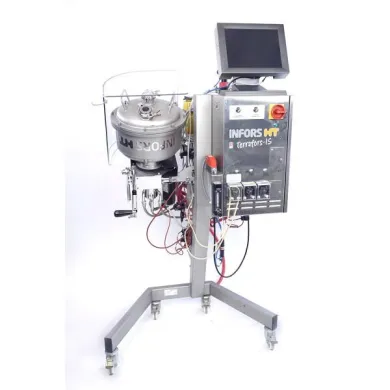
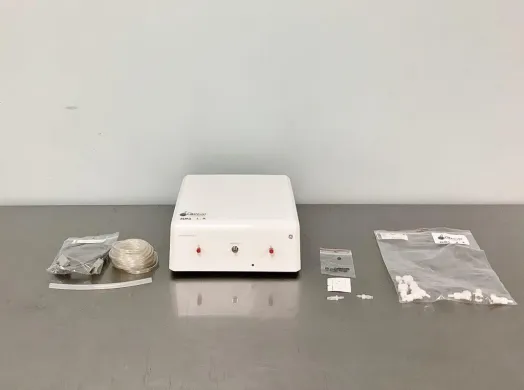
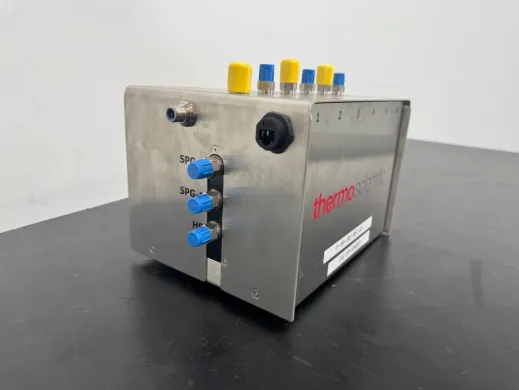
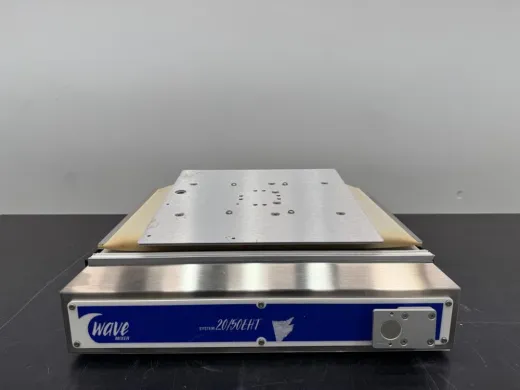
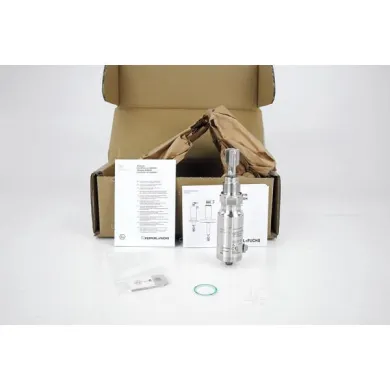
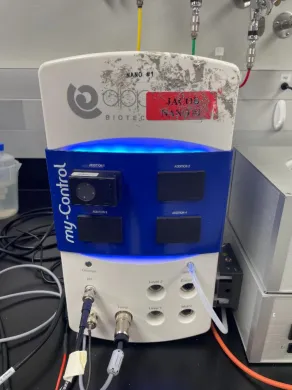
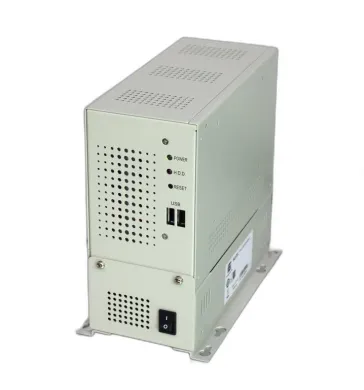
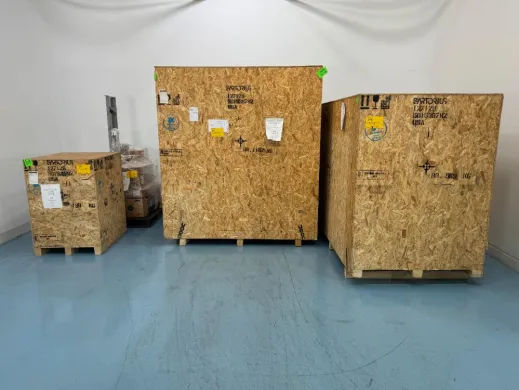
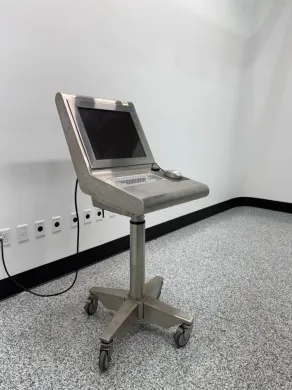
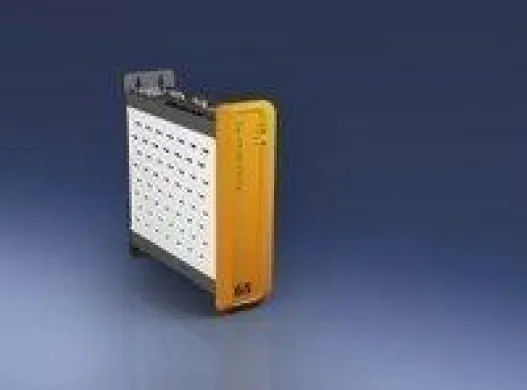
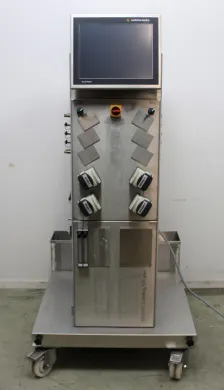
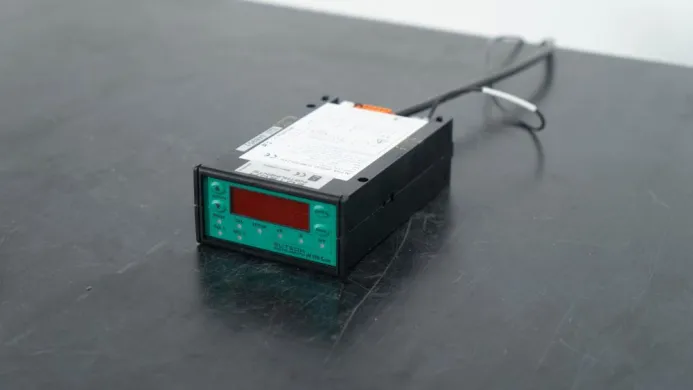
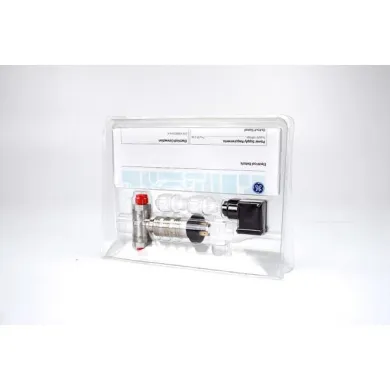
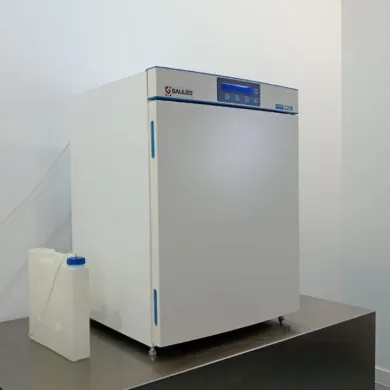
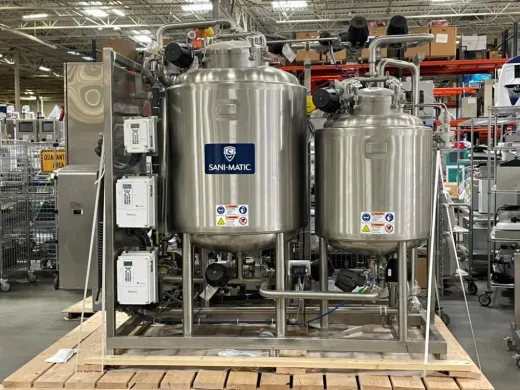
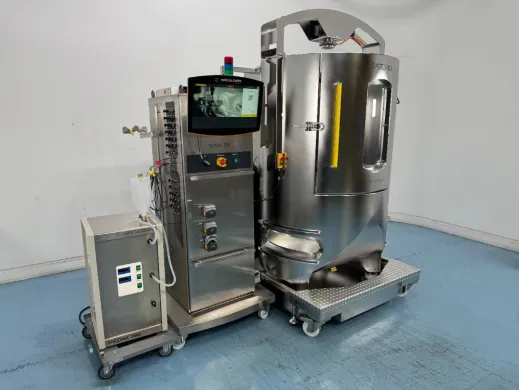
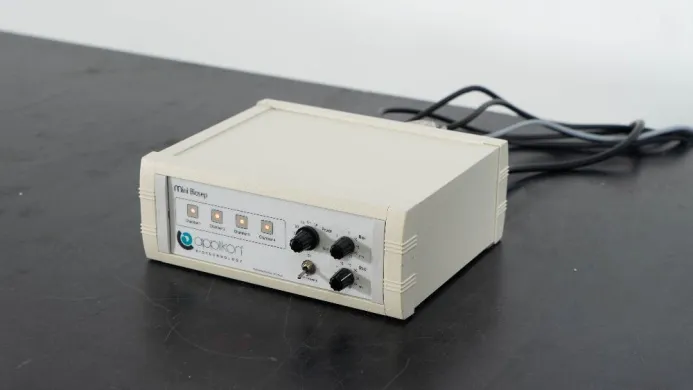
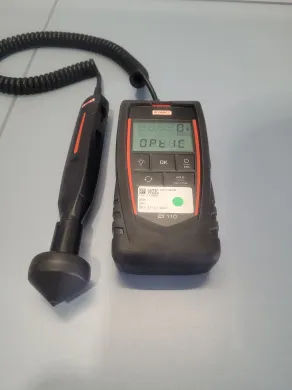
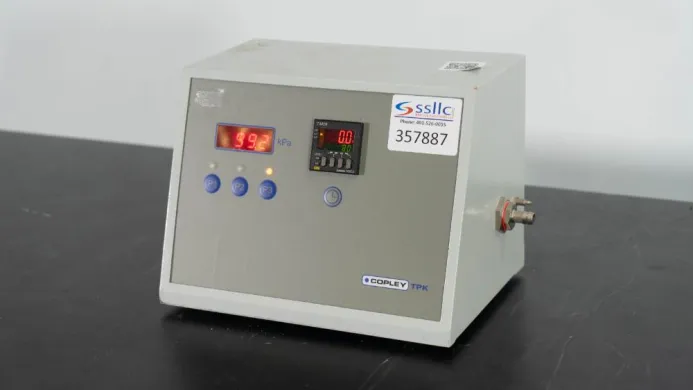
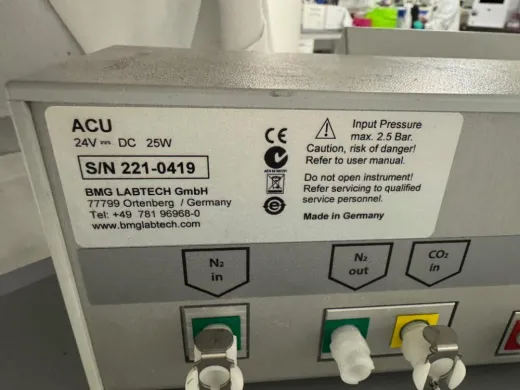
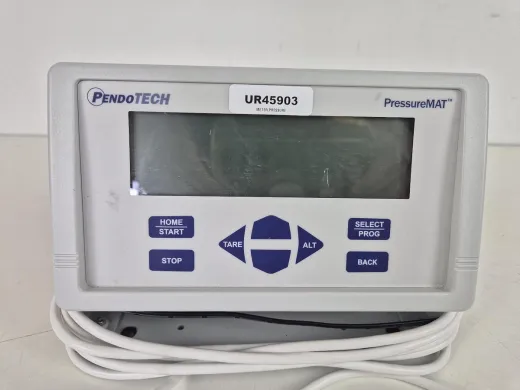
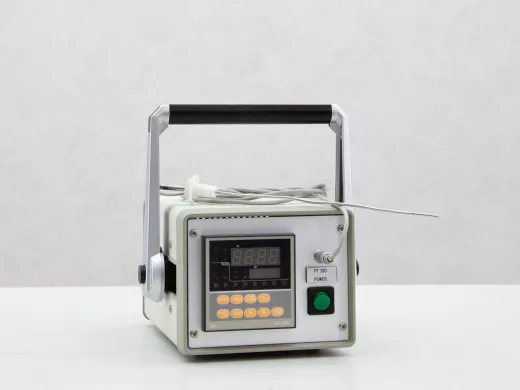
RKC REX-P90 Temperature Controller
- Category
- Process controls
- Brand
- Rkc instrument
- Suppliers
- 1 verified
Not the exact instrument you need?
Tell our scientists what you are after. We track it down, including off-market supply.
Showing 1–40 of 390 listings
Show 40 more listingsBuying guide
What a process controller must govern comes before anything else, because a controller built for temperature alone will not run a cell culture that also needs pH and dissolved oxygen held steady. Count the loops the application requires. A simple incubation or water bath may need one variable regulated; a mammalian cell culture typically needs four or more run in parallel, each with its own sensor, its own actuator and its own tuning. A controller is only as useful as the loops it can close, so match the channel count and the sensor inputs to the process, not to the headline specification.
The sensors and the actuators decide whether a controller fits a given vessel at all. pH and dissolved-oxygen probes come in fixed lengths and fittings, peristaltic pumps are rated for particular tubing, and a heating jacket or blanket is sized to a specific vessel diameter. On a used bioreactor control system this is where most of the risk sits. Confirm that the probes are present and within their service life, that the pump heads turn and seal, and that the software or firmware version still talks to the sensors supplied. Ask whether the unit was run to the day it was listed or sat idle, since gaskets and tubing degrade in storage. Calibration is not a one-time event here: pH and dissolved-oxygen readings drift and need recalibrating against known standards before the first real run, so budget for fresh buffers and standards whatever the listing says about condition.
The price band on process controls is unusually wide because the category spans a single benchtop temperature controller and a fully instrumented bioprocess control system in the same list. Prices run from EUR 39 to EUR 558.717, with an average around EUR 9.056. A modest budget buys a stand-alone controller or a temperature loop; a complete benchtop bioreactor with its control tower, probes and pumps sits well above the average. Used and refurbished units are listed below the cost of new, and at 95 percent used the catalogue is where an affordable, working system is most likely to be found rather than a new purchase. Applikon, Sartorius, Pall, Thermo Scientific, Eppendorf account for much of what is listed for sale, which matters for a buyer because a controller from a brand with wide installed base is easier to match to spare probes and pumps and easier to compare model against model.
Types of Process controls
Which process control types are listed here?
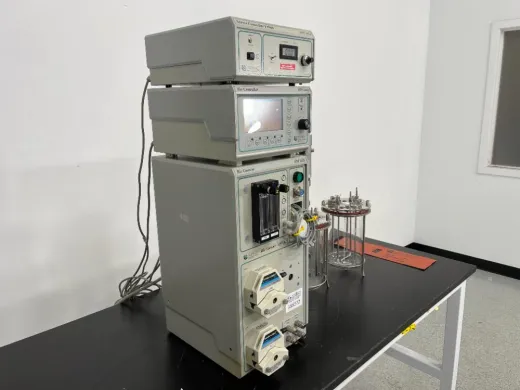
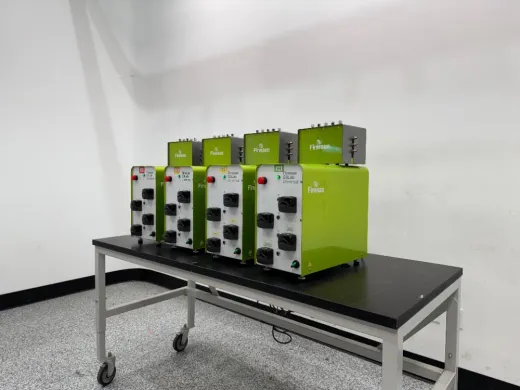
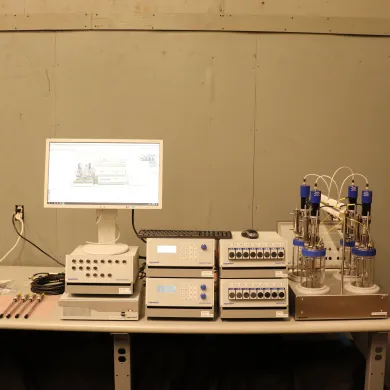
Among the listings that specify a type, most centre on bioprocessing rather than general instrumentation. A bioreactor controller is the control unit itself, the tower or module that reads the probes and drives the pumps and heaters. A cell culture bioreactor is the whole assembly, vessel included, built for growing mammalian or insect cells in cell culture and cell imaging workflows. A bioprocess control system and a bioreactor control system describe the integrated package of controller, software and sensors that runs a fermentation or a bioproduction batch end to end; the two names often cover the same thing. A benchtop bioreactor is the small-scale version of that package, sized for a single bench, and a temperature controller is the narrowest type here, regulating one variable for an incubator, jacket or water bath.
These types do real work in biotechnology and life sciences. A benchtop bioreactor for cell culture is where early-stage biomanufacturing, synthetic biology and bioprocessing are developed before scale-up; a cell culture bioreactor supports protein purification feedstock and the production of material for molecular diagnostics and immunoassay work. Microbial fermentation for industrial biotechnology, bioprocess control for upstream biomanufacturing, and temperature regulation for microbiology and genomics sample handling all run on equipment in this category. The controllers also feed data that connects to downstream proteomics and molecular biology analysis.
The brands behind the process control listings
Applikon, Sartorius, Pall, Thermo Scientific, Eppendorf are the makers that recur across the listings. For a buyer this presence is practical rather than reputational. A controller from a brand with a large installed base is easier to match to replacement probes, pump heads and tubing, and far easier to compare like for like against another unit of the same family, because the specifications are documented and the models are known quantities. Parts for these systems can be sourced via Questpair. Where a maker appears often, so do the accessories that keep its systems running, which shortens the gap between buying a used unit and putting it into service.
What a used process controller costs here
The condition and price mix is straightforward. At 95 percent used, the catalogue is dominated by pre-owned and refurbished systems, with a smaller set of new units. Prices run from EUR 39 to EUR 558.717, and that range covers everything from a bare temperature controller to a complete, instrumented benchtop bioreactor, which is why the spread is so wide. Used and refurbished units are listed below the price of new. Warranty is often possible and is arranged in consultation for the specific listing, so a buyer weighing a used system against a new one should look at the individual listing rather than at a blanket policy. The current depth of the catalogue, 429 listings from 15 verified suppliers and distributors across 10 countries, is what makes a specific configuration findable at a workable price.
Frequently asked questions
What is a process controller?
A process controller is an instrument that regulates physical and chemical conditions inside a reactor or culture vessel, holding variables such as temperature, pH, dissolved oxygen and stirring speed at defined set points during a run. It reads probes and drives actuators like pumps and heaters to keep those conditions steady.
What does process control mean?
Process control means actively holding the conditions inside a vessel at target values rather than letting them drift. It is what turns a vessel into a controlled environment, which is the difference between a reproducible fermentation or cell culture and an uncontrolled one.
How do process controls work?
They close a loop: a sensor reads a variable, the controller compares that reading to a set point, and it drives an actuator such as a heater, pump or stirrer to correct any difference. Each variable it governs needs its own sensor, its own actuator and its own tuning.
What types of process controls are listed here?
The listings centre on bioprocessing: bioreactor controllers, cell culture bioreactors, bioprocess control systems, bioreactor control systems, temperature controllers and benchtop bioreactors. The controller is the unit that reads probes and drives pumps and heaters, while a bioreactor or control system describes the fuller package of controller, software, sensors and sometimes the vessel.
What are process controls used for?
They are used to develop and run cell culture, microbial fermentation and bioprocessing, from early-stage biomanufacturing and synthetic biology work to the production of feedstock for protein purification. A temperature controller is also used to regulate a single variable for an incubator, jacket or water bath in microbiology and sample handling.
How do I choose a process controller?
Start from what the process must govern and count the loops it needs: a water bath may need one variable, a mammalian cell culture typically needs four or more run in parallel. Match the channel count and sensor inputs to the application, since a controller is only useful for the loops it can close.
What is the difference between refurbished and used process controls?
Used describes a unit sold in the condition it comes in, while refurbished means it has been checked and brought back to working order before listing. For either, confirm the probes are present and within service life, that pump heads turn and seal, and that the firmware still talks to the sensors supplied.
How much does a process controller cost?
Across the current listings prices range from EUR 39 to EUR 558.717, with an average around EUR 9.056. The spread is wide because the category spans a stand-alone temperature controller at one end and a fully instrumented bioprocess control system at the other.
Which brands make the process controls listed here?
Applikon, Sartorius, Pall, Thermo Scientific and Eppendorf recur across the listings. A controller from a brand with a wide installed base is easier to match to replacement probes, pump heads and tubing, and easier to compare model against model.
Is there a warranty on refurbished process controls?
A warranty is often possible and is arranged in consultation for the specific listing. Because terms are set per listing rather than centrally, check the individual unit you are considering rather than assuming a blanket policy.
Can I get parts for a used process controller?
Parts such as probes, pump heads and tubing can be sourced via Questpair. Where a brand appears often in the listings, the accessories that keep its systems running tend to be available alongside it.
How long does a process controller last?
The controller electronics often outlast the consumable parts around them, which is where attention is needed: pH and dissolved-oxygen probes, gaskets and tubing degrade over time and in storage. Ask whether a used unit was run to the day it was listed or sat idle, since idle time ages the seals and tubing.
Should I buy new or refurbished?
Used and refurbished units are listed at lower prices than new, and at 95 percent used the catalogue is weighted toward pre-owned systems. Weigh the two on the individual listing, where the condition of probes, pumps and firmware is described and where warranty is arranged in consultation.
Where can I buy process controls?
They are listed on Questpair from verified suppliers and distributors. The current catalogue holds 429 listings from 15 suppliers across 10 countries.
What is the lead time and shipping on a process controller?
Lead time and shipping depend on the individual supplier and the unit's location, so they vary across the 10 countries represented in the listings. The listing or the supplier can confirm dispatch and delivery for a specific item.
Do process controls need calibration and maintenance?
Yes. pH and dissolved-oxygen readings drift and need recalibrating against known standards before the first real run, so budget for fresh buffers and standards whatever the listing says about condition. Pump heads, tubing and gaskets are the parts to check and replace over time.
Which types in this category are listed most, and who reaches for which?
Among listings that specify a type, the entries cluster around bioreactor controllers, cell culture bioreactors and bioprocess or bioreactor control systems, with benchtop bioreactors and temperature controllers alongside them. A benchtop bioreactor suits a single bench and early-stage development, a full control system suits a fermentation or bioproduction batch run end to end, and a temperature controller suits anyone regulating one variable for an incubator or bath.
Which brands dominate this category, and what does that mean for a buyer?
Applikon, Sartorius, Pall, Thermo Scientific and Eppendorf account for much of what is listed. For a buyer this is practical rather than reputational: a model from a family with documented specifications is easier to compare like for like and easier to match to spare probes and pumps sourced via Questpair.
What separates the cheapest process controls from the most expensive?
The bottom of the band is a bare temperature controller or a single-loop unit regulating one variable. The top is a complete benchtop bioreactor or bioprocess control system with its control tower, probes and pumps, which is why the range runs from EUR 39 to EUR 558.717; the number of loops and whether the vessel and instrumentation are included drive the difference.