

Process columns
We personally find you the right used, refurbished and new process columns instruments & equipment from verified suppliers.
Process columns are packed cylindrical housings through which a liquid feed is pumped to separate its components by their differing affinity for a stationary phase, the core hardware of preparative and process-scale liquid chromatography. They range from small glass laboratory columns to large stainless steel vessels built for continuous bioprocessing lines. On Questpair, 80 percent of the listings are used, and the catalogue carries new, used and refurbished units from 16 verified suppliers and distributors across 9 countries. Prices run from EUR 5 to EUR 236.745. These systems sit at the heart of protein purification, buffer exchange and polishing steps, where column volume, packing integrity and pressure rating decide what a given separation can achieve.
Updated:
Process columns product list
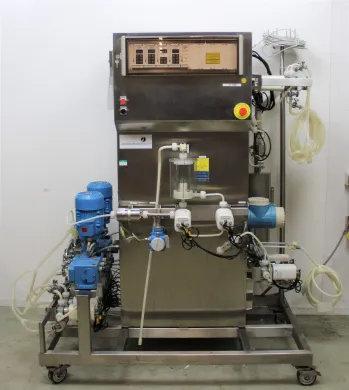
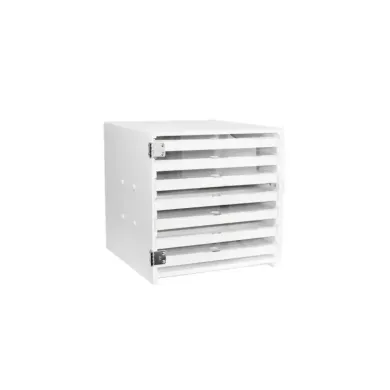
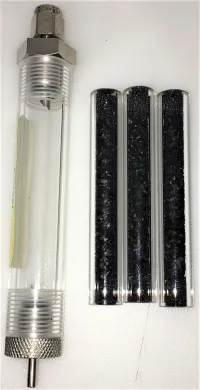
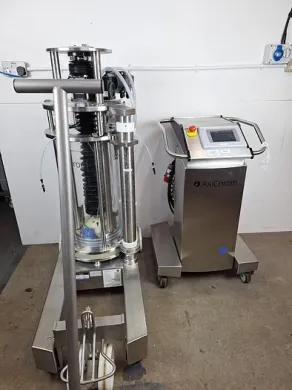
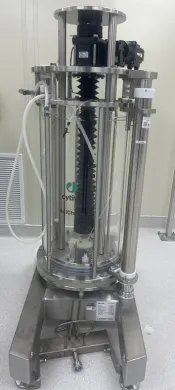


Not the exact instrument you need?
Tell our scientists what you are after. We track it down, including off-market supply.
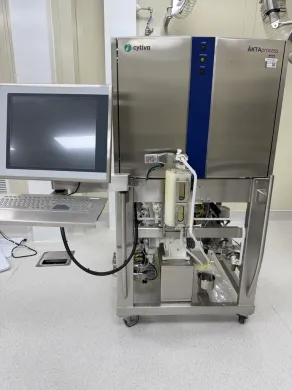
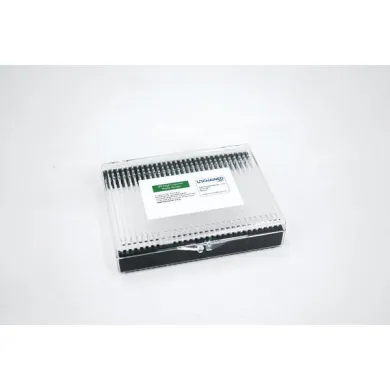
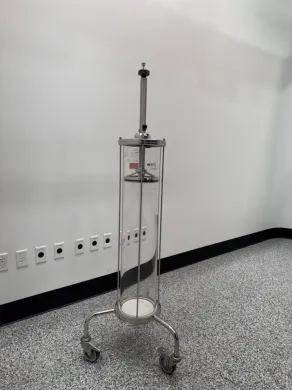
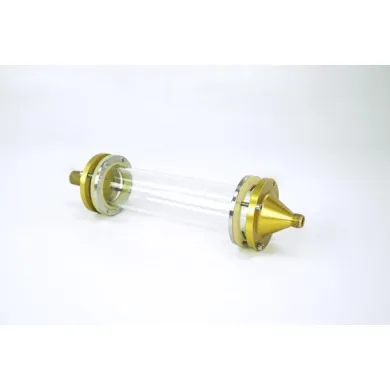
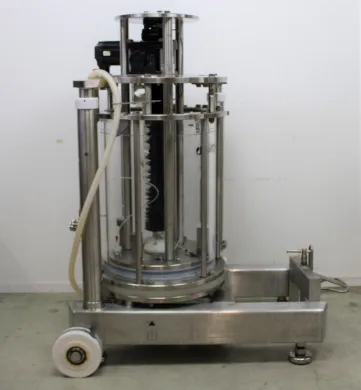
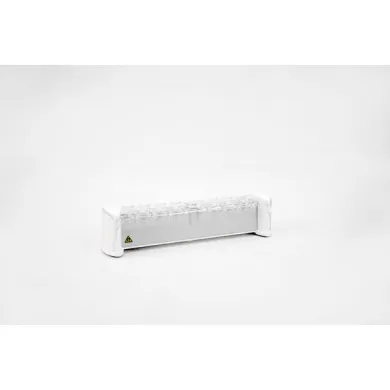
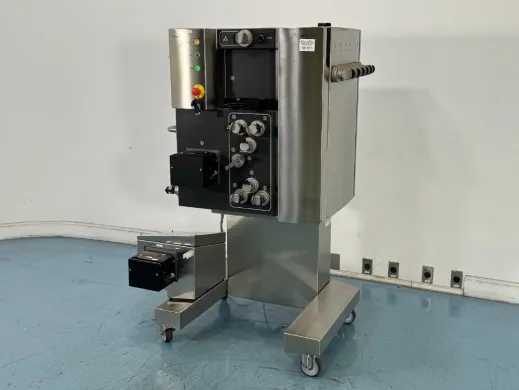
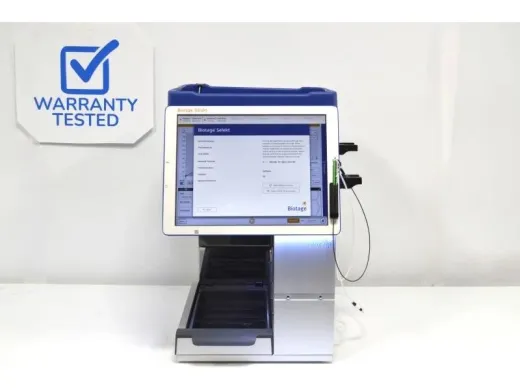
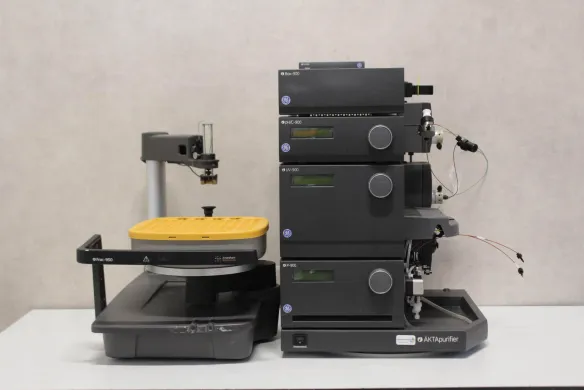
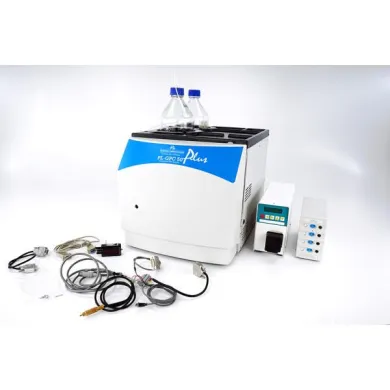
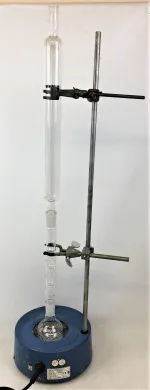
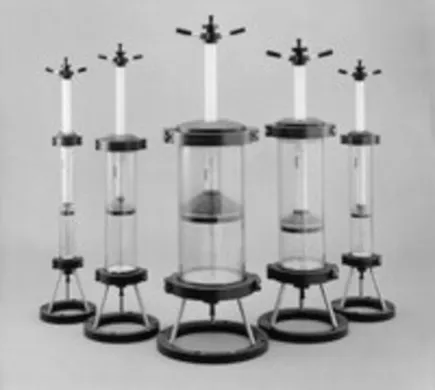
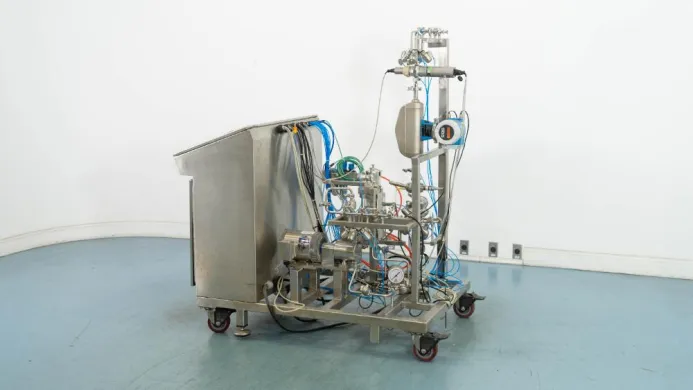
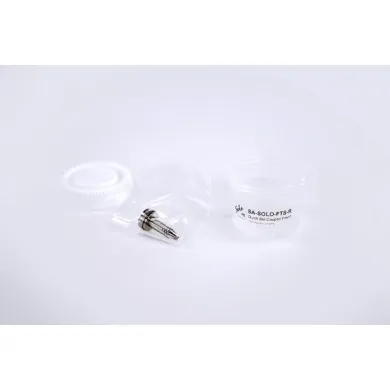
SA-SOLO-FTS-R SoloVPE Quick Set Coupler Insert
- Category
- Process columns
- Suppliers
- 1 verified
Not the exact instrument you need?
Tell our scientists what you are after. We track it down, including off-market supply.
Showing 1–40 of 403 listings
Show 40 more listingsBuying guide
What column volume and bed geometry decide?
The volume of the packed bed, and the diameter-to-height ratio that shapes it, settle a process column purchase before any other specification. A column too small throttles throughput; one too large wastes resin and buffer. Bed height governs resolution, bed diameter governs capacity, and the two together fix the linear flow velocity the packing can tolerate without channelling. A buyer scaling a bench method to pilot volumes has to match the new geometry to the validated one, holding bed height constant while widening the diameter, or the separation that worked at small scale will not transfer. Read the column's rated volume and maximum operating pressure first, then confirm the wetted materials suit the mobile phase: glass and stainless steel behave differently under aggressive cleaning-in-place regimes and under the high salt concentrations that ion-exchange chromatography demands.
A used column is bought as much on its history as on its datasheet. Packing integrity does not survive neglect, so verify whether the unit ships packed or empty, and if packed, with what resin and how recently. Frits clog, seals perish, and a cracked distributor plate ruins flow uniformity without any outward sign. Ask for the last pressure test, inspect the end fittings and the adjustable plunger if the column has one, and treat an undocumented stainless steel vessel with caution: internal pitting from chloride exposure is invisible from the port. A refurbished unit from a verified supplier should carry some record of refurbishment; where warranty matters, it is arranged in consultation for the specific listing rather than set centrally.
Price spans the full range the tokens show, because this category holds both an empty laboratory glass column that costs almost nothing and a packed bioprocess skid that costs as much as a small instrument. What a unit costs tracks scale and material above all: EUR 5 buys a small analytical or preparative housing, while a large sanitary stainless steel column for biomanufacturing sits near the top of the band. Buyers working to a fixed budget will find that used and refurbished columns listed for sale are more affordable than new, which matters most for the larger stainless vessels where the new-build premium is steepest. The brands that occupy this catalogue, Cytiva and its GE Healthcare predecessors among them, anchor the bioprocess end, and their presence makes used units easier to compare against a known specification.
Types of Process columns
Which process column types are listed?
Among the listings that specify a type, the catalogue divides along scale and chemistry rather than along a single axis. Preparative chromatography columns dominate: these are built to recover purified material in usable quantity, not merely to analyse it, so bed volumes are larger and loadings higher than on an analytical column. General chromatography columns cover the broader population of housings, glass and steel, empty and packed. Ion-exchange resins appear as the packing itself, the charged stationary phase that separates proteins and other biomolecules by net surface charge, and these do the central work in protein purification and buffer polishing. Dedicated protein purification columns are configured for that workflow specifically, with sanitary fittings and low-adsorption wetted surfaces. Stainless steel chromatography columns form the high-pressure, cleanable end of the range, and bioprocess chromatography equipment covers the scaled hardware, packing stations, flow kits and large-format columns, that carries a method into biomanufacturing.
These types underpin a long reach into life sciences work. Ion-exchange and protein purification columns run the capture and polishing steps of downstream processing in bioprocessing and biomanufacturing, where a monoclonal antibody or a recombinant protein is separated from the broth it was expressed in. Preparative columns feed molecular biology and proteomics, isolating protein fractions in quantities large enough for structural study or assay development. A stainless steel process column rated for sanitary cleaning is the kind of hardware a downstream protein purification workflow is built around, and the same equipment supports the buffer exchange and concentration steps that sit between culture and formulation. Across immunoassay reagent production and vaccine manufacture, scaled ion-exchange chromatography is the separation these columns were made to run.
The brands behind the process column listings
The makers that recur here, Acros Organics, Cytiva, GE, GE Healthcare, Millipore, concentrate at the bioprocess and purification end of the catalogue. For a buyer, their presence settles two practical questions. Parts and compatible resins for an established line are easier to source, which matters on a column that will run for years, and a widely listed model gives a reference specification to compare a used unit against. Where the maker is one of the larger bioprocess names, the second-hand supply is deeper and the price history clearer; a one-off from a less common maker is harder to value and harder to re-equip.
What a used process column costs here
Of the catalogue, 80 percent of the listings are used. Prices range from EUR 5 to EUR 236.745, a spread that reflects the distance between a bare empty glass column and a packed, skid-mounted stainless steel system for continuous processing. Parts for a listed column can be sourced via Questpair, and warranty, where it applies, is arranged in consultation for the specific listing.
Frequently asked questions
What is a process column?
A process column is a packed cylindrical vessel through which a liquid phase is pumped to separate or purify dissolved components. It holds a stationary bed, a resin or packed medium, against which molecules are retained and then released in sequence.
What does the term process column mean?
The word process in this context points to columns used in production or preparative work rather than small analytical measurement. It covers hardware that handles larger sample loads, from pilot scale through to biomanufacturing.
How do process columns work?
A sample is dissolved in a liquid phase and pumped through the packed bed inside the column. Molecules interact with the stationary medium by charge, size or affinity, so they move through at different speeds and emerge separated over time.
What types of process columns are there?
The listings here include preparative chromatography columns, general chromatography columns, ion-exchange resins, protein purification columns, stainless steel chromatography columns and bioprocess chromatography equipment. Some terms describe the hardware scale, others the chemistry of the packed medium.
What are process columns used for?
They separate or purify components of a liquid mixture, for example capturing an expressed protein from clarified cell culture or separating proteins and nucleic acids by surface charge. Applications span protein chemistry, downstream processing, bioprocessing and analytical laboratories.
How do I choose a process column?
Match the column diameter and volume to your sample load, the construction material to your pressure and chemical requirements, and the packing chemistry to the separation you need. On a used unit, check whether the resin is included or whether you are buying the housing alone.
What is the difference between refurbished and used process columns?
A used column is sold in its current working state, while a refurbished one has been checked and brought back toward working condition before listing. Both appear on Questpair at lower prices than new; the specific condition is stated in each listing.
How much does a process column cost?
Prices range from EUR 5 to EUR 236.745, with an average of EUR 9.926. The low end covers small columns, fittings and resin aliquots, while the high end covers large stainless preparative and bioprocess systems with the packing included.
Which brands make process columns?
The makers that recur in these listings are Acros Organics, Cytiva, GE, GE Healthcare and Millipore. A named maker gives you a documented bore size, a stated pressure rating and a column family to match a model against.
Is there a warranty on a refurbished process column?
A warranty is often possible and is arranged in consultation for the specific listing. Terms are not set centrally, so check the individual listing before purchase.
Can I get parts for a process column?
Parts can be sourced via Questpair. Widely used column families tend to share seals, frits and end-fitting standards, which helps when sourcing fittings for an older unit.
How long does a process column last?
The housing of a stainless steel or glass column can last many years with proper handling, while the packed resin degrades faster and is typically replaced on its own schedule. Lifespan depends on the pressures, chemicals and cleaning cycles the column is exposed to.
Should I buy new or used?
Used and refurbished columns are listed at lower prices than new. Compare the specification and stated condition in the individual listing, and note that any warranty is arranged in consultation for that listing.
Where can I buy a process column?
Questpair lists process columns from verified suppliers and distributors. The catalogue holds 624 columns from 16 suppliers across 9 countries.
What are the lead time and shipping like?
Lead time and shipping depend on the individual supplier and the size of the hardware, since small columns ship very differently from large preparative systems. The details are set per listing; Questpair specialists respond within one hour if you need to confirm before buying.
What calibration and maintenance does a process column need?
Maintenance centres on cleaning the packed bed, replacing worn frits and seals, and checking the packing quality to avoid channelling. The checks required depend on the chemistry and the scale of the work the column runs.
Which process column types are listed most, and who reaches for each?
Preparative chromatography columns dominate the listings, chosen where usable quantities of purified material must be recovered rather than just resolved for measurement. Protein purification columns and ion-exchange resins are reached for in molecular biology and biomanufacturing, the first for capturing a target protein, the second for separating molecules by surface charge.
Which brands dominate this category, and what does that mean for a buyer?
Acros Organics, Cytiva, GE, GE Healthcare and Millipore recur across the listings. Cytiva and GE Healthcare hardware in particular carries established column lines, so a used listing can be compared against a known specification rather than measured blind.
What separates the cheapest process columns from the most expensive?
The low end covers small columns, individual fittings and resin aliquots, while the high end covers large stainless preparative and bioprocess systems with the packing included. Column diameter, construction material and whether the resin ships with the housing drive the spread from EUR 5 to EUR 236.745.