

Fermenters / bioreactors
We personally find you the right used, refurbished and new fermenters / bioreactors instruments & equipment from verified suppliers.
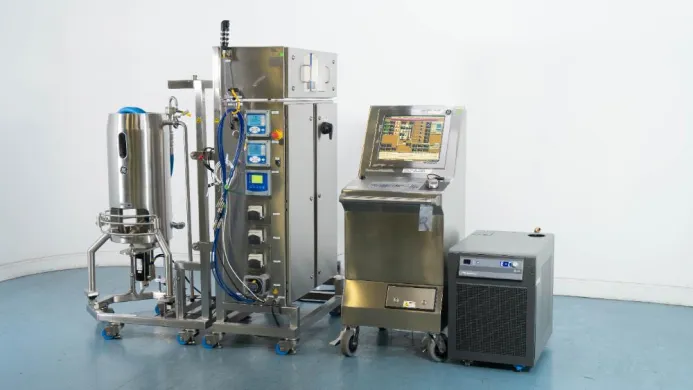
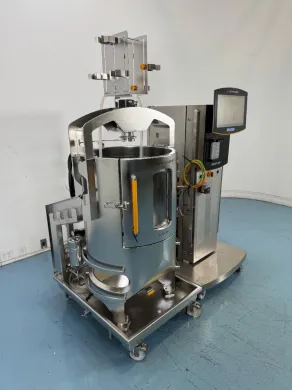
Fermenters and bioreactors are vessels that hold a controlled environment in which living cells, microorganisms or enzymes carry out a biological reaction at a defined temperature, pH and dissolved-oxygen level. Fermenters are the term more often used for microbial culture, bioreactors for mammalian and cell culture work, though the two names overlap in practice. On Questpair, 732 listings are held across 17 verified suppliers and distributors in 8 countries, with new, used and refurbished units all represented. 98 percent of the listings are used. Prices range from EUR 25 to EUR 516.534, a spread that separates a single probe from a complete production-scale bioreactor system.
Updated:
Fermenters / bioreactors product list


Not the exact instrument you need?
Tell our scientists what you are after. We track it down, including off-market supply.
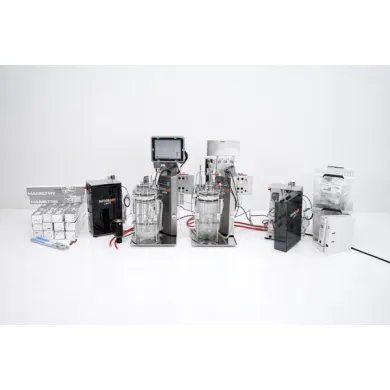
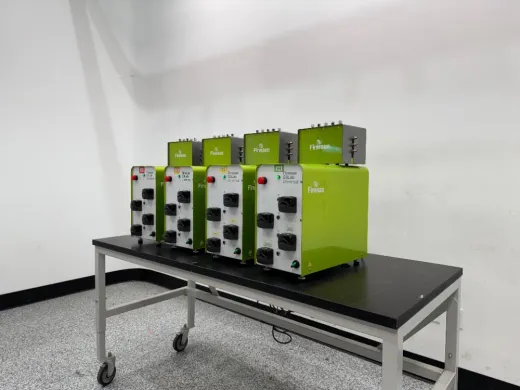
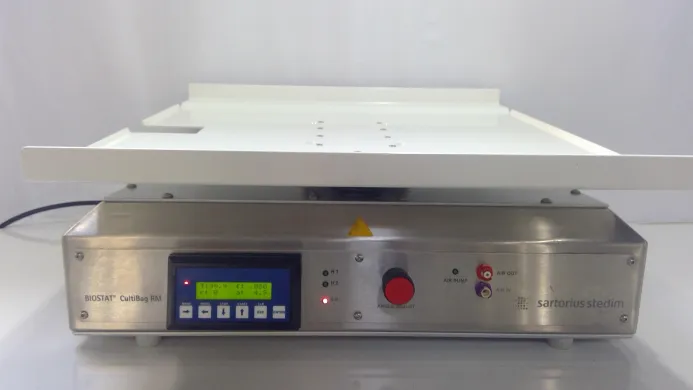
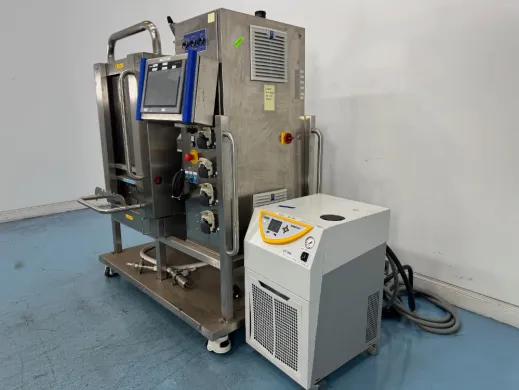
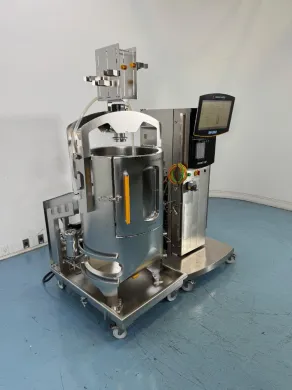
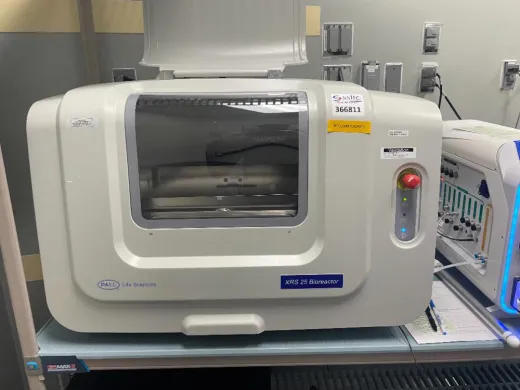
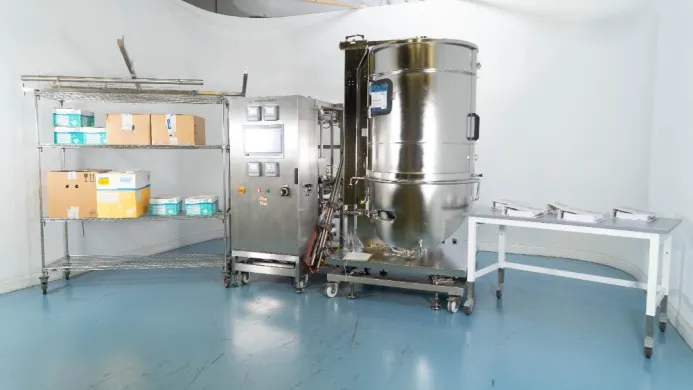
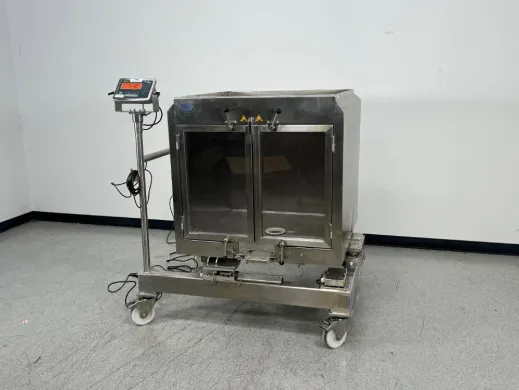
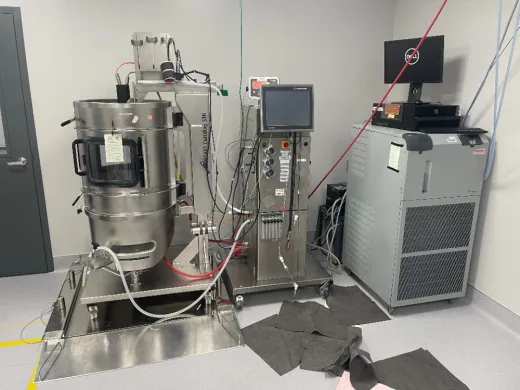
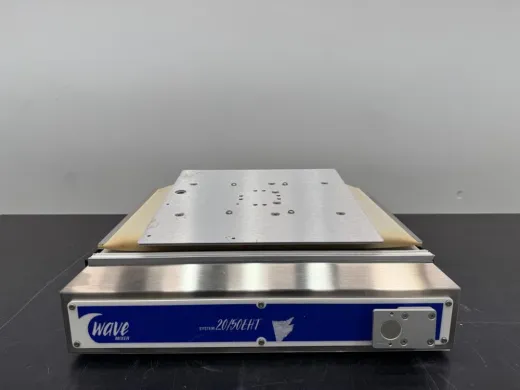
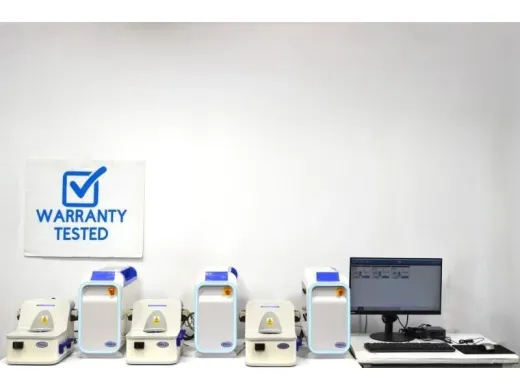
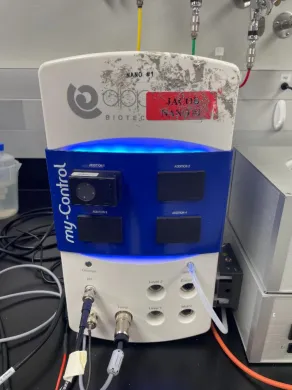
Not the exact instrument you need?
Tell our scientists what you are after. We track it down, including off-market supply.
Showing 1–40 of 474 listings
Show 40 more listingsBuying guide
Working volume settles most bioreactor purchases before any other specification is weighed, because it fixes both the scale of experiment the vessel supports and the footprint it demands. A benchtop unit of a few litres suits strain screening and early process development; a single pilot run at fifty litres or more belongs to scale-up and needs floor space, utility connections and a different class of control hardware. Reading a listing starts with this figure and the ratio between minimum and maximum working volume, since a vessel that cannot be run partly filled limits how early in a process it can be used.
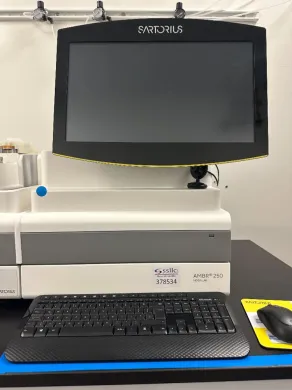
The control system is the second thing to resolve, and on a used bioreactor it is where value and risk both sit. A vessel is inert steel or glass; the controller, the probes and the pumps are what age. Verify that the dissolved-oxygen and pH probes are present, that their fittings match the headplate, and that the control unit still communicates with its software, because a replacement DO probe and a recalibration are routine while an orphaned controller with no driver support is not. For single-use systems the question shifts to the bag format and whether consumables for that specific vessel are still manufactured, as the hardware is worthless without a supply of compatible bags.
Sterilisation method follows from the vessel type and shapes the laboratory around it. Autoclavable benchtop vessels are self-contained; sterilise-in-place systems need a steam supply and plumbing that a benchtop lab may not have. Confirm which the listing is before assuming it drops into an existing bench.
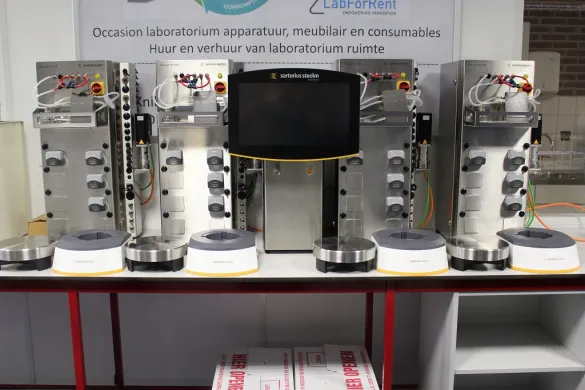
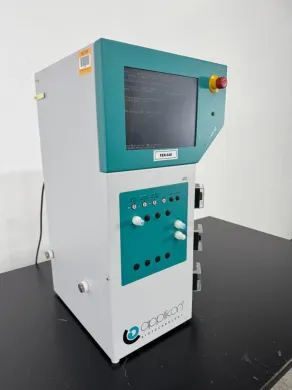
Price on Questpair reflects that range of scale and completeness. What a single-use benchtop unit costs sits far below a stainless pilot system, and the average of EUR 18.781 says little on its own given how wide the band runs. For a buyer working to a fixed budget, the used and refurbished units listed here are more affordable than new equivalents, and condition rather than nameplate is usually what a lab-bioreactor budget turns on. Among the brands on offer, Sartorius, Eppendorf, Pall, Applikon, PBS Biotech account for most of what is listed for sale, which matters because parts and probe compatibility are easier to confirm for a widely held platform than for an orphaned one.
Types of Fermenters / bioreactors
Which bioreactor types are listed on Questpair?
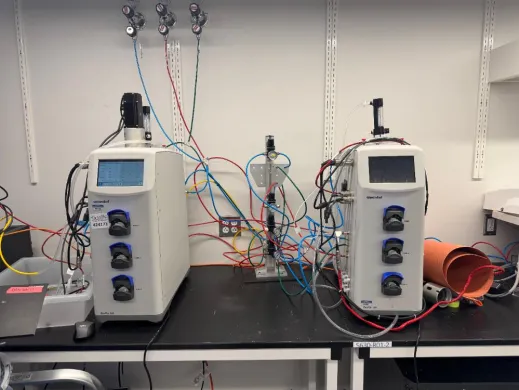
Among the listings that specify a type, the most common are cell culture bioreactor, single-use bioreactor, bioprocessing equipment, benchtop bioreactor, bioprocess control system, laboratory bioreactor. Cell culture bioreactors are built for mammalian and insect cells, with gentle agitation and tight dissolved-oxygen control because the cells are shear-sensitive; they are the standard tool for cell culture in upstream bioprocessing. Single-use bioreactors replace the stainless vessel with a pre-sterilised bag, removing cleaning validation between batches, which is why they dominate flexible biomanufacturing and multi-product facilities. Benchtop and laboratory bioreactors are the small-scale development vessels where a strain or a process is first characterised, the workhorses of process development in molecular biology and synthetic biology laboratories. Bioprocessing equipment and bioprocess control systems cover the pumps, probes, controllers and software that turn a bare vessel into an instrument, and these are also used for automating fed-batch and perfusion runs.
The biological work these vessels do spans the life sciences. A cell culture bioreactor is the platform for monoclonal antibody production and for protein purification feedstock, so a search for a mammalian cell bioreactor for antibody production lands on this class. Single-use benchtop bioreactors are reached for in cell therapy and gene editing workflows where cross-contamination between products must be designed out. Microbial fermenters, listed under the broader bioprocessing heading, carry recombinant protein expression and the synthetic biology strain work behind biomanufacturing. Smaller laboratory bioreactors feed into genomics and proteomics pipelines by producing the cell mass those analyses consume.
The brands behind the bioreactor listings
The platforms most often listed are Sartorius, Eppendorf, Pall, Applikon, PBS Biotech. A buyer gains two things from a widely held brand: probes, headplates and controller spares are easier to source, and a model can be compared against other listings of the same line rather than judged alone. Sartorius and Eppendorf are the benchtop and development-scale names a buyer will meet most, Pall and Applikon appear across single-use and automated systems, and PBS Biotech brings its own vessel geometry. Matching a probe or a consumable is simpler on these than on an orphaned platform, and that parts question is often what decides a used purchase.
What a used bioreactor costs here
New, used and refurbished units are all listed, and 98 percent of the listings are used. Prices range from EUR 25 to EUR 516.534. That spread covers everything from a single replacement probe to a complete pilot-scale bioprocessing line, which is why the range is wide rather than a defect in the data.
Frequently asked questions
What is a fermenter or bioreactor?
It is a vessel that holds a controlled environment where living cells, microorganisms or enzymes carry out a biological reaction at a defined temperature, pH and dissolved-oxygen level. The term fermenter is used more often for microbial culture, bioreactor for mammalian and cell culture work, though the two overlap in practice.
What does fermenter versus bioreactor mean in practice?
The distinction is one of application rather than fundamentally different hardware. A fermenter typically runs bacterial or yeast cultures that tolerate vigorous agitation, while a bioreactor is set up for shear-sensitive mammalian or insect cells that need gentler mixing and tighter oxygen control.
How do fermenters and bioreactors work?
The vessel keeps cells suspended in media while probes measure temperature, pH and dissolved oxygen, and a control unit adjusts heating, gas sparging, agitation and feed pumps to hold those parameters at set points. The biological reaction proceeds under that regulated environment for the length of the batch or run.
What types of bioreactors are listed on Questpair?
Among the listings that specify a type, the most common are cell culture bioreactors, single-use bioreactors, bioprocessing equipment, benchtop bioreactors, bioprocess control systems and laboratory bioreactors. Cell culture and single-use vessels handle upstream production, benchtop and laboratory units handle early development, and the control systems and equipment are the pumps, probes and software around a vessel.
What are fermenters and bioreactors used for?
They produce biological material: monoclonal antibodies, recombinant proteins, cell mass for genomics and proteomics, and feedstock for protein purification. Single-use benchtop units are reached for in cell therapy and gene editing work where cross-contamination between products must be designed out.
How do I choose a bioreactor?
Start with working volume, since it fixes the scale of experiment and the footprint, and check the ratio between minimum and maximum working volume so you know whether the vessel can be run partly filled. Then resolve the control system and probes, and confirm the sterilisation method matches your lab's utilities.
What is the difference between refurbished and used bioreactors?
A used unit is sold in its existing condition, while a refurbished unit has been inspected and brought back toward working order before listing. For both, verify that probes are present, that fittings match the headplate, and that the controller still communicates with its software.
How much does a bioreactor cost?
Listings on Questpair range from EUR 25 to EUR 516.534, with an average of EUR 18.781. That spread covers everything from a single replacement probe to a complete pilot-scale bioprocessing line, so the average means little without the working volume and completeness attached to it.
Which bioreactor brands are worth looking at?
The platforms most often listed are Sartorius, Eppendorf, Pall, Applikon and PBS Biotech. Sartorius and Eppendorf are the benchtop and development-scale names, Pall and Applikon appear across single-use and automated systems, and PBS Biotech brings its own vessel geometry.
Can I get a warranty on a refurbished bioreactor?
A warranty is often possible and is arranged in consultation for the specific listing. Because terms are set per listing rather than centrally, check the individual unit you are considering.
Are parts and probes available for these bioreactors?
Parts can be sourced via Questpair. Probe and consumable compatibility is easier to confirm on a widely held platform such as Sartorius, Eppendorf, Pall, Applikon or PBS Biotech than on an orphaned one, which is why parts availability often decides a used purchase.
How long does a bioreactor last?
The vessel itself is inert steel or glass and ages slowly, while the controller, probes and pumps are what wear. A dissolved-oxygen probe or a pH probe is a routine replacement, so lifespan on a used unit turns on whether the control hardware still has driver support and whether consumables for the format are still made.
Should I buy new or refurbished?
Used and refurbished units are listed at lower prices than new equivalents, and for bioreactors condition rather than nameplate is usually what the budget turns on. Where you have to weigh the two, check the specific listing and arrange any warranty in consultation.
Where can I buy a fermenter or bioreactor?
Questpair holds 732 listings across 17 verified suppliers and distributors in 8 countries, with new, used and refurbished units represented. 98 percent of the listings are used.
What is the lead time and shipping on a bioreactor?
Lead time and shipping depend on the individual listing, the supplier and whether the unit is a benchtop vessel or a pilot-scale system that needs crating and utility disconnection. For a specific timeframe, contact Questpair and specialists respond within an hour.
How are bioreactor probes calibrated and maintained?
Dissolved-oxygen and pH probes are calibrated before a run and recalibrated on a schedule, and a replacement probe plus a recalibration is a routine step when buying used. Questpair does not carry out servicing, but replacement probes and parts can be sourced through the platform.
Which bioreactor types are listed most, and who reaches for each?
Cell culture and single-use bioreactors are the production-scale tools reached for in upstream bioprocessing and multi-product biomanufacturing. Benchtop and laboratory bioreactors are the development vessels where a strain or process is first characterised, used by process development, molecular biology and synthetic biology labs.
Which brands dominate this category and what does that mean for a buyer?
Sartorius, Eppendorf, Pall, Applikon and PBS Biotech account for most of what is listed. A widely held brand gives a buyer two things: probes, headplates and controller spares are easier to source, and a model can be compared against other listings of the same line rather than judged alone.
What separates the bottom of the price range from the top here?
The bottom of the range is a single probe or a benchtop single-use vessel, while the top is a complete stainless pilot-scale system with its full control hardware. Working volume, completeness of the control system and whether consumables are still supplied are what move a listing across that band.