

General process equipment
We personally find you the right used, refurbished and new general process equipment from verified suppliers.
General process equipment is the class of machinery that moves, heats, filters, separates, measures and controls material streams in production and pilot-scale operations, standing between bench-scale laboratory apparatus and full industrial plant. The Questpair catalogue holds 8764 listings in this category from 21 verified suppliers and distributors across 21 countries, offered new, used and refurbished. Of those listings 83 percent are used, the remainder new, so second-hand stock dominates what is on offer. Prices span a wide field, from EUR 1 to EUR 731.756, reflecting everything from a single valve to a complete processing skid.
Updated:
General process equipment product list
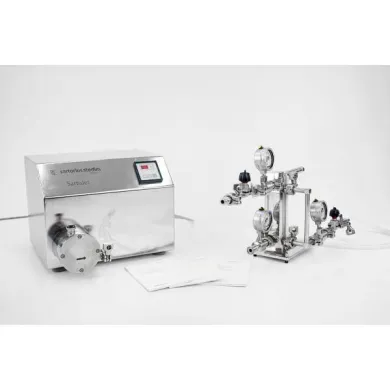
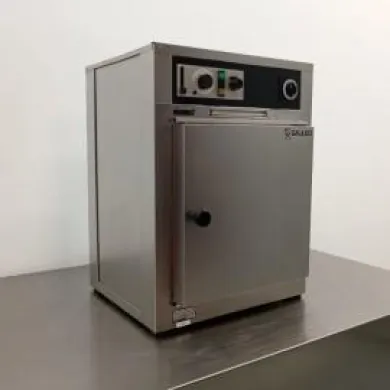
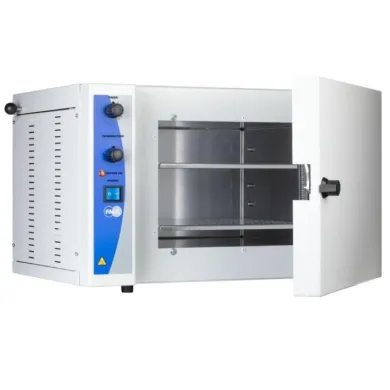
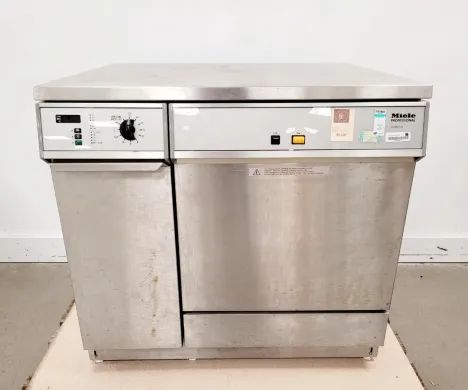


Not the exact instrument you need?
Tell our scientists what you are after. We track it down, including off-market supply.
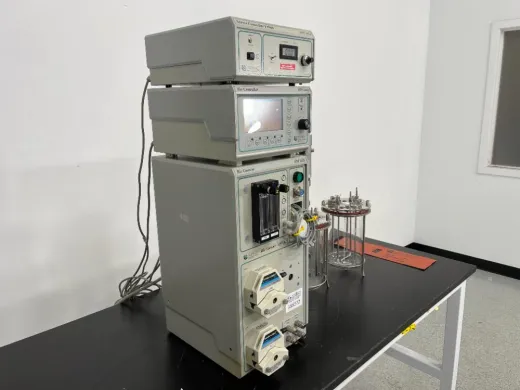
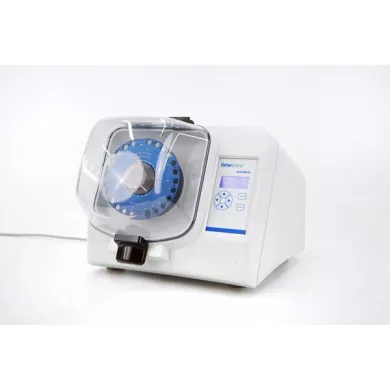
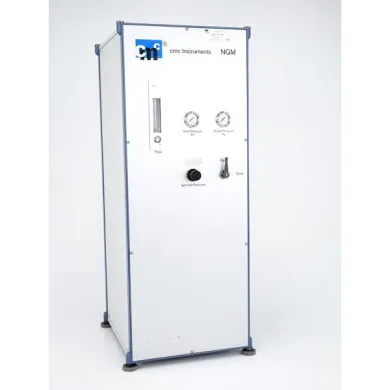
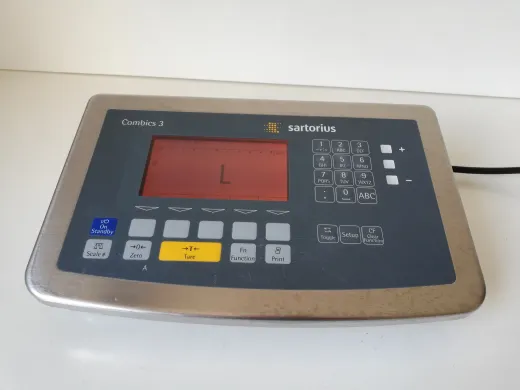
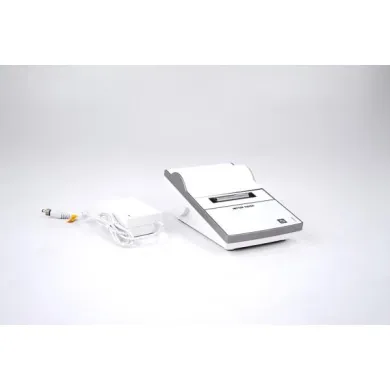
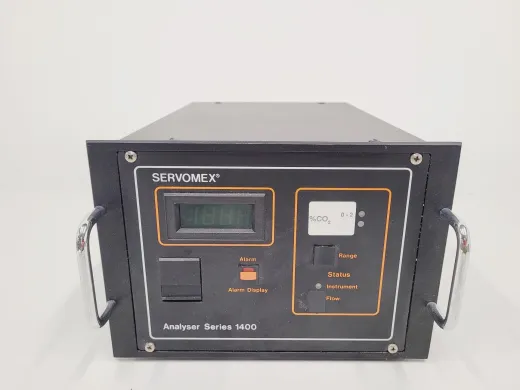
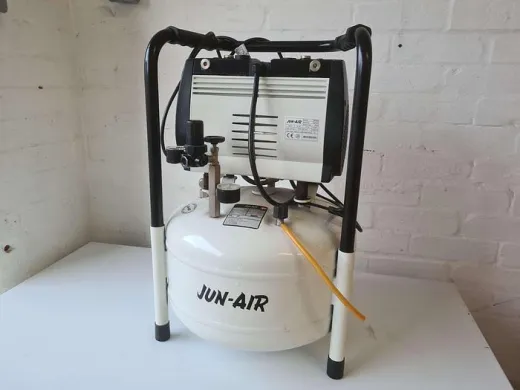
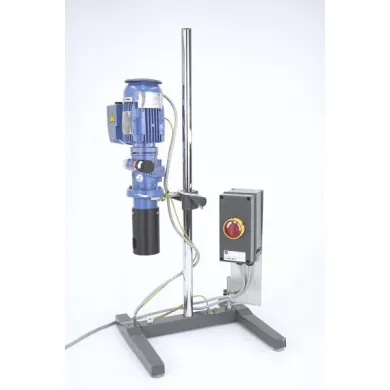
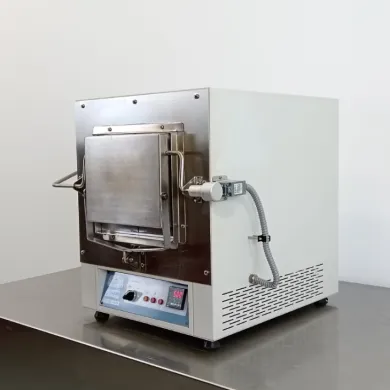
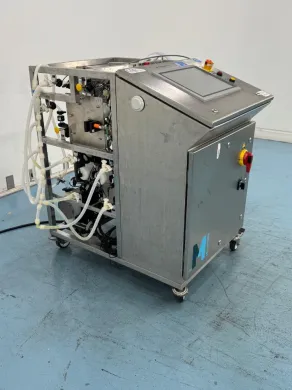
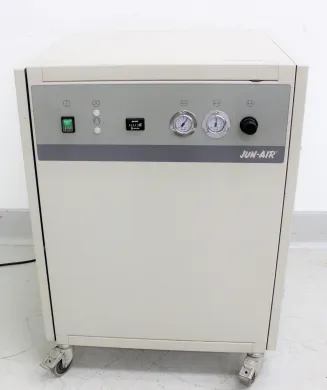
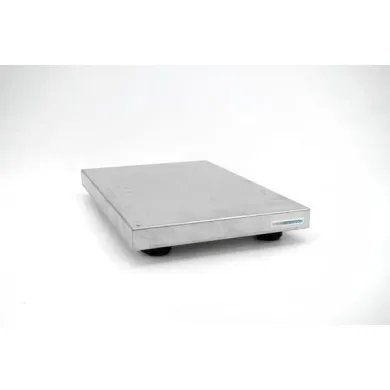
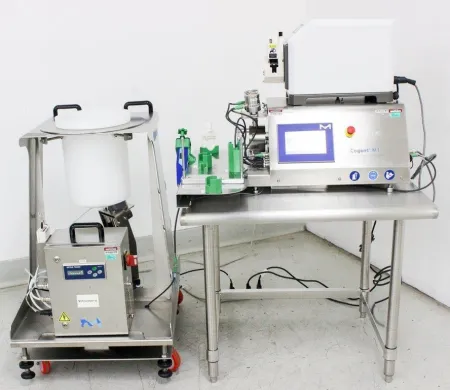
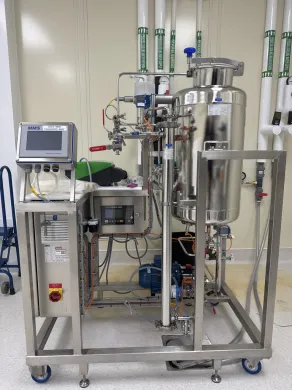
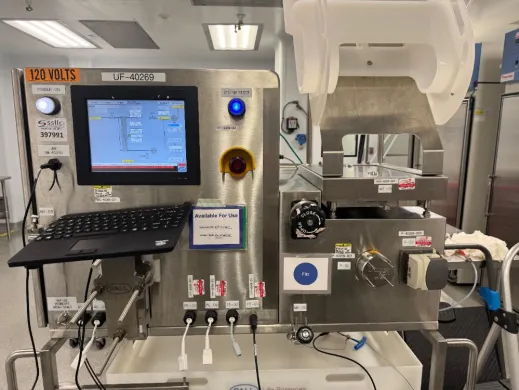
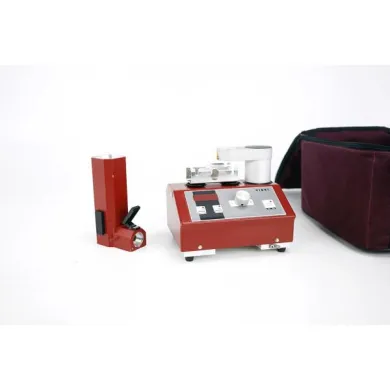
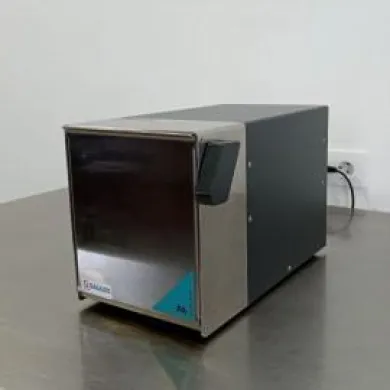
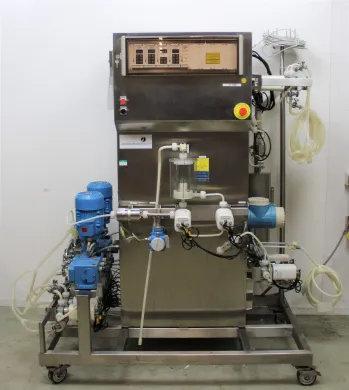
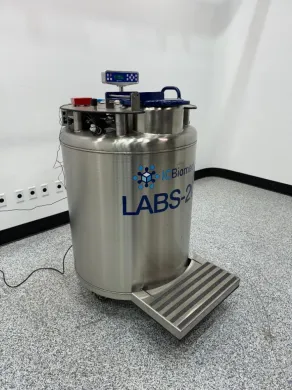

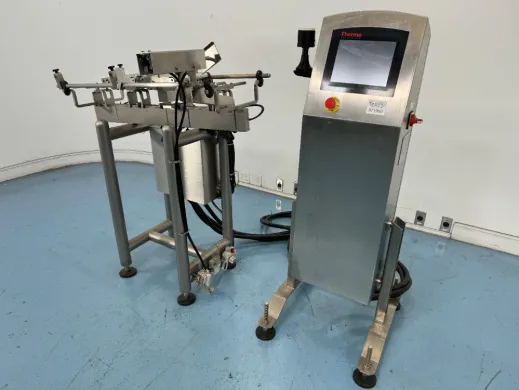
Not the exact instrument you need?
Tell our scientists what you are after. We track it down, including off-market supply.
Showing 1–40 of 5,524 listings
Show 40 more listingsBuying guide
The duty the equipment has to meet settles most of the decision before brand or price enters it, because this category spans pumps, ovens, filters, valves, analysers and controls, each with its own governing specification. For a pump it is flow rate against head and the chemical compatibility of the wetted parts; for an oven or furnace it is the temperature ceiling and the uniformity held across the chamber; for a filter it is the rated pore size and the throughput before the element loads. Fix that figure against the actual process stream first, including temperature, pressure and whether the medium is corrosive or abrasive, and the shortlist narrows on its own.
A used unit carries history that a datasheet does not, and process machinery accumulates wear in ways bench instruments do not. Ask what the equipment last ran, since a pump that handled slurry or a furnace that cycled hard will show it. Verify seals, bearings, heating elements and the condition of any wetted or load-bearing surface, and confirm that control electronics still communicate, as process controls and analysers age faster than the mechanical parts they sit on. Where calibration matters, on an analyser or a controller, treat an uncalibrated unit as needing recalibration before it goes into service rather than assuming the last reading still holds. Documentation is worth confirming at this stage; manuals can be requested through Questpair, where specialists respond within the hour.
What a given unit costs on this marketplace reflects the enormous range of what the category contains, and the price band here runs from EUR 1 to EUR 731.756. A single valve or a used sieve sits near the bottom; a complete sterilizer or a large furnace sits near the top; the average listing lands at EUR 5.864. Used and refurbished units are listed below the price of new, so a buyer working to a fixed budget will find the second-hand stock the more affordable route to a working line, with Radwag, Ohaus, Millipore, Various, Sartorius among the makers most represented. Where warranty matters on a particular unit, it is arranged in consultation for that listing rather than set across the catalogue, so the individual listing is the place to settle it.
Types of General process equipment
Process pumps
Process pumps move liquids, slurries and viscous media through a production line, and among the listings that specify a type they are the most numerous subtype here. The class divides by mechanism, centrifugal pumps for high flow at moderate head, positive-displacement pumps for precise dosing or for fluids too thick for a centrifugal design, and peristaltic pumps where the medium must stay sealed inside tubing. A buyer selects on flow rate, discharge head and the chemical compatibility of the wetted parts against the stream being pumped. In life sciences work these units run bioprocessing and biomanufacturing lines, where peristaltic and diaphragm designs handle cell culture harvest and protein purification streams without shearing the product or contaminating the batch. A pump rated for sterile fluid transfer is also used for buffer and media delivery in upstream processing.
Process ovens or furnaces
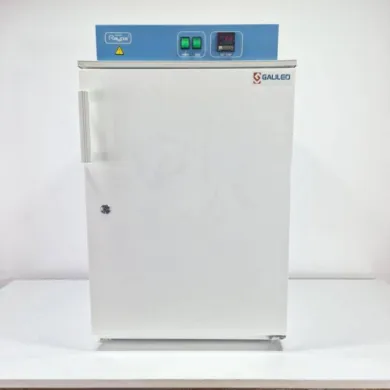
Process ovens and furnaces apply controlled heat to dry, cure, sinter or ash a material at scale, and they differ chiefly by their temperature ceiling and by how evenly that heat holds across the chamber. An oven covers the lower range for drying and curing; a furnace reaches the higher temperatures needed for ashing, calcination or heat treatment. The decisive figures are the maximum rated temperature and the uniformity the chamber maintains, since a process that depends on an even soak fails in a unit with hot and cold zones. Ovens for sample preparation also serve gravimetric work where a specimen must be dried to constant mass before weighing, and furnace ashing underpins compositional analysis in materials and food laboratories.
Process filters
Process filters remove particulate or separate phases from a stream in continuous operation, rated by pore size and by the throughput they sustain before the element loads and pressure drop climbs. The subtype spans cartridge filters, bag filters and plate-and-frame presses, each suited to a different solids loading and a different scale. Filtration selection turns on the rated retention, the volume to be processed and the compatibility of the medium with the stream. In biomanufacturing these units carry out sterile filtration and clarification, and membrane filters handle the downstream polishing of protein purification streams. A depth filter is also used for cell culture harvest clarification ahead of chromatography.
Process valves
Process valves direct, throttle or isolate flow within a line, and the subtype separates by function, on-off isolation valves, control valves that modulate flow against a signal, and check valves that permit flow in one direction only. The selection rests on line size, pressure and temperature rating, the actuation method and the compatibility of the body and seat material with the medium. A control valve paired with a positioner delivers the modulation a regulated process needs, while a sanitary diaphragm valve suits streams that must stay clean. In bioprocessing, sanitary valves route media and buffer through cell culture and fermentation systems where cleanability and the absence of dead legs matter to sterility.
Process analysers
Process analysers measure a property of the stream in line, pH, conductivity, dissolved oxygen, turbidity or a specific chemical concentration, and feed that reading to the control system or an operator. They differ by the parameter measured and by whether they sample continuously or at intervals, and selection follows the variable that governs the process and the accuracy it demands. These instruments underpin molecular diagnostics and bioprocessing, where in-line dissolved oxygen and pH analysers hold a fermentation or cell culture at setpoint. An in-line analyser configured for cell culture monitoring is also used for metabolite tracking during upstream processing, keeping genomics and proteomics production runs within specification.
Process controls
Process controls are the controllers, programmable logic and signal-handling hardware that read the analysers and drive the pumps, valves and heaters toward a setpoint. The subtype ranges from single-loop controllers to full programmable logic systems, and a buyer selects on the number of loops, the input and output types required and the communication protocol the existing plant speaks. Because this hardware ages faster than the mechanical equipment it governs, confirming that a used controller still communicates is part of any purchase. In biomanufacturing these systems automate the sequencing of a bioprocessing run, coordinating the valves, pumps and analysers that a cell culture or biomanufacturing line depends on.
Process screens or sieves
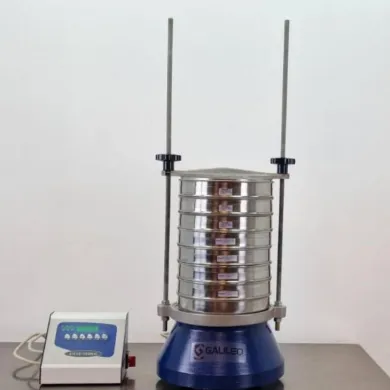
Process screens and sieves separate a bulk material by particle size, grading, dewatering or scalping a stream in continuous operation. They divide by motion, vibrating screens, rotary tumbler screens and static sieve beds, and by the mesh or aperture that sets the cut point. Selection turns on the required particle cut, the throughput and the nature of the material, whether dry powder, wet slurry or granulate. In pharmaceutical and life sciences production these units handle sample preparation and formulation, sizing powders and granules ahead of blending or compression. A sieve configured for sterile powder handling is also used for grading excipients in biomanufacturing.
Industrial sterilizers
Industrial sterilizers render a load free of viable organisms at production scale, most commonly by saturated steam under pressure in an autoclave, and they differ by chamber volume, by the cycle types the control supports and by whether they load from one side or pass through a barrier. A buyer selects on load size, the cycle validation the application requires and the throughput the operation needs. These units are central to microbiology and biomanufacturing, sterilizing media, equipment and waste streams so that a cell culture or fermentation process starts from a clean state. A pass-through autoclave serving a cleanroom barrier is also used for sterilising consumables entering sterile fill-finish operations. Both the American spelling sterilizer and the British steriliser appear across these listings.
Frequently asked questions
What is general process equipment?
It is the class of machinery that moves, heats, filters, separates, measures and controls material streams in production and pilot-scale work. It sits between bench-scale laboratory apparatus and full industrial plant.
What does general process equipment mean?
The term groups the functional hardware of a processing line rather than one machine type. In practice it covers pumps, ovens, furnaces, filters, valves, analysers, controls, screens and sterilizers that act on a flowing or batched material stream.
How does general process equipment work?
Each subtype acts on a material stream in its own way: a pump imparts flow, an oven or furnace applies controlled heat, a filter retains particulate, a valve directs or throttles flow, and an analyser measures a stream property that a controller then uses to drive the mechanical units toward a setpoint. In an integrated line these parts operate together under the process controls.
What types are there?
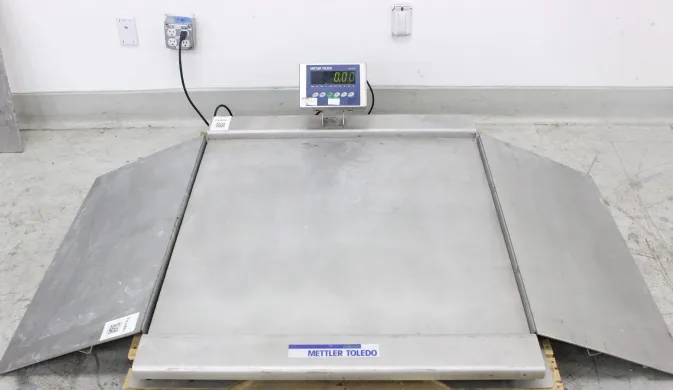
The main subtypes here are process pumps, process ovens and furnaces, process filters, process valves, process analysers, process controls, process screens and sieves, and industrial sterilizers. The listed types include industrial scales, bioprocessing equipment, peristaltic pumps, precision balances and hazardous area equipment.
What is general process equipment used for?
It runs production and pilot-scale operations where material has to be moved, heated, filtered, separated, measured or controlled. Common settings include bioprocessing and biomanufacturing lines, materials and food laboratories, and pharmaceutical formulation and fill-finish work.
How do I choose the right unit?
Start from the duty and the governing specification for that subtype: flow against head and wetted-part compatibility for a pump, temperature ceiling and chamber uniformity for an oven or furnace, rated pore size and throughput for a filter. Fix that figure against your actual stream, including temperature, pressure and whether the medium is corrosive or abrasive, and the shortlist narrows.
Refurbished versus used, what is the difference?
Used describes a unit sold in its current condition, while refurbished indicates work has been done to return it toward working order. For either, verify seals, bearings, heating elements and wetted or load-bearing surfaces, and confirm that any control electronics still communicate before service.
How much does general process equipment cost?
Prices in this category range from EUR 1 to EUR 731.756, with the average listing at EUR 5.864. A single valve or a used sieve sits near the bottom, while a complete sterilizer or a large furnace sits near the top.
Which brands are available?
Brands represented in this category include Radwag, Ohaus, Millipore and Sartorius, alongside listings grouped under Various. The spread reflects the range of subtypes the category covers rather than a single product line.
Is there a warranty on refurbished units?
A warranty is often possible and is arranged in consultation for the specific listing rather than set across the catalogue. Check the individual listing to settle the terms for that unit.
Can I get spare parts?
Parts can be sourced via Questpair. For wear items on process machinery, such as seals, bearings and heating elements, confirm availability against the specific model before you commit.
How long does general process equipment last?
Mechanical units such as pumps, valves and furnaces can run for many years, though lifespan depends heavily on duty, since a pump that handled slurry or a furnace that cycled hard wears faster. Control electronics and analysers age faster than the mechanical parts they sit on, so they often set the practical limit on a used system.
New or refurbished, which should I buy?
Used and refurbished units are listed at lower prices than new, so a fixed budget stretches further with second-hand stock. Where warranty matters to the decision, it is arranged in consultation for the specific listing, so compare the individual listings rather than assuming a category-wide difference beyond price.
Where can I buy general process equipment?
The Questpair catalogue holds 8764 listings in this category from 21 verified suppliers and distributors across 21 countries. Units are offered new, used and refurbished.
What is the lead time and shipping?
Lead time and shipping depend on the individual listing, the supplier and whether the unit is in stock or built to order. The listing is the place to confirm both for the specific item.
What about calibration and maintenance?
Where calibration matters, as on an analyser or a controller, treat an uncalibrated unit as needing recalibration before it goes into service rather than assuming the last reading still holds. Questpair does not carry out servicing, but manuals and documentation can be requested through Questpair, where specialists respond within the hour.
Which subtypes are listed most, and who reaches for which?
Among listings that specify a type, process pumps are the most numerous subtype, and listed types include industrial scales, bioprocessing equipment, peristaltic pumps, precision balances and hazardous area equipment. Life sciences buyers reach for peristaltic and diaphragm pumps, sanitary valves and in-line analysers for cell culture and fermentation, while materials and food laboratories reach for furnaces for ashing and screens for sizing.
Which brands dominate this category, and what does that mean for a buyer?
Radwag, Ohaus and Sartorius appear often on the weighing and precision balance side, Millipore on the filtration and bioprocessing side, with many listings grouped under Various. For a buyer this means the brand to shortlist depends on the subtype you need rather than one name covering the whole category, so sort by duty first and brand second.
What separates the bottom of the price band from the top?
The bottom holds single components and smaller used units, such as a valve or a sieve, while the top holds complete systems like a full sterilizer or a large furnace. Scale, whether the item is a part or a working line, and condition as new versus used together explain the span from EUR 1 to EUR 731.756.