

Process valves
We personally find you the right used, refurbished and new process valves instruments & equipment from verified suppliers.
Process valves are mechanical components that direct, meter, or isolate the flow of liquids and gases within analytical and process systems. In laboratory instrumentation they switch between solvent streams, inject samples onto a column, and hold pressure in high-performance liquid chromatography and related techniques. On Questpair, new, used and refurbished process valves are listed across 335 items from 12 verified suppliers and distributors in 7 countries. Of those listings, 91 percent are used. Prices run from EUR 1 to EUR 43.044, which places bare replacement rotors at one end and complete high-pressure switching assemblies at the other. The range reflects how far this class of component spans, from a single seal to a full valve head.
Updated:
Process valves product list


Not the exact instrument you need?
Tell our scientists what you are after. We track it down, including off-market supply.
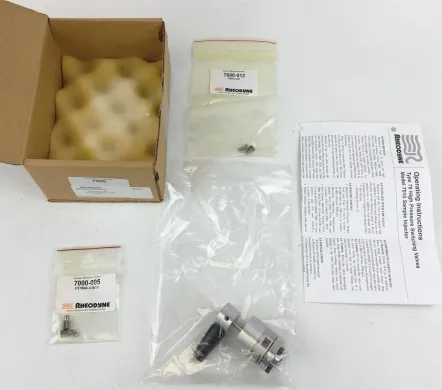
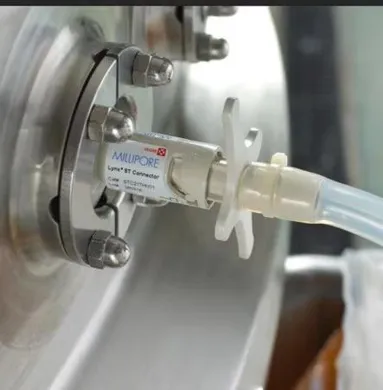
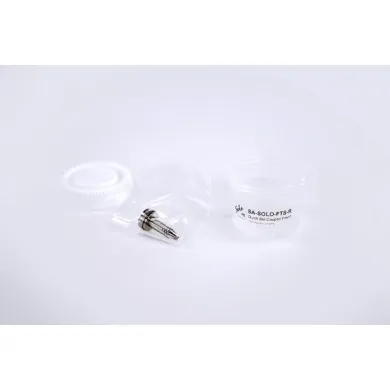
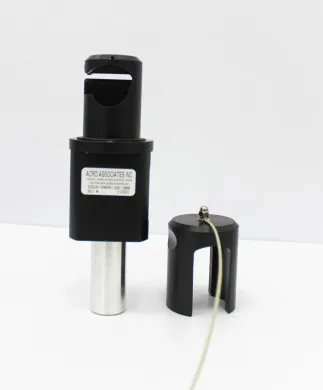
SA-SOLO-FTS-R SoloVPE Quick Set Coupler Insert
- Category
- Process columns
- Suppliers
- 1 verified
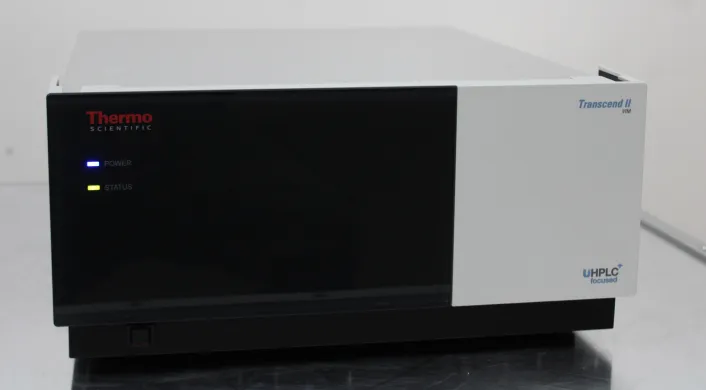
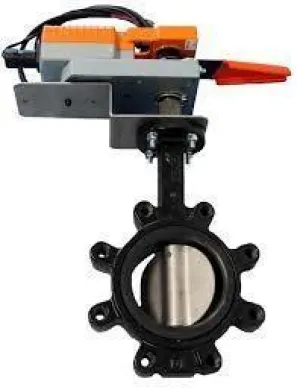
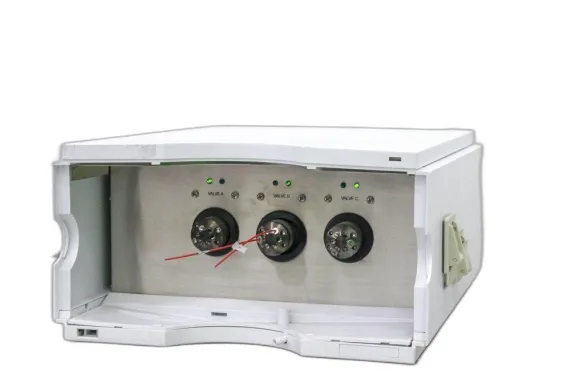
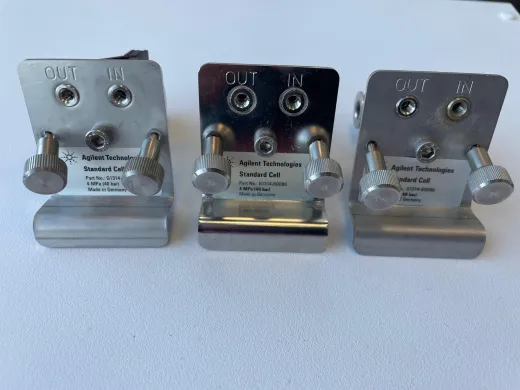
Not the exact instrument you need?
Tell our scientists what you are after. We track it down, including off-market supply.
Showing 1–40 of 240 listings
Show 40 more listingsBuying guide
What settles a process valve purchase before anything else is the pressure it has to hold. A shear valve on a conventional liquid chromatograph works at a few hundred bar, while an ultra-high pressure valve for UHPLC is built to stay sealed well above a thousand. Buy below the system rating and the seal fails under load; buy far above it and pay for material and machining the method never uses. The pressure figure on the valve body, not the catalogue line, is the number to match against the pump and the column.
Wetted materials follow directly from that. A stainless steel valve suits most reversed-phase and aqueous work, but samples carrying chloride, strong acid, or biological buffers corrode steel over time, and a biocompatible or ceramic internal path is what keeps a fluid control valve intact. Check which parts actually touch the stream, the rotor seal and the stator face, because a valve described as stainless may still carry a polymer seal that sets its own chemical limits.
On a used unit the seal and stator are the whole question. A chromatography valve wears at the sealing face with every switch, and a leak there shows as pressure drift or carryover rather than as visible damage. Ask whether the rotor seal has been replaced, how many injection cycles the head has seen, and whether the valve was pressure-tested after its last service. A low purchase figure on a worn head is often a seal kit and an afternoon away from a working part, which is worth knowing before the quote, not after.
Where the price sits depends on what the listing includes. A single flow control valve or a replacement seal can cost very little, while a complete high-pressure switching valve with actuator runs toward the upper figure. Used and refurbished valves are listed below new, which matters most on the assemblies at the top of the range, where the saving is largest in absolute terms. For a buyer on a fixed budget the practical move is to separate the valve bodies that are expensive and the seals that are cheap, and decide which of the two the application actually needs replaced. Plenty of valves listed for sale here are complete heads that only want a fresh seal to return to service, which keeps an affordable option open even on the high-pressure end.
Types of Process valves
Which process valve types are listed here?
Among the listings that specify a type, the most common are shear valves, ultra-high pressure valves, fluid control valves, chromatography valves, stainless steel valves and flow control valves. A shear valve switches flow by rotating two sealing faces against each other, the standard injection and column-switching mechanism in analytical liquid chromatography. An ultra-high pressure valve is the same idea built for UHPLC, with faces and seals rated far higher so the path stays tight at the pressures sub-two-micron columns demand. A fluid control valve is the broader metering and isolation type that regulates a stream rather than injecting onto a column, and a flow control valve sits alongside it where the job is throttling rather than switching. A stainless steel valve names the wetted material rather than the function, and buyers reach for it where the mobile phase is compatible and durability matters more than chemical breadth.
Chromatography valves are the ones embedded in life-sciences work. They inject and switch samples in protein purification, where a buffer stream is swapped to elute a bound target, and they handle the mobile phases behind proteomics and metabolomics separations. A valve of this kind is the component a buyer means when searching for an HPLC injection valve for protein purification or a switching valve for chromatography, because the whole method depends on the valve placing the sample on the column cleanly and repeatably. The same hardware carries buffers in the analytical steps that support molecular biology and immunoassay development, so a valve bought for one field often serves another.
The brands behind the process valve listings
The listings here are led by Rheodyne, Steel, Shimadzu, Agilent, Various. Rheodyne is the reference name in chromatography injection and switching valves, which means parts, rotor seals, and replacement stators are straightforward to source and a model is easy to compare against its successors. Shimadzu and Agilent valves arrive as part of their instrument platforms, so a buyer matching a valve to an existing system can check compatibility by instrument line rather than by guesswork. Listings under Steel or Various tend to be generic or unbranded bodies, usually cheaper, where the trade is a lower price for less documentation on pressure rating and seal history.
What a used process valve costs here
Of the valves listed, 91 percent are used, and prices span from EUR 1 to EUR 43.044. That spread covers everything from a single seal or a bare flow control valve at the bottom to a complete high-pressure switching assembly with actuator at the top. Used and refurbished units sit below new across the range, which is where the saving is largest on the costly assemblies.
Frequently asked questions
What is a process valve?
A process valve is a mechanical device that starts, stops, or regulates the flow of a liquid or gas through a fluidic system. In laboratory instrumentation they control pressure, direction, and volume within chromatography and fluid handling systems.
What does process valve mean in a lab context?
In a laboratory, the term usually refers to a valve inside an analytical or fluid handling instrument rather than a large industrial pipeline valve. A shear or injection valve switching a sample stream between paths inside a chromatography system is the typical example.
How do process valves work?
A switching valve such as a shear valve rotates a rotor face against a stator to redirect flow between ports, while a regulating valve opens or closes an orifice to meter a stream. The first type changes the path of flow, the second controls its volume or rate.
What types of process valves are there?
The catalogue includes shear valves, ultra-high pressure valves, fluid control valves, chromatography valves, stainless steel valves, and flow control valves. Switching types redirect flow between ports, regulating types meter the stream, and material-specified types like stainless steel resist corrosion.
What are process valves used for?
They route and regulate fluids in chromatography and liquid handling, which carries them through protein purification, immunoassay sampling, genomics prep, cell culture feeds, and bioprocessing loops. A single valve type can serve sample injection in one setup and reagent metering in another.
How do I choose the right process valve?
Match the valve to its function first: a switching task calls for a shear or injection valve, a metering task for a flow or fluid control valve. Then confirm the pressure rating for your system, the wetted material against your solvents, and port and fitting compatibility with the instrument it serves.
What is the difference between a refurbished and a used process valve?
A used valve is sold in its existing condition, while a refurbished unit has been reconditioned before resale. The exact work done on a refurbished valve varies by listing, so check the individual listing for what was inspected or replaced.
How much does a process valve cost?
Prices in this category range from EUR 1 to EUR 43.044, with the average near EUR 1.300. The low end covers a single valve body or seal kit, the high end a complete high-pressure switching assembly.
Which brands make the process valves listed here?
The listings concentrate around Rheodyne, Shimadzu, Agilent, plus generic entries labelled Steel and Various. Rheodyne is common for switching and injection valves, while Shimadzu and Agilent valves tend to match specific instrument families.
Is a warranty available on a refurbished process valve?
A warranty is sometimes possible and is arranged in consultation for the specific listing. Check the listing or ask about the individual unit before purchase.
Can I get replacement parts like seals and rotors?
Parts for a given valve can be sourced via Questpair. Shear and injection valves in particular consume rotor seals and stators over their service life, so these are common replacement items.
How long does a process valve last?
Lifespan depends on cycle count, pressure, and the aggressiveness of the fluids run through it. Switching valves wear at the rotor seal and stator contact, which is why those are serviceable parts rather than the valve being discarded whole.
Should I buy new or used?
Used and refurbished units are listed at lower prices than new, and this category is weighted heavily toward pre-owned stock, so a budget buyer will find more affordable options among used valves. Warranty on any individual unit is arranged in consultation, so compare on the specific listing rather than assuming terms by condition.
Where can I buy a process valve?
The Questpair catalogue lists 335 process valves from 12 verified suppliers and distributors across 7 countries. New, used, and refurbished units all appear.
What is the lead time and shipping on a process valve?
Lead time and shipping depend on the individual supplier and the valve's location among the 7 countries represented. The specific listing shows the seller, from which dispatch timing can be confirmed.
How are process valves calibrated and maintained?
Switching valves need periodic replacement of rotor seals and stators as they wear, and flow control valves need checking against their expected metering rate. Questpair does not perform servicing, but replacement parts for maintenance can be sourced through the catalogue.
Which valve types are listed most and who reaches for each?
Shear valves and ultra-high pressure valves lead the listings. Shear valves are used for chromatography sample injection because they hold up under repeated high-pressure cycling, while ultra-high pressure valves are for UHPLC systems where back pressures reach into the hundreds of bar.
Which brands dominate this category and what does that mean for a buyer?
Rheodyne has a strong presence, which means its switching and injection valves interchange across many chromatography instruments, so a replacement or comparable model is usually straightforward to find. Shimadzu and Agilent valves match specific instrument families, narrowing compatibility but making a model easy to identify against the unit it replaces, while Steel and Various cover generic parts where the specification decides the fit.
What separates the cheapest process valves here from the most expensive?
The low end of the band is a single component, a valve body or a seal kit, while the high end is a complete high-pressure switching assembly. Pressure rating, port configuration, and whether the item is a bare part or a full assembly account for most of the spread between EUR 1 and EUR 43.044.