

Process tanks / kettles
We personally find you the right used, refurbished and new process tanks / kettles instruments & equipment from verified suppliers.
Process tanks and kettles are closed vessels used to hold, mix, heat, or react liquids and slurries during laboratory and pilot-scale production. They are built in stainless steel or single-use polymer and sized from bench volumes to several hundred litres, with jacketed walls, agitators, and sanitary fittings that match the process they serve. The Questpair catalogue holds 589 of these listings from 13 verified suppliers and distributors across 9 countries, offered new, used, and refurbished. Among the current listings, 98 percent are used. Prices run from EUR 22 to EUR 129.133, which places a bare laboratory vessel and a fully jacketed reactor at opposite ends of the same category.
Updated:
Process tanks / kettles product list
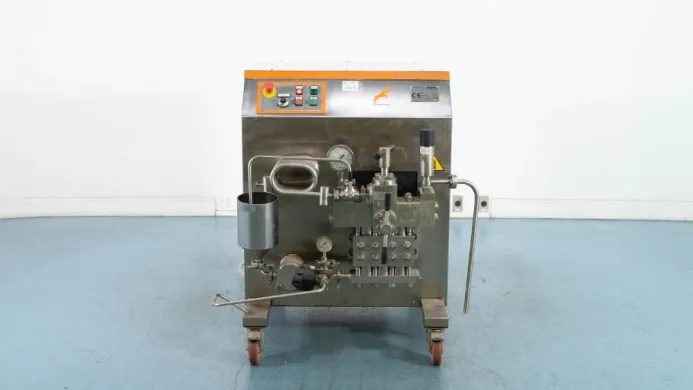
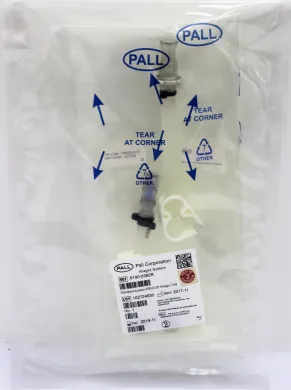
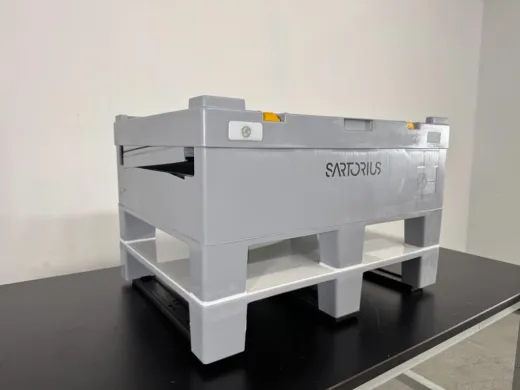
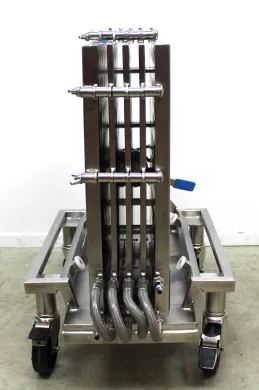


Not the exact instrument you need?
Tell our scientists what you are after. We track it down, including off-market supply.
Not the exact instrument you need?
Tell our scientists what you are after. We track it down, including off-market supply.
Showing 1–40 of 354 listings
Show 40 more listingsBuying guide
The volume and pressure rating settle a process tank before any other specification, because they fix what the vessel can legally and physically do. A tank rated for atmospheric service cannot be used for a reaction that generates pressure, and an oversized vessel wastes jacket heating on dead space while an undersized one forces a batch split. Work from the working volume rather than the nominal capacity, since agitator clearance and headspace reduce the usable figure, and confirm the design pressure and temperature against the process the tank will run.
Material and surface finish come next, and here the field splits. A stainless steel reactor for chemical service is chosen on alloy grade and corrosion resistance, where 316L handles most aqueous and mildly acidic media and higher alloys are needed for halides. A vessel for cell culture or fermentation is chosen on surface finish and cleanability, where an electropolished interior and sanitary clamp connections decide whether the vessel can be validated. Single-use bioprocessing containers sidestep cleaning entirely and are chosen on film compatibility and port configuration instead.
On a used tank, the jacket and the welds are what a buyer verifies, because neither is visible from a datasheet. Ask for the pressure test record on both the vessel and the jacket, and check the interior for pitting around weld seams and agitator seals, which is where a vessel that saw aggressive media fails first. Agitator bearings, mechanical seals, and any instrumentation ports should be confirmed as present and serviceable, since replacing a seal on a sanitary vessel can approach the cost of the tank.
The price band is wide. A small atmospheric vessel costs little, while a jacketed, instrumented reactor sits near the top of the range, and refurbished units listed for sale are more affordable than new equipment of the same specification. What fits a budget depends on whether the process needs pressure rating and validation or only containment, so match the vessel to the process before comparing prices across the band. Prices run from EUR 22 to EUR 129.133, with an average around EUR 6.550. The brands occupying the upper band, Glatt, Various, Pall, Sartorius, Millipore, carry the jacketed and single-use systems built for regulated bioprocessing work.
Types of Process tanks / kettles
Which process tank and kettle types are listed?
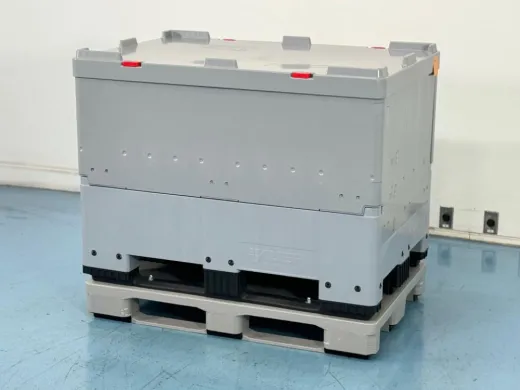
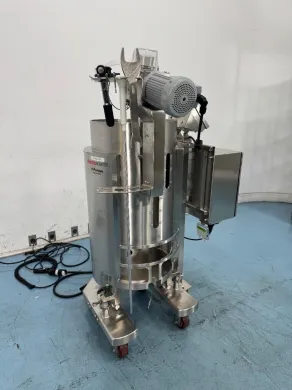
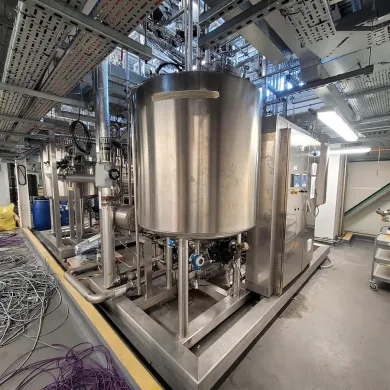
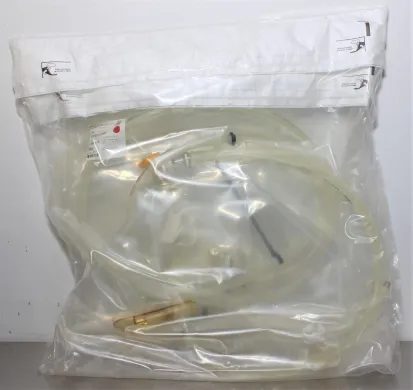
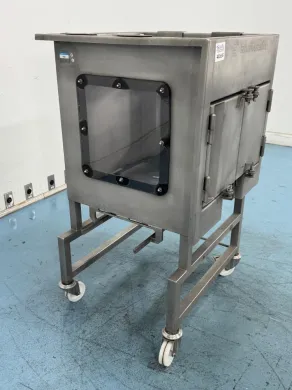
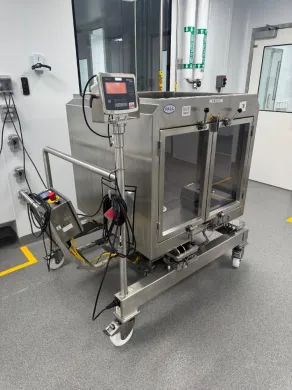
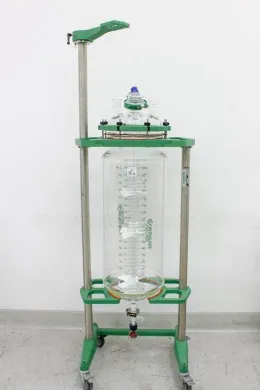
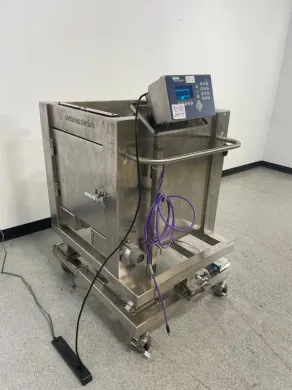
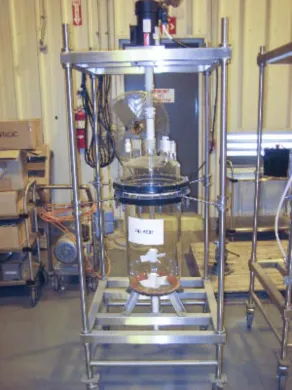
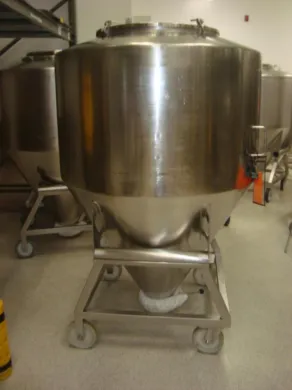
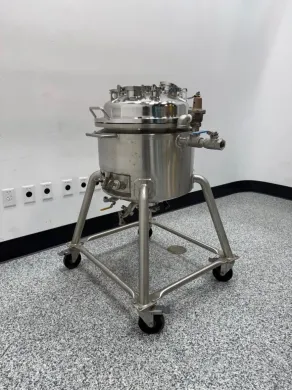
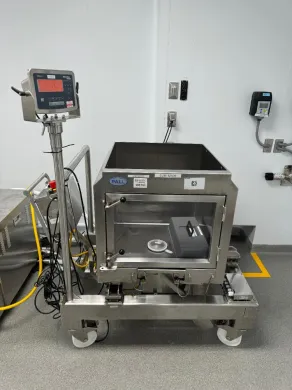
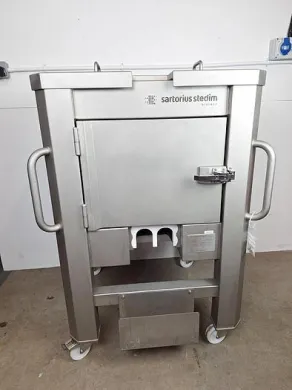
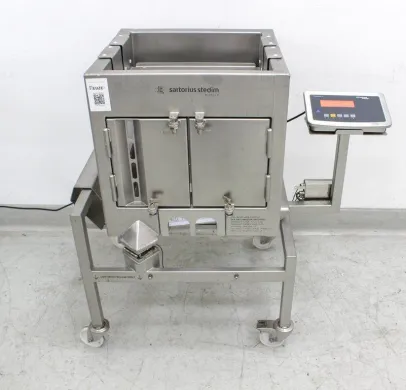
Among the listings that specify a type, the catalogue divides into chemical and biological service. A chemical reactor or stainless steel reactor is a pressure-rated, often jacketed vessel for synthesis and formulation, chosen on alloy and corrosion resistance and used across chemical processing and sample preparation at pilot scale. A bioprocessing vessel and a bioreactor vessel are built for cell culture and biomanufacturing, where an electropolished interior, sanitary fittings, and controlled agitation support microbial fermentation and mammalian cell culture. These vessels do the containment and mixing stages of bioprocessing, protein purification feedstock preparation, and upstream work in biomanufacturing, and the search for a jacketed stainless steel bioreactor for cell culture or a single-use bioprocessing vessel for fermentation lands here. Single-use bioprocessing containers hold media, buffer, and harvest in a disposable film liner, removing the cleaning and sterilisation burden that a fixed stainless vessel carries. A stainless steel stackable tote sits apart from both, a sanitary intermediate bulk container for storing and transporting liquids between process steps rather than reacting them.
The brands behind the process tank listings
The listings are led by Glatt, Various, Pall, Sartorius, Millipore. Glatt, Pall, Sartorius, and Millipore are established names in bioprocessing and filtration-adjacent equipment, and their presence means a buyer can compare instrumented bioreactor vessels and single-use systems against known model lines, with documentation and spare parts more likely to be available. The Various grouping covers fabricated and unbranded vessels, which widens the range of sizes and prices but makes like-for-like comparison harder, since a custom chemical reactor carries no catalogue reference to check against. For a buyer, a named brand usually means a traceable specification and a clearer parts path; an unbranded vessel is judged on its physical condition and test records alone.
What a used process tank costs here
Condition in this category runs heavily to used: 98 percent of the listings are used. Prices span from EUR 22 to EUR 129.133, a spread that reflects the gap between a small atmospheric tote and a fully jacketed, instrumented bioreactor. The average listing sits near EUR 6.550. Used and refurbished vessels are listed below new pricing, which is where most of the depth in this catalogue lies. Where a warranty matters, it is arranged in consultation for the specific listing, and parts can be sourced via Questpair.
Frequently asked questions
What is a process tank or kettle?
It is a closed vessel used to hold, mix, heat, or react liquids and slurries during laboratory and pilot-scale production. They are built in stainless steel or single-use polymer and range from bench volumes to several hundred litres.
What does a jacketed vessel mean?
A jacketed vessel has a secondary outer wall that carries a heating or cooling medium around the tank, allowing the contents to be held at a controlled temperature. A tank without a jacket relies on ambient conditions and cannot drive a temperature-dependent reaction on its own.
How do process tanks and kettles work?
The vessel contains the liquid or slurry while an agitator mixes it, a jacket transfers heat through the wall, and sanitary or pressure-rated fittings connect it to the rest of the process line. Chemical reactors add pressure rating for synthesis, while bioprocessing vessels add an electropolished interior and controlled agitation for cell culture.
What types of process tanks are there?
The catalogue lists chemical reactors and stainless steel reactors for synthesis and formulation, bioprocessing vessels and bioreactor vessels for cell culture and fermentation, single-use bioprocessing containers that hold media in a disposable film liner, and stainless steel stackable totes for storing and transporting liquids between process steps.
What are process tanks and kettles used for?
They handle the containment, mixing, heating, and reacting stages of laboratory and pilot-scale production. Applications include chemical synthesis and formulation, microbial fermentation, mammalian cell culture, protein purification feedstock preparation, and intermediate storage between process steps.
How do I choose a process tank?
Start with working volume and pressure rating, since those fix what the vessel can physically and legally do, then settle material and surface finish for the media it will hold. A chemical reactor is chosen on alloy and corrosion resistance; a bioprocessing vessel is chosen on surface finish and cleanability.
Refurbished or used, which should I buy?
A refurbished vessel has been reconditioned and tested, while a used one is sold in its current condition and judged on its test records and physical state. On any used or refurbished tank, verify the pressure test record on both the vessel and the jacket, and inspect the interior for pitting around weld seams and seals.
How much does a process tank cost?
Prices range from EUR 22 to EUR 129.133, with an average around EUR 6.550. A small atmospheric vessel sits at the low end and a jacketed, instrumented reactor sits near the top.
What brands of process tanks are listed?
The listings are led by Glatt, Pall, Sartorius, and Millipore, with a Various grouping covering fabricated and unbranded vessels. The named brands are established in bioprocessing and filtration-adjacent equipment, while the Various grouping widens the size and price range.
Is there a warranty on a refurbished vessel?
A warranty is often possible and is arranged in consultation for the specific listing. The terms depend on the individual vessel rather than a blanket policy.
Can I get parts for a process tank?
Parts can be sourced via Questpair. For a named brand such as Glatt, Pall, Sartorius, or Millipore, a traceable specification usually makes the parts path clearer than for an unbranded vessel.
How long does a process tank last?
A stainless steel vessel can run for decades if the interior and welds are not degraded by aggressive media, which is why pitting around weld seams and agitator seals is the first thing to check on a used unit. Single-use bioprocessing containers are consumable by design and are replaced after use.
New or refurbished, what is the difference for the buyer?
Used and refurbished vessels are listed at lower prices than new equipment of the same specification, which is where most of the depth in this catalogue lies. Where a warranty matters on either, it is arranged in consultation for the specific listing.
Where can I buy a process tank or kettle?
The Questpair catalogue holds 589 listings from 13 verified suppliers and distributors across 9 countries, offered new, used, and refurbished. Of the current listings, 98 percent are used.
What is the lead time and shipping on a vessel?
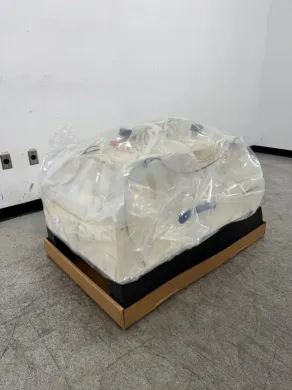
Lead time and shipping depend on the individual listing, its size, and the supplier's location across the 9 countries represented. A large jacketed reactor involves different handling than a stackable tote or a boxed single-use container.
How are process tanks calibrated and maintained?
Maintenance centres on the jacket, welds, agitator bearings, mechanical seals, and instrumentation ports, which should be confirmed as present and serviceable before purchase. Questpair does not provide servicing, but parts can be sourced via Questpair when a seal or component needs replacement.
Which types in this category are listed most, and who reaches for which?
The listings split into chemical and biological service: chemical reactors and stainless steel reactors go to synthesis and formulation work, while bioprocessing vessels and bioreactor vessels go to cell culture and biomanufacturing teams. Single-use bioprocessing containers suit those avoiding cleaning and sterilisation, and stainless steel stackable totes suit teams moving liquids between process steps rather than reacting them.
Which brands dominate this category, and what does that mean for a buyer?
Glatt, Pall, Sartorius, and Millipore lead the named listings, alongside a Various grouping of fabricated and unbranded vessels. A named brand usually means a traceable specification and documentation to compare against, while an unbranded vessel carries no catalogue reference and is judged on its physical condition and test records alone.
What separates the cheapest vessels here from the most expensive?
The low end holds small atmospheric vessels and totes that only contain or transport liquid, while the top end holds jacketed, instrumented reactors and single-use systems built for pressure-rated or regulated work. The brands in the upper band, Glatt, Pall, Sartorius, and Millipore, carry the systems built for regulated bioprocessing, which is what drives the gap from EUR 22 to EUR 129.133.