

Confocal microscopes
We personally find you the right used, refurbished and new confocal microscopes instruments & equipment from verified suppliers.
Confocal microscopes are optical instruments that use a spatial pinhole to block out-of-focus light, producing sharper images and optical sections through a specimen than a conventional widefield microscope can achieve. By rejecting scattered light from above and below the focal plane, they allow thin optical slices to be stacked into three-dimensional reconstructions of cells and tissues. The Questpair catalogue holds 126 confocal microscope listings from 11 verified suppliers and distributors across 6 countries. New, used and refurbished units are listed. Among the current listings, 98 percent are used. Prices span a wide range, reflecting everything from standalone components to complete laser scanning systems.
Updated:
Confocal microscopes product list
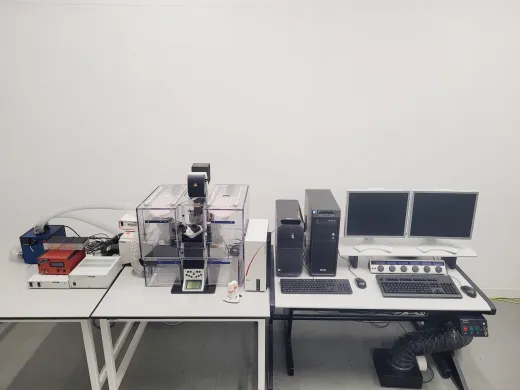
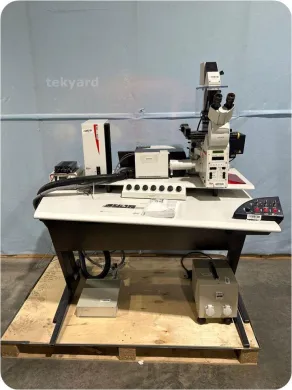
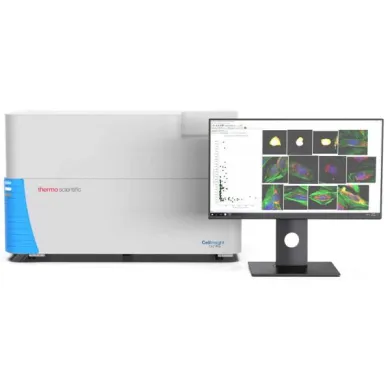


Not the exact instrument you need?
Tell our scientists what you are after. We track it down, including off-market supply.
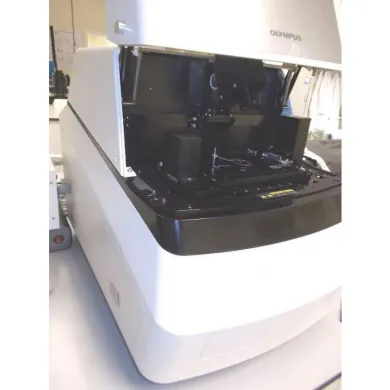
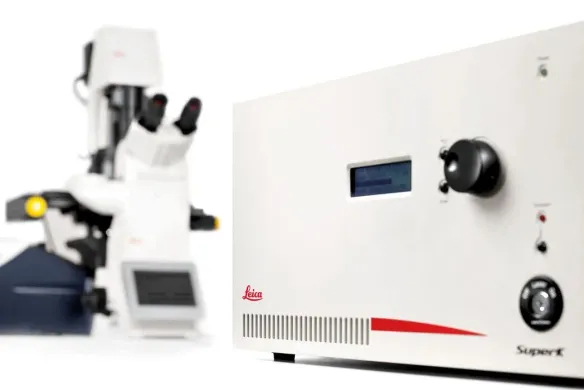
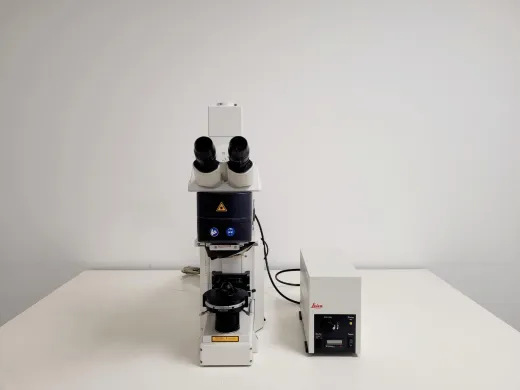
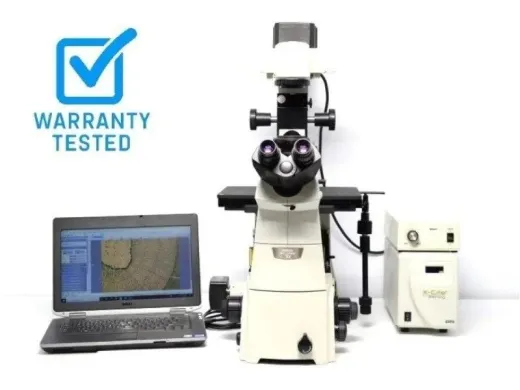
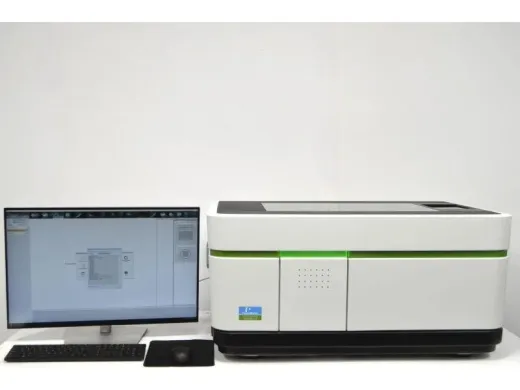

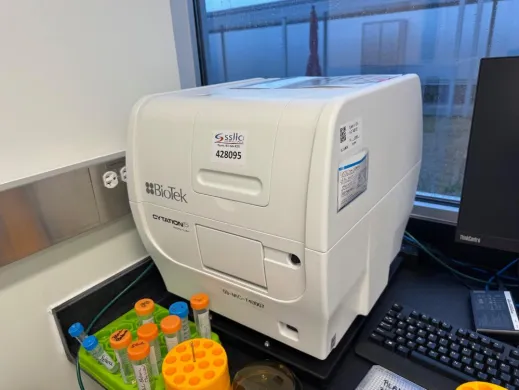
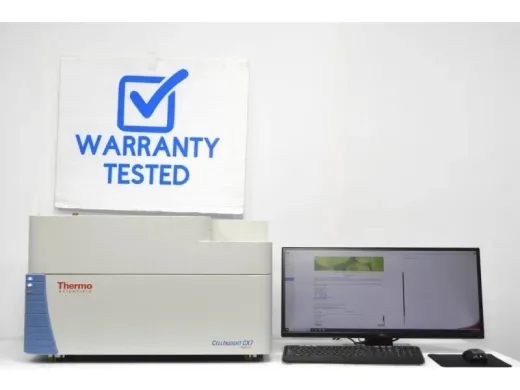
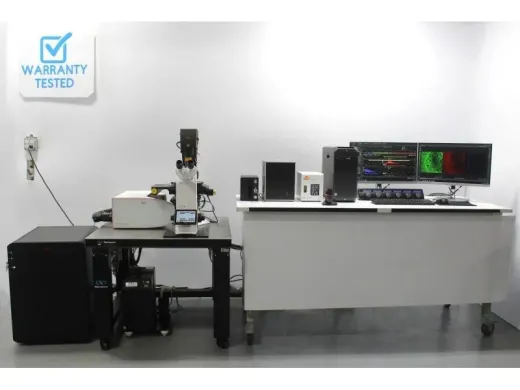
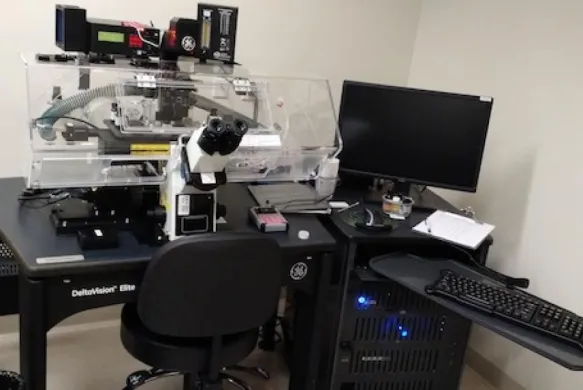
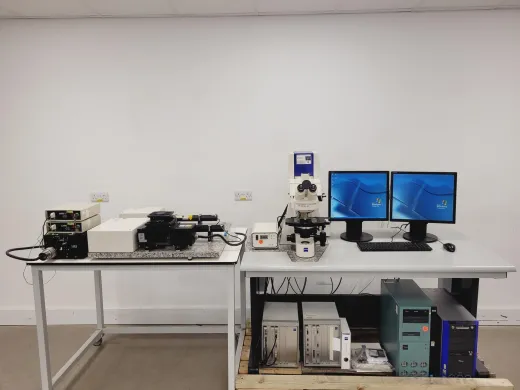
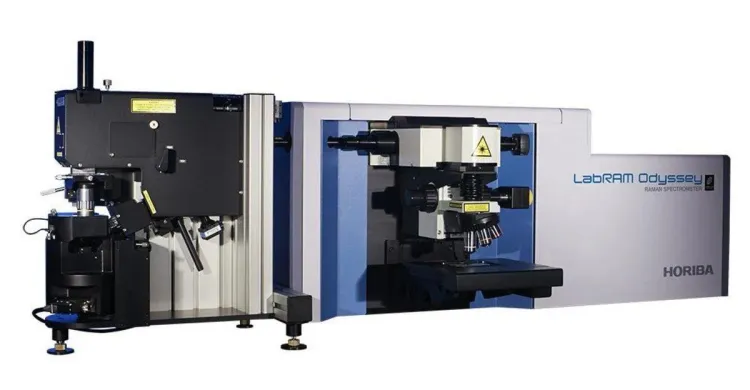
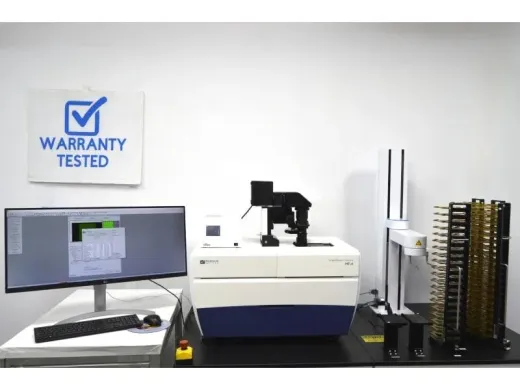
Not the exact instrument you need?
Tell our scientists what you are after. We track it down, including off-market supply.
Showing 1–40 of 81 listings
Show 40 more listingsBuying guide
The single decision that shapes a confocal purchase is the scanning method, because it sets the speed, the gentleness and the ceiling on everything else. A point-scanning laser confocal builds an image one spot at a time, which gives the cleanest optical sections and the finest control over excitation, but is slower and delivers more light dose to the sample. A spinning-disk system scans many points at once, trading a little sectioning quality for the frame rates that live-cell work needs. Settle that first, because it determines which detectors, lasers and objectives are worth looking at.
From there, the laser lines and detector set matter more than the headline resolution figure. The excitation wavelengths on the unit have to match the fluorophores the work depends on, and a system missing a critical line is of limited use whatever else it offers. Check the detector type too, since the gap between a photomultiplier and a modern hybrid or sensitive camera shows up directly in how dim a signal can be imaged without cooking the specimen.
On a used instrument the laser history is the thing to verify, not the body. Lasers are consumable parts with finite hours, and a replacement can run to a significant fraction of the system price. Ask for laser hours, confirm the detectors still function across their range, and establish that the control software and its licence transfer with the unit. Parts for these systems can be sourced via Questpair, and warranty on a given listing is arranged in consultation with the supplier, so both are worth raising before committing.
Price reflects that spread of configurations. A buyer will find costs running from EUR 86 for bare components to EUR 116.619 for a complete multi-laser platform, with the average around EUR 25.118. What fits a given budget depends almost entirely on configuration rather than brand, and because 98 percent of the listings are used, affordable routes into confocal imaging exist that a new quote would not show. Units listed for sale here carry Zeiss, Leica, Olympus, Thermo Scientific, Molecular Devices most often, which keeps objectives, stages and service parts comparatively easy to match.
Types of Confocal microscopes
Which confocal microscope types are listed?
Among the listings that specify a type, the catalogue is built around a handful of closely related configurations. A confocal laser scanning microscope, often written as laser scanning confocal microscope, is the point-scanning workhorse: a laser sweeps the field one pixel at a time and a pinhole rejects out-of-focus light, giving the crispest optical sections for fixed and thick specimens. A plain fluorescence microscope sits one step back, imaging labelled structures across the whole field at once without the pinhole, and is chosen where full confocal sectioning is not needed. A fluorescence imaging system packages detectors, filters and software around that capability for quantitative work.
Confocal imaging is central to cell biology and life sciences. These instruments do fluorescence microscopy of labelled proteins, carry out cell imaging of fixed and living specimens, and support molecular biology and immunology through the mapping of tagged structures inside cells. A confocal laser scanning microscope for live-cell imaging tracks dynamic events in cell culture over time, and the same platform serves microscopy for immunofluorescence and protein localisation in proteomics and histology. A live-cell imaging system is the configuration built around that application, with incubation and fast acquisition so cells stay viable through long sessions, also used for developmental biology and neuroscience where tissue structure is mapped in three dimensions.
The brands behind the confocal listings
The confocal listings are dominated by Zeiss, Leica, Olympus, Thermo Scientific, Molecular Devices. For a buyer, that concentration is useful: these are the makers whose objectives, filter cubes, laser modules and stages are most widely documented, so matching a component or comparing two models is far easier than with an obscure platform. It also keeps the market liquid enough that similar configurations appear more than once, which helps when judging whether a price is fair.
What a used confocal microscope costs here
Condition is where this catalogue is lopsided: 98 percent of the listings are used. Prices run from EUR 86 to EUR 116.619. That spread covers bare objectives and spare modules at the low end and complete multi-laser scanning systems at the high end, with the average sitting near EUR 25.118. Used and refurbished units are listed below the cost of equivalent new ones, which for a technique this expensive is often what makes it reachable at all.
Frequently asked questions
What is a confocal microscope?
A confocal microscope is an optical instrument that uses a spatial pinhole to block out-of-focus light, so it images a thin plane of a specimen rather than the whole thickness at once. Stacking those optical sections produces three-dimensional reconstructions of cells and tissues that a conventional widefield microscope cannot resolve as cleanly.
What does confocal actually mean in this context?
Confocal refers to the arrangement where the illumination point and the detection pinhole share a common focus, so only light from the focal plane reaches the detector. Light from above and below that plane is rejected, which is what gives the sharper optical sections.
How do confocal microscopes work?
A laser excites fluorophores at a defined point or line in the specimen, and the emitted light passes through a pinhole that rejects anything not in the focal plane before reaching a detector. The system builds an image point by point or disk by disk, and shifting the focus through the sample produces a stack of optical slices.
What types of confocal microscope are listed here?
The catalogue is built around closely related configurations including the confocal laser scanning microscope, also written as laser scanning confocal microscope, along with fluorescence microscopes, fluorescence imaging systems and live-cell imaging systems. The laser scanning units are the point-scanning workhorses, while a plain fluorescence microscope images the whole field at once without the pinhole.
What are confocal microscopes used for?
They are central to cell biology and life sciences, performing fluorescence microscopy of labelled proteins and cell imaging of fixed and living specimens. Common applications include immunofluorescence, protein localisation, live-cell tracking in culture, and mapping tissue structure in three dimensions for developmental biology and neuroscience.
How do I choose a confocal microscope?
Start with the scanning method, because it sets speed, light dose and image quality: point-scanning laser confocal gives the cleanest sections but slower frame rates, while spinning-disk scans many points at once for live-cell speed. After that, check that the laser lines match your fluorophores and that the detector type suits the dimness of your signal.
What is the difference between refurbished and used confocal microscopes?
Both are listed below the cost of equivalent new units. A refurbished unit has been reconditioned before sale, while a used unit is sold in its existing state, so on either one it is worth confirming laser hours, detector function and software licence transfer with the supplier for that listing.
How much does a confocal microscope cost?
Prices in the catalogue run from EUR 86 to EUR 116.619, with the average around EUR 25.118. The low end covers bare objectives and spare modules, while complete multi-laser scanning systems sit at the high end.
Which brands make confocal microscopes?
The listings here are dominated by Zeiss, Leica, Olympus, Thermo Scientific and Molecular Devices. These are the makers whose objectives, filter cubes, laser modules and stages are most widely documented, which makes matching a component or comparing two models more straightforward.
Is there a warranty on a refurbished confocal microscope?
A warranty is often possible and is arranged in consultation for the specific listing. Raise it with the supplier before committing, since terms are not set centrally.
Can I get parts for a confocal microscope?
Parts can be sourced via Questpair. For these systems, lasers in particular are consumable components with finite hours, so confirming laser history on a used unit matters as much as sourcing replacement parts later.
How long does a confocal microscope last?
The optical body and mechanics typically outlast the lasers, which are consumable parts with finite operating hours and can cost a significant fraction of the system price to replace. On a used instrument the laser hours are the figure that most determines remaining service life.
Should I buy new or refurbished?
Used and refurbished confocal microscopes are listed at lower prices than new, which for a technique this expensive is often what makes it reachable. Because 98 percent of the listings are used, compare the specific listing and arrange warranty in consultation rather than assuming a difference beyond price.
Where can I buy a confocal microscope?
The Questpair catalogue holds 126 confocal microscope listings from 11 verified suppliers and distributors across 6 countries. New, used and refurbished units are all listed.
What are the lead time and shipping like?
Lead time and shipping depend on the individual listing and the supplier offering it. For specifics on a given unit, contact Questpair and specialists respond within one hour.
How are confocal microscopes calibrated and maintained?
Routine upkeep covers laser alignment, detector checks across their range, and keeping objectives and filter paths clean. Questpair does not provide servicing, but parts can be sourced via Questpair and documentation requests are answered by specialists within one hour.
Which configurations are listed most, and who reaches for which?
Confocal laser scanning microscopes are the common point-scanning units, chosen for the crispest optical sections on fixed and thick specimens. Plain fluorescence microscopes suit work that does not need full sectioning, while live-cell imaging systems add incubation and fast acquisition for researchers tracking dynamic events in cell culture over long sessions.
The listings are dominated by a few brands, so what does that mean for me as a buyer?
Zeiss, Leica, Olympus, Thermo Scientific and Molecular Devices appear most often, and that concentration keeps the market liquid enough that similar configurations show up more than once, which helps when judging whether a price is fair. It also means objectives, stages and service parts are comparatively easy to match against documented specifications.
What separates a cheap confocal listing from an expensive one?
The gap is driven by configuration rather than brand. At the low end sit bare objectives and spare modules; at the high end sit complete multi-laser scanning platforms with multiple laser lines, sensitive detectors such as hybrid photodetectors, and full software, which is why prices stretch from EUR 86 to EUR 116.619.