Price on request
In stock
Can't find what you're looking for?
Pre-Owned
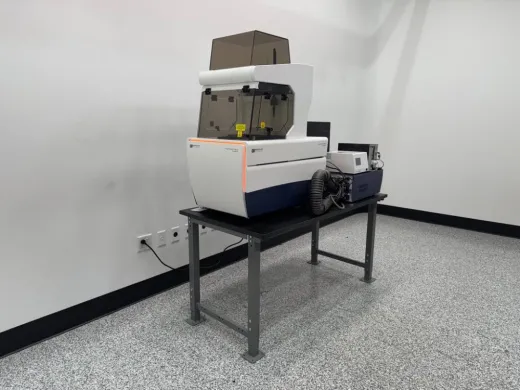
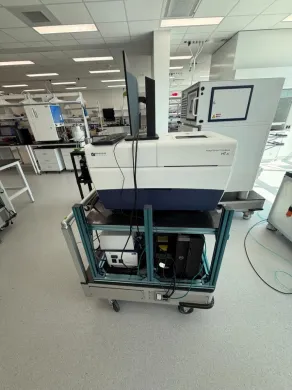
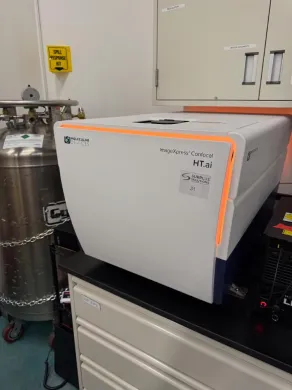
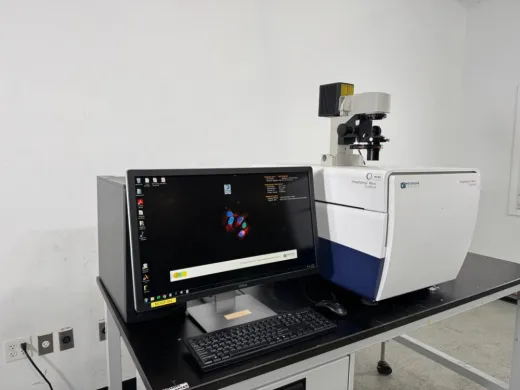
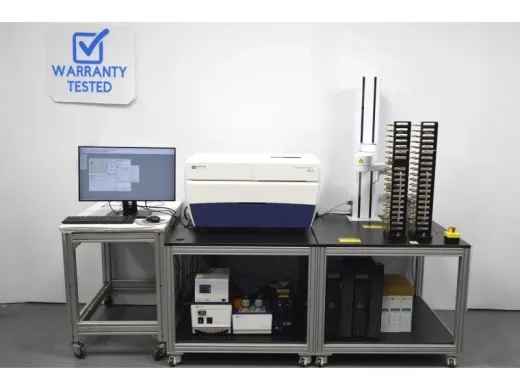
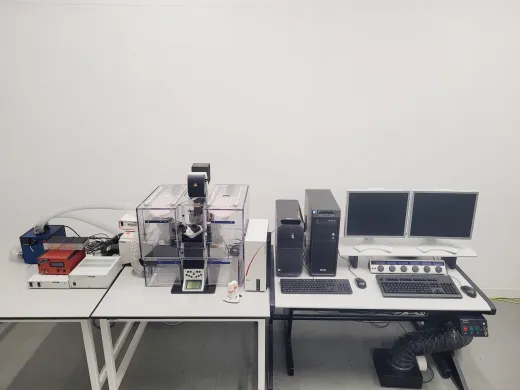
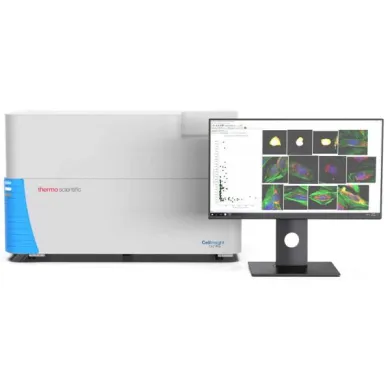
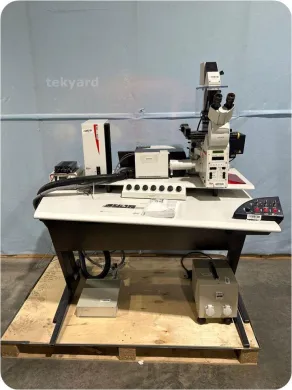
High-throughput confocal laser imaging system with automation, environmental control, water immersion optics, and transmitted light capabilities.
The Molecular Devices ImageXpress Micro Confocal HT.ai is a high-content laser confocal imaging system designed for high-throughput fluorescence and transmitted light microscopy in biotechnology and cell biology research. It integrates a high-speed Andor Zyla sCMOS camera with a dual spinning disk confocal geometry (50 µm slit and 60 µm pinhole) enabling optical sectioning and high-resolution imaging for live or fixed cell assays.
Key technical features include:
The system supports slides and microplates from 1 to 1536 wells (round or flat bottom) enabling high-throughput quantitative cellular phenotyping, 3D cell model analysis, and multiplexed assays within synthetic biology, gene editing validation, and cell-based screening applications.
Installation options, warranty coverage, technical consultation, and optional remote or on-site training are provided for streamlined integration into bioprocessing and molecular biology laboratories. This platform is widely adopted in biotechnology research fields requiring precise fluorescence imaging combined with transmitted light modalities and automated high-content screening for advanced synthetic biology workflows, molecular cloning quality control, and biomanufacturing process monitoring.
Lab equipment markets are fragmented. Buyers spend weeks calling distributors, comparing quotes, and verifying supplier reliability. Sellers struggle to reach global research labs.
We built Questpair to fix this. Every supplier on the platform is verified before listing. Every quote you receive comes from a real, vetted seller. AI prepares your case in minutes, then a real specialist takes over.
We're an independent team based in The Netherlands, working with research labs and procurement teams across Europe and worldwide.
With a service contract, ten to fifteen years is normal for most benchtop instruments. Detectors and pumps are the parts that wear first.
Often, yes. Verified suppliers frequently work with service partners converting the instrument. If applicable, we can list servicing options alongside the offer.
Ask a scientist through the request button. Parts are often available even when the instrument itself is discontinued.
Two to six weeks, depending on refurbishment scope and whether calibration is included.
We ship to 38 countries. Crating and customs handling are quoted with the instrument.
Tell us what you need and a scientist finds it for you, usually within the hour.
Last updated 23 October 2026
The middle half of the 23 with a price runs from €1,109 to €15,527.
1 other listing of this model is available.