Price on request
In stock
Can't find what you're looking for?
Pre-Owned
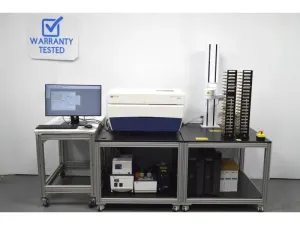
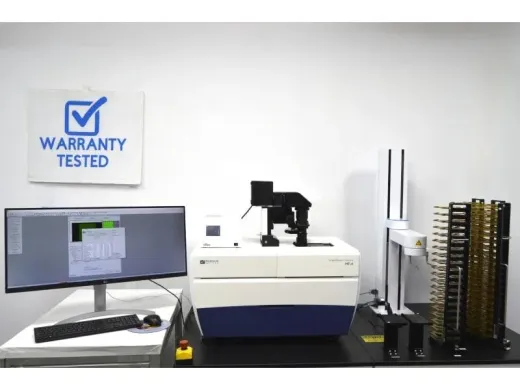
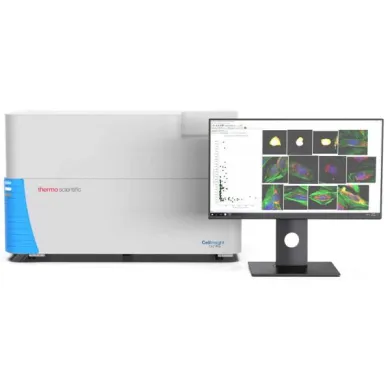
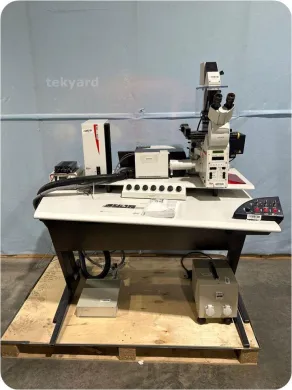
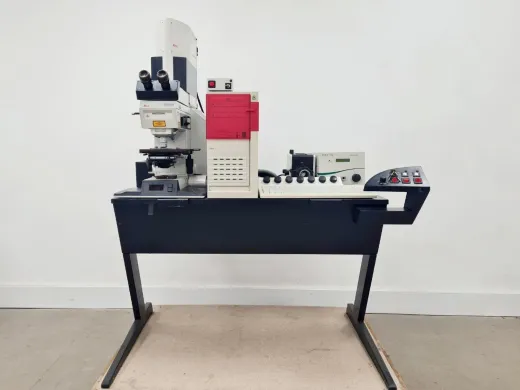
High-content spinning-disk confocal imaging system with sCMOS camera, live-cell control, water immersion, and automation capability.
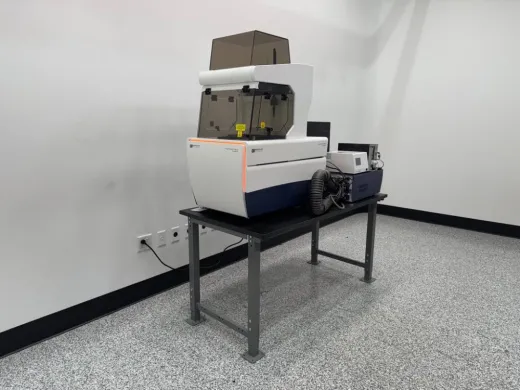
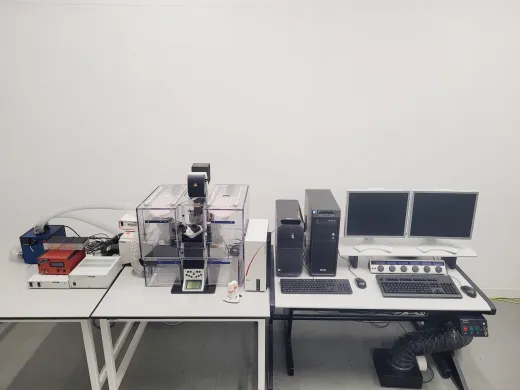
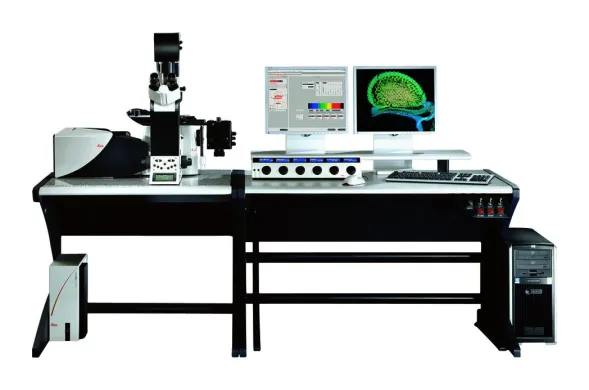
The Molecular Devices ImageXpress Micro Confocal HT.ai is a high-content imaging system designed for automated fluorescence microscopy, confocal and widefield imaging, live-cell analysis, phenotypic screening, drug discovery, and multiwell assay development. The system is configured with a single-disk spinning-disk confocal module, Andor Zyla sCMOS camera, laser autofocus, precision encoded XYZ stages, and software-controlled filter and objective changes.
The installed environmental control configuration supports multi-day live-cell time-lapse imaging. The LCI FC-9 gas mixer supports 5–10% CO₂, while temperature control maintains 30–40 °C ± 0.5 °C. Humidity management minimizes evaporation to approximately 0.5 uL/well/hour for 96- or 384-well formats.
The water immersion configuration includes a water immersion control box that maintains a stable water layer for high-NA imaging of live or thick specimens. Water immersion objectives, including 20x/0.95 and 40x/1.15 configurations, can improve resolution and reduce aberrations in aqueous 3D samples.
These capabilities support high-content cellular imaging, biomarker analysis, assay development, live-cell phenotypic analysis, and automated microscopy workflows used in biotechnology, molecular diagnostics, drug discovery, and biopharmaceutical research.
The listing provides a detailed configuration for a Brooks PreciseFlex 400 sample handler, including:
Important configuration note: The listing describes the Brooks PreciseFlex 400 robot and its accessories in detail, but also states that the robot and automation software are not included in the supplied system. Confirm the final automation configuration with the seller before purchase.
The system was manufactured in 2022 and the listing reports testing of the camera, objectives, autofocus, laser interlock, illumination, filter wheels, spatial calibration, gas controller, stage movement, multiwell acquisitions, and multichannel slide imaging.
Lab equipment markets are fragmented. Buyers spend weeks calling distributors, comparing quotes, and verifying supplier reliability. Sellers struggle to reach global research labs.
We built Questpair to fix this. Every supplier on the platform is verified before listing. Every quote you receive comes from a real, vetted seller. AI prepares your case in minutes, then a real specialist takes over.
We're an independent team based in The Netherlands, working with research labs and procurement teams across Europe and worldwide.
With a service contract, ten to fifteen years is normal for most benchtop instruments. Detectors and pumps are the parts that wear first.
Often, yes. Verified suppliers frequently work with service partners converting the instrument. If applicable, we can list servicing options alongside the offer.
Ask a scientist through the request button. Parts are often available even when the instrument itself is discontinued.
Two to six weeks, depending on refurbishment scope and whether calibration is included.
We ship to 38 countries. Crating and customs handling are quoted with the instrument.
Tell us what you need and a scientist finds it for you, usually within the hour.
Last updated 6 November 2026
The middle half of the 18 with a price runs from €2,857 to €19,786.
896 other listings of this model are available.