
Molecular Devices equipment
We personally find you the right new, used & refurbished Molecular Devices from verified suppliers
Molecular Devices is an American manufacturer of bioanalytical measurement systems for life sciences applications, founded in 1983 in California. The company develops microplate readers, cellular imaging and high-content screening systems, clone screening instruments, and electrophysiology platforms, alongside the SoftMax Pro and MetaXpress analytical software that runs them. Since February 2010 it has operated as part of Danaher Corporation, headquartered in San Jose, United States. On Questpair, 267 Molecular Devices items are available from verified suppliers and distributors across 5 countries.
Updated:
Molecular Devices product list
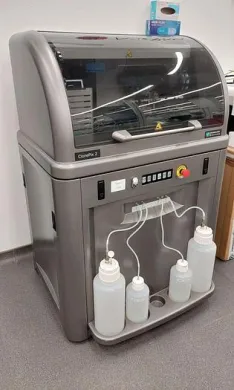
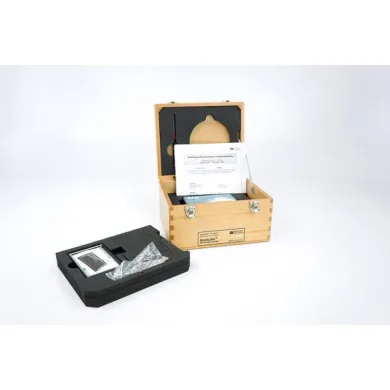
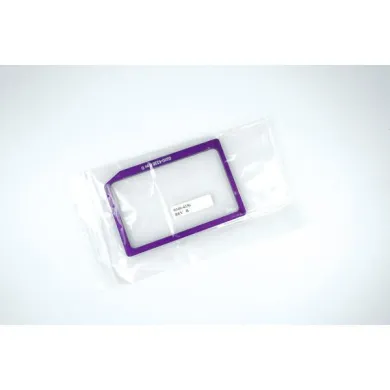
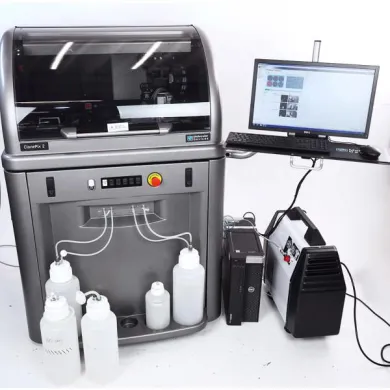


Not the exact instrument you need?
Tell our scientists what you are after. We track it down, including off-market supply.
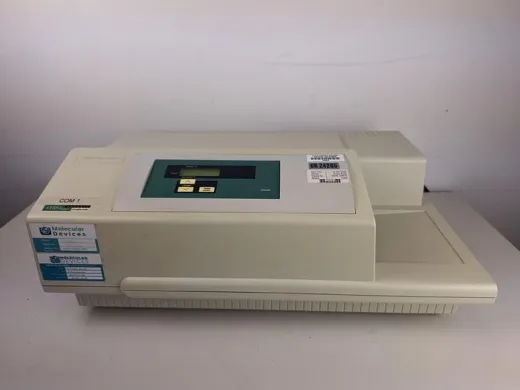
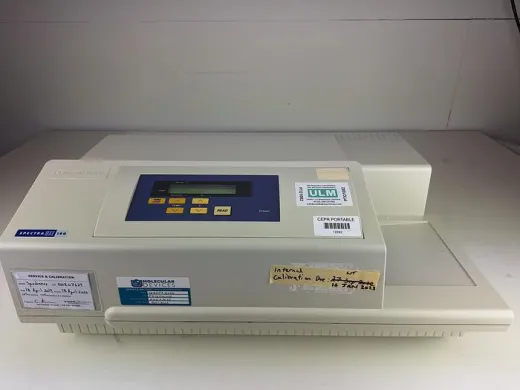
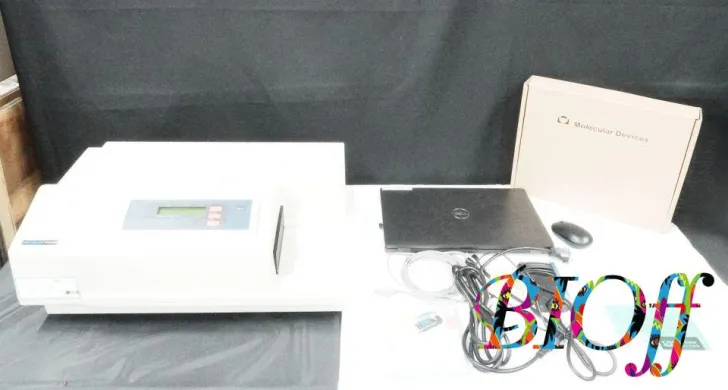
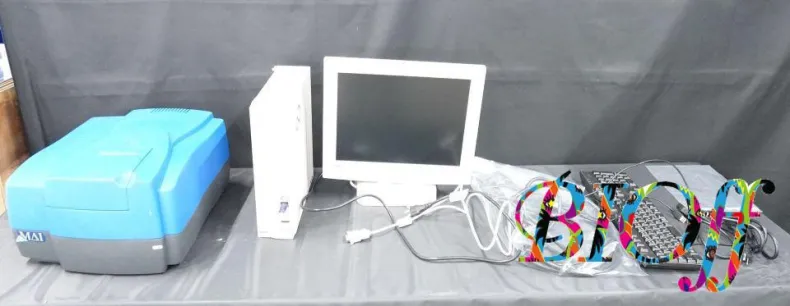
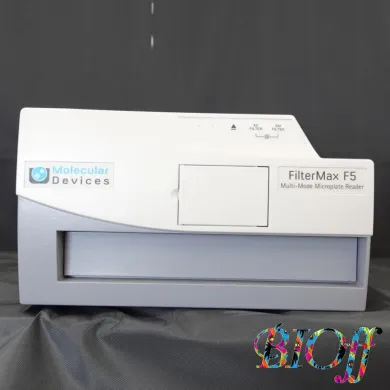
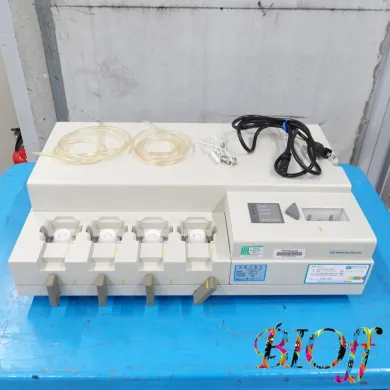
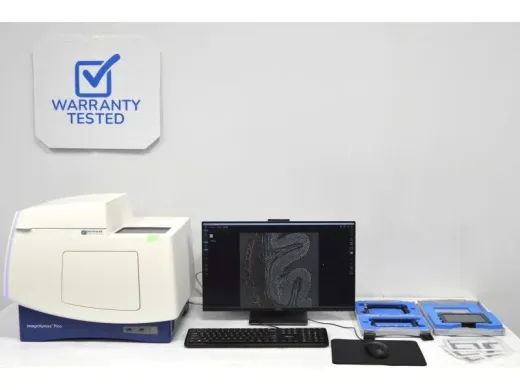
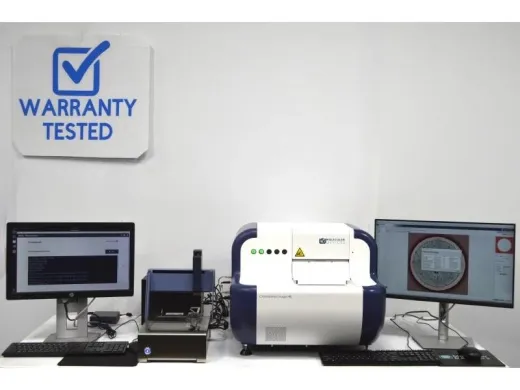
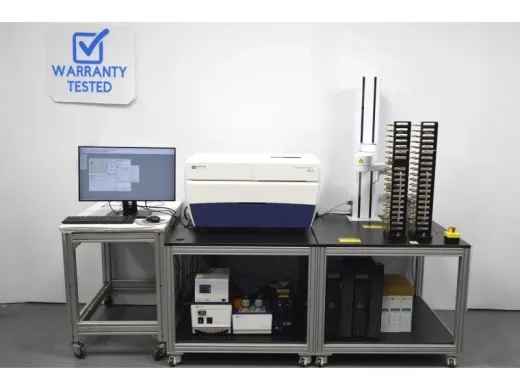
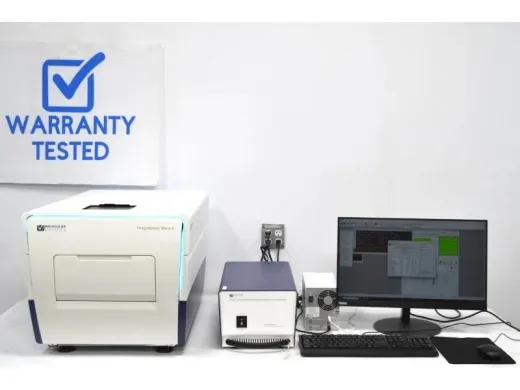
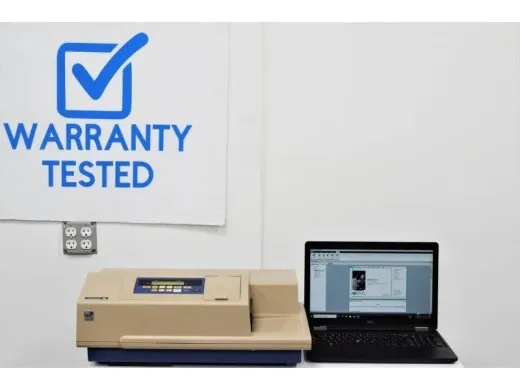
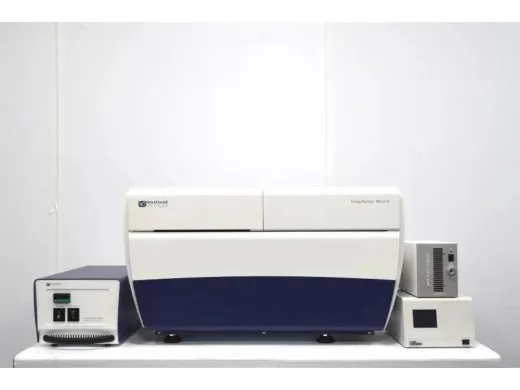
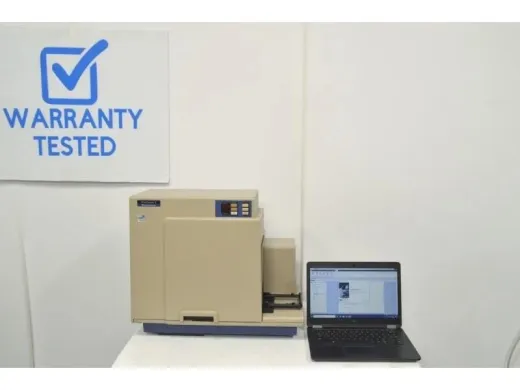
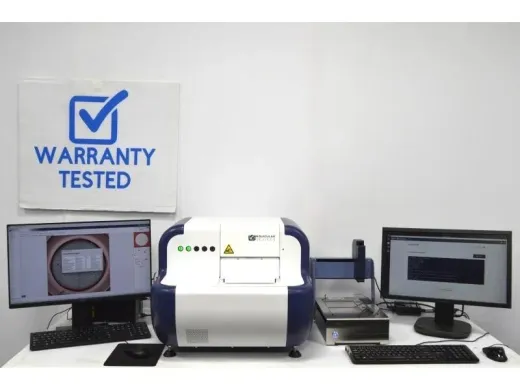
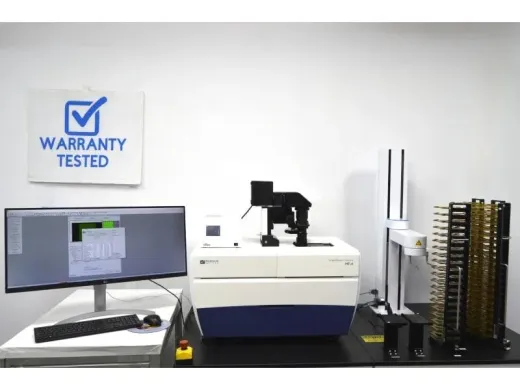
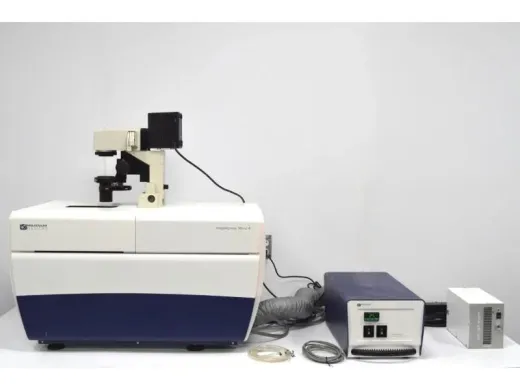
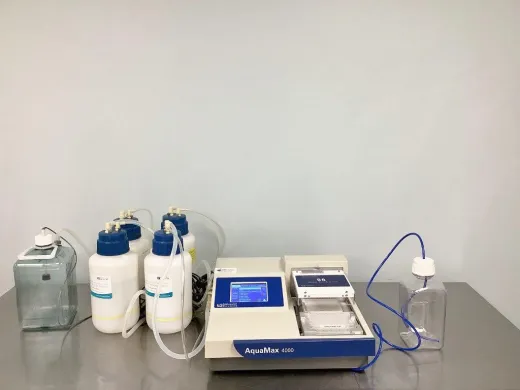
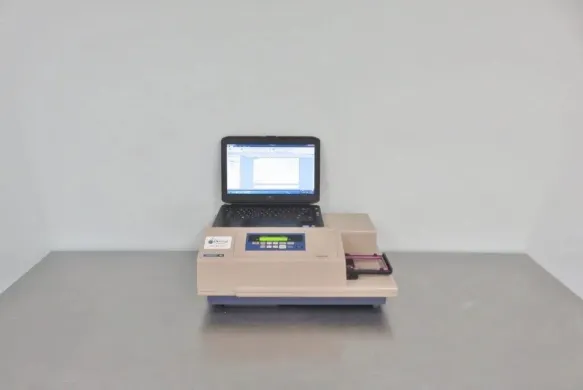
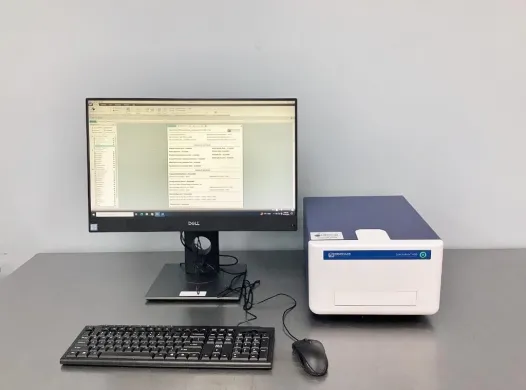
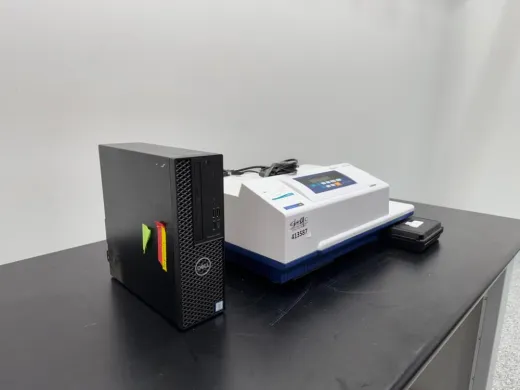
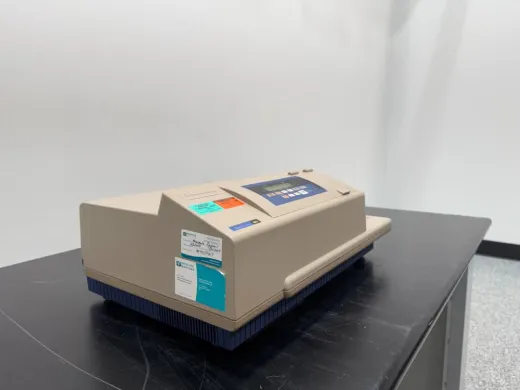
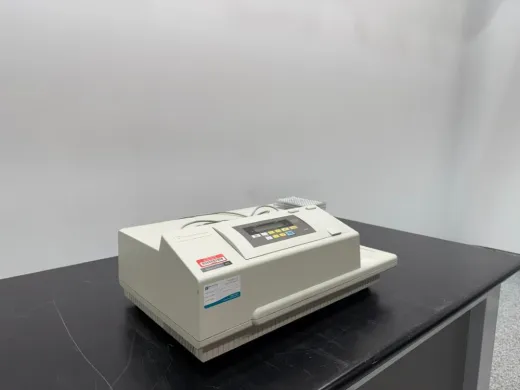
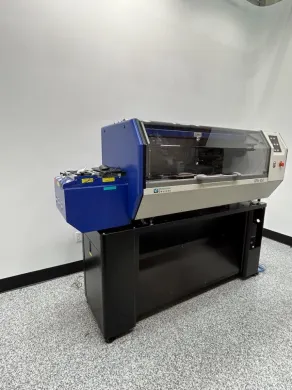
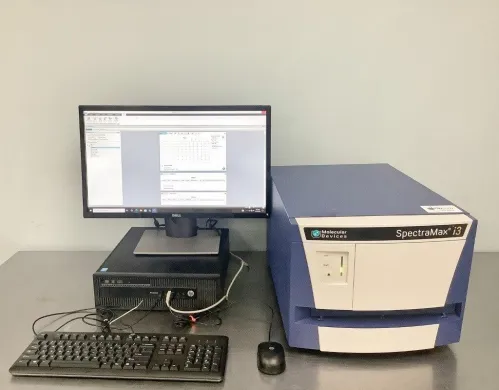
Not the exact instrument you need?
Tell our scientists what you are after. We track it down, including off-market supply.
Showing 1–40 of 132 listings
Show 40 more listingsAbout Molecular Devices
Molecular Devices is an American bioanalytical measurement systems and life sciences instrument manufacturer, founded in 1983 in California as a designer, developer, and manufacturer of bioanalytical measurement systems for life sciences applications. The company is headquartered in San Jose, United States, and has been part of Danaher Corporation since the acquisition in February 2010. Its products cover microplate readers, cellular imaging systems, high-content screening systems, clone screening and colony selection systems, electrophysiology instruments, lab automation systems, assay kits, and the analytical software that supports them. The equipment is built for quantitative measurement in molecular biology, cell biology, and drug discovery. On Questpair, 267 Molecular Devices items are listed by verified suppliers and distributors across 5 countries.
Molecular Devices product lines
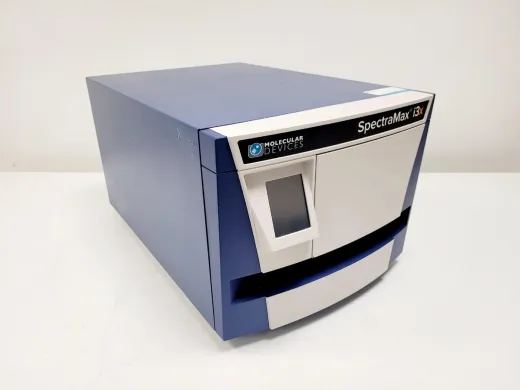
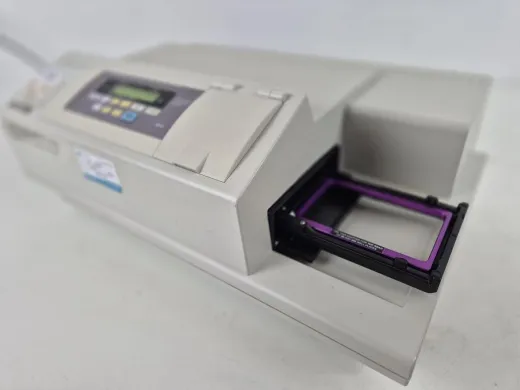
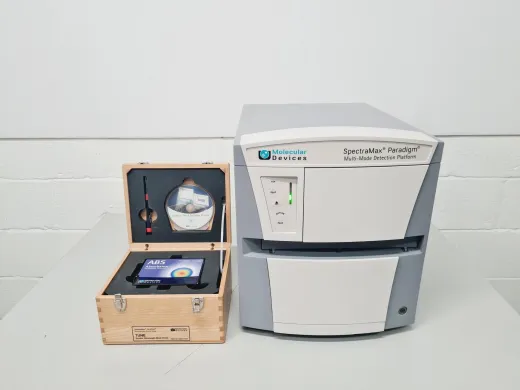
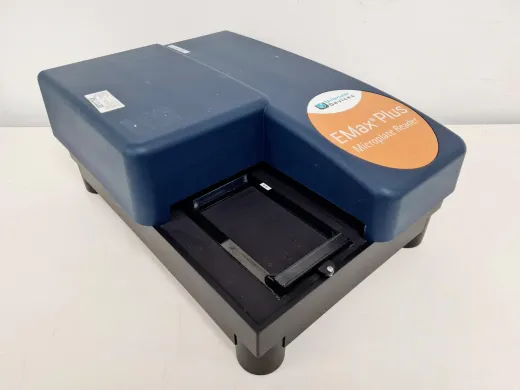
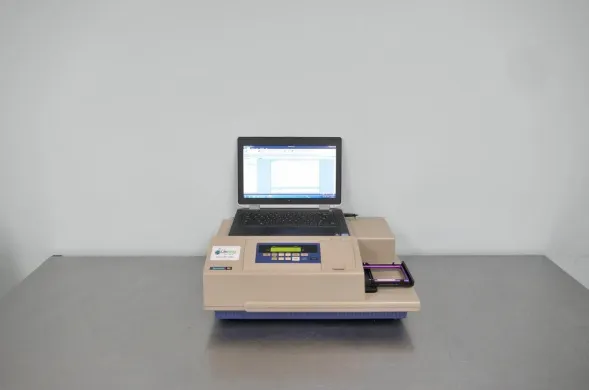
The company's catalogue is organised around several named families, each tied to a different measurement task. SpectraMax is the microplate reader line, covering absorbance, fluorescence, and luminescence detection for plate-based assays. These instruments handle the routine quantitative work of a molecular biology lab, from protein and nucleic acid quantification to enzyme kinetics and immunoassay readout, and they are the most common form of Molecular Devices equipment in general use.
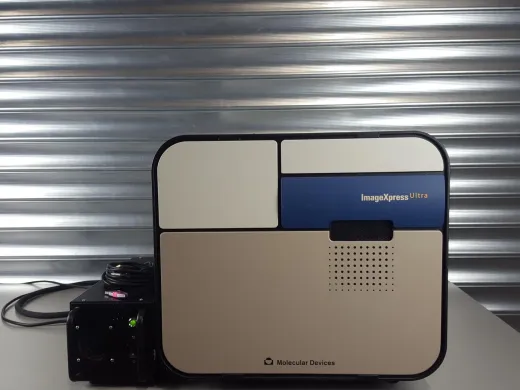
The ImageXpress systems are high-content imaging platforms. High-content screening combines automated microscopy with image analysis to measure cellular phenotypes across large numbers of samples, work central to cell imaging in drug discovery and functional genomics. The FLIPR line reads kinetic fluorescence for high-throughput screening, widely applied to calcium flux and membrane potential assays in receptor pharmacology.
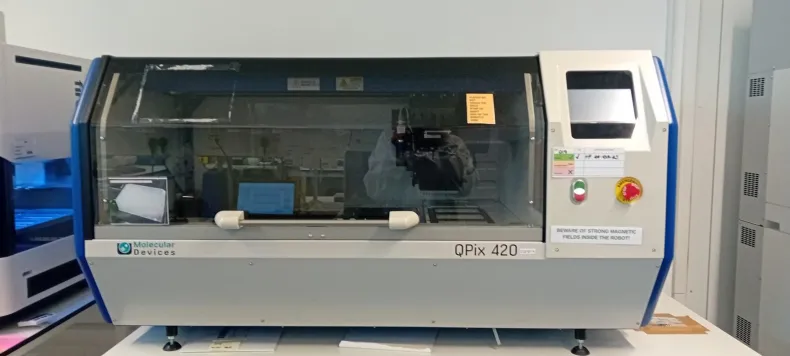
QPix and ClonePix are the colony-picking and colony-selection platforms. These automate the isolation of single clones in cell line development, protein purification workflows, and antibody discovery, feeding into biomanufacturing and synthetic biology programmes where a stable, high-expressing clone is the starting material. The Axon and IonWorks lines serve electrophysiology: patch-clamp and automated ion channel recording for the study of membrane currents, used in both basic neuroscience and ion channel drug screening.
SoftMax Pro and MetaXpress are the analytical software products. SoftMax Pro runs the SpectraMax readers and handles curve fitting and data reduction, while MetaXpress performs the image analysis behind the ImageXpress systems. Because the instruments and their software are closely coupled, the software configuration is part of what a buyer is actually acquiring.
What is listed on Questpair?
The Questpair catalogue reflects the full span of these lines, from individual assay kits to complete screening stations. That is why the prices run from EUR 1 to EUR 73.171, with an average of EUR 11.291. A low figure typically marks a consumable or a small accessory; the high end marks a complete high-content imaging or screening platform.
Condition is straightforward here: 100 percent of the listings are used. The catalogue is drawn from 15 verified suppliers and distributors. Used units are listed at lower prices than new, which for specialised instruments such as the QPix or the IonWorks systems is often the practical route to a specific model, given that these are produced in smaller numbers than general plate readers.
For a buyer, the sensible sequence is to identify the product line that matches the assay, then read the individual listing for its software version, configuration, and included accessories. Where a warranty is needed it is arranged in consultation for the specific listing, and parts for a listed model can be sourced via Questpair. Because so much of the value in a Molecular Devices instrument sits in its software and its intended assay, the listing detail carries more weight than the model name on its own.
Questpair review of Molecular Devices
Our take based on listings data and supplier feedback
Molecular Devices occupies a specific place in the life sciences instrument market: its products sit at the point where an assay is quantified, imaged, or screened at scale. For a buyer evaluating the used catalogue, the first useful observation is the breadth of platforms on offer. The listings on Questpair draw from several distinct product families, and understanding which family an instrument belongs to matters more than the condition label attached to it.
The SpectraMax line of microplate readers forms the volume end of the range. These are absorbance, fluorescence, and luminescence detection instruments used for plate-based assays across molecular biology and biochemistry labs, and they appear at the lower reaches of the price spread. At the other end sit the imaging and screening platforms. The ImageXpress systems are high-content imagers built for cell imaging and automated microscopy, and the FLIPR instruments were designed for kinetic fluorescence measurement in high-throughput screening. These carry the higher figures in the catalogue, which is why the range from EUR 1 to EUR 73.171 is so wide. A single listing might be an assay kit; another might be a complete high-content screening station.
The second point worth weighing is the clone screening and electrophysiology coverage. QPix and ClonePix are colony-picking and colony-selection systems used in cell line development and antibody discovery, work that feeds directly into biomanufacturing and synthetic biology pipelines. The Axon and IonWorks lines address patch-clamp and automated electrophysiology, a narrower field with a smaller installed base. For a buyer working in these areas, the used market is often the only practical route to a specific model, since these instruments are produced in lower numbers than general-purpose plate readers. Seeing them listed at all is the benefit; the lower price relative to new is secondary.
The third consideration is software dependence, which separates Molecular Devices instruments from more generic equipment. SoftMax Pro drives the SpectraMax readers and MetaXpress handles ImageXpress image analysis. A buyer assessing a used unit should confirm which software version and license the listing includes, because the instrument and its analysis environment are closely coupled. This is not a drawback so much as a characteristic of the platform, and it is the kind of detail that rewards reading the individual listing carefully rather than relying on the model name alone.
On condition and sourcing, 100 percent of the listings are used. The catalogue is supplied by 15 verified suppliers and distributors, and where a warranty matters it is arranged in consultation for the specific listing rather than set centrally. Parts for a given model can be sourced via Questpair. For a researcher matching an instrument to a protocol, the practical path is to identify the product line first, confirm the software and configuration in the listing, and then weigh price against the specific assay the instrument needs to run.
**Breadth across assay platforms**
Molecular Devices equipment on Questpair spans microplate readers, high-content imaging, and colony-picking systems, with listings drawn from product lines including SpectraMax, ImageXpress, FLIPR, and QPix.
**Instruments for cell-based screening workflows**
The catalogue covers high-content screening and electrophysiology systems used in drug discovery, from ImageXpress imagers to the Axon and IonWorks lines for ion channel measurement.
**Used units across a wide price range**
With 100 percent of the listings used, prices run from EUR 1 to EUR 73.171, covering individual assay kits through to complete screening platforms.
Frequently asked questions
Where can I find manuals and documentation for a Molecular Devices instrument?
Documentation such as a SoftMax Pro or MetaXpress manual is often tied to the specific software version shipped with an instrument, so it varies by unit. Contact Questpair with the listing you are looking at and specialists respond within one hour.
How much does a Molecular Devices instrument cost?
Across the Questpair listings, prices range from EUR 1 to EUR 73.171, with an average of EUR 11.291. An assay kit or a small accessory sits at the low end, while a complete high-content imaging or screening station sits at the high end.
What is the difference between refurbished and used units?
A used unit is sold in its existing condition, while a refurbished unit has been reconditioned before resale. Both are listed below the price of new on Questpair, and the exact state is described in each individual listing.
Is there a warranty on these instruments?
A warranty is often possible and is arranged in consultation for the specific listing. Terms are not set centrally, so check the individual listing and raise the question with the supplier before purchase.
Are Molecular Devices instruments suitable for clinical or research use?
The equipment is built for quantitative measurement in molecular biology, cell biology, and drug discovery, which places it in research and screening settings rather than accredited clinical diagnostics. A SpectraMax reader covers routine assay readout, while ImageXpress and FLIPR serve higher-throughput research screening.
How long do these instruments last?
Lifespan depends on the platform and how heavily it is used, with plate readers generally running longer in routine service than specialised screening or electrophysiology rigs. Software version and configuration often determine practical usability as much as the hardware does, so check those details in the listing.
Can I get parts for a Molecular Devices instrument?
Parts for a listed model can be sourced via Questpair. For specialised lines such as QPix, ClonePix, or IonWorks, availability is tighter than for general plate readers, so name the exact model when you enquire.
What are the best alternatives to Molecular Devices?
What matters is the measurement task, not the brand name. For plate-based absorbance, fluorescence, and luminescence work there are competing microplate readers; for automated imaging there are competing high-content platforms; and for patch-clamp there are competing electrophysiology systems, each separated by detection modes, throughput, and the analysis software bundled with it.
What is the lead time on a Molecular Devices order?
Lead time is set by the individual supplier and the condition of the unit, since these are listed by separate verified suppliers and distributors. Ask through the listing for the expected dispatch and delivery window.
What is the difference between parts and spares?
The terms are used interchangeably for components ordered to repair or maintain an instrument, such as a lamp, a filter, or a pipettor head. On Questpair these can be sourced for a listed model, and naming the model and the specific component speeds up the search.
Do suppliers ship Molecular Devices equipment internationally?
Listings come from verified suppliers and distributors across 5 countries, so cross-border shipping is common. Confirm the destination and any shipping arrangements with the supplier on the specific listing.
What product lines does Molecular Devices make and how do they differ?
SpectraMax is the microplate reader family for absorbance, fluorescence, and luminescence; ImageXpress handles high-content imaging; FLIPR reads kinetic fluorescence for screening; QPix and ClonePix pick and select colonies; and Axon and IonWorks cover electrophysiology. SoftMax Pro and MetaXpress are the analytical software tied to the readers and the imaging systems respectively.
Which Molecular Devices instrument types are listed on Questpair and in what condition?
The listings centre on plate reading, including multi-mode microplate readers, absorbance microplate readers, luminescence microplate readers, fluorescence microplate readers, and standalone luminescence readers, alongside other categories across the catalogue. Of the listings, 100 percent are used, with new units also present and used priced below new.
What separates the cheapest listings from the most expensive?
The low end is typically a consumable, an assay kit, or a small accessory, while the high end is a complete high-content imaging or screening platform with its software and hardware configuration. Because so much of an instrument's value sits in its software version and intended assay, two units with the same model name can differ widely in price.
About Questpair
Questpair is the European marketplace for lab equipment, where AI-prepared cases and personal specialists guide every purchase. We work with 247 verified suppliers across 38 countries to find buyers the right new, used or refurbished instruments, with response within 1 hour and significant savings vs buying new.
Personal · Fast · Reliable · Affordable