
BioTek equipment
We personally find you the right new, used & refurbished BioTek instruments & equipment from verified suppliers
BioTek is an American life science instrumentation manufacturer founded in 1968 in Winooski, United States, by University of Vermont Medical College physiologist Dr. Norman Alpert. The company builds microplate readers, cell imaging systems, microplate washers, reagent dispensers and automated incubators, with product lines including Cytation, Synergy, MultiFlo FX and BioSpa. BioTek has been part of Agilent Technologies since its acquisition in August 2019. On Questpair, 331 BioTek listings are available from 17 verified suppliers and distributors across 7 countries.
Updated:
BioTek product list


Not the exact instrument you need?
Tell our scientists what you are after. We track it down, including off-market supply.
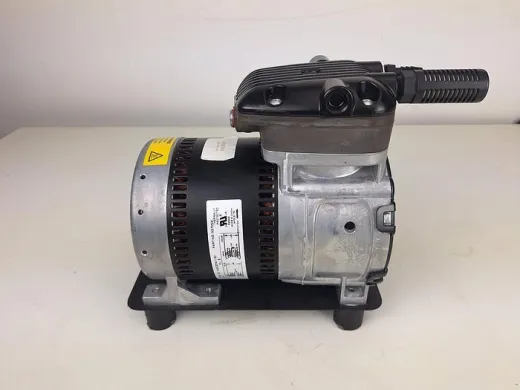
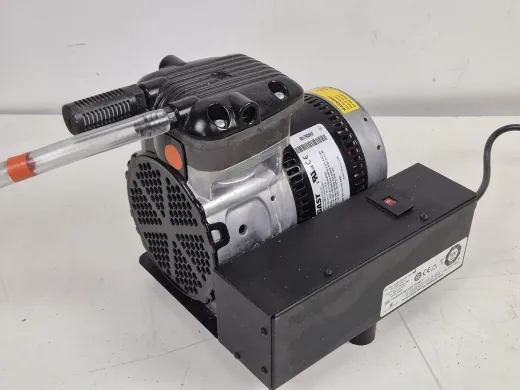
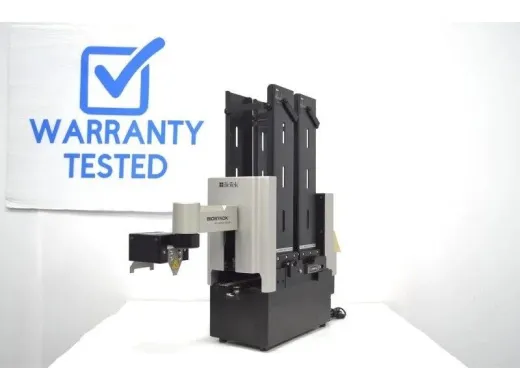
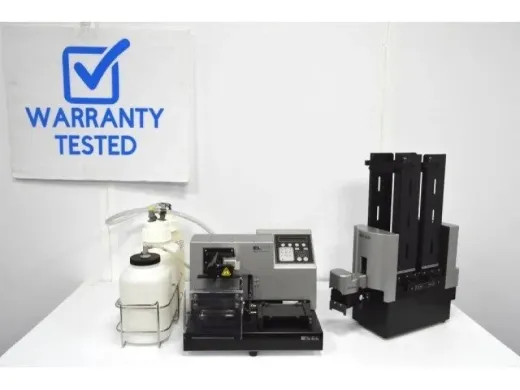
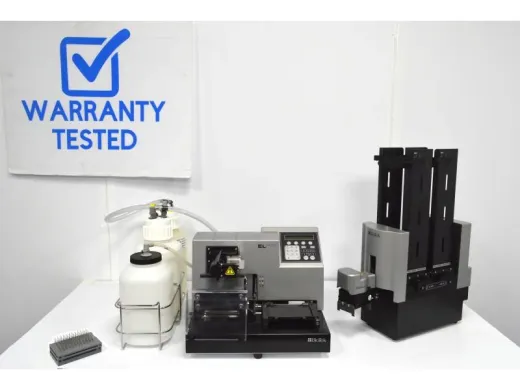
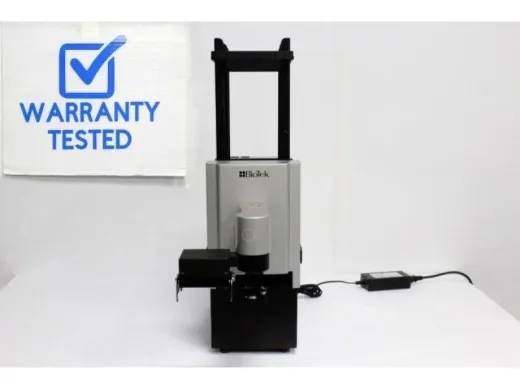
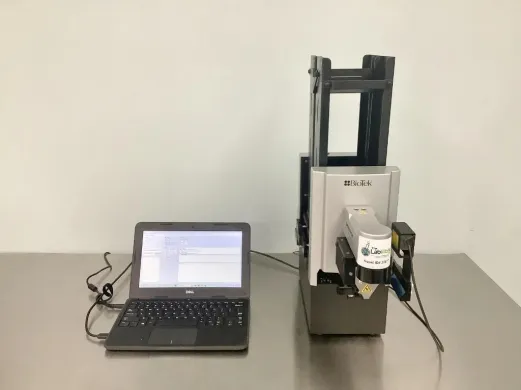
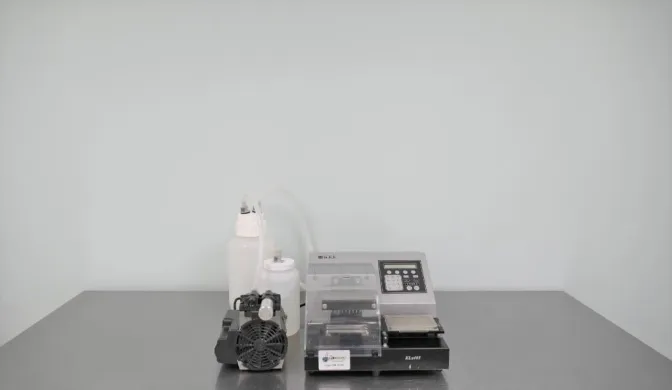
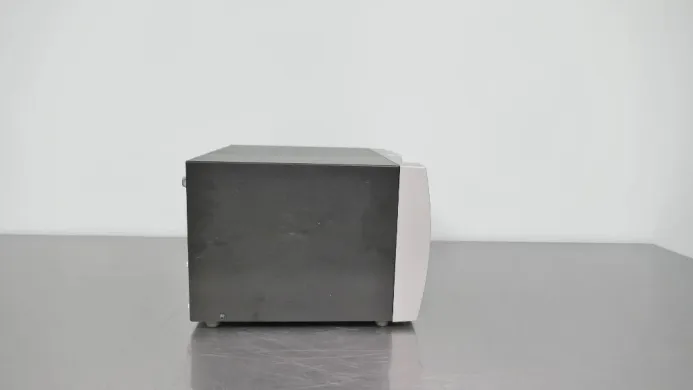
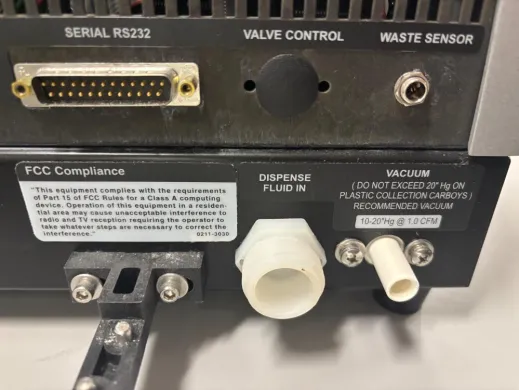
Instruments GAST Vacuum Pump 7103034
- Category
- Pumps liquid and other
- Brand
- BioTek
- Suppliers
- 1 verified
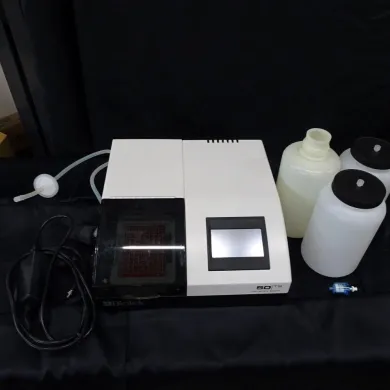
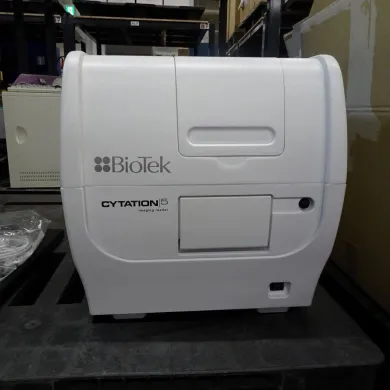
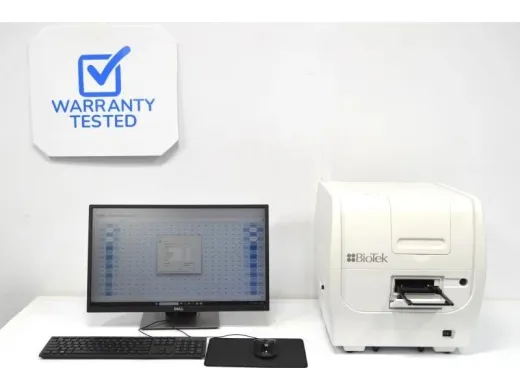
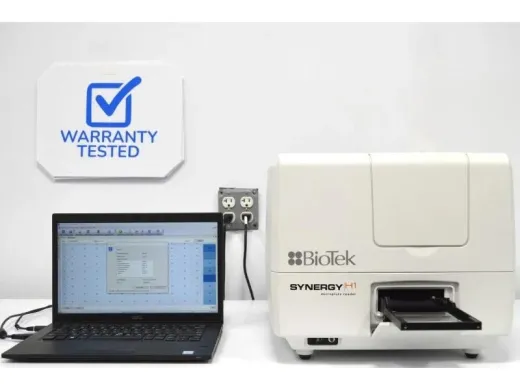
Not the exact instrument you need?
Tell our scientists what you are after. We track it down, including off-market supply.
Showing 1–40 of 158 listings
Show 40 more listingsAbout BioTek
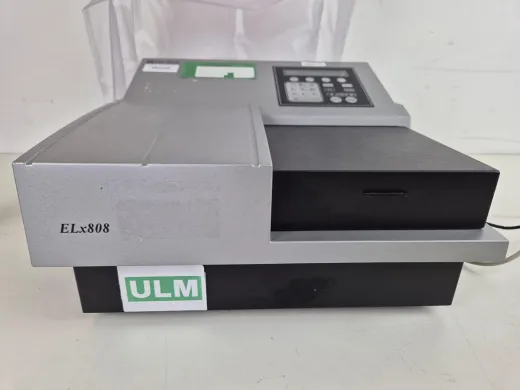
BioTek Instruments is an American life science instrumentation manufacturer founded in 1968 in Winooski, United States. The company was started by University of Vermont Medical College physiologist Dr. Norman Alpert to manufacture tools for biomedical safety testing. BioTek specialises in microplate readers, cell imaging systems, microplate washers, reagent dispensers and automated incubators, together with pipetting systems and laboratory automation. Its product lines include Cytation, Synergy, MultiFlo FX, BioSpa, ELx808, Take3 and PowerWave. Since August 2019 BioTek has been part of Agilent Technologies, which acquired the company. On Questpair, 329 of its listings are used and 2 are new, offered by 17 verified suppliers and distributors across 7 countries.
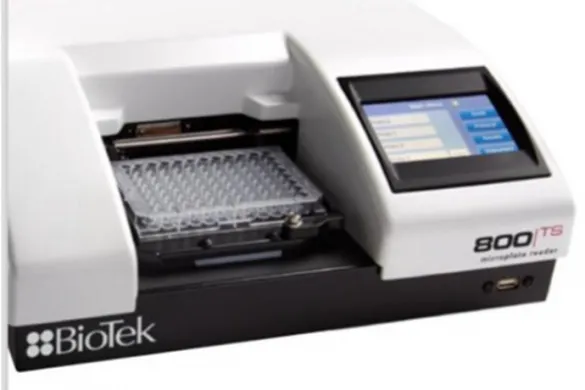
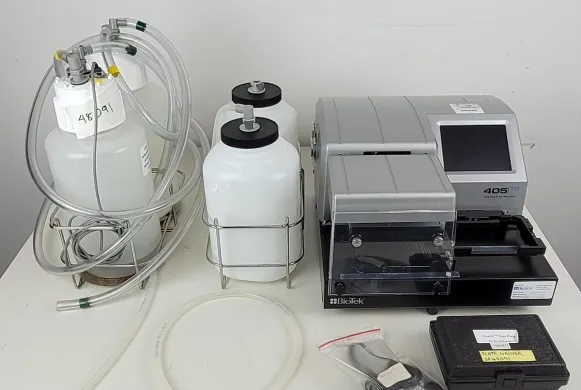
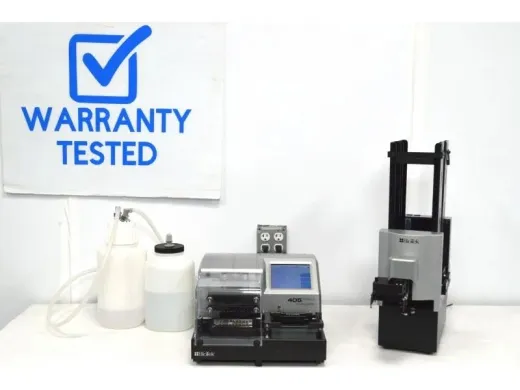
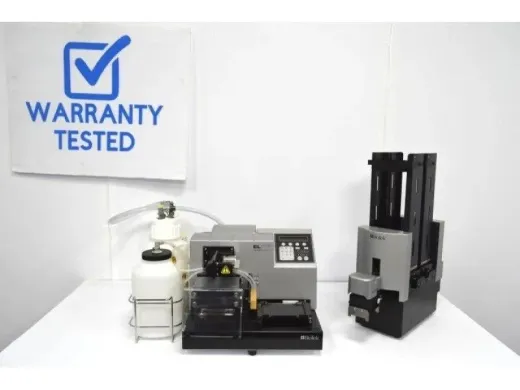
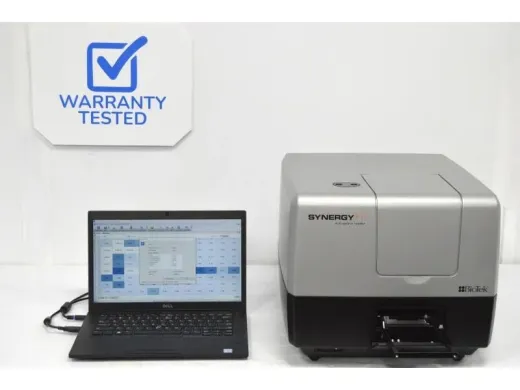
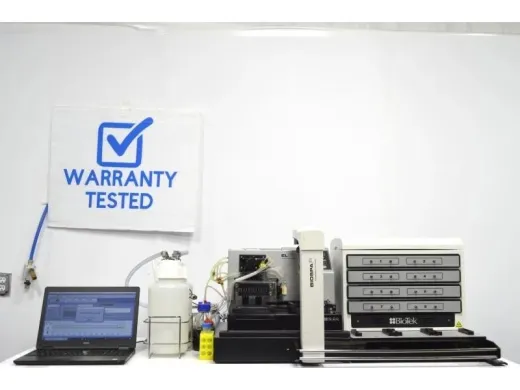
Microplate readers are the core of what BioTek makes, and they do the quantitative detection at the centre of the plate-based assay. A reader measures absorbance, fluorescence or luminescence across the wells of a microplate, which is the workhorse format for immunoassay, enzyme kinetics and cell-based screening. The Synergy and Cytation families read all three detection modes in one body, and the Cytation line adds widefield cell imaging, so a single unit does both the detection and the imaging that high-content screening needs. These instruments are used across drug discovery, molecular biology and cell biology, and the ELISA microplate reader is the form most buyers come searching for, since the enzyme-linked immunosorbent assay is still the standard readout for protein and antibody quantification. Automated microplate washers and reagent dispensers handle the liquid steps that bracket detection, and the BioSpa automated incubator with its stackers extends the same plate workflow into unattended, long-run cell culture and kinetic monitoring.
The cell imaging systems deserve their own note, because they sit where detection and microscopy meet. A Cytation imaging reader performs cell imaging and multimode detection in one enclosure, which puts it into live-cell assays, phenotypic screening and the kind of image-based readout that cell biology and proteomics increasingly rely on. For a lab moving from endpoint absorbance work toward image-based analysis, the imaging reader is the bridge between a plate reader and a dedicated microscope.
BioTek product lines on Questpair
The Cytation and Synergy lines are the multimode and imaging readers, the MultiFlo FX is the modular washer and dispenser, and the BioSpa is the automated incubator for longer cell-culture runs. Older single-mode readers such as the ELx808 absorbance reader and the PowerWave appear regularly in used stock, as does the Take3 micro-volume plate for low-sample nucleic acid and protein quantification. Across these families, prices range from EUR 43 to EUR 64.567, with an average near EUR 6.437, reflecting the gap between a basic absorbance reader and a fully optioned imaging system.
What a used BioTek reader costs and how it ships
99 percent of the listings are used. Prices run from EUR 43 to EUR 64.567. The spread covers single-mode readers at the low end and imaging readers with environmental control at the top, so the figure a specific buyer sees depends heavily on detection mode and configuration. Optical filters and detection modules are the detail to confirm against the assays a lab intends to run, and that confirmation happens against the individual listing. A warranty is often possible and is arranged in consultation for the specific listing, and parts can be sourced via Questpair. For documentation on a particular model, contacting Questpair reaches a specialist who responds within the hour.
Questpair review of BioTek
Our take based on listings data and supplier feedback
BioTek built its reputation on microplate detection, and that focus shows in how its instruments cluster on the used market. The breadth across one maker is the first thing a buyer notices. A lab that standardises on BioTek can source a plate reader, a washer, a dispenser and an imaging station without crossing brands, and the Questpair catalogue reflects that: models from the microplate reader lines sit alongside washers and reagent dispensers from the same catalogue. For a facility running assay development, that single-vendor coverage matters because reagent dispensers, washers and readers are used together in one workflow, and parts and consumables follow one naming system rather than several.
The second strength is the depth inside the detection lines themselves. The Synergy and Cytation families combine absorbance, fluorescence and luminescence in a single reader, and the Cytation units add widefield cell imaging to that detection block. Multimode capability is what separates these from a plain absorbance reader, and it is also what makes them expensive new. Here the condition data is decisive: 99 percent of the listings are used. A multimode reader or an imaging reader that would command a steep price new reaches a lab at a lower figure on the used market, which is where the practical case for buying BioTek second-hand sits. Microplate readers and multimode detection are the field this equipment serves, and the used route lowers the entry cost into it without changing what the instrument does.
The third point is price spread, and it is wide. Listings run from EUR 43 to EUR 64.567, with an average around EUR 6.437. That range is not noise. It separates a single-channel ELx808 microplate reader at the low end from a full Cytation imaging reader with incubation and gas control at the top, and both are genuinely BioTek, genuinely on the catalogue. A buyer with a narrow absorbance need and a tight budget is shopping the same brand as a buyer specifying high-content imaging, which is unusual for a single maker and useful when a lab's requirements are not yet fixed.
Two cautions apply to any used detection instrument, and they are practical rather than brand-specific. Optics and filter sets should be checked against the assays a lab actually runs, since a multimode reader configured for one detection mode is not automatically ready for another. Dispensers and washers have fluidic paths that wear, so a listing's condition notes are worth reading closely. Where a buyer wants to confirm optical configuration or arrange a warranty, that is settled against the specific listing rather than the brand as a whole. Across 17 suppliers, the configurations on offer vary, which is what gives the range its width in the first place.
**Breadth of a single detection platform**
BioTek instruments span microplate readers, cell imaging systems, washers and dispensers under one maker, and 331 listings carry models across those classes.
**Depth of multimode detection in used stock**
The Synergy and Cytation lines combine absorbance, fluorescence and luminescence in one unit, and 99 percent of the listings are used, where multimode readers reach a lab at a fraction of new pricing.
**A used market with real price spread**
Listings run from EUR 43 to EUR 64.567 across 17 verified suppliers and distributors, so a single-mode ELx808 and a full Cytation imaging reader sit in the same catalogue.
Frequently asked questions
Where can I find manuals and documentation for a BioTek instrument?
Documentation requests go through Questpair, where specialists respond within the hour. Give the exact model and series name from the listing so the right manual version can be matched to your unit.
How much does a BioTek instrument cost?
Listings on Questpair range from EUR 43 to EUR 64.567, with an average of EUR 6.437. Where a unit falls in that range depends mainly on configuration, from a standalone absorbance reader at the low end to a fully optioned Cytation imaging system at the high end.
What is the difference between a refurbished and a used BioTek unit?
A used unit is sold in its existing working condition, while a refurbished one has been checked and reconditioned before resale. Both are listed below new-unit prices on Questpair, so compare each individual listing on software version, filter sets, and included accessories rather than on the label alone.
Is a warranty included with a BioTek purchase?
A warranty is often possible and is arranged in consultation for the specific listing. Questpair does not set support terms centrally, so the terms attach to the individual unit rather than to the brand as a whole.
Are BioTek instruments suitable for clinical and research use?
BioTek microplate readers are used in plate-based immunoassays including the ELISA formats common in molecular diagnostics and antibody characterisation, as well as cell-based assays, reporter-gene screens, and viability measurements. Cytation imaging readers add cell imaging and label-free confluence measurement for workflows that pair quantification with morphological detail.
How long does a BioTek instrument last?
Laboratory microplate readers and washers routinely outlast several product revisions, which is why older models such as the ELx808 reader and the Take3 plate are still in circulation. Lifespan in practice depends on usage, maintenance, and whether replacement parts remain available for the specific platform.
Can I still get parts for a BioTek instrument?
Replacement parts can be sourced via Questpair. Specify the model and series so the correct dispenser modules, filter sets, or washer components are matched to your configuration.
What are the alternatives to BioTek plate readers?
Alternatives depend on which measurement you need: absorbance-only work, multimode fluorescence and luminescence, or combined imaging and reading. Within BioTek itself, Synergy and PowerWave cover reading, Cytation adds automated microscopy, and MultiFlo FX handles dispensing and washing, so the comparison often comes down to matching the instrument class to the assay rather than switching maker.
What is the lead time on a BioTek instrument?
Lead time depends on the individual listing, its location, and the supplier holding it. Because the inventory spans 17 verified suppliers and distributors across 7 countries, a given model may appear in more than one listing with different availability.
What is the difference between parts and spares for these instruments?
The terms refer to the same thing: replacement components for an existing unit, whether a dispenser module, filter set, or washer manifold. Parts for BioTek instruments can be sourced via Questpair against the specific model.
Can a BioTek instrument be shipped internationally?
Suppliers and distributors on Questpair are spread across 7 countries, so cross-border shipping is common. Shipping arrangements are set by the supplier holding the specific listing.
Which product lines does BioTek make and how do they differ?
Synergy and PowerWave are microplate readers for absorbance, fluorescence, and luminescence; Cytation pairs a multimode reader with an automated microscope for imaging; MultiFlo FX combines reagent dispensing and washing; and BioSpa adds automated incubation and plate handling for time-course work. Older entries such as the ELx808 reader and the Take3 micro-volume plate remain in use for protocols validated on them.
Which types of BioTek instruments are listed here and in what condition?
The listings cluster around microplate washers, automated microplate washers, automated plate washers, microplate readers, absorbance microplate readers, and multi-mode microplate readers. 99 percent of the BioTek inventory is used, so the pool is almost entirely resale units.
What separates the cheapest BioTek listings from the most expensive?
The gap tracks configuration rather than model name alone. A standalone absorbance reader or a plate washer sits near EUR 43, while a fully optioned Cytation imaging system with imaging and multimode reading approaches EUR 64.567, with software version, filter sets, dispenser modules, and included accessories filling the space between.
About Questpair
Questpair is the European marketplace for lab equipment, where AI-prepared cases and personal specialists guide every purchase. We work with 247 verified suppliers across 38 countries to find buyers the right new, used or refurbished instruments, with response within 1 hour and significant savings vs buying new.
Personal · Fast · Reliable · Affordable