
Qiagen equipment
We personally find you the right used, refurbished & new Qiagen instruments & equipment from verified suppliers
Qiagen is a Dutch molecular diagnostics and life sciences sample and assay technology manufacturer, incorporated in 1984 as Diagen in Dusseldorf by three doctoral students from Heinrich Heine University. The company is legally domiciled in Venlo in the Netherlands and runs its main operations from Hilden in Germany, trading independently on the NYSE as QGEN. Its product range covers sample preparation kits, PCR and digital PCR instruments, nucleic acid purification systems, sequencing kits, and bioinformatics software. On Questpair, 301 used Qiagen items are listed by verified suppliers and distributors across 6 countries.
Updated:
Qiagen product list
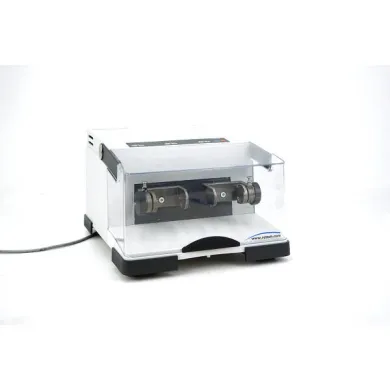
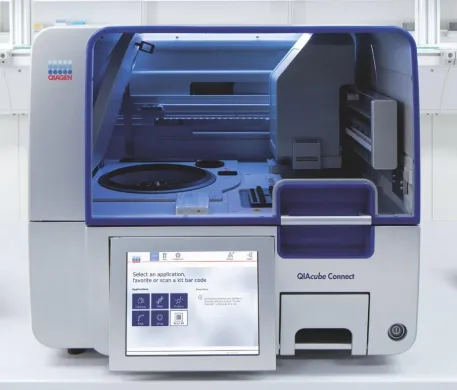
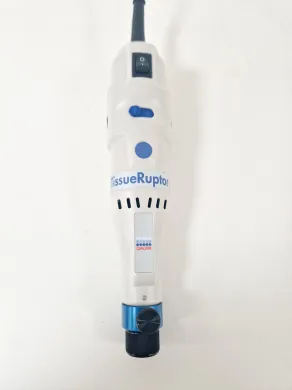
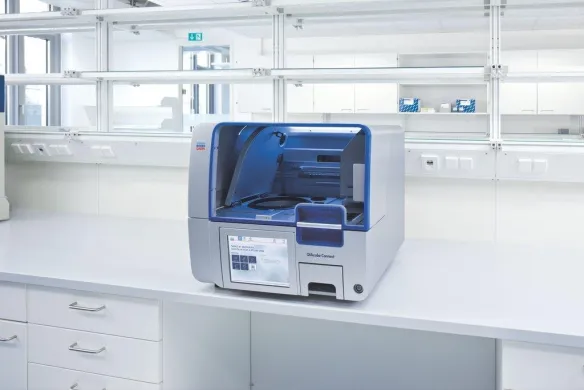


Not the exact instrument you need?
Tell our scientists what you are after. We track it down, including off-market supply.
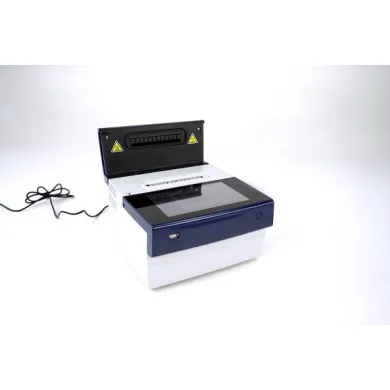
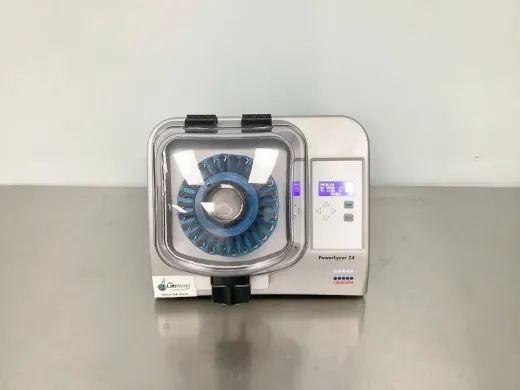
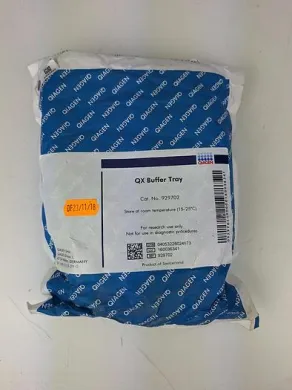
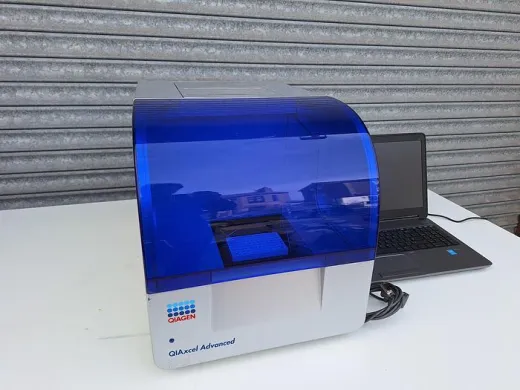
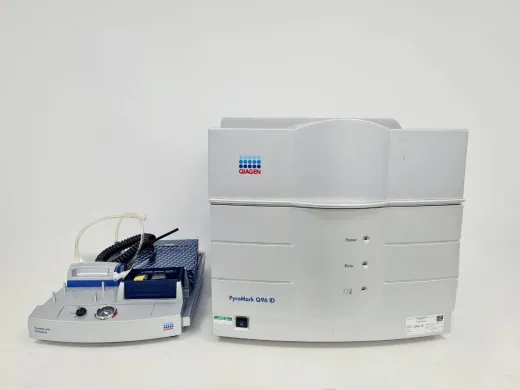
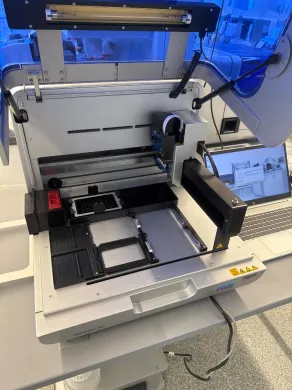
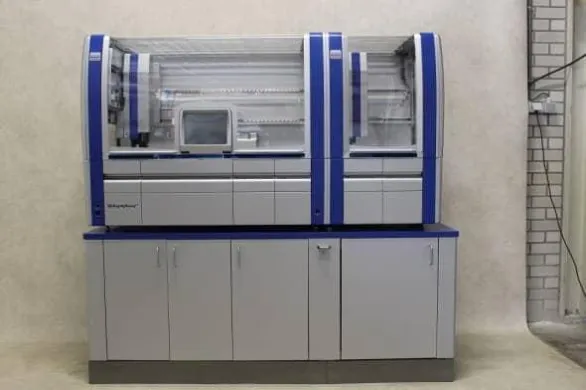
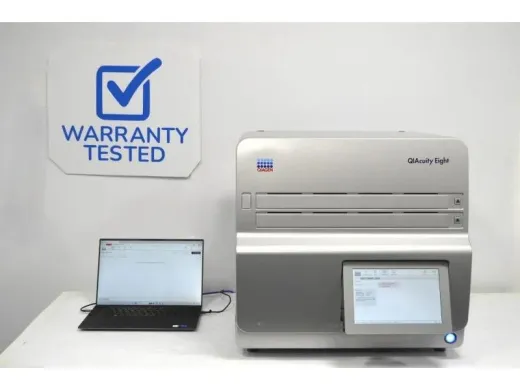
Not the exact instrument you need?
Tell our scientists what you are after. We track it down, including off-market supply.
Showing 1–40 of 155 listings
Show 40 more listingsAbout Qiagen
Qiagen is a Dutch molecular diagnostics and life sciences sample and assay technology manufacturer, incorporated on 29 November 1984 as Diagen in Dusseldorf, Germany. It was founded by three Heinrich Heine University Dusseldorf doctoral students, Metin Colpan, Karsten Henco, and Jurgen Schumacher, with academic co-founder Detlev Riesner, to supply molecular insight products. The company is legally domiciled in Venlo in the Netherlands and runs its main operations from Hilden in Germany. QIAGEN N.V. is an independent publicly traded company, listed on the NYSE as QGEN and on the Frankfurt exchange as QIA, with no controlling shareholder as of FY2025. Its catalogue covers sample preparation kits and consumables, PCR and digital PCR instruments, nucleic acid purification systems, sequencing kits and panels, molecular diagnostic assay systems, and bioinformatics software. The company's core expertise is the chemistry and automation of extracting and analysing nucleic acids, which places it at the start of most molecular biology and genomics workflows.
Qiagen product lines on Questpair
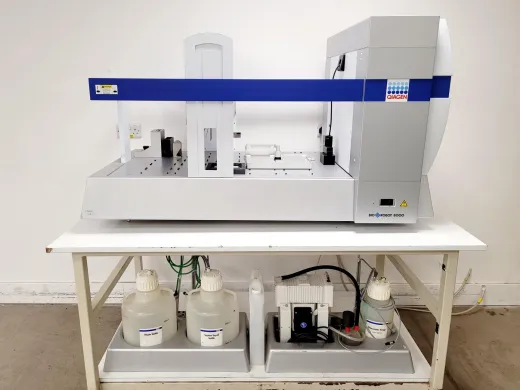
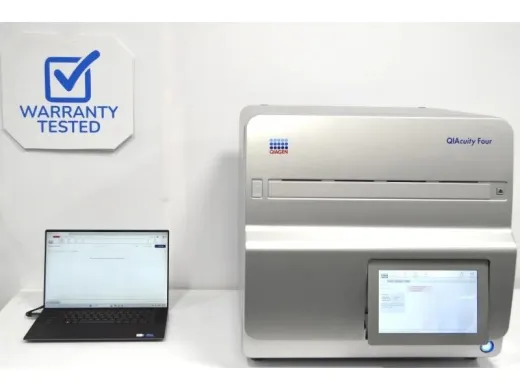
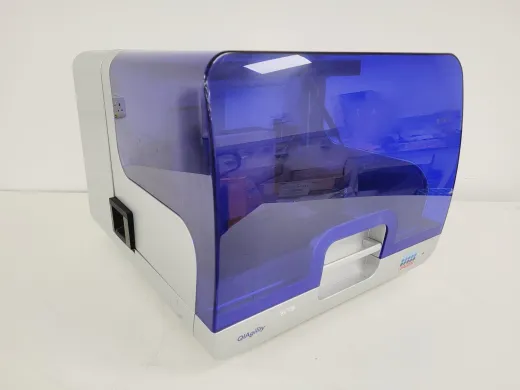
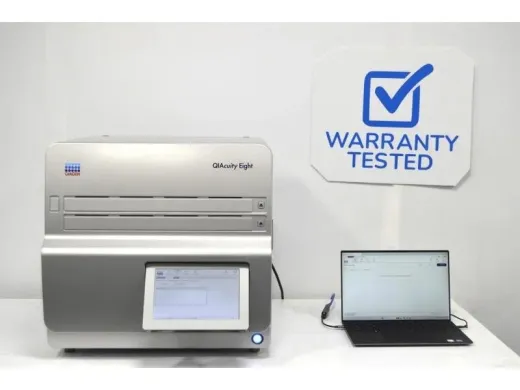
The maker's work sits in molecular biology and molecular diagnostics, and its instrument classes carry that work directly. Nucleic acid purification systems do the extraction step that every downstream genomics and sequencing experiment depends on, isolating DNA and RNA from blood, tissue, and cell culture samples. The QIAsymphony platform automates this purification across many samples at once, which is why it appears in laboratories running high-throughput molecular diagnostics and biobanking. Thermal cyclers and digital PCR instruments do the amplification and quantification that follow: the QIAcuity line performs digital PCR, partitioning a reaction into thousands of compartments to count nucleic acid targets absolutely, a technique used in gene expression analysis, copy number measurement, and rare mutation detection.
Assay platforms carry the diagnostic side of the catalogue. QIAstat-Dx runs syndromic molecular diagnostics, testing a single sample against a panel of pathogens in one cartridge, and QuantiFERON is an immunoassay-based system widely used for tuberculosis screening. QIAseq designates the sequencing kits and panels that prepare libraries for next-generation sequencing, feeding the proteomics-adjacent and genomics applications that read what the sample contains. The bioinformatics side, QIAGEN Digital Insights, formerly Ingenuity Systems, is the software that interprets sequencing and variant data. Across these classes the recurring theme is a complete path from sample to answer: purification, amplification, detection, and interpretation, which is how a molecular diagnostics manufacturer differs from one that makes a single instrument type.
What is listed on Questpair?
The Questpair catalogue holds 301 Qiagen listings from 14 verified suppliers and distributors across 6 countries. 100 percent of the listings are used. Prices range from EUR 43 to EUR 47.345, averaging around EUR 4.425, a spread that reflects the distance between consumables and accessories at one end and capital instruments such as automated purification and digital PCR systems at the other.
What appears depends on what suppliers have listed at a given time, so the catalogue is best read as a live inventory rather than a fixed product line. For documentation on a specific instrument, a buyer can contact Questpair and specialists respond within an hour. Parts for a listed unit can be sourced via Questpair. Where warranty matters, it is often possible and is arranged in consultation for the specific listing, so the terms attach to the individual unit rather than to the brand as a whole. For a laboratory weighing a used Qiagen platform against a new one, the price difference is the clear distinction the catalogue supports, and the condition and terms of each listing are what to read before committing.
Questpair review of Qiagen
Our take based on listings data and supplier feedback
Qiagen occupies a specific place in the molecular biology supply chain: it makes the chemistry and the instruments that turn a raw biological sample into purified, analysable nucleic acid, and then the assays that read that material. For a buyer looking at the Questpair catalogue, that integration is the first thing the listings reflect. The three benefits above each follow from it, and each deserves scrutiny rather than a simple endorsement.
The breadth claim holds up when you look at what the catalogue actually spans. Sample preparation consumables, purification instruments, and the thermal cyclers that drive the amplification step all come from one maker here, which is genuinely useful when you are building a workflow rather than buying a single box. The practical value is reagent and protocol continuity: a lab that standardises on one extraction chemistry and one amplification platform spends less time revalidating. The qualifier is that breadth in a used catalogue is not the same as breadth in a new price list. What appears on Questpair depends on what suppliers have listed, so the span is real but not guaranteed to cover every stage on any given day. A buyer equipping a full bench should treat the catalogue as a starting inventory, not a complete kit.
The platform point is where Qiagen's reputation does real work. The named families, QIAcuity for digital PCR, QIAsymphony for automated purification, QIAstat-Dx for syndromic testing, are recognised instruments in molecular diagnostics and research genomics, and buying one used is a legitimate way to access that capability at a lower entry cost. The caution is specific to automated platforms: these are instruments with consumables, software, and sometimes assay panels tied to them, so the sticker price is not the whole cost of ownership. Anyone pricing a used QIAsymphony or QIAcuity should budget for the running consumables separately and confirm the condition of the fluidics and optics, because those are the parts that determine whether a purification or partitioning instrument still performs to spec.
The pricing benefit is the most straightforward and the easiest to verify. 100 percent of the listings are used. Prices run from EUR 43 to EUR 47.345, with an average around EUR 4.425. That spread is wide because the catalogue holds both low-cost consumables and accessories at one end and capital instruments such as digital PCR systems at the other. For the expensive platforms the used discount against new is where the saving concentrates, and for a lab working to a fixed capital budget that is the reason to look here first. Warranty is not uniform across a used catalogue; where it matters, it is arranged in consultation for the specific listing, so the condition and terms of the individual unit are what to read rather than any blanket assumption. Taken together, the catalogue rewards a buyer who knows which workflow stage they are filling and treats each listing on its own terms.
**Breadth of sample and assay technology in one catalogue**
The Questpair listings span sample preparation consumables, PCR and digital PCR instruments, and nucleic acid purification systems from a single maker, so a buyer equipping a molecular biology bench can source several workflow stages from the same catalogue.
**Instrument platforms from a recognised molecular diagnostics manufacturer**
Qiagen built its identity on nucleic acid purification and assay chemistry, and the catalogue reflects that, carrying named platforms such as QIAcuity and QIAsymphony alongside the consumables they run on.
**Used units listed below new pricing**
Every Qiagen listing on Questpair is a used unit, and used equipment is listed at lower prices than new, which matters for a capital instrument like a digital PCR system where the new price reaches into the tens of thousands.
Frequently asked questions
Where do I find manuals and documentation for Qiagen instruments?
Documentation requests go through Questpair, where specialists respond within one hour. Tell them the model and the specific listing you are looking at so they can match the right manual.
How much does Qiagen equipment cost?
Across the Qiagen listings on Questpair prices range from EUR 43 to EUR 47.345, with an average near EUR 4.425. The spread reflects everything from consumable lots to automated extraction robots and digital PCR systems.
What is the difference between refurbished and used Qiagen units?
Both are offered below the price of a new equivalent, and all Qiagen listings here are pre-owned at 100 percent of the catalogue. Condition varies by individual unit, so check the specific listing rather than relying on the label alone.
Do Qiagen listings come with a warranty?
A warranty is often possible and is arranged in consultation for the specific listing. Terms depend on the unit, so raise it with the supplier before purchase.
Is Qiagen equipment suitable for clinical and research use?
Qiagen builds both: QIAstat-Dx and QuantiFERON are clinical molecular diagnostic lines, while QIAcuity digital PCR and QIAsymphony extraction serve research and molecular biology labs. Several platforms, such as QIAcuity, are used in both settings.
How long do Qiagen instruments last?
Automated extraction and PCR systems carry moving parts and optical components that wear with use, so service history matters more than age. Lifespan on a used unit is best judged from the condition described in its individual listing.
Can I get spare parts for Qiagen instruments?
Parts can be sourced through Questpair. Provide the model and the component you need so the request reaches a supplier who stocks it.
What are the alternatives to Qiagen for sample prep and PCR?
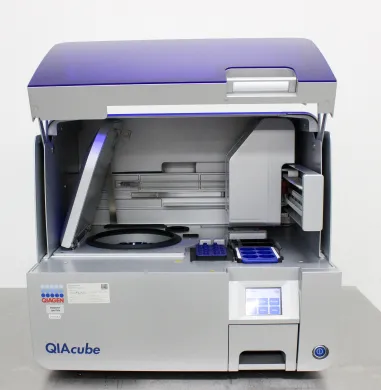
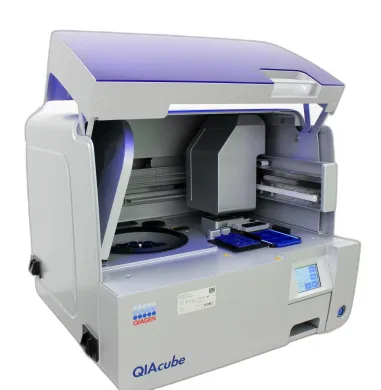
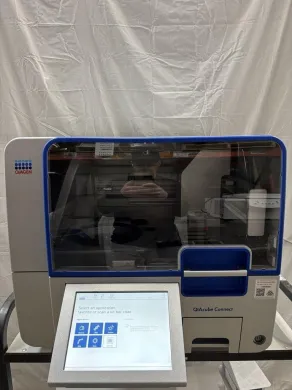
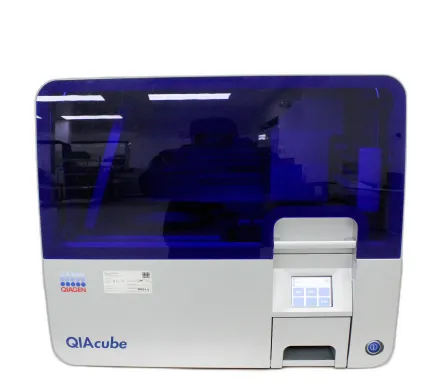
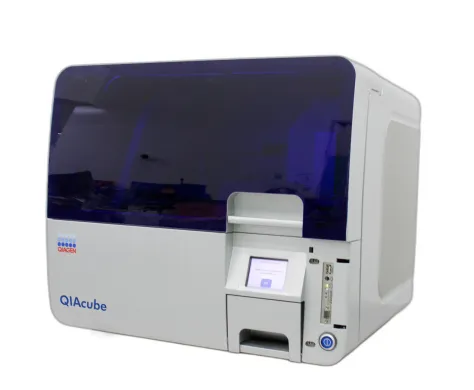
For automated nucleic acid extraction, other makers offer bead-based and column-based platforms in the same class as QIAsymphony and QIAcube. For digital PCR comparable to QIAcuity, droplet and chip-based systems exist from several manufacturers; which fits depends on your throughput and assay chemistry, so compare on the instrument class you need.
What is the lead time on a Qiagen order?
Lead time depends on the supplier and whether the unit is in stock, since listings come from 14 verified suppliers and distributors across 6 countries. The individual listing and the supplier give the accurate timeframe.
What is the difference between parts and spares for Qiagen equipment?
The terms are used interchangeably here: both mean replacement components for an instrument, whether a wear item like a pipetting head or a consumable fitting. Parts can be sourced through Questpair against a specific model.
Can Qiagen equipment be shipped internationally?
Listings are offered by suppliers across 6 countries, so cross-border shipping is common. Arrangements and costs are set by the individual supplier on each listing.
Which Qiagen product lines exist and how do they differ?
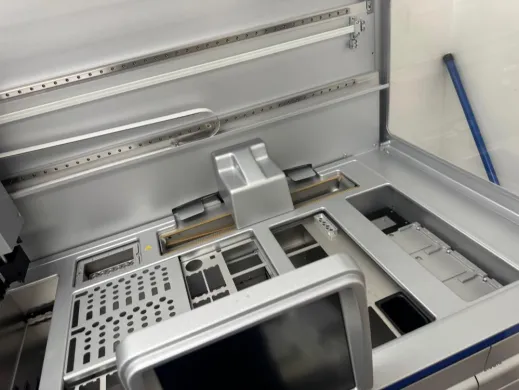
QIAsymphony and QIAcube automate nucleic acid extraction and purification; QIAcuity runs digital PCR for absolute quantification; QIAstat-Dx handles syndromic multiplex panels for clinical testing; QuantiFERON is the interferon-gamma release assay for tuberculosis screening; QIAseq supplies NGS library prep and target enrichment panels; and QIAGEN Digital Insights provides the bioinformatics layer that interprets variant data. They map to the stages of a sequencing or diagnostic pipeline from raw sample to interpreted result.
Which Qiagen instrument types are actually listed here and in what condition?
The Qiagen listings centre on automated nucleic acid purification systems, molecular diagnostics equipment, automated sample preparation systems, laboratory automation systems, and molecular biology automation equipment. All 301 listings are used, at 100 percent of the catalogue, so each sits below its new-equivalent price and condition is described per listing.
What separates the cheapest Qiagen listings from the most expensive?
At the low end sit consumable lots and simpler bench items; at the high end sit automated extraction robots and digital PCR platforms with moving and optical parts. The price gap from EUR 43 to EUR 47.345 tracks that move from consumables to full automation, plus the condition of each individual unit.
About Questpair
Questpair is the European marketplace for lab equipment, where AI-prepared cases and personal specialists guide every purchase. We work with 247 verified suppliers across 38 countries to find buyers the right used, refurbished or new instruments, with response within 1 hour and significant savings vs buying new.
Personal · Fast · Reliable · Affordable