

HPLC, Liquid Chromatography
We personally find you the right used, refurbished and new hplc, liquid chromatography instruments & equipment from verified suppliers.
High-performance liquid chromatography (HPLC) is an analytical technique that separates, identifies, and quantifies compounds dissolved in a liquid by forcing the sample through a packed column under high pressure. An HPLC system combines a pump, an injector or autosampler, a separation column, and a detector into one instrument, and the method underpins routine work in pharmaceutical quality control, environmental testing, and food analysis. On Questpair, 3157 HPLC listings are available from 20 verified suppliers across 20 countries. New, used, and refurbished units are all listed; 96 percent of the laboratory listings are used, the remainder new. Prices in the catalogue run from EUR 1 to EUR 236.745.
Updated:
HPLC, Liquid Chromatography product list


Not the exact instrument you need?
Tell our scientists what you are after. We track it down, including off-market supply.
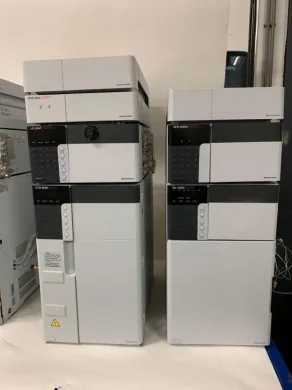
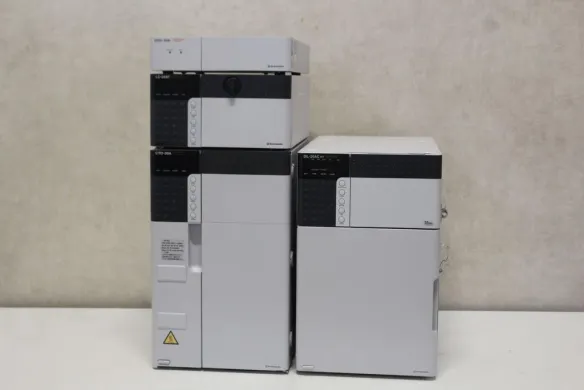
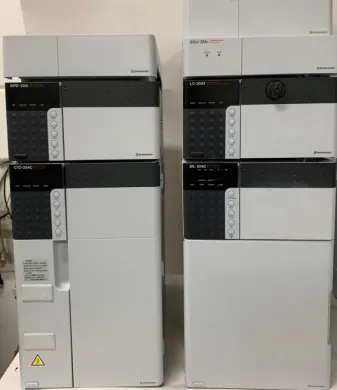
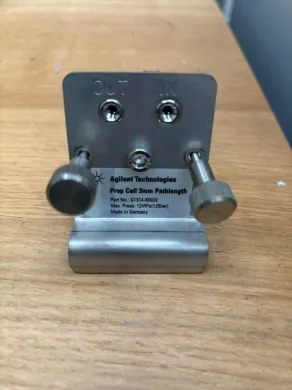
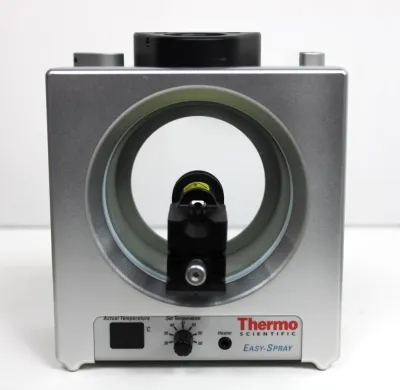
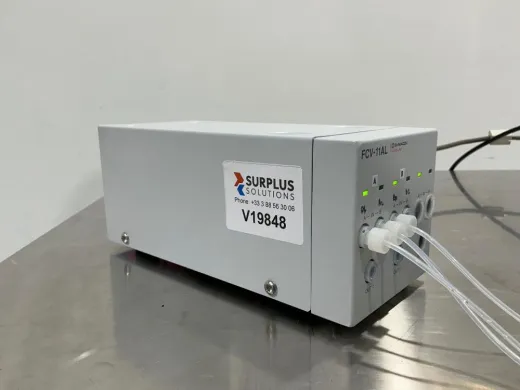
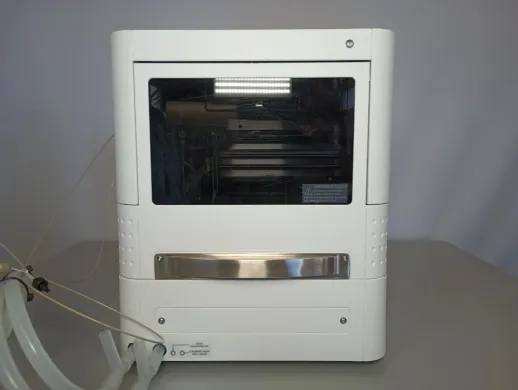
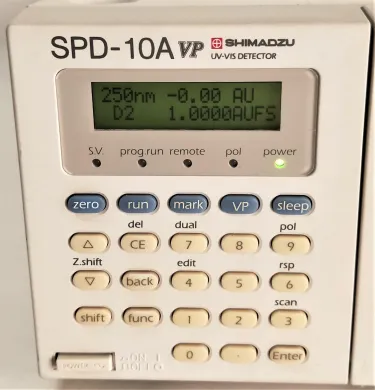
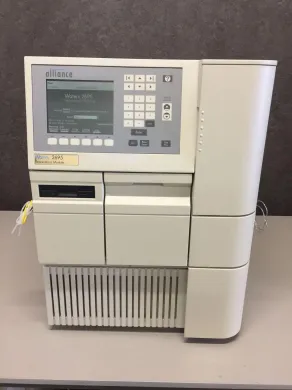
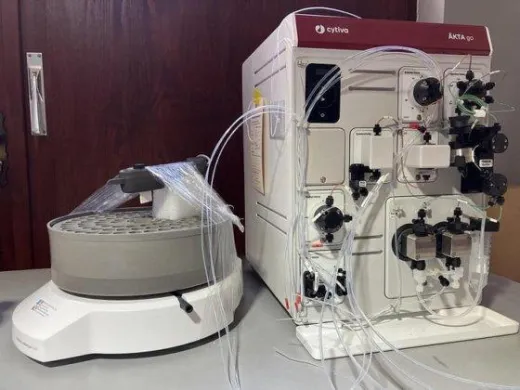
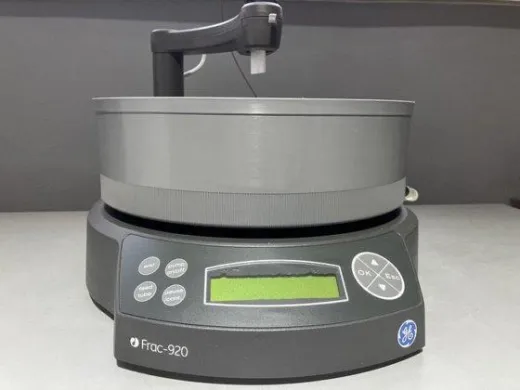
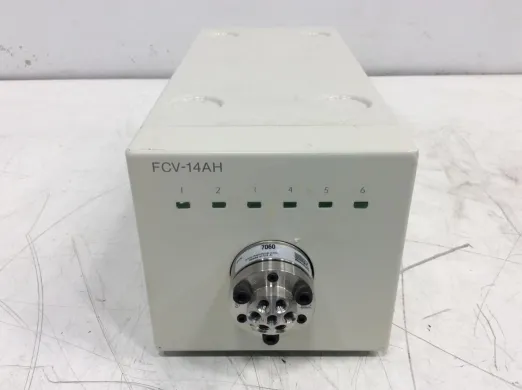
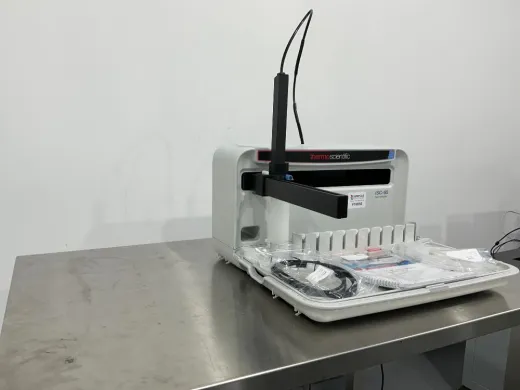
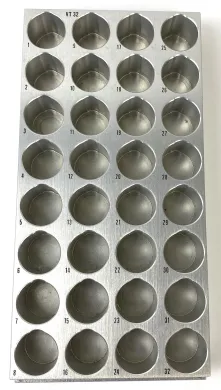
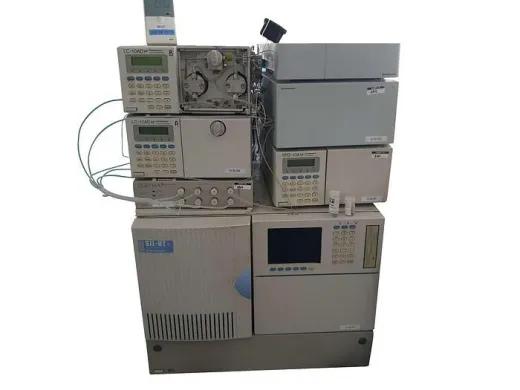
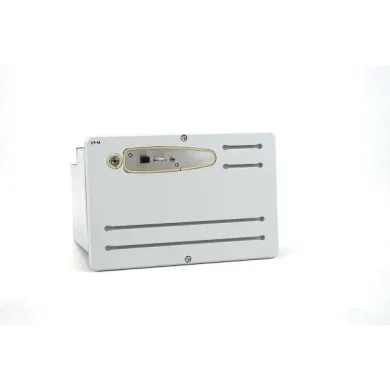
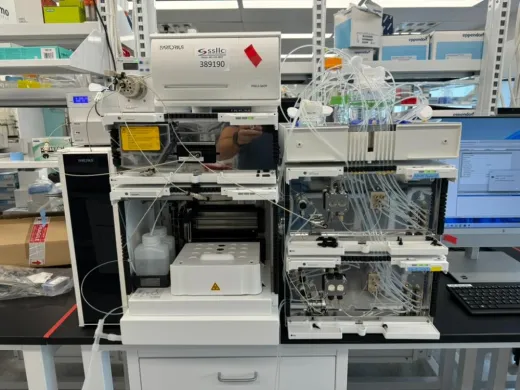
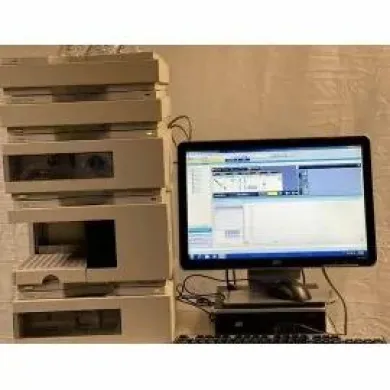
Shimadzu SIL-HT HPLC System with Accessories
- Category
- Hplc systems
- Brand
- Shimadzu
- Suppliers
- 1 verified
Not the exact instrument you need?
Tell our scientists what you are after. We track it down, including off-market supply.
Showing 1–40 of 2,065 listings
Show 40 more listingsBuying guide
The detector decides most HPLC purchases, because it fixes what the system can actually measure. A variable-wavelength or diode-array UV detector covers the majority of pharmaceutical and small-molecule work; a refractive index detector is needed for compounds without a chromophore, such as sugars and polymers; a fluorescence or mass-selective detector is the choice where sensitivity or structural confirmation matters. Settle the detector first, because the pump and the column are specified around it rather than the other way round. A system built for a diode-array detector running a methanol gradient has different pressure and solvent-delivery requirements than an isocratic setup feeding a single-wavelength monitor.
Once the detection chemistry is set, the pump determines the kind of separation available. A binary or quaternary gradient pump handles complex mixtures and method development; an isocratic pump suffices for stable, single-mobile-phase assays and costs considerably less. Check the pressure rating against the columns intended for the work, since sub-two-micron particles push a standard HPLC toward UHPLC pressures.
On a used liquid chromatograph the verification is mechanical rather than theoretical. Confirm the pump seals and check valves hold pressure, ask whether the system has recent performance qualification documentation, and establish the lamp hours on a UV or fluorescence detector, as lamps are consumable and replacement is a real cost. The autosampler needle and injection valve wear with use, so a listing that notes injection-volume accuracy or recent servicing is worth more than one sold without that history. Firmware and software licensing also travel with the instrument, so verify that control software is included and compatible with the detector configuration.
Price spans a wide range here. Prices run from EUR 1 to EUR 236.745, with an average around EUR 8.104. The low end covers individual accessories, columns, and standalone modules; complete systems with modern detectors sit at the upper end. The budget a laboratory sets usually determines whether it buys a complete turnkey instrument or assembles a system from separate modules. Refurbished units listed for sale cost noticeably less than new, which is why 3013 of the listings are used. The brands that dominate the band are Agilent, Waters, Thermo Scientific, Agilent Technologies, Shimadzu, and a used instrument from one of these makers is generally easier to source parts and software for than a less common name.
Types of HPLC, Liquid Chromatography
Which HPLC component types are listed?
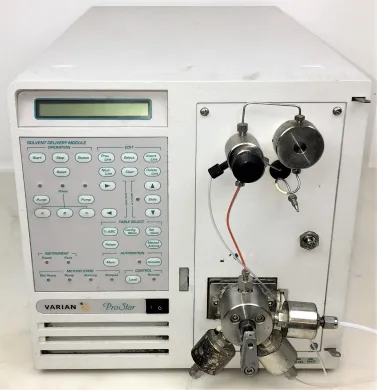
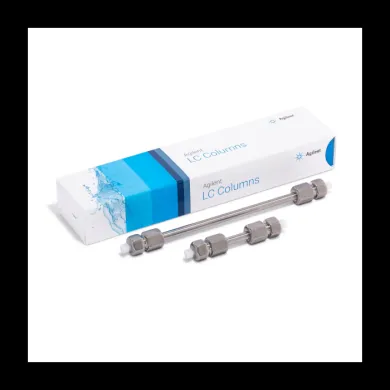
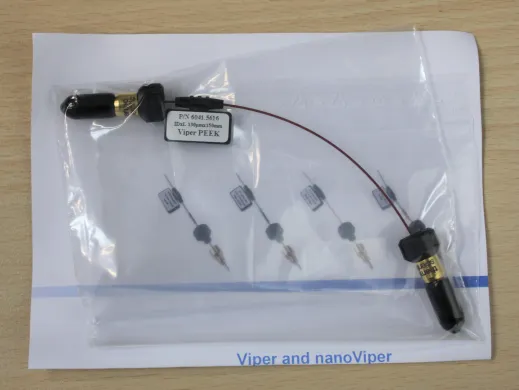
Among the listings that specify a type, the catalogue splits between complete instruments and the modules that make them up. A high-performance liquid chromatography (HPLC) system is the assembled instrument, ready to run once a column and method are loaded. An HPLC pump delivers the mobile phase at controlled pressure and flow, and is the module most often replaced or upgraded as separation needs change. An HPLC detector sits at the column outlet and converts the separated bands into a measurable signal, with UV, diode-array, refractive index, and fluorescence variants each suited to different chemistries. An autosampler automates injection, raising throughput for laboratories running long sample queues. A liquid chromatography accessory covers tubing, fittings, lamps, seals, and other consumables that keep a system running. A preparative chromatography column is the wider, higher-capacity column used when the goal is to collect purified material rather than to analyse it.
This equipment does the separation work behind much of molecular biology and the pharmaceutical sciences. HPLC is the standard tool for protein purification and peptide analysis, and reverse-phase and ion-exchange columns are routine in proteomics for resolving complex digests before mass spectrometry. Preparative columns are also used for isolating compounds in natural-product and biomanufacturing workflows, where the fraction collected feeds downstream synthesis or formulation. In molecular diagnostics and clinical analysis, liquid chromatography coupled to a mass detector quantifies drug metabolites and biomarkers, and the same chromatographic separation underpins immunoassay method validation and genomics reagent quality control.
The brands behind the HPLC listings
The HPLC listings are dominated by Agilent, Waters, Thermo Scientific, Agilent Technologies, Shimadzu. For a buyer this concentration is an advantage: these makers have large installed bases, so replacement pumps, detector lamps, seals, and columns remain widely stocked, and a given model is easy to compare against others of the same series on the market. Instruments from these makers also tend to hold established control software ecosystems, which simplifies integration when a module is added to an existing bench. Where a listing carries a less common name, confirm that consumables and software remain obtainable before committing.
What a used HPLC system costs here
The split is heavily toward pre-owned equipment: 3013 of the listings are used against 139 new, or 96 percent used. Prices run from EUR 1 to EUR 236.745. That spread covers everything from a single lamp or fitting at the low end to a complete multi-detector system at the high end, which is why a flat average sits at EUR 8.104 rather than near either boundary. Used and refurbished units are listed below new pricing, and the catalogue holds stock across 20 countries.
Frequently asked questions
What is HPLC?
HPLC, or high-performance liquid chromatography, is an analytical technique that separates, identifies, and quantifies compounds dissolved in a liquid by forcing the sample through a packed column under high pressure. A complete system combines a pump, an injector or autosampler, a separation column, and a detector.
What does HPLC stand for and mean?
HPLC stands for high-performance liquid chromatography. It describes the use of high-pressure pumps to push a liquid mobile phase and sample through a tightly packed column, so compounds separate as they move through at different rates.
How does HPLC work?
A pump delivers the mobile phase at controlled pressure through a column packed with a stationary phase, and an injected sample separates into bands as its components interact differently with that packing. A detector at the column outlet converts each band into a measurable signal for identification and quantification.
What types of HPLC equipment are listed in this category?
The catalogue covers complete high-performance liquid chromatography (HPLC) systems alongside the modules that build them: HPLC pumps, HPLC detectors, autosamplers, liquid chromatography accessories such as tubing and seals, and preparative chromatography columns. Systems are the assembled instrument, while the modules let a buyer replace or upgrade a single function.
What is HPLC used for?
HPLC underpins pharmaceutical quality control, environmental testing, and food analysis, and is a standard tool for protein purification and peptide analysis. Coupled to a mass detector it quantifies drug metabolites and biomarkers in clinical and molecular diagnostics work.
How do I choose an HPLC system?
Start with the detector, because it fixes what the system can measure: UV or diode-array covers most small-molecule work, refractive index handles compounds without a chromophore, and fluorescence or mass-selective detectors are chosen for sensitivity or structural confirmation. The pump and column are then specified around the detector, with the pump type determining whether gradient or isocratic separations are available.
What is the difference between an autosampler and a manual injector?
An autosampler automates injection and runs long sample queues without an operator present, raising throughput. A manual injector requires each sample to be loaded by hand, which suits lower sample volumes but is slower for large batches.
Refurbished versus used HPLC, what is the difference?
A used unit is sold in its current condition, while a refurbished unit has been checked and reconditioned before listing. For a used liquid chromatograph, confirm the pump seals and check valves hold pressure and ask about lamp hours and recent servicing documentation, since these details vary listing by listing.
How much does an HPLC system cost?
Prices in this category range from EUR 1 to EUR 236.745, with an average around EUR 8.104. The low end covers individual accessories, columns, and standalone modules, while complete systems with modern detectors sit at the upper end.
Which brands dominate the HPLC listings?
The listings are concentrated among Agilent, Waters, Thermo Scientific, Agilent Technologies, and Shimadzu. These makers have large installed bases, so replacement pumps, detector lamps, seals, and columns remain widely stocked, and comparing one model against others in the same series is straightforward.
What does the brand concentration mean for me as a buyer?
With listings concentrated among a handful of makers, consumables and control software for those models are easier to obtain, and a given model is simple to compare against others of the same series. Where a listing carries a less common name, confirm that consumables and software remain obtainable before committing.
Is a warranty available on a refurbished HPLC?
A warranty is often possible and is arranged in consultation for the specific listing. Terms are set per listing rather than centrally, so check the individual listing and confirm what it includes.
Can I get replacement parts for an HPLC system?
Parts can be sourced via Questpair, which matters for consumables like detector lamps, pump seals, and check valves that wear with use. Instruments from the common makers in this category also tend to have widely stocked replacement modules.
How long does an HPLC system last?
Service life depends on usage and maintenance of consumable parts rather than the instrument chassis, which can run for many years. Lamps, pump seals, check valves, and the autosampler needle wear and need periodic replacement, so a well-maintained system stays usable far longer than one run without servicing.
Should I buy new or refurbished HPLC equipment?
Used and refurbished units are listed at lower prices than new, which is why 3013 of the listings are used against 139 new. When weighing the two, check the condition notes on the individual listing and confirm warranty terms in consultation for that unit.
Where can I buy HPLC systems and modules?
Questpair lists 3157 HPLC listings from 20 verified suppliers and distributors across 20 countries. New, used, and refurbished units are all available through the catalogue.
What are lead time and shipping like?
Lead time and shipping depend on the individual listing and the supplier's location, and stock sits across 20 countries. For a firm timeline on a specific unit, contact Questpair, where specialists respond within one hour.
What calibration and maintenance does an HPLC need?
Routine upkeep covers replacing pump seals and check valves, tracking detector lamp hours, and servicing the autosampler injection valve and needle. Many instruments are also supported by performance qualification documentation, so ask whether a used listing includes recent PQ records. Questpair does not perform servicing itself.
What separates the cheapest listings from the most expensive?
The low end covers individual accessories, columns, standalone pumps, or a single detector lamp or fitting, while the high end is a complete multi-detector system ready to run. The detector configuration drives much of that spread, since a diode-array or mass-selective setup adds far more than a single-wavelength monitor.