

Safety cabinets
We personally find you the right used, refurbished and new safety cabinets instruments & equipment from verified suppliers.
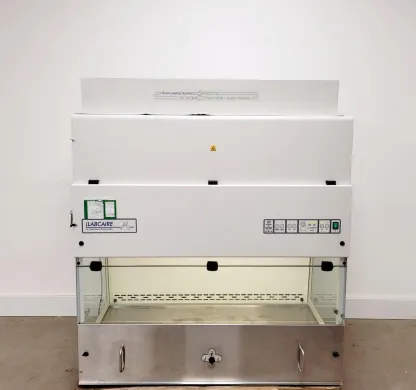
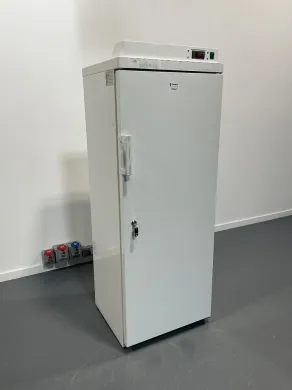
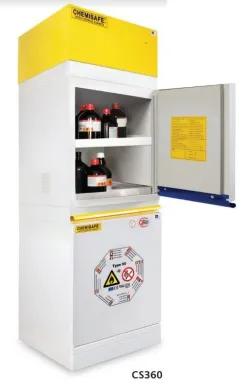
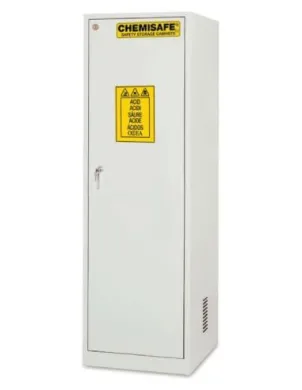
Safety cabinets are enclosures that store hazardous materials or contain hazardous work, built to protect laboratory staff, samples and the room from fire, fumes or biological agents. The term covers two distinct jobs: passive storage units that hold flammable or corrosive chemicals behind fire-rated walls, and ventilated biological safety cabinets that draw contaminated air through filters while an operator works. The Questpair catalogue holds 830 safety cabinet listings from 18 verified suppliers and distributors across 8 countries. New, used and refurbished units all appear, and 89 percent of the listings are used. Prices run from EUR 17 to EUR 21.316, a span that reflects how far apart a small storage locker and a certified laminar-flow cabinet sit.
Updated:
Safety cabinets product list


Not the exact instrument you need?
Tell our scientists what you are after. We track it down, including off-market supply.
Not the exact instrument you need?
Tell our scientists what you are after. We track it down, including off-market supply.
Showing 1–40 of 198 listings
Show 40 more listingsBuying guide
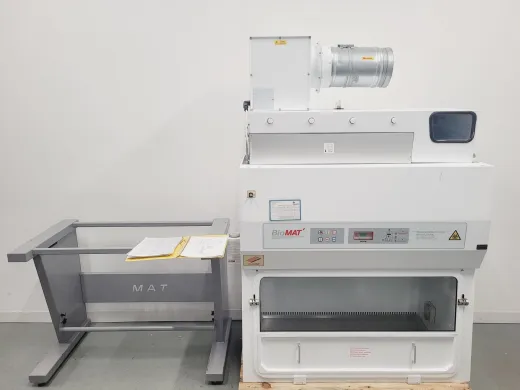
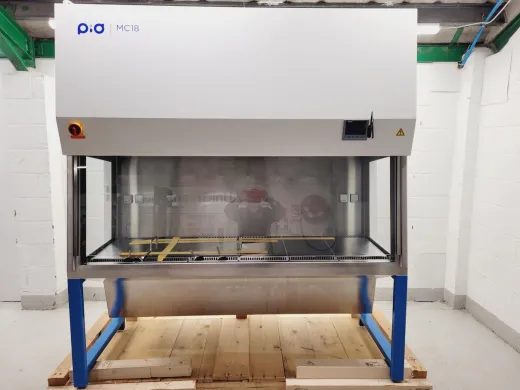
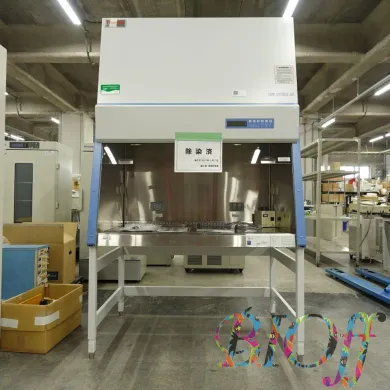
The first decision is not a specification at all, it is which of two unrelated products the word covers. A chemical storage cabinet is a passive steel box: it holds flammable or corrosive liquids and its performance is a fire rating, measured in minutes of resistance. A biological safety cabinet is an active ventilation device with a blower, HEPA filtration and an airflow profile that protects the operator, the sample, or both. A unit bought for one job cannot do the other, so settle the application before reading a single datasheet.
For storage cabinets, capacity and fire rating decide the purchase together. Capacity is stated in litres or in the number of drums or jerrycans the shelves hold, and the rating follows a standard the buyer's jurisdiction recognises, so a cabinet certified for one market may not satisfy an inspector in another. For biological safety cabinets, the governing figure is the protection class, Class I, II or III, because it determines what the cabinet shields and whether recirculated air is acceptable for the agents in use. Working width and the filter configuration follow from that class.
Condition carries more weight here than on most equipment, and it carries differently for the two product types. A used storage cabinet is largely mechanical: check the door seals, the self-closing hinges, and that the fire-rated panels are undamaged, since a dented or breached wall compromises the only function the cabinet has. A used biological safety cabinet is a different proposition, because its filters degrade and its airflow drifts, so verify when it was last certified and plan for recertification after installation. The blower, the filter housings and the sash mechanism are the parts that fail; ask about all three before committing.
Price spans the full range the figures show, from a bench-top storage unit near EUR 17 to a large certified cabinet near EUR 21.316, with the average listing at EUR 1.969. What a given cabinet costs tracks its type far more than its brand: a passive storage locker that fits a modest budget sits at the bottom of the band, while filtered, ventilated units occupy the top. Refurbished and used units listed for sale are more affordable than new, which is where most of the catalogue sits. Brands cluster by type too, with storage specialists dominating one end of the range and instrument makers the other.
Types of Safety cabinets
Which safety cabinet types are listed?
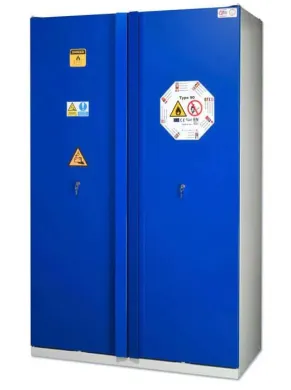
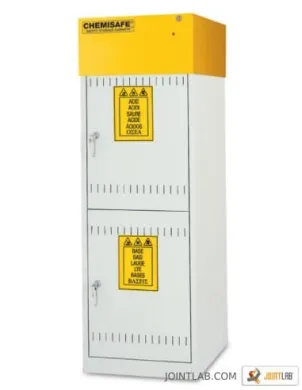
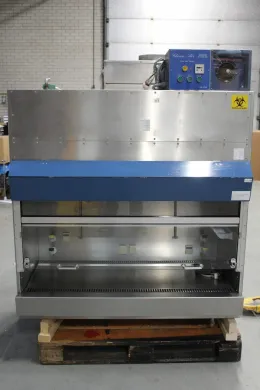
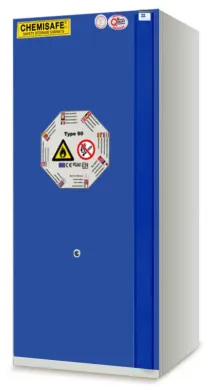
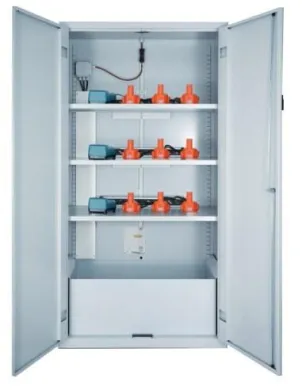
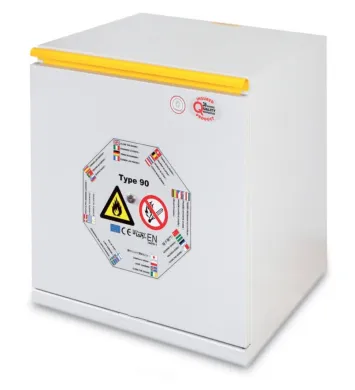
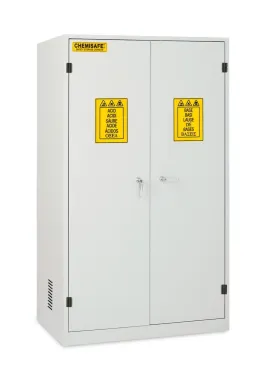
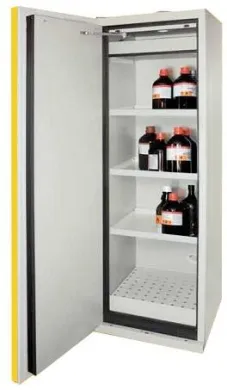
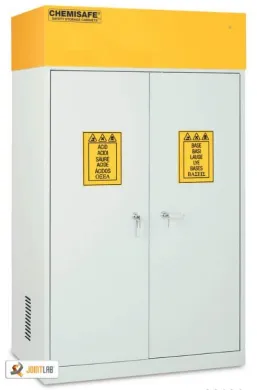
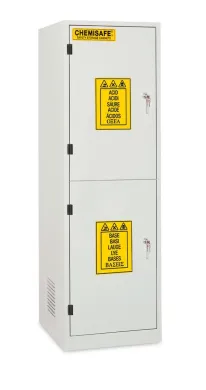
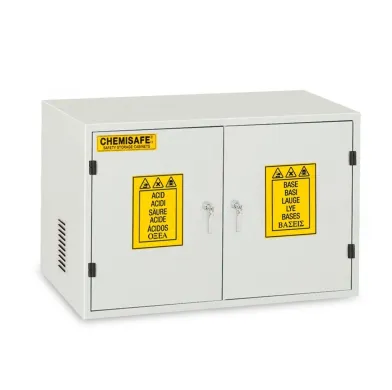
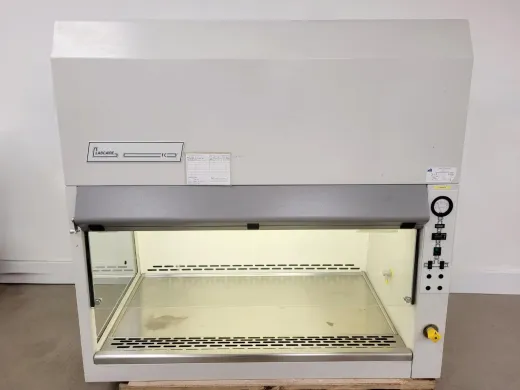
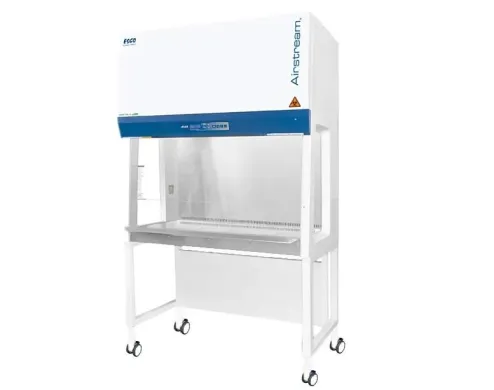
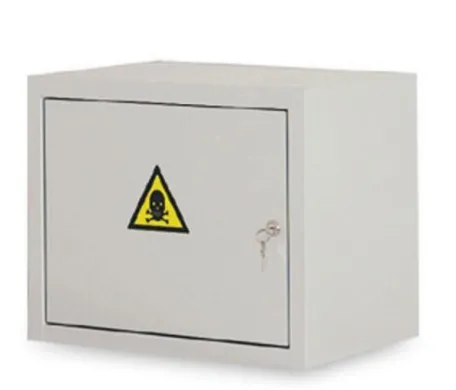
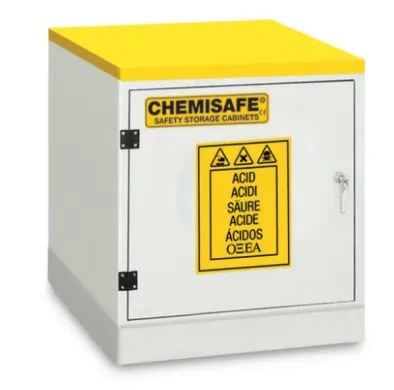
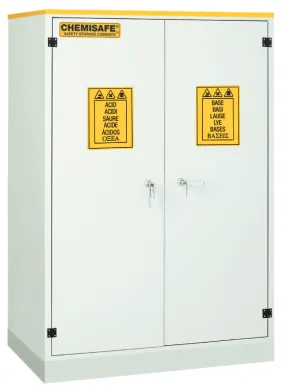
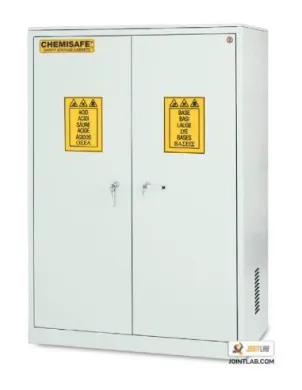
Among the listings that specify a type, the catalogue splits along the storage-versus-ventilation line described above. Chemical storage cabinets and flammable liquid storage cabinets are the most common, both passive units rated to contain a fire for a set number of minutes; the flammable-liquid variant is built specifically for solvents and fuels, with leak-tight sumps and venting bungs. Safety storage cabinets and laboratory storage cabinets are the broader labels for the same passive family, covering corrosives, acids and general hazardous stock rather than flammables alone. Biological safety cabinets are the separate ventilated class, used in microbiology for handling cell cultures, pathogens and other agents under contained airflow, and in molecular biology for setting up reactions free of contamination. Laboratory safety cabinets is the catch-all term that spans both groups.
Where safety cabinets do life science work?
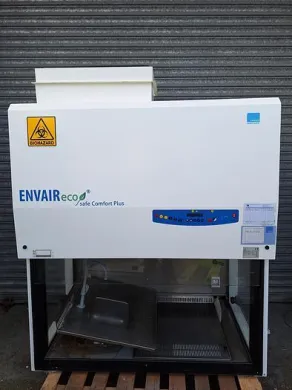
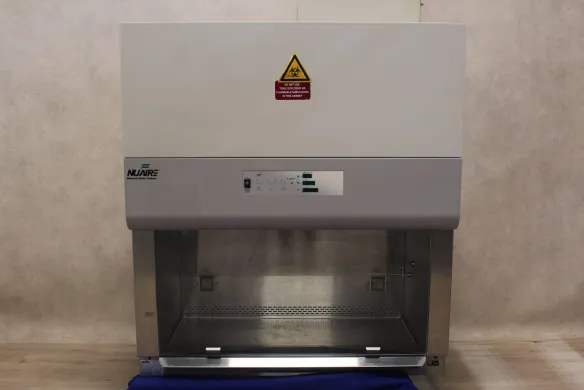
Biological safety cabinets are the type with a field of their own. They are the standard enclosure for cell culture, where sterile airflow protects the culture from the room and the operator from the culture, and they are used throughout microbiology for work with live pathogens. In molecular biology they also serve as a clean station for PCR setup and for protein purification, keeping a reaction free of airborne contamination. Laboratories running genomics and proteomics sample preparation use the same cabinets for the aseptic steps. The passive storage cabinets support this work indirectly, holding the solvents, fixatives and reagents that histology and general wet-lab protocols draw on.
The brands behind the safety cabinet listings
The listings here are led by ULINE, Justrite, Justrite MFG Co., LLC, Chemisafe, Thermo Scientific. For a buyer this mix is informative: the presence of storage specialists means the passive-cabinet end of the catalogue is deep and models are easy to compare on fire rating and capacity, while instrument makers populate the ventilated end. A well-represented brand means a given model recurs across listings, so condition and price can be weighed against like for like, and parts such as seals, shelves and filter housings are easier to source via Questpair when the maker is a common one.
What a used safety cabinet costs here
The condition split is heavily toward the used end, with 89 percent of the listings used. Prices range from EUR 17 to EUR 21.316, and that spread covers the full distance between a small catalogue-grade storage locker and a large certified ventilated cabinet. The average listing sits at EUR 1.969. Both American and British spellings of the trade terms appear across the catalogue, which matters only when searching. Where a buyer is weighing used against new, the price difference is the clear advantage of used; warranty on a specific unit is arranged in consultation for that listing.
Frequently asked questions
What is a safety cabinet?
A safety cabinet is an enclosure that either stores hazardous materials behind fire-rated walls or contains hazardous work behind controlled airflow. The term covers two unrelated jobs: passive chemical storage and ventilated biological containment.
What does the term safety cabinet actually mean?
It is a catch-all for two distinct product families. One is a passive steel box rated to resist fire for a set number of minutes while holding flammable or corrosive liquids; the other is an active ventilation device that filters contaminated air during microbiology work.
How do safety cabinets work?
Passive storage cabinets work through fire-rated steel panels, self-closing doors and leak-tight sumps that contain a spill or delay a fire reaching the contents. Biological safety cabinets work through a blower that draws air across the work zone and pushes it through HEPA filters to protect the operator, the sample, or both.
What types of safety cabinet are there?
The two broad families are passive storage cabinets and ventilated biological cabinets. Within storage you find chemical storage cabinets, flammable liquid storage cabinets with sumps and venting bungs, and broader labels such as safety storage cabinets and laboratory storage cabinets for corrosives and acids.
What are safety cabinets used for?
Storage cabinets hold solvents, fuels, corrosives and general hazardous stock so a fire or spill is contained. Biological safety cabinets are used for cell culture, pathogen handling, PCR setup and aseptic sample preparation in genomics and proteomics work.
How do I choose a safety cabinet?
Settle the application first, because a storage cabinet and a biological cabinet cannot do each other's job. For storage, match capacity and the fire rating your jurisdiction recognises; for biological cabinets, pick the protection class, Class I, II or III, which determines what the cabinet shields and whether recirculated air is acceptable.
What is the difference between a refurbished and a used safety cabinet?
A used cabinet is sold in its existing condition, while a refurbished one has been checked and brought back toward working order before listing. For either, condition matters most around door seals and hinges on storage units, and around filter and airflow certification on biological cabinets.
How much does a safety cabinet cost?
Prices in the catalogue range from EUR 17 to EUR 21.316, with the average listing at EUR 1.969. A bench-top storage locker sits near the bottom and a large certified ventilated cabinet near the top.
Which brands make safety cabinets?
The listings here are led by ULINE, Justrite, Justrite MFG Co., LLC, Chemisafe and Thermo Scientific. Storage specialists populate the passive end of the catalogue while instrument makers populate the ventilated end.
Can I get a warranty on a refurbished safety cabinet?
A warranty is often possible and is arranged in consultation for the specific listing. Terms are not set centrally, so they are confirmed against the individual unit.
Can I get parts for a safety cabinet?
Parts such as seals, shelves, blowers and filter housings can be sourced via Questpair. Sourcing is easier when the maker is a common one, because the same model recurs across listings.
How long does a safety cabinet last?
A passive storage cabinet is largely mechanical and lasts as long as its seals, hinges and fire-rated panels stay intact. A biological safety cabinet has consumable filters and an airflow profile that drifts, so its working life depends on recertification and on the state of the blower and sash mechanism.
Should I buy a new or refurbished safety cabinet?
Used and refurbished units are listed at lower prices than new, which is where most of the catalogue sits. Where you are weighing the two, compare the specific listing and note that warranty is arranged in consultation for that unit.
Where can I buy a safety cabinet?
The Questpair catalogue holds 830 safety cabinet listings from 18 verified suppliers and distributors across 8 countries. New, used and refurbished units all appear.
What are the lead time and shipping for a safety cabinet?
Lead time and shipping depend on the individual listing and the supplier's location across the 8 countries represented. For a specific unit you can contact Questpair, and specialists respond within an hour.
How are safety cabinets calibrated and maintained?
Storage cabinets need mechanical checks on door seals, self-closing hinges and the integrity of the fire-rated panels. Biological safety cabinets need recertification after installation, since their filters degrade and their airflow drifts over time.
Which safety cabinet types are listed most, and who reaches for each?
Among listings that state a type, chemical storage cabinets and flammable liquid storage cabinets are the most common, reached for by wet labs storing solvents and reagents. Biological safety cabinets form the separate ventilated class reached for by microbiology, cell culture and molecular biology work.
Which brands dominate this category and what does that mean for a buyer?
Storage specialists such as ULINE, Justrite and Chemisafe lead the passive end, while Thermo Scientific sits at the ventilated end. A well-represented brand means a given model recurs across listings, so you can weigh condition and price like for like and source seals, shelves and filter housings more easily.
What separates the cheapest safety cabinets from the most expensive?
What a cabinet costs tracks its type far more than its brand. A passive storage locker sits at the bottom of the band, while filtered, ventilated biological cabinets with blowers and HEPA stages occupy the top.