

Transmission electron microscopes
We personally find you the right used, refurbished and new transmission electron microscopes instruments & equipment from verified suppliers.
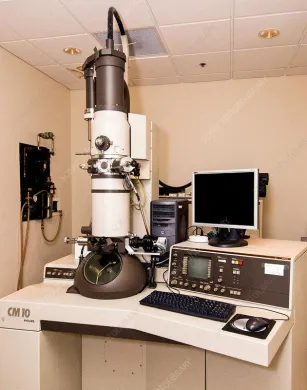
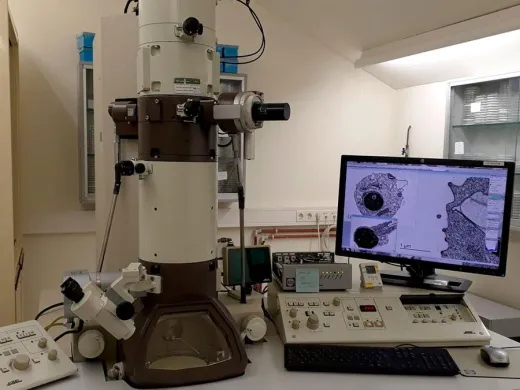
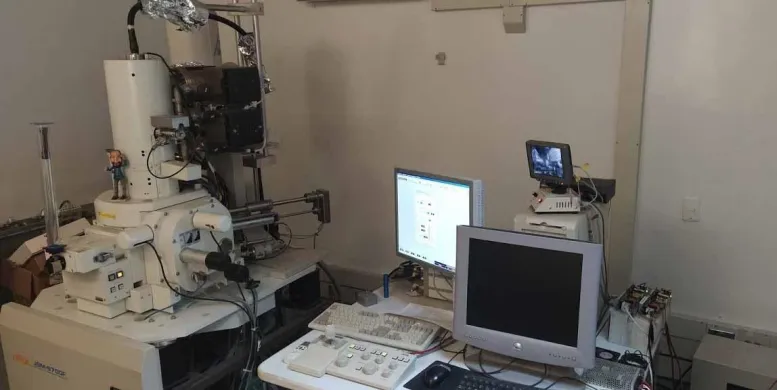
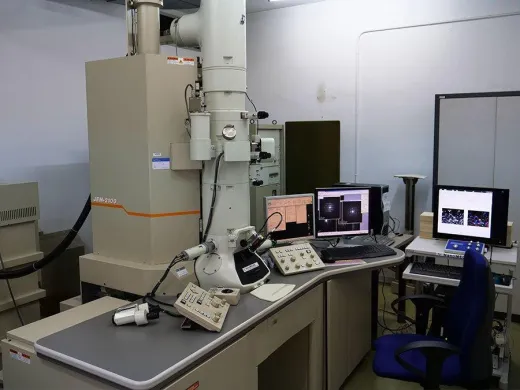
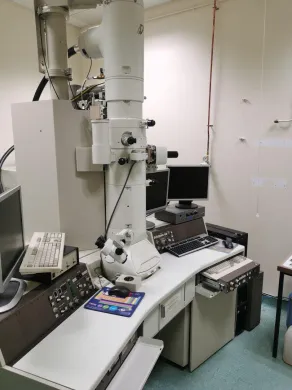
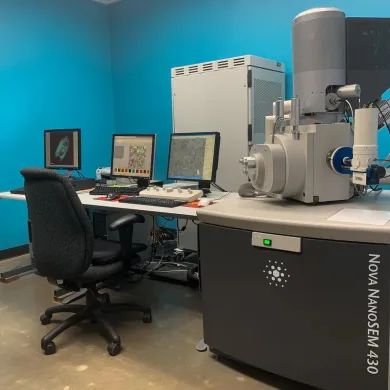
Transmission electron microscopes are instruments that pass a focused beam of electrons through a thin specimen to form an image at resolutions far beyond what light can reach, down to the atomic scale in favourable cases. The listings in this laboratory category span new, used and refurbished units, from column assemblies and complete benchtop systems to the cold storage and cryogenic equipment that supports specimen preparation. Among the current listings, 89 percent are used. Across 243 items from 9 verified suppliers and distributors, prices run from EUR 50 to EUR 139.943, reflecting the gap between a single part and a working instrument. New Brunswick Scientific, Sanyo, Labconco, Eppendorf, Thermo Scientific appear most often.
Updated:
Transmission electron microscopes product list


Not the exact instrument you need?
Tell our scientists what you are after. We track it down, including off-market supply.
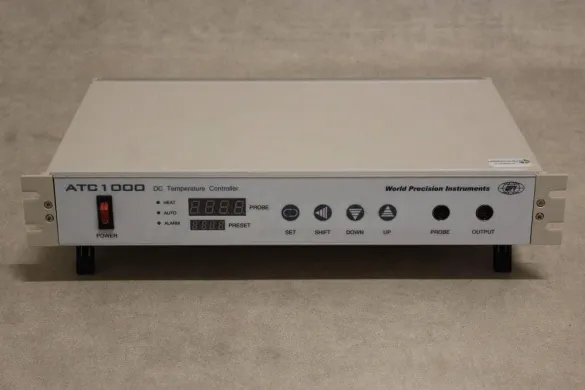
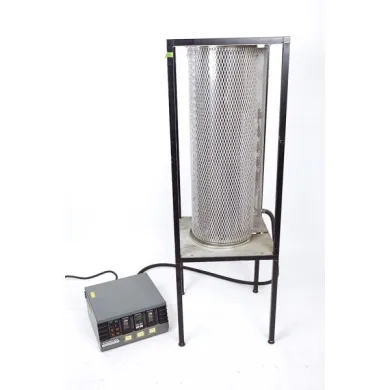
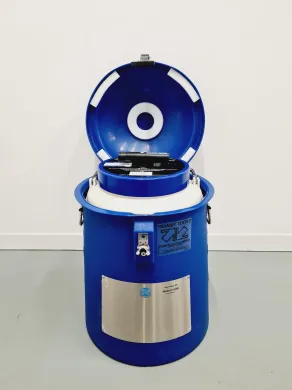
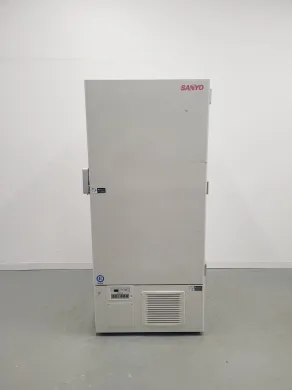
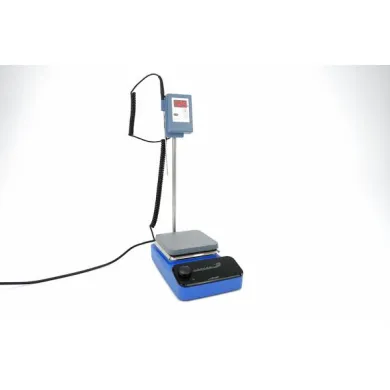
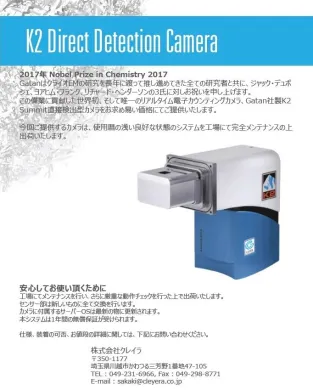
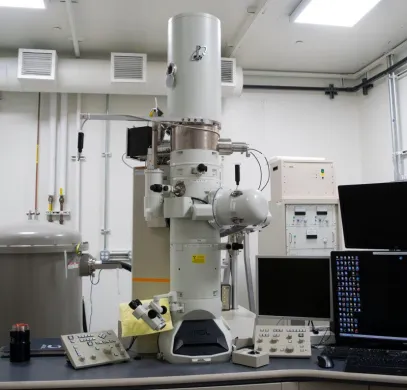
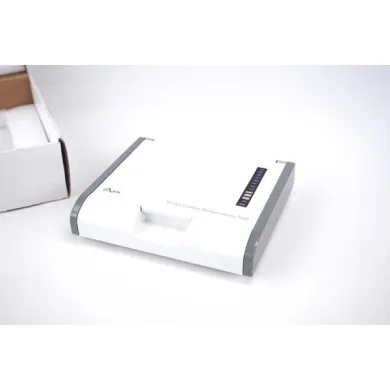
Not the exact instrument you need?
Tell our scientists what you are after. We track it down, including off-market supply.
Showing 1–40 of 86 listings
Show 40 more listingsBuying guide
What resolution and accelerating voltage actually settle?
Resolution is what a buyer is paying for, and it follows from the accelerating voltage and the lens quality more than from any single headline number on a datasheet. A column running at 200 kilovolts resolves finer detail than one at 80, but it also deposits more energy into the specimen, which matters for soft biological material that a higher voltage can damage. Decide the voltage range against the specimen first: metallurgical and semiconductor work tolerates and often needs the higher end, while stained sections and cryo specimens sit lower. The detector and camera attached to the port decide what the resolving power is worth in practice, so a unit sold without its original camera is a different purchase from one that keeps it.
On a used instrument, the column vacuum and the filament history are what to verify before anything else, because they are the parts that age and the parts that cost most to put right. Ask when the system was last under vacuum and whether it has sat open to air, how many hours are on the electron source, and whether alignment and calibration records came with it. A microscope that has been powered down and crated for two years is not the same unit as one taken from a running lab, and the difference does not show in a photograph. Cold storage and cryogenic items in this category, the freezers that hold grids and stains, carry their own check: compressor hours and the integrity of the seal matter more than the model name.
Price here covers an unusually wide field, which is why the band is so broad. A bare part or a standalone laboratory freezer sits near the floor, while a complete, recently serviced column runs toward the ceiling, and the average of EUR 4.077 says little about where any one listing lands. What a working instrument costs depends on voltage class, camera, and how recently it ran; a used column that fits a modest budget is realistic for preparation and teaching work, less so for publication-grade imaging. Refurbished and used units listed here are more affordable than new, and across the spread from EUR 50 to EUR 139.943 the units for sale range from accessories through to full systems. New Brunswick Scientific, Sanyo, Labconco, Eppendorf, Thermo Scientific account for most of the names a buyer will meet, which eases comparison because parts and documentation for them are easier to trace.
Types of Transmission electron microscopes
Which equipment types appear in the transmission electron microscope listings?
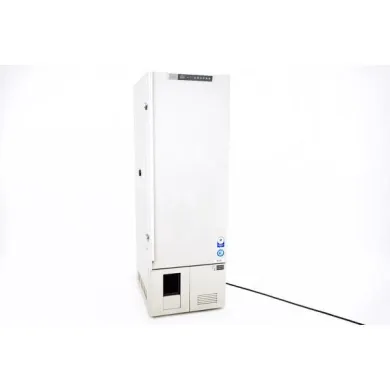
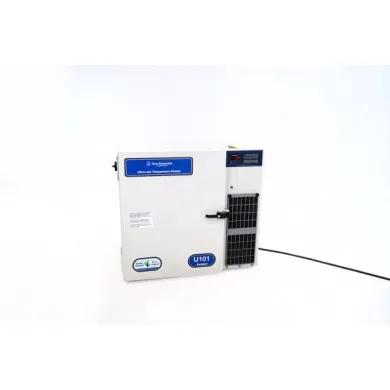
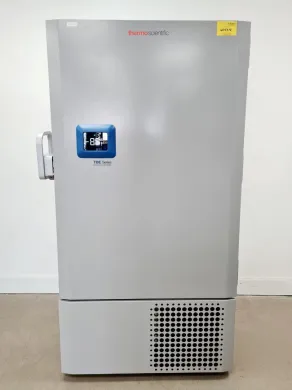
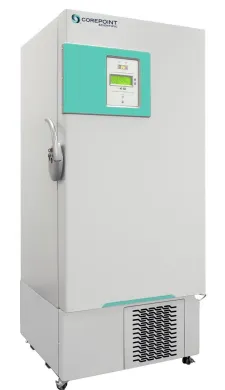
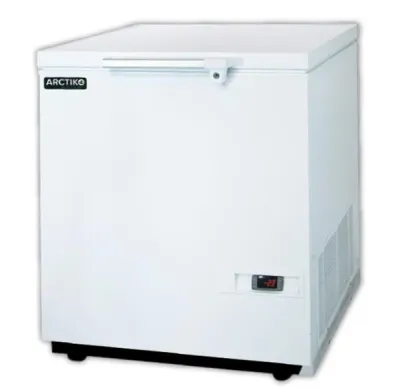
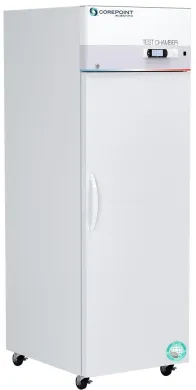
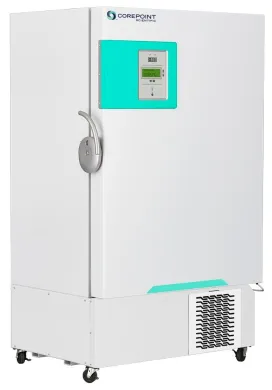
Among the listings that specify a type, most describe the cold storage and cryogenic hardware that surrounds electron microscopy rather than the columns themselves. The recurring types are laboratory freezers, ultra-low temperature freezers and cryogenic storage units. A laboratory freezer here is general-purpose cold storage for reagents and prepared material, running at conventional subzero temperatures. An ultra low temperature freezer reaches far colder, typically toward minus eighty, and is reached for when stains, antibodies and sensitive preparations must be held for long periods. Cryogenic storage goes colder still, using liquid nitrogen or its vapour phase, and is what a laboratory doing cryo-electron microscopy relies on to keep vitrified grids from devitrifying before imaging.
That last link is where this category meets biotechnology directly. Cryo-electron microscopy is the method behind much of modern structural biology, and the cold chain it depends on draws these freezers into proteomics and structural proteomics work, into the cell imaging that supports cell biology, and into the sample preparation step that precedes molecular diagnostics. An ultra-low temperature freezer is also used for the cell culture stocks and the protein purification intermediates that feed single-particle analysis. These cold storage units sit at the quiet end of a workflow whose visible instrument is the microscope, and the resolving power of that microscope is worth nothing if the specimen warmed on the way to the column.
The brands that recur are New Brunswick Scientific, Sanyo, Labconco, Eppendorf, Thermo Scientific. Their presence shapes what a buyer can expect rather than what the companies are: a freezer from a widely sold maker is easier to find parts for, easier to price against comparable listings, and easier to judge second-hand because its service record is a known quantity. Where a name is common across the catalogue, a used unit from it carries less risk of becoming unsupportable than an orphan model would.
Condition and price run together here. Of the listings, 89 percent are used, drawn from 9 verified suppliers and distributors across 5 countries. Prices span from EUR 50 to EUR 139.943. That spread covers everything from a single accessory to a complete cold-storage system, which is why no single figure describes it well.
Frequently asked questions
What is a transmission electron microscope?
It is an instrument that forms an image by passing a focused beam of electrons through an ultra-thin specimen, resolving detail far below the limit of a light microscope. It reaches features at the nanometre and sub-nanometre scale, which is why it appears in materials science, semiconductor analysis and cell biology.
What does TEM mean?
TEM stands for transmission electron microscope, named for the fact that the electron beam is transmitted through the specimen rather than reflected off its surface. The transmitted signal carries the structural information that forms the image.
How do transmission electron microscopes work?
An electron gun accelerates electrons to a set voltage, electromagnetic lenses focus the beam, and the beam passes through a specimen thin enough for electrons to travel through it. Variations in how the specimen scatters or absorbs electrons produce contrast, which is then magnified and captured on a detector or screen.
What types of transmission electron microscopes are there?
They divide mainly by accelerating voltage, stated in kilovolts, and by what sits in the column beyond basic imaging. Conventional TEM produces a static transmitted image across the whole field, while scanning transmission electron microscopy (STEM) rasters a fine probe point by point for analytical mapping, and some columns combine both modes.
What is a transmission electron microscope used for?
It is used for nanometre-scale imaging in materials characterisation, semiconductor analysis and structural biology. Cryo-electron microscopy supports protein structure determination, thin-section TEM resolves organelles and membranes in histology, and negative-stain TEM visualises viruses and macromolecular complexes.
How do I choose a transmission electron microscope?
Start with accelerating voltage, since higher voltage shortens the electron wavelength, lifts attainable resolution and penetrates thicker sections. Then decide whether you need STEM mode or analytical attachments such as energy-dispersive X-ray spectroscopy, because those additions change both the price and the maintenance picture.
What is the difference between refurbished and used?
A used unit is sold in its existing condition, while a refurbished unit has been reconditioned before resale. Both appear in the catalogue at lower prices than new, and the specific condition is stated in each listing.
How much does a transmission electron microscope cost?
Prices in the catalogue range from EUR 50 to EUR 139.943, with an average around EUR 4.077. The low end covers column components and accessories, while complete, analytically equipped instruments sit at the top.
Which brands appear in this category?
Brands listed on Questpair include New Brunswick Scientific, Sanyo, Labconco, Eppendorf and Thermo Scientific. The specific maker and model are stated in each listing.
Can I get a warranty on a refurbished unit?
A warranty is often possible and is arranged in consultation for the specific listing. Because terms are set per listing, check the one you are considering.
Can I get parts for these instruments?
Parts can be sourced via Questpair. For a specific component, contact Questpair and specialists respond within an hour.
How long does a transmission electron microscope last?
Lifespan depends on usage, the vacuum and column condition, and how well the electron source and detectors are maintained. Many instruments remain in service for well over a decade when the column and support systems are kept in order, which is why used and refurbished units continue to circulate.
Should I buy new or used?
Used and refurbished units are listed at lower prices than new ones, which is the main reason many buyers look at the second-hand market first. Where you have to weigh the two, compare the individual listings and note that warranty is arranged in consultation per listing.
Where can I buy a transmission electron microscope?
They are listed on Questpair from 9 verified suppliers and distributors across 5 countries. Each listing states the condition, configuration and seller.
What are lead time and shipping like for these instruments?
Lead time and shipping depend on the seller, the instrument's size and the destination country, since a complete column is a large, heavy and vibration-sensitive load. The specifics are handled per listing, and you can contact Questpair for details on a particular unit.
What does calibration and maintenance involve?
Routine upkeep covers the vacuum system, alignment of the electron optics, and the condition of the electron source and detectors. Questpair does not carry out servicing, but parts can be sourced through Questpair and documentation requests reach specialists within an hour.
Which types in this category are listed most, and who reaches for which?
Conventional TEM and STEM-capable configurations are the two main forms, with analytical variants carrying attachments like energy-dispersive X-ray spectroscopy. A buyer in materials characterisation reaches for the higher-voltage, STEM-capable and analytically equipped instruments, while a cell biologist sectioning resin-embedded tissue often works comfortably at lower voltages.
Which brands dominate this category, and what does that mean for a buyer?
Listed makers include New Brunswick Scientific, Sanyo, Labconco, Eppendorf and Thermo Scientific. For a buyer this means configurations and detector sets vary between instruments, so comparing by voltage, mode and attachments matters more than brand name alone, and each listing states the exact specification.
What separates the cheapest listings from the most expensive?
The low end of the band is column components and accessories, while the high end is a complete, analytically equipped instrument. Between them, accelerating voltage, the presence of STEM mode and attachments such as energy-dispersive X-ray spectroscopy are what move the price from EUR 50 toward EUR 139.943.