

Fume hoods and lab enclosures
We personally find you the right used, refurbished and new fume hoods and lab enclosures instruments & equipment from verified suppliers.
Fume hoods and lab enclosures are ventilated workspaces that protect an operator, a sample, or both by controlling the air that moves across the work surface. A fume hood draws contaminated air away from the user and exhausts it; a biological safety cabinet and a laminar flow hood add filtered, directional airflow to keep particles off the sample. The Questpair catalogue holds 4124 listings in this category, offered new, used and refurbished, with 93 percent of the listings used. Prices run from EUR 9 to EUR 258.267. Supply spans 21 verified suppliers and distributors across 11 countries, so a laboratory can compare enclosure classes and airflow types side by side before buying.
Updated:
Fume hoods and lab enclosures product list
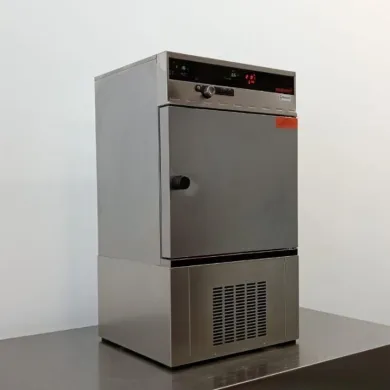
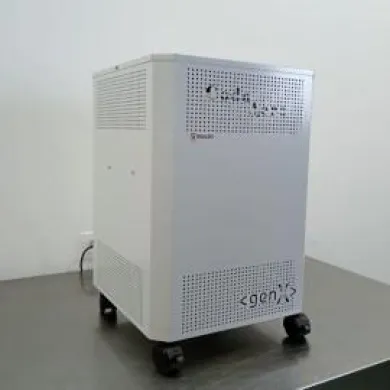
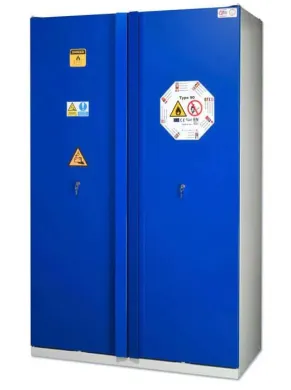
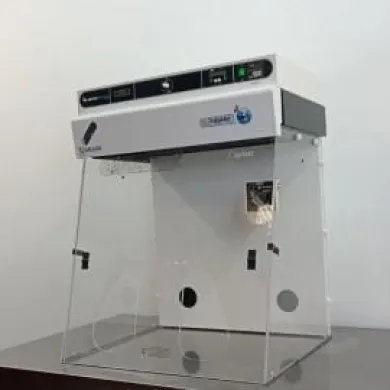


Not the exact instrument you need?
Tell our scientists what you are after. We track it down, including off-market supply.
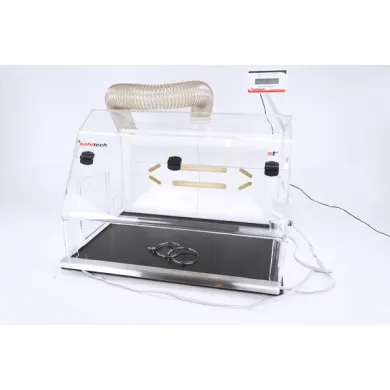
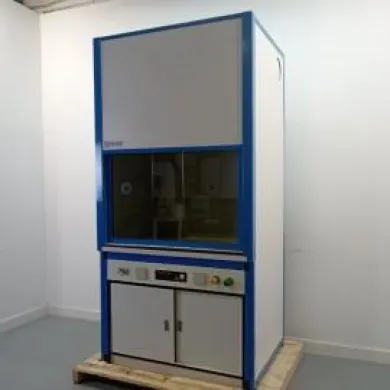
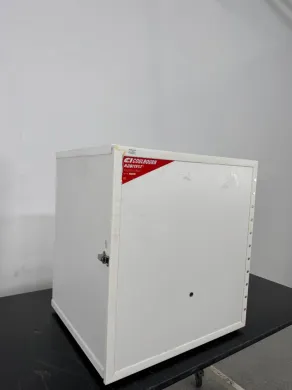
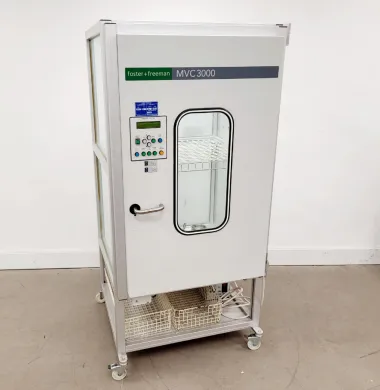
Not the exact instrument you need?
Tell our scientists what you are after. We track it down, including off-market supply.
Showing 1–40 of 1,293 listings
Show 40 more listingsBuying guide
Containment class decides this purchase before anything else, because it is not a specification a buyer can trade off against price. A chemical fume hood protects the operator from vapours and is exhausted outside the building. A biological safety cabinet protects the operator, the sample and the room, and its three classes differ in how they handle the exhaust: a Class II cabinet recirculates HEPA-filtered air and protects the product, a Class III glove box is fully sealed for the most hazardous agents. A laminar flow hood protects the sample only and offers the operator no protection at all. Match the class to the agent, not to the budget, and everything downstream follows from that choice: duct requirements, filter type, footprint and certification all change with it.
Once the class is fixed, the physical fit and the airflow data settle the rest. Measure the bench span and the sash opening against the work you do, and read the face velocity the unit was designed for, typically stated in metres per second across the sash. A ducted hood needs an exhaust path the building can actually provide; a ductless or recirculating enclosure needs the right filter media for the chemistry involved, which is why the two are not interchangeable even at the same price.
A used enclosure carries verification work a new one does not. HEPA and ULPA filters have a service life, and a cabinet that has run for years may need a filter change and a fresh certification before it meets its class again. Ask what the airflow reads now, when the unit was last certified, and whether the blower and sash mechanism are intact. Recertification is routine and does not rule out a used cabinet, but it is a real line in the cost of ownership and belongs in the comparison.
Price reflects all of this. Across the Questpair listings the cost of an enclosure runs from EUR 9 to EUR 258.267, with the average near EUR 2.651. A bare laminar flow hood or a small ductless unit fits a modest budget, while a large certified biological safety cabinet sits at the upper end. Used and refurbished units listed for sale are more affordable than new, which is where most of this catalogue sits. The names that recur across the range are Thermo Fisher Scientific, Thermo Scientific, Labconco, Various, VWR, which matters because a widely listed model is easier to compare on airflow and to find replacement filters for.
Types of Fume hoods and lab enclosures
Biological safety cabinets
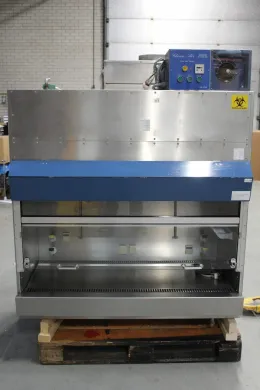
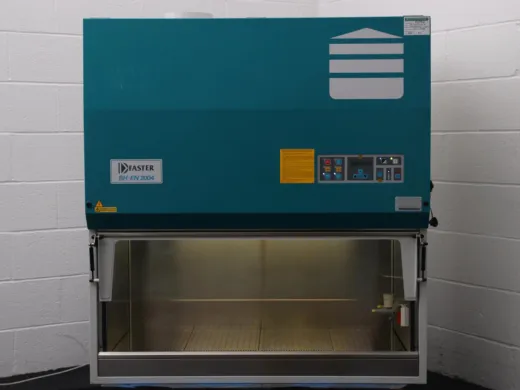
Biological safety cabinets are the largest group among the listings that specify a type, and they protect the operator, the sample and the surrounding room at once. HEPA-filtered air moves in a controlled pattern so that aerosols generated at the work surface are captured rather than released. The classes separate them: a Class II cabinet recirculates most of its air through a filter and is the standard bench for routine work, while a Class I cabinet protects the operator but not the sample. These cabinets are the containment benchwork of microbiology and of cell culture, where open handling of live cultures, viral vectors or primary cells has to stay sterile and contained. A laboratory running molecular diagnostics or early-stage biomanufacturing reaches for a biosafety cabinet because the same enclosure keeps a sensitive line clean and keeps a hazardous agent in.
Safety cabinets
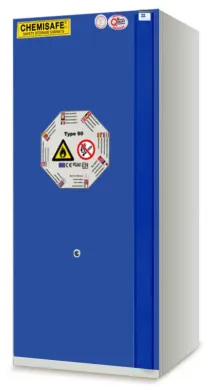
Safety cabinets in this group are storage and handling enclosures for hazardous materials rather than ventilated workspaces for live work, though the catalogue groups them here. They hold flammable solvents, corrosives or compressed reagents under controlled conditions, often with their own extraction. The distinction from a biological safety cabinet matters: these guard against the chemical or fire hazard of what is stored, not against an aerosol generated at a work surface. A buyer choosing one is solving a containment-of-stock problem, matching the cabinet rating to the volume and class of chemical a laboratory keeps on hand, so a wet chemistry or formulation lab typically owns several while a tissue-culture suite may own none.
Cleanroom enclosures
Cleanroom enclosures create a defined clean zone without the cost of a full cleanroom build. They range from soft-wall curtained frames to rigid hard-wall rooms, and all of them hold a controlled particle count inside a filtered air supply. What separates them from a single hood is scale: an enclosure encloses a process or a bench array rather than one worker. They are used for sterile assembly, device manufacture and any step where airborne particles have to stay below a stated class, including cell imaging stages and the aseptic filling steps of bioprocessing. A buyer specifies the cleanliness class and the footprint, and the enclosure is built or bought to hold that class across the whole working volume.
Laminar flow hoods
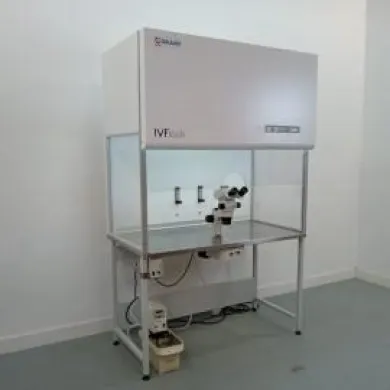
Laminar flow hoods push HEPA-filtered air across the work surface in a single smooth direction, either horizontally toward the operator or vertically down onto the bench. They protect the sample, not the person, which is the line a buyer must not cross: open work with a pathogen does not belong in one. Within sterile but non-hazardous work they are the clean bench of choice, for media preparation, plate pouring, electronics assembly and the sterile handling steps of cell culture and protein purification. The horizontal and vertical variants suit different tasks, the vertical form being safer where the material on the bench could itself shed particles the operator should not inhale.
Cleanroom supplies
Cleanroom supplies are the consumables and smaller fittings that keep a controlled environment within its class: wipes, garments, gloves, tacky mats and replacement filter media. They are not an enclosure themselves but the maintenance stock an enclosure needs, and the catalogue lists them alongside the hardware because the two are bought together. A buyer sourcing a cabinet or a cleanroom frame usually needs a steady line of these to hold certification, so they appear here as the running cost rather than the capital item. Matching the supply to the cleanliness class, a Class 5 garment for a Class 5 space, is what keeps the whole system compliant.
Glove boxes
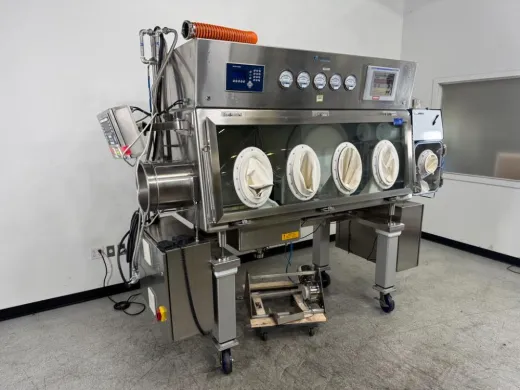
Glove boxes are fully sealed enclosures worked through built-in gloves, so the operator never breaks the barrier between the room and the internal atmosphere. The sealed design serves two opposite needs. Inert-atmosphere boxes hold nitrogen or argon to protect air-sensitive chemistry, while containment boxes, the Class III biosafety form, hold the most hazardous agents away from the worker entirely. The separating feature is the glove-port barrier itself, which gives absolute isolation that an open-fronted cabinet cannot. They are used in synthetic chemistry, battery and materials research, and in the handling of high-risk biological agents where even filtered airflow is not enough and total enclosure is required.
PCR enclosures
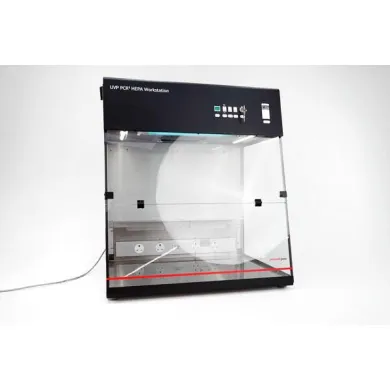
PCR enclosures, also called PCR workstations or dead-air boxes, are small benchtop cabinets that give a clean, UV-decontaminable space for setting up amplification reactions. Their purpose is narrow and precise: to stop stray DNA and amplicon carryover from contaminating a PCR before it runs, which is why they usually carry a UV lamp to clear the work surface between setups. They separate from a laminar flow hood by holding still, filtered air rather than a directed stream, so a fine reaction mix is not disturbed. Any laboratory doing PCR, qPCR or the template handling behind genomics and molecular biology workflows uses one to keep a reaction free of contaminating nucleic acid.
Ductless fume hoods
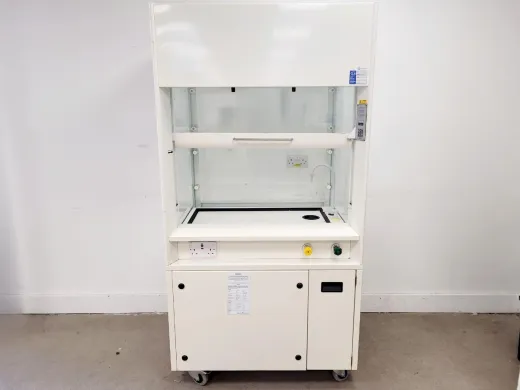
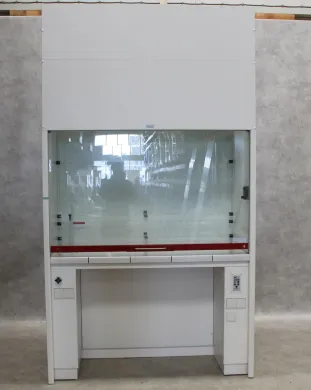
Ductless fume hoods filter contaminated air through activated-carbon or specialised media and return it to the room, rather than exhausting it through building ductwork. That is their defining trait and their limit: they suit laboratories that cannot run a duct to the outside, but the filter media must be matched to the specific chemistry, because a carbon bed that captures one solvent class will pass another straight through. A buyer weighs that constraint against the freedom of siting the hood anywhere with a power supply. They handle light, well-characterised chemical work and sample preparation where the vapour load is known, and are not a substitute for a ducted hood where the chemistry is heavy or uncertain.
Frequently asked questions
What is a fume hood or lab enclosure?
It is a ventilated workspace that controls the air moving across a work surface to protect the operator, the sample, or both. A fume hood draws contaminated air away and exhausts it, while a biological safety cabinet or laminar flow hood adds filtered, directional airflow to keep particles off the sample.
What does the term 'lab enclosure' actually mean?
It is an umbrella term for any workspace that separates the handling of a sample or chemical from the surrounding room with controlled or filtered air. The group ranges from open-fronted cabinets to fully sealed glove boxes and walk-in cleanroom frames.
How do fume hoods and lab enclosures work?
Each type manages air in a defined direction. A ducted fume hood pulls vapour-laden air away from the operator and sends it outside, a biosafety cabinet recirculates HEPA-filtered air in a controlled pattern, a laminar flow hood pushes filtered air smoothly across the bench, and a glove box seals the internal atmosphere off entirely.
What types are there in this category?
The listings that specify a type include biological safety cabinets, biosafety cabinets, laminar flow hoods, microbiological safety cabinets, Class II biosafety cabinets and laboratory refrigerators. The broader category also covers safety cabinets, cleanroom enclosures, glove boxes, PCR enclosures and ductless fume hoods.
What are fume hoods and lab enclosures used for?
They are used wherever air at a work surface has to be controlled: containing hazardous chemistry or aerosols, keeping a sterile sample clean, storing flammable or corrosive reagents, or setting up contamination-free PCR reactions. The right one depends on whether you are protecting the person, the sample, or both.
How do I choose the right enclosure?
Fix the containment class first, because it decides duct requirements, filter type, footprint and certification. A fume hood protects the operator from vapours, a biosafety cabinet protects operator, sample and room, and a laminar flow hood protects only the sample, so match the class to the agent before weighing anything else.
What is the difference between refurbished and used units?
A used unit is sold in its existing condition, while a refurbished one has been reconditioned before resale. For either, ask what the airflow reads now, when it was last certified, and whether the blower and sash mechanism are intact, since filters and recertification affect the cost of ownership.
How much does a fume hood or lab enclosure cost?
Across the Questpair listings prices range from EUR 9 to EUR 258.267, with the average near EUR 2.651. A bare laminar flow hood or small ductless unit sits at the lower end, while a large certified biological safety cabinet sits toward the top.
Which brands are worth looking at?
The names that recur across these listings are Thermo Fisher Scientific, Thermo Scientific, Labconco and VWR, with some listings grouped under Various. A widely listed model is easier to compare on airflow data and to find replacement filters for.
Is there a warranty on refurbished enclosures?
A warranty is often possible and is arranged in consultation for the specific listing. Because terms are set per listing rather than centrally, check the individual listing you are considering.
Can I get replacement parts and filters?
Parts can be sourced via Questpair. HEPA and ULPA filters have a service life, so a used cabinet may need a filter change before it meets its class again, and a widely listed model makes matching replacements easier.
How long do these enclosures last?
The cabinet body and blower can run for many years, but the HEPA or ULPA filters have a finite service life and need periodic replacement. A unit that has run for years may need a filter change and fresh certification to meet its rated class again.
New versus refurbished, which should I buy?
Used and refurbished units are listed at lower prices than new ones, which is where much of this catalogue sits. A used enclosure carries verification work a new one does not, so factor recertification into the comparison and check the warranty terms on the specific listing.
Where can I buy fume hoods and lab enclosures?
Questpair lists 4124 enclosures in this category from 21 verified suppliers and distributors across 11 countries. That lets a laboratory compare enclosure classes and airflow types side by side before buying.
What are the lead time and shipping like?
Lead time and shipping depend on the individual listing and its supplier, since availability varies between new, used and refurbished units. Check the listing you are interested in, or contact Questpair, where specialists respond within 1 hour.
What does calibration and maintenance involve?
Maintenance centres on airflow verification and filter replacement, with recertification confirming the unit still meets its class. Cleanroom supplies such as filter media, wipes and garments are the running stock an enclosure needs to hold certification. Questpair does not carry out servicing itself.
Which types are listed most often, and who uses which?
Biological safety cabinets are the largest group among listings that specify a type, reached for by microbiology, cell culture and molecular diagnostics labs that need operator, sample and room protection. Laminar flow hoods suit sterile but non-hazardous work like media preparation, while PCR enclosures serve genomics labs that need a clean, UV-decontaminable space for reaction setup.
Which brands dominate this category, and what does that mean for a buyer?
Thermo Fisher Scientific, Thermo Scientific, Labconco and VWR recur most across the listings, with some grouped as Various. For a buyer this means more reference points on airflow and face velocity and a wider pool of compatible filters, which makes comparing models and sourcing replacement media more straightforward.
What separates the cheapest listings from the most expensive?
At the lower end sit bare laminar flow hoods and small ductless units with a simple filter and modest footprint. At the top sit large certified biological safety cabinets, where containment class, bench span, blower capacity, sash mechanism and current certification all add to the price.