

Enclosures - other
We personally find you the right used, refurbished and new enclosures - other instruments & equipment from verified suppliers.
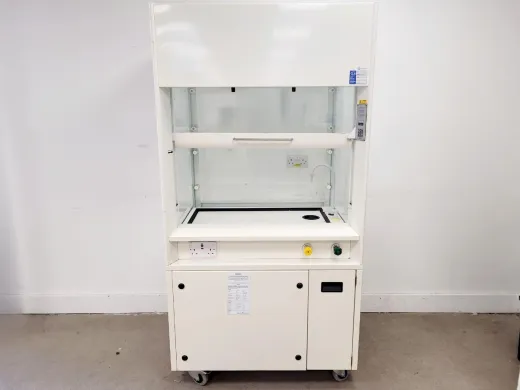
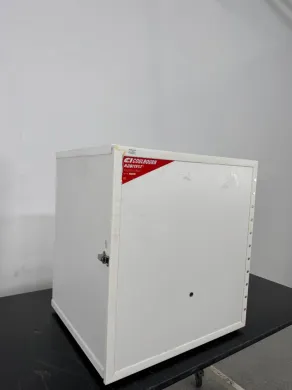
Enclosures are freestanding or fitted containment units that store, isolate or protect laboratory materials, ranging from ventilated cabinets for reactive chemicals to sealed workspaces that separate an operator from a sample. This "other" category gathers the units that fall outside the standard fume hood and glovebox listings, so the catalogue here is varied by design. Of the 300 items currently listed, 95 percent of the listings are used, drawn from 15 verified suppliers and distributors across 8 countries. New, used and refurbished enclosures appear side by side, with prices spanning a wide band depending on construction and ventilation. The laboratory enclosures grouped under this heading share a purpose, containment, rather than a single form.
Updated:
Enclosures - other product list


Not the exact instrument you need?
Tell our scientists what you are after. We track it down, including off-market supply.

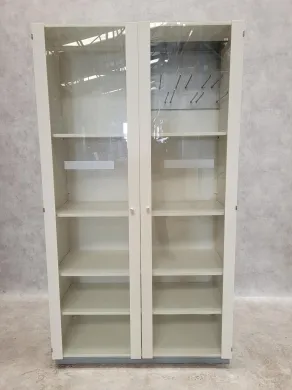
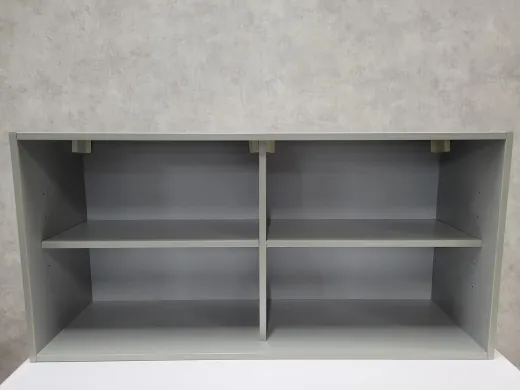
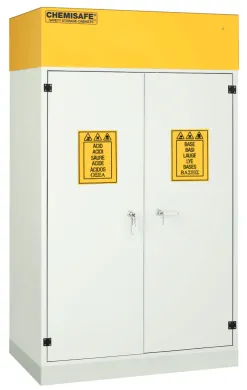
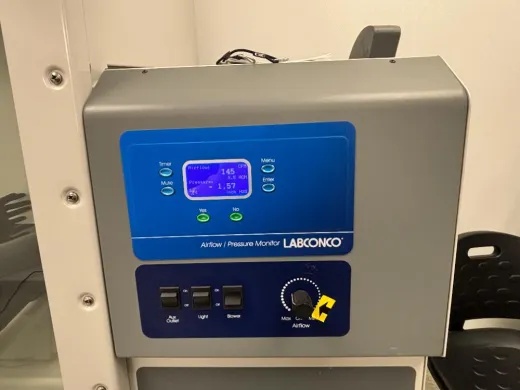
Not the exact instrument you need?
Tell our scientists what you are after. We track it down, including off-market supply.
Showing 1–40 of 99 listings
Show 40 more listingsBuying guide
What actually decides an enclosure purchase is the hazard it has to contain, because that sets everything downstream: ventilation, material, certification and interior layout all follow from whether the unit holds flammable solvents, corrosive acids, biological samples or simply shields a process from contamination. A flammable liquid cabinet and a biosafety cabinet look superficially similar and serve opposite problems, so a buyer who starts from the equipment name rather than the hazard tends to order the wrong thing.
Once the hazard is fixed, the specification narrows quickly. A storage cabinet for flammable liquids is rated by its fire resistance and its internal volume, and the relevant standard differs by region, so a unit built to one jurisdiction's code may not satisfy another's inspector. A ventilated cabinet depends on face velocity and the duct or filtration arrangement that moves air away from the user. A biosafety cabinet is defined by its containment class and the integrity of its HEPA filtration. These are not interchangeable figures, and a datasheet that omits the governing standard is telling you less than it appears to.
On a used unit the verification work is different from a new one. The structure of a storage cabinet rarely fails, but the self-closing doors, the vent bungs, the shelf spill trays and the earthing points do, and those are what an inspection checks. A ventilated or biosafety unit carries a filter and a fan whose condition cannot be read from a photograph: ask when the HEPA filter was last changed and whether the unit retains its certification paperwork. Because 95 percent of the listings here are used, this is the ordinary case rather than the exception, and the individual listing is where that history sits.
Price follows the same logic. A passive flammable storage cabinet costs far less than a certified biosafety enclosure, so the range runs from EUR 34 at the simple end to EUR 15.496 for a ventilated or class-rated unit, with an average around EUR 1.750. What a unit costs tracks its ventilation and certification far more than its size. For a buyer working to a fixed budget, a refurbished storage cabinet listed for sale is more affordable than its new equivalent, and the brands at this end of the market, Various, Flow Sciences, Thermo Scientific, Justrite, Unknown, give a sense of where a given listing sits. A warranty, where it matters, is arranged in consultation for the specific listing.
Types of Enclosures - other
Which enclosure types are listed here?
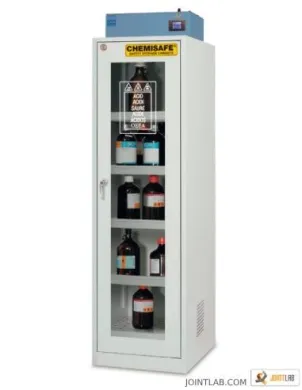
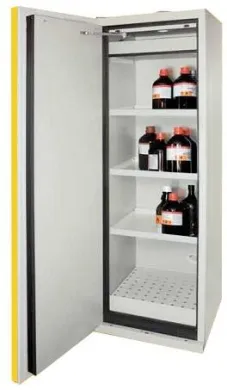
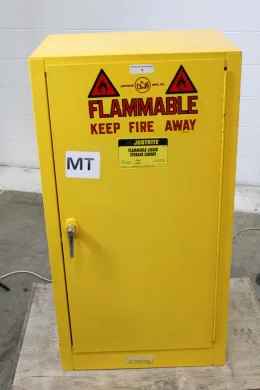
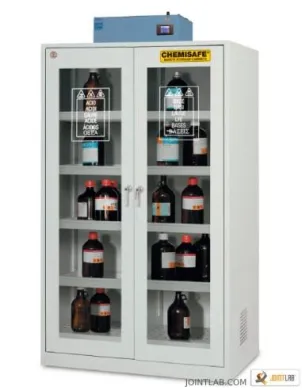
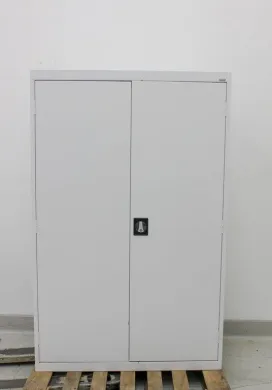
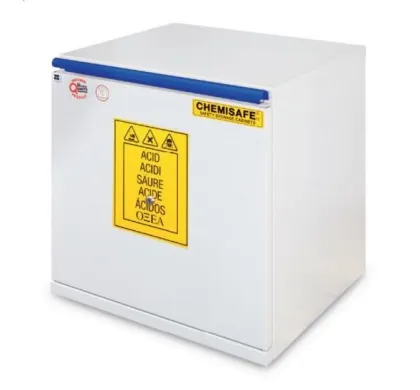
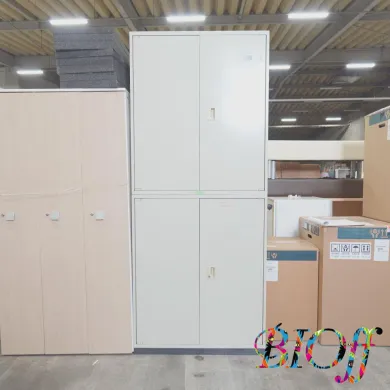
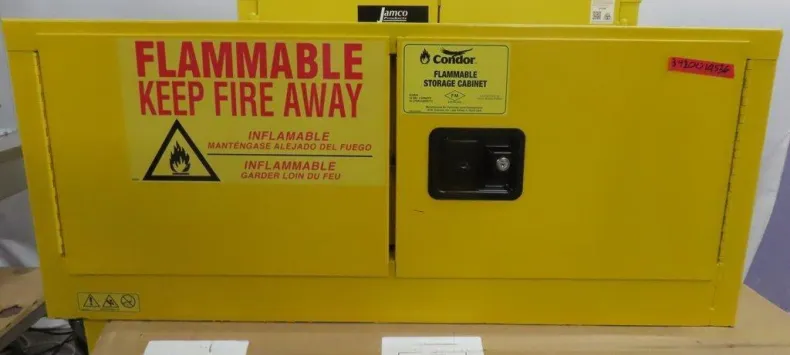
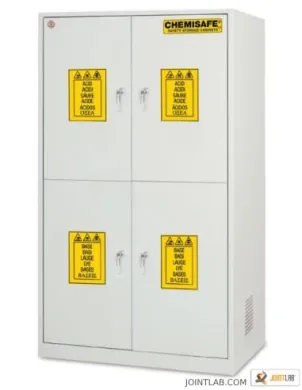
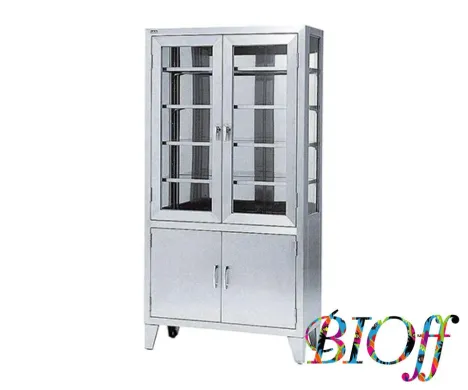
Among the listings that specify a type, the catalogue is led by storage and safety cabinets rather than open-fronted workstations. A chemical storage cabinet holds reactive or hazardous reagents behind a sealed, often corrosion-lined interior, and is chosen for acids, bases and incompatible-chemical segregation. A flammable liquid storage cabinet is a related but distinct unit, rated for fire resistance and fitted with self-closing doors and vent bungs, bought wherever solvents are kept in quantity. A general laboratory storage cabinet is the undifferentiated workhorse, used for glassware, consumables and non-hazardous stock where the point is order rather than containment.
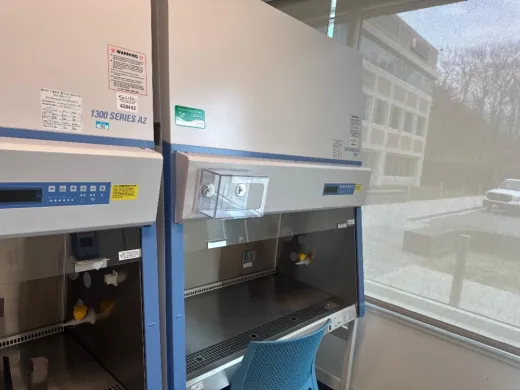
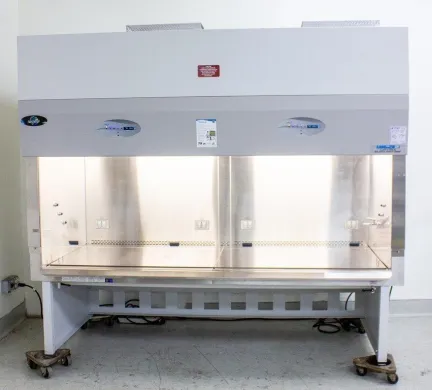
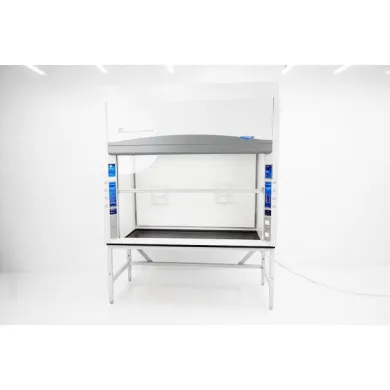
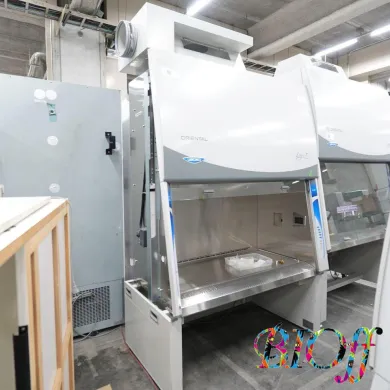
The safety-rated units are a separate group. A laboratory safety cabinet and a safety storage cabinet combine secure storage with features that limit exposure in a fire or spill, sitting between plain storage and active ventilation. A biosafety cabinet is the most specialised type here: a ventilated, HEPA-filtered enclosure that protects the operator, the sample or both, and the one type with a research field of its own. Biosafety cabinets are the standard containment used in cell culture and microbiology, and they appear wherever work involves live cultures, so a listing for biosafety cabinet for cell culture or microbiology safety cabinet points to that work directly. These units also serve tissue culture and molecular diagnostics laboratories where sterile handling of samples is routine, and they are also used for aseptic sample preparation in genomics and proteomics workflows that cannot tolerate airborne contamination.
The brands behind the enclosure listings
The brand mix here, Various, Flow Sciences, Thermo Scientific, Justrite, Unknown, tells a buyer more about availability than about pedigree. A large share of the listings sits under generic or unattributed makers, which is normal for storage furniture where the cabinet matters more than the badge, and it keeps prices low and comparison straightforward. Named specialists such as Flow Sciences and Thermo Scientific cluster at the ventilated and biosafety end, where filtration performance and certification justify the brand, and where parts and replacement filters are easier to source for a recognised model. Justrite is the familiar name in flammable and chemical storage. For a buyer, a named brand usually means a traceable specification and a clearer path to spares; an unbranded unit means a lower price and a closer look at the individual listing.
What a used enclosure costs here
Condition and price move together in this category. Of the 300 items listed, 95 percent of the listings are used, offered by 15 verified suppliers and distributors. Prices run from EUR 34 to EUR 15.496, averaging around EUR 1.750. That spread covers everything from a bare storage cabinet to a certified, filtered biosafety enclosure, which is why the band is so wide. Where a buyer is comparing a used unit against a new one, the price difference is the clear distinction, and warranty on any given listing is arranged in consultation.
Frequently asked questions
What is an enclosure in the 'other' category?
It is a freestanding or fitted containment unit that stores, isolates or protects laboratory materials, falling outside the standard fume hood and glovebox listings. The group covers ventilated cabinets, storage cabinets and sealed workspaces that separate an operator from a sample.
What does 'Enclosures - other' mean?
It is a catch-all heading for containment units that do not fit the main fume hood or glovebox categories. The units share a purpose, containment, rather than a single form, so the catalogue here is varied by design.
How do these enclosures work?
A passive storage cabinet contains hazards through sealed construction, fire-rated panels, self-closing doors and spill trays. A ventilated or biosafety enclosure adds a fan and HEPA filtration that moves air away from the user or filters it before recirculation, protecting the operator, the sample or both.
What types of enclosures are listed here?
The listed types include chemical storage cabinet, laboratory storage cabinet, laboratory safety cabinet, safety storage cabinet, biosafety cabinet and flammable liquid storage cabinet. Storage and safety cabinets lead the catalogue rather than open-fronted workstations.
What are these enclosures used for?
They store reactive or flammable reagents, segregate incompatible chemicals, hold non-hazardous stock in order, or provide a sterile and contained workspace. Biosafety cabinets specifically serve cell culture, microbiology, tissue culture and molecular diagnostics work where airborne contamination cannot be tolerated.
How do I choose the right enclosure?
Start from the hazard the unit must contain, because that sets ventilation, material, certification and interior layout. A flammable liquid cabinet and a biosafety cabinet look similar but solve opposite problems, so choosing by equipment name rather than hazard tends to produce the wrong order.
What is the difference between refurbished and used?
A used unit is sold in its existing condition, while a refurbished unit has been reconditioned before resale. Both are listed at lower prices than new, and the individual listing holds the condition detail you need to compare them.
How much does an enclosure cost here?
Prices range from EUR 34 to EUR 15.496, averaging around EUR 1.750. The band is wide because it covers everything from a bare storage cabinet to a certified, filtered biosafety enclosure.
Which brands are listed in this category?
The brand mix includes Various, Flow Sciences, Thermo Scientific, Justrite and unattributed makers. Flow Sciences and Thermo Scientific cluster at the ventilated and biosafety end, Justrite is familiar in flammable and chemical storage, and a large share of listings sits under generic makers.
Is there a warranty on a refurbished enclosure?
A warranty is often possible and is arranged in consultation for the specific listing. The listing itself is where the condition and any terms are set out.
Can I get parts for these enclosures?
Parts can be sourced via Questpair. On storage cabinets the self-closing doors, vent bungs, shelf spill trays and earthing points are the items that wear, while ventilated units use replacement HEPA filters.
How long does an enclosure last?
The structure of a storage cabinet rarely fails and can serve for many years, so lifespan is driven by the wearing parts rather than the shell. On ventilated and biosafety units the fan and the HEPA filter are the components whose condition and service history matter most.
Should I buy new or refurbished?
Used and refurbished units are listed at lower prices than new, which is the clear distinction between them. Where you have to weigh the two, check the specific listing and note that warranty is arranged in consultation.
Where can I buy these enclosures?
They are listed in the Questpair catalogue from 15 verified suppliers and distributors across 8 countries. New, used and refurbished units appear side by side on the same pages.
What are the lead time and shipping like?
Lead time and shipping depend on the individual seller and the unit's size, since a ventilated cabinet ships differently from a passive storage cabinet. The specific listing and its supplier hold the delivery detail.
What maintenance or certification does an enclosure need?
Passive storage cabinets need their doors, vent bungs, spill trays and earthing checked. Ventilated and biosafety units carry a filter and fan whose condition cannot be read from a photograph, so ask when the HEPA filter was last changed and whether the certification paperwork is retained.
Which types are listed most and who reaches for which?
Chemical storage, laboratory storage and safety cabinets lead the listings, bought by labs storing reagents, consumables or hazardous stock. Biosafety cabinets are the specialised type, reached for in cell culture, microbiology, tissue culture and molecular diagnostics where sterile handling is routine.
Which brands dominate this category and what does that mean for a buyer?
A large share of listings sits under generic or unattributed makers, which keeps prices low and comparison straightforward for plain storage furniture. Named specialists such as Flow Sciences, Thermo Scientific and Justrite cluster where filtration and certification justify a traceable specification and an easier path to spares.
What separates the cheapest enclosures here from the most expensive?
Cost tracks ventilation and certification far more than size. A passive flammable or chemical storage cabinet sits near EUR 34, while a certified, HEPA-filtered biosafety enclosure reaches toward EUR 15.496, with the average around EUR 1.750.