

HPLC equipment
We personally find you the right used, refurbished and new hplc equipment from verified suppliers.
HPLC equipment is the set of instruments and components that perform high-performance liquid chromatography, the technique that separates a dissolved sample into its constituent compounds by pumping it through a packed column under high pressure. A complete setup joins a pump, an injector or autosampler, a separation column and a detector, and laboratories buy these parts new, used and refurbished either as whole systems or as single modules. On Questpair, 98 percent of the listings are used, the remainder new, across 1824 HPLC listings from 14 verified suppliers and distributors. Liquid chromatography underpins analysis in pharmaceutical, environmental and food laboratories, and the modular nature of the hardware is what makes a used market in it so active.
Updated:
HPLC equipment product list


Not the exact instrument you need?
Tell our scientists what you are after. We track it down, including off-market supply.
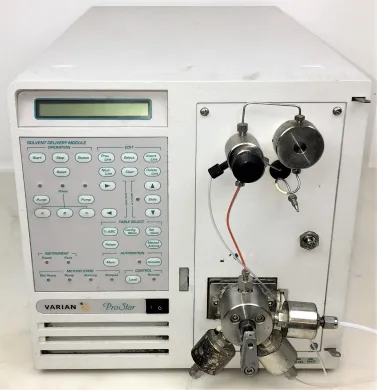
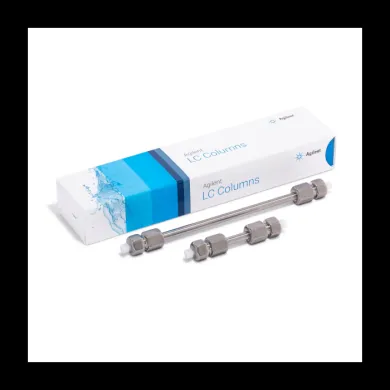
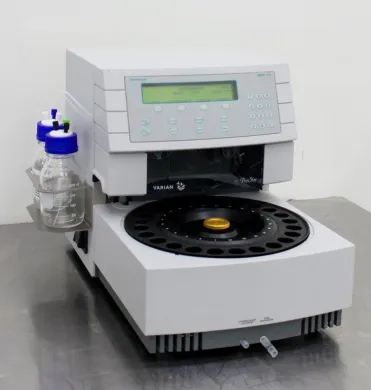
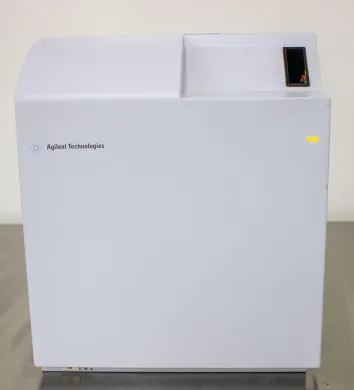
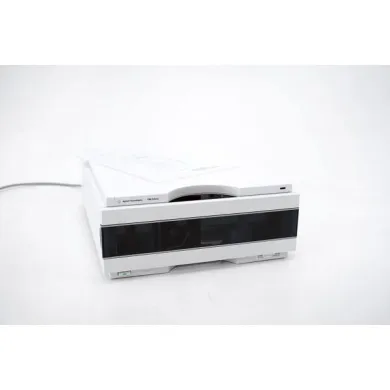
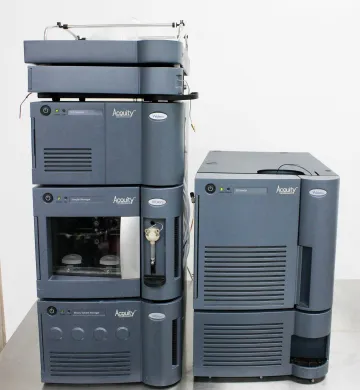
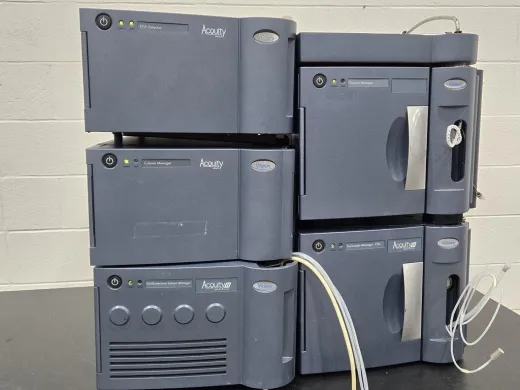
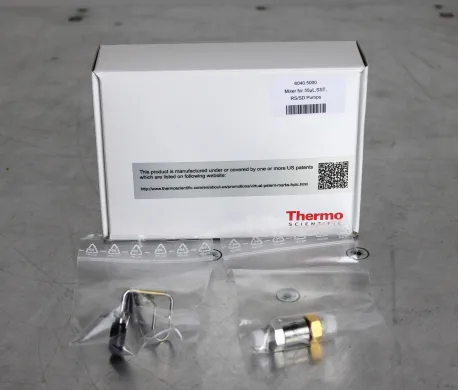
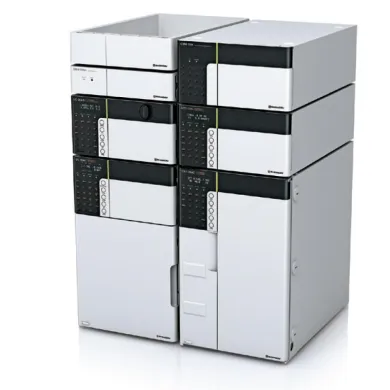
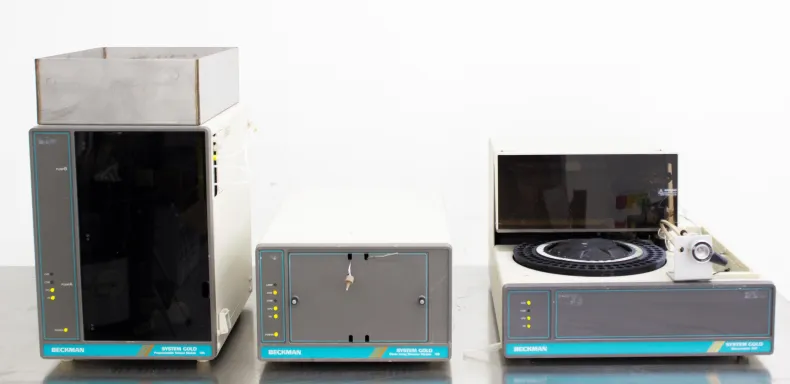
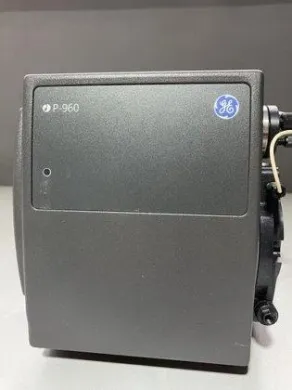
Not the exact instrument you need?
Tell our scientists what you are after. We track it down, including off-market supply.
Showing 1–40 of 908 listings
Show 40 more listingsBuying guide
The column decides the separation, but the detector decides what you can see, and on the second-hand market the detector is where a buyer should start. A UV or diode-array detector covers most routine work; a fluorescence, refractive-index or evaporative light-scattering detector answers a narrower question, and a mass-selective detector is a different purchase altogether. Match the detector to the compounds first, because a pump and an autosampler can be paired with almost anything, whereas a detector that cannot see your analyte makes the rest of the chromatography system useless. From there the pump matters: a binary or quaternary gradient pump opens up method development, while an isocratic pump suits a fixed, validated assay and costs less.
Condition is the real work on a used HPLC module, and it rewards questions a datasheet will not answer. A pump that has run for years may need new seals and a piston check; an autosampler's needle, rotor seal and sample loop wear with every injection; a lamp in a UV detector has a finite burn time and may be near its end. Ask for the instrument's run hours, the date of the last preventive maintenance, and whether the seller has a recent pressure trace or a baseline from the detector. A module that powers up tells you little; one that holds pressure and gives a flat baseline tells you it will separate a sample.
The price band here is wide, running from EUR 1 to EUR 150.647. That spread is the difference between a single accessory or a spare lamp at the bottom and a complete, modern UHPLC stack with a mass detector at the top, with the average listing at EUR 5.918. What this means for a buyer on a budget is that a working isocratic or gradient system can be assembled module by module well below the cost of a new one, since refurbished and used units listed for sale are more affordable than new. The brands that dominate the listings, Agilent, Waters, Thermo Scientific, Agilent Technologies, Shimadzu, are the ones whose parts, columns and service documentation are easiest to find, which keeps a second-hand purchase supportable for years. A warranty is often possible and is arranged in consultation for the specific listing, so confirm the terms on the listing itself rather than assuming them.
Types of HPLC equipment
Which HPLC component types are listed?
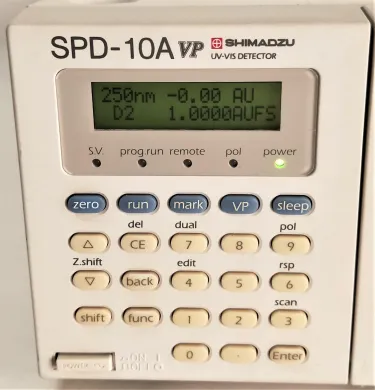
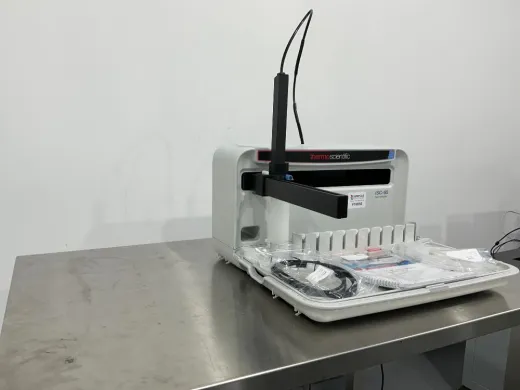
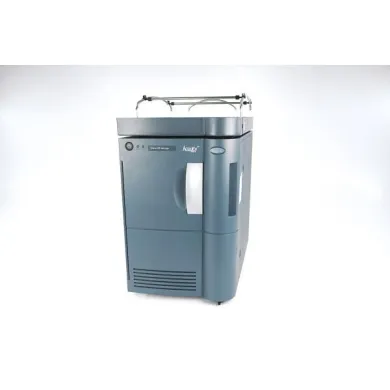
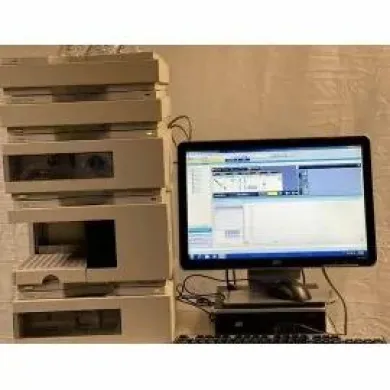
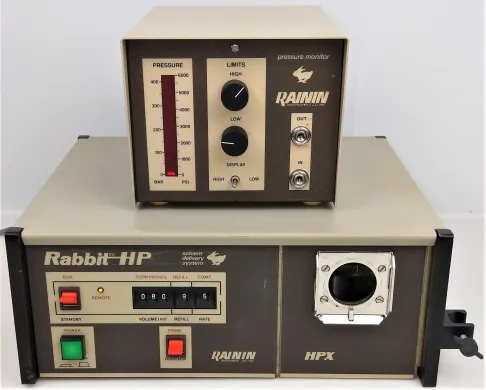
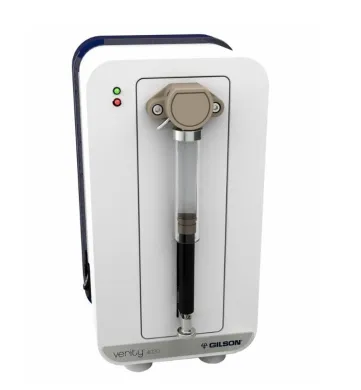
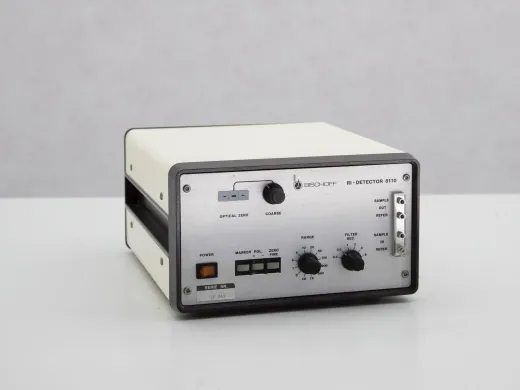
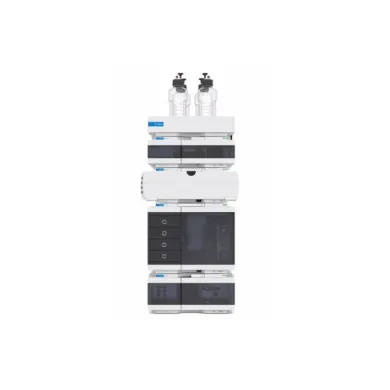
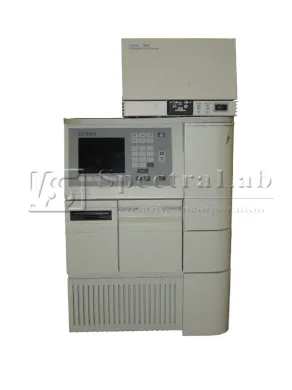
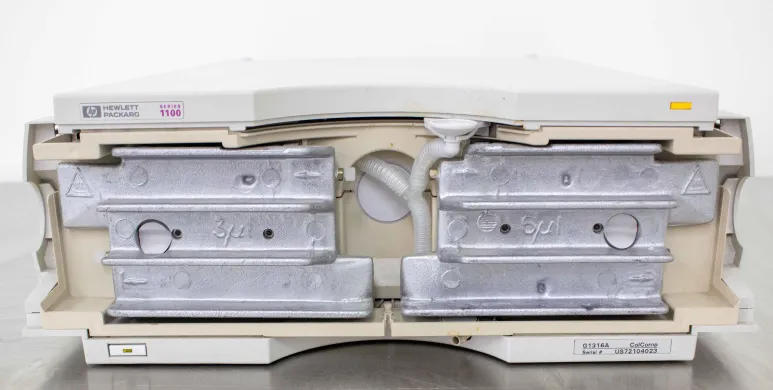
Among the listings that specify a type, the catalogue splits into whole systems and the individual modules that make them up. A high-performance liquid chromatography (HPLC) system is the complete, integrated instrument, bought when a laboratory needs a working setup out of the box. The modules are sold separately because each wears and is replaced on its own schedule. An HPLC pump delivers the mobile phase at constant high pressure, and the choice between isocratic and gradient models shapes which methods the instrument can run. An autosampler automates injection, reaching for it is routine wherever a lab runs long unattended sequences. An HPLC detector and the closely related analytical detector register the separated compounds as they leave the column, with the detection principle, UV, fluorescence, refractive index, deciding what the system can measure. Liquid chromatography accessories, columns, fittings, loops and lamps, are the consumable and semi-consumable parts that keep an existing instrument running.
The chromatography these instruments perform is central to the life sciences. In molecular biology and biochemistry, HPLC and the related UHPLC drive protein purification, peptide mapping and the separation of nucleic acids, and ion-exchange and size-exclusion columns are everyday tools in those workflows. Reversed-phase HPLC for small-molecule analysis anchors much of molecular diagnostics and pharmaceutical quality control, while HPLC coupled to a mass detector, the LC-MS configuration, is a workhorse of proteomics and metabolomics. Preparative liquid chromatography systems scale the same separation up for biomanufacturing and bioprocessing, isolating a purified product from a complex mixture. An autosampler feeding a high-throughput immunoassay or a therapeutic-drug-monitoring assay is also used for clinical sample analysis at volume.
The brands behind the HPLC listings
The names that recur in the listings are Agilent, Waters, Thermo Scientific, Agilent Technologies, Shimadzu. For a buyer this concentration is useful rather than limiting. These are the makers whose columns, seals, lamps and rotor seals are stocked by third parties, whose method files and service manuals circulate widely, and whose model numbers are well enough known that two used units can be compared on specification rather than guesswork. A pump or detector from one of these lines is easier to keep running for a decade than an orphaned instrument from a maker that has left the market. Parts can be sourced via Questpair where a module needs them.
What a used HPLC system costs here
The condition mix is heavily weighted: 98 percent of the listings are used. Prices span from EUR 1 to EUR 150.647, a range that reflects everything from a single lamp or fitting at the low end to a complete UHPLC-MS stack at the high end, with the average at EUR 5.918. Used and refurbished units are listed below the price of new equipment, which is what makes building a system from separate modules practical.
Frequently asked questions
What is HPLC equipment?
HPLC equipment is the set of instruments that perform high-performance liquid chromatography, a technique that separates a dissolved sample into its component compounds by pumping it through a packed column under high pressure. A complete setup pairs a pump, an injector or autosampler, a separation column and a detector.
What does HPLC stand for?
HPLC stands for high-performance liquid chromatography. The term refers both to the separation technique and to the hardware that runs it.
How does HPLC equipment work?
A pump drives a liquid mobile phase at high pressure through a column packed with a stationary phase, and an injector or autosampler introduces the sample into that flow. As the sample's compounds travel through the column at different rates they separate, and a detector at the column outlet registers each one as it elutes.
What types of HPLC equipment are listed?
The listings split into whole systems and individual modules: complete high-performance liquid chromatography (HPLC) systems, HPLC pumps, autosamplers, HPLC detectors and analytical detectors, plus liquid chromatography accessories such as columns, fittings, loops and lamps. Modules are sold separately because each wears and is replaced on its own schedule.
What is HPLC equipment used for?
It separates and quantifies compounds in a dissolved sample, underpinning analysis in pharmaceutical, environmental and food laboratories. Specific workflows include protein purification, peptide mapping, small-molecule quality control, and LC-MS proteomics and metabolomics.
How do I choose HPLC equipment?
Start with the detector, because it decides what you can see: a UV or diode-array detector covers most routine work, while fluorescence, refractive-index or mass-selective detectors answer narrower questions. Then match the pump to your methods, an isocratic pump for a fixed validated assay or a binary or quaternary gradient pump for method development.
What is the difference between refurbished and used HPLC equipment?
Used equipment is sold in its existing condition, while refurbished equipment has been reconditioned before resale. On condition-sensitive modules like pumps and autosamplers, ask for run hours, the last preventive maintenance date and a recent pressure trace or baseline so you know what state the unit is actually in.
How much does HPLC equipment cost?
Prices range from EUR 1 to EUR 150.647, with the average listing at EUR 5.918. The low end is a single lamp or fitting and the high end is a complete UHPLC stack with a mass detector.
Which brands make the HPLC equipment here?
The brands that recur in the listings are Agilent, Waters, Thermo Scientific, Agilent Technologies and Shimadzu. These are the lines whose columns, seals and lamps are stocked by third parties and whose service documentation circulates widely.
Is there a warranty on refurbished HPLC equipment?
A warranty is often possible and is arranged in consultation for the specific listing. Confirm the terms on the listing itself rather than assuming them.
Can I still get parts for used HPLC modules?
Parts can be sourced via Questpair, and the brands that dominate these listings are the ones whose seals, rotor seals, lamps and columns are most widely stocked by third parties. A module from a maker still active in the market is easier to keep running than an orphaned instrument.
How long does HPLC equipment last?
A pump or detector from a widely supported line can be kept running for a decade or more, because its consumable parts remain available. Lifespan depends more on whether seals, lamps, needles and rotor seals can be replaced than on the age of the chassis.
Should I buy new or refurbished HPLC equipment?
Used and refurbished units are listed below the price of new equipment, which is what makes building a working system module by module practical. Where you have to weigh the two, check the individual listing and confirm that warranty is arranged in consultation.
Where can I buy HPLC equipment?
On Questpair it comes from 14 verified suppliers and distributors across 1824 HPLC listings. The catalogue covers both complete systems and single modules, new and used.
What are the lead time and shipping like?
Lead time and shipping are set by the individual seller, so they vary by listing. Check the specific listing or contact the supplier through Questpair for the details on that unit.
What calibration and maintenance does HPLC equipment need?
Pumps need seal and piston-check replacement over time, autosampler needles, rotor seals and sample loops wear with every injection, and UV detector lamps have a finite burn time. On a used purchase, ask for the date of the last preventive maintenance so you know what is due. Questpair does not carry out servicing.
Which HPLC component types are listed most, and who buys which?
Complete HPLC systems, pumps, autosamplers, detectors and accessories all appear. A lab needing a working setup out of the box reaches for a complete system, a lab running long unattended sequences buys an autosampler, and a lab keeping an existing instrument running buys accessories such as columns, lamps and fittings.
Which brands dominate this category, and what does that mean for a buyer?
Agilent, Waters, Thermo Scientific, Agilent Technologies and Shimadzu recur across the listings. That concentration means two used units can be compared on specification rather than guesswork, and the parts and service documentation for these lines are the easiest to find, which keeps a second-hand purchase supportable for years.
What separates the cheapest listings from the most expensive?
The bottom of the band, near EUR 1, is a single accessory, spare lamp or fitting, while the top, near EUR 150.647, is a complete modern UHPLC stack with a mass detector. The average sits at EUR 5.918, and the spread reflects how much hardware is included rather than condition alone.