

Autoclaves / sterilizers
We personally find you the right used, refurbished and new autoclaves / sterilizers instruments & equipment from verified suppliers.
Autoclaves are pressurised chambers that sterilise laboratory loads with saturated steam, holding instruments, media and waste at a set temperature and pressure for a timed cycle until all microbial life is destroyed. The listings span new, used and refurbished units, and of those on Questpair now, 76 percent are used. A typical benchtop cycle runs at 121 degrees Celsius under roughly one bar of gauge pressure, with higher settings used for denser loads. Steam sterilisation works because moist heat denatures proteins far faster than dry heat at the same temperature, which is why this class of laboratory sterilizer underpins so much routine decontamination. Current listings run from EUR 35 to EUR 99.002.
Updated:
Autoclaves / sterilizers product list
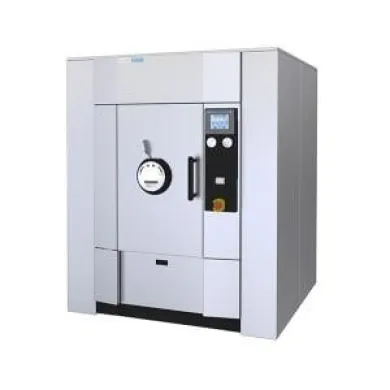


Not the exact instrument you need?
Tell our scientists what you are after. We track it down, including off-market supply.
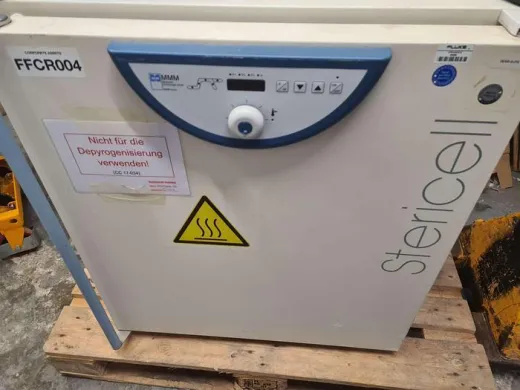
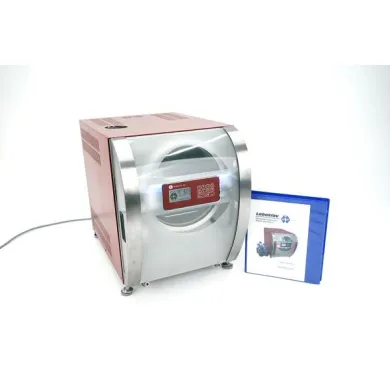
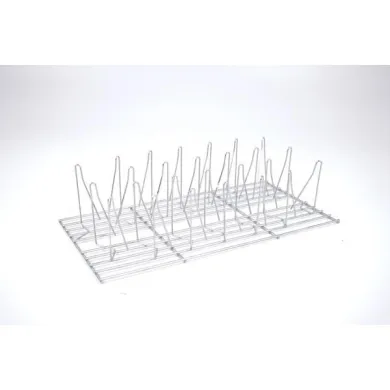
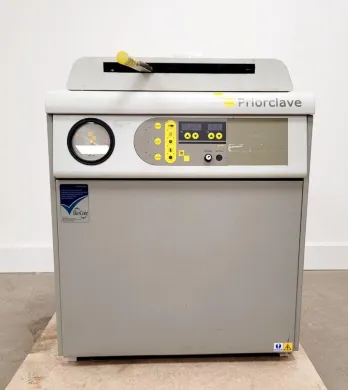
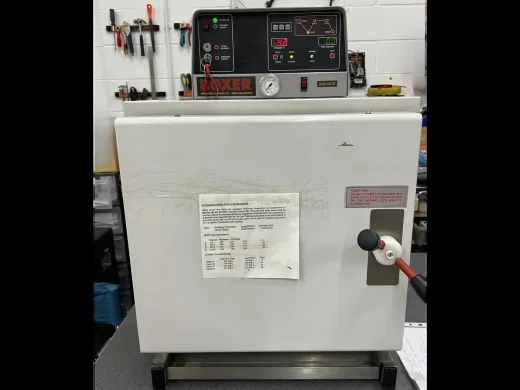
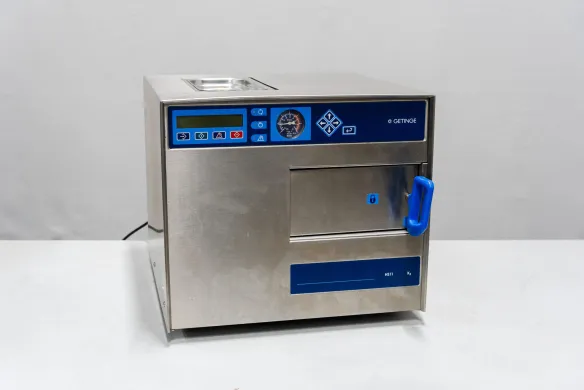
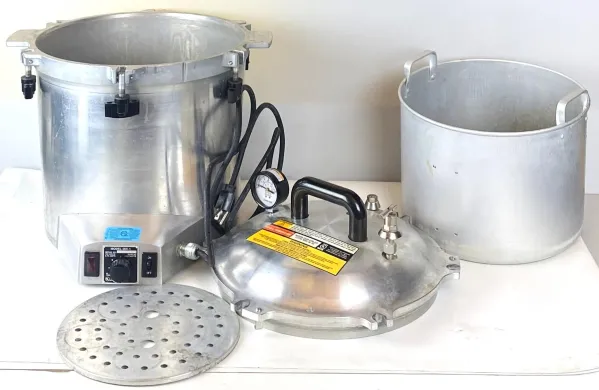
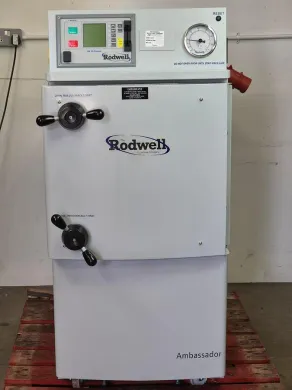
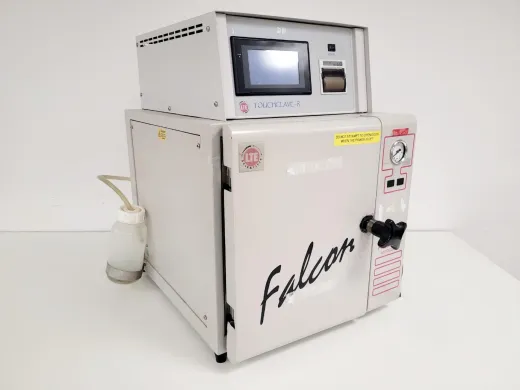
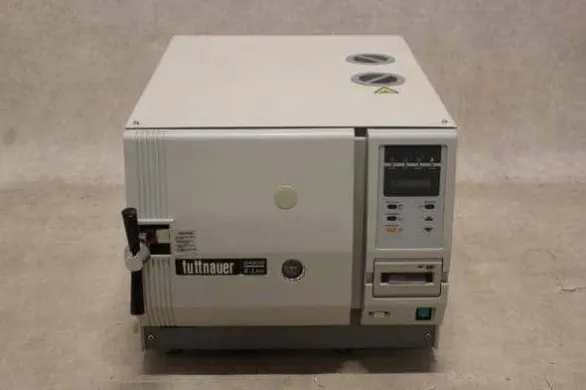
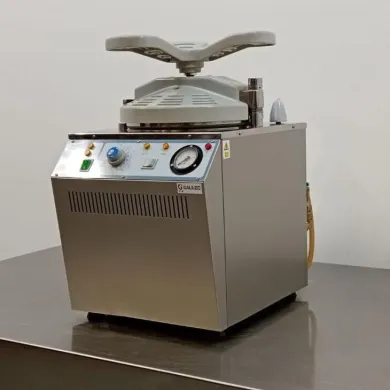
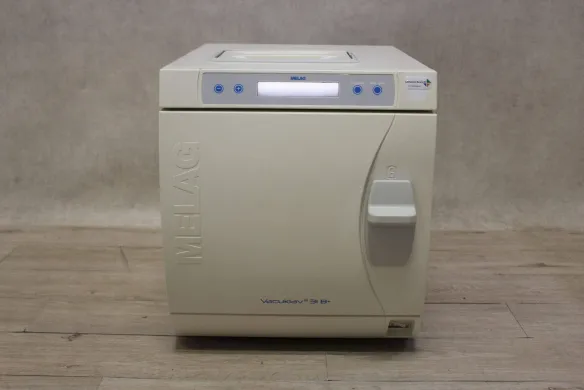
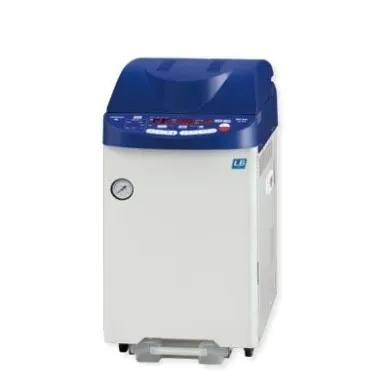
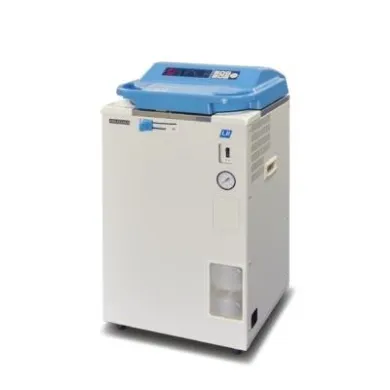
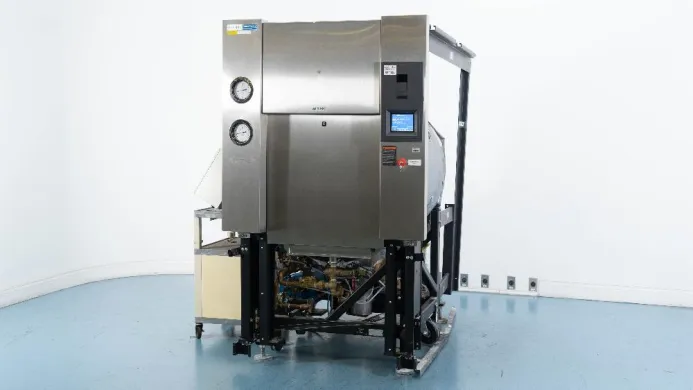
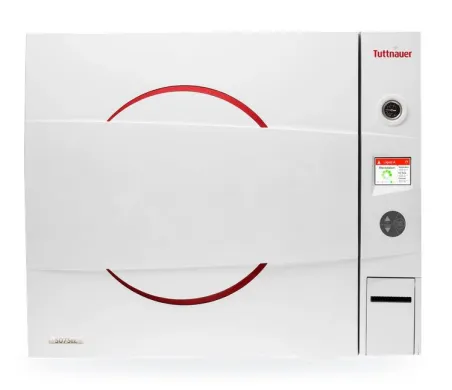
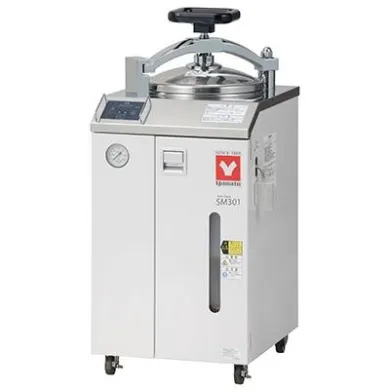
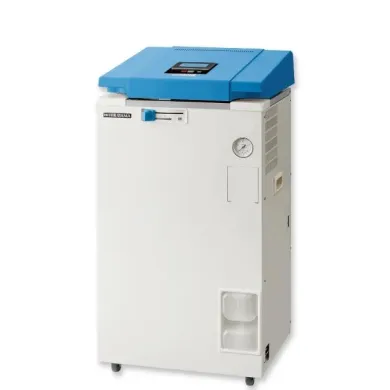
Not the exact instrument you need?
Tell our scientists what you are after. We track it down, including off-market supply.
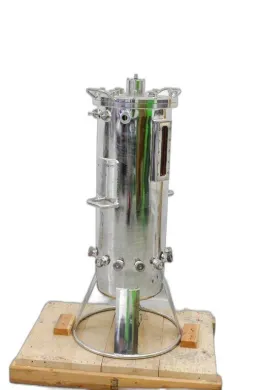
Showing 1–40 of 224 listings
Show 40 more listingsBuying guide
Chamber volume is the specification a buyer settles first, because it sets the physical limit on what a single cycle can process and cascades into everything else. A tabletop unit of fifteen to twenty litres suits a microbiology bench decontaminating plates and pipette tips; a vertical or horizontal floor-standing chamber of a hundred litres or more is needed where glassware, liquid media bottles and bagged waste come through in volume. Oversize the chamber and cycles run longer and cost more to heat; undersize it and the equipment becomes a bottleneck. From volume follow the questions that actually separate one model from another: does it offer a liquid cycle with controlled cooling to stop media boiling over, a vacuum stage to drive steam into wrapped porous loads, and a drying phase for instruments that must come out ready to store.
On a used unit the chamber and the pressure vessel are the parts to verify before anything else. A sterilizer is a pressure vessel, and in many jurisdictions it is subject to periodic inspection; ask for the vessel's inspection history and confirm the gasket, door seal and safety valve are sound or recently replaced. Check that the unit holds temperature across a full cycle rather than reaching the setpoint momentarily, since worn heaters and failing sensors show up as a plateau the chamber cannot sustain. Confirm the controller and its cycle log are functional, because validation records depend on them. Where documentation or spare parts are needed, these can be sourced via Questpair.
Price reflects this spread. What a benchtop sterilizer costs sits well below a validated floor-standing system, and the range here, from EUR 35 to EUR 99.002 against an average of EUR 6.175, covers both ends. A buyer working to a tight budget will find used and refurbished chambers listed below new, since units for sale second-hand are more affordable than equivalent new equipment. Among the makers present, Tuttnauer, Yamato, Scilogex, Priorclave, Hirayama occupy different parts of that band, and the more common names make it easier to compare a specific model and to judge parts availability before committing.
Types of Autoclaves / sterilizers
Which autoclave types are listed here?
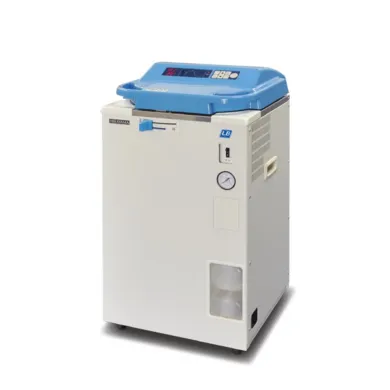
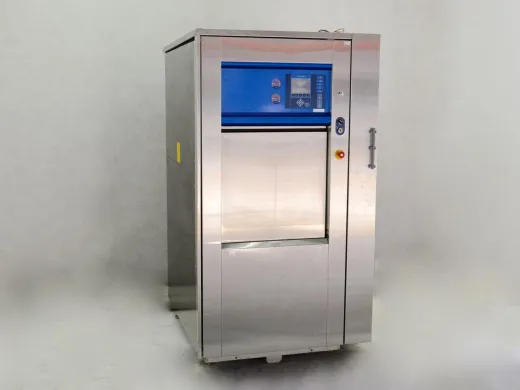
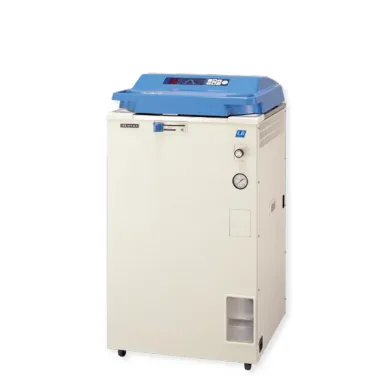
Among the listings that specify a type, the catalogue is dominated by benchtop and tabletop steam sterilizers alongside larger floor-standing chambers, with the terms autoclave, steam sterilizer and laboratory sterilizer used interchangeably for the same class of equipment. Benchtop units are compact, gravity-displacement or pre-vacuum chambers sized for a single bench, reached for by anyone decontaminating instruments and small glassware between runs. Floor-standing and vertical sterilizers carry far greater capacity and usually add a vacuum stage and a liquid cycle, so they handle wrapped porous loads, bagged biohazard waste and bulk media that a tabletop chamber cannot.
The distinction that matters most is between gravity-displacement and pre-vacuum designs. A gravity unit relies on steam pushing air out of the chamber, which is adequate for unwrapped solids and liquids. A pre-vacuum chamber actively evacuates air first, which is what allows steam to penetrate wrapped and porous loads reliably, and it is the type a histology or microbiology laboratory reaches for.
Steam sterilisation is central to work across the life sciences. In microbiology these chambers prepare sterile agar and broth and decontaminate cultures before disposal; in molecular biology and genomics they sterilise tips, tubes and solutions ahead of PCR and nucleic acid work, where a trace of contaminating DNA ruins a result. Autoclaves for cell culture media sterilisation keep reagents free of microbial load before they reach a flask, and autoclaves for biohazard waste decontamination close the loop at the end of a protocol. Laboratories in bioprocessing and biomanufacturing run large chambers to sterilise vessels and consumables before a production run, and a laboratory sterilizer for proteomics sample preparation keeps buffers and labware clean upstream of analysis. The same sterilization, or sterilisation, step underpins routine microbiology, immunoassay work and protein purification alike.
The brands behind the autoclave listings
The makers present here include Tuttnauer, Yamato, Scilogex, Priorclave, Hirayama. For a buyer this presence has practical weight: the more frequently a name appears, the easier it is to compare several models of a similar size side by side, to judge how a given chamber is priced against its peers, and to gauge whether seals, gaskets and controller parts are likely to be obtainable for an older unit. Those parts can be sourced via Questpair.
What a used autoclave costs here
New, used and refurbished units are all listed. Of the current listings, 76 percent are used, and prices run from EUR 35 to EUR 99.002 with an average of EUR 6.175. That spread reflects the gap between a small gravity benchtop chamber and a large validated floor-standing system with vacuum and drying stages. Used and refurbished sterilizers are listed below new, which is what accounts for much of the lower end of the band. The listings come from 18 verified suppliers and distributors across 8 countries.
Frequently asked questions
What is an autoclave?
An autoclave is a pressurised chamber that sterilises laboratory loads with saturated steam, holding instruments, media or waste at a set temperature and pressure for a timed cycle until microbial life is destroyed. The terms autoclave, steam sterilizer and laboratory sterilizer all describe this same class of equipment.
What does sterilization by autoclave actually mean?
It means exposing a load to saturated steam at a controlled temperature and pressure long enough that all living microorganisms and spores are killed. Moist heat denatures proteins faster than dry heat at the same temperature, which is why steam sterilisation is the standard decontamination method in most laboratories.
How do autoclaves work?
Steam is generated and held in a sealed chamber under pressure, which raises the boiling point of water and lets the load reach temperatures above 100 degrees Celsius. A typical benchtop cycle runs at 121 degrees under roughly one bar of gauge pressure for a timed hold, after which the chamber depressurises and, on some units, dries the load.
What types of autoclaves are there?
The main split is between gravity-displacement units, where steam pushes air out of the chamber, and pre-vacuum units, which actively evacuate air first so steam penetrates wrapped and porous loads. By format they range from benchtop and tabletop chambers to larger vertical and floor-standing systems; the catalogue here also lists them under steam sterilizer, laboratory sterilizer and sterilization equipment.
What are autoclaves used for?
They sterilise instruments, glassware, tips, tubes and solutions, prepare sterile agar and broth in microbiology, and decontaminate cultures and biohazard waste before disposal. They are also used to sterilise cell culture media, buffers and labware upstream of PCR, proteomics, immunoassay and protein purification work.
How do I choose an autoclave?
Start with chamber volume, since that sets what a single cycle can process: fifteen to twenty litres suits a bench, while a hundred litres or more handles bulk glassware, liquid media and bagged waste. Then decide whether you need a liquid cycle with controlled cooling, a vacuum stage for wrapped porous loads, and a drying phase for instruments that must come out ready to store.
What is the difference between refurbished and used autoclaves?
A used unit is sold in its existing condition, while a refurbished unit has had components checked or replaced before sale. On both, verify the pressure vessel inspection history, the gasket and door seal, the safety valve, and that the chamber holds temperature across a full cycle.
How much does an autoclave cost?
Listings here run from EUR 35 to EUR 99.002, with an average of EUR 6.175. The spread reflects the gap between a small gravity benchtop chamber and a large floor-standing system with vacuum and drying stages.
Which autoclave brands are listed here?
The makers present include Tuttnauer, Yamato, Scilogex, Priorclave and Hirayama. When a name appears more often it becomes easier to compare several models of a similar size and to judge whether seals, gaskets and controller parts are obtainable for older units.
Can I get a warranty on a refurbished autoclave?
A warranty is often possible and is arranged in consultation for the specific listing. Because terms depend on the individual unit and seller, check the listing itself and raise the question before committing.
Are spare parts available for older autoclaves?
Gaskets, door seals, safety valves and controller parts are the components that commonly need replacing, and these can be sourced via Questpair. Checking parts availability for a given brand before buying is worth doing, which is one reason frequently listed makers are easier to maintain.
How long does an autoclave last?
Lifespan depends on the pressure vessel, the heating elements and the seals rather than the electronics, and a well-maintained chamber can run for many years. Because a sterilizer is a pressure vessel subject to periodic inspection in many jurisdictions, its continued use depends on passing that inspection.
Should I buy new or refurbished?
Used and refurbished autoclaves are listed at lower prices than new, so budget is the clearest reason to consider them. Where you need to weigh the two, compare the specific listings and ask about warranty, which is arranged in consultation for each unit.
Where can I buy an autoclave?
The listings here come from verified suppliers and distributors across 8 countries, covering new, used and refurbished units. You can compare models and suppliers directly within the Questpair catalogue.
What are the lead time and shipping like?
Lead time and shipping depend on the individual listing, the supplier and the destination country, since the equipment comes from 18 suppliers across 8 countries. Confirm these details with the specific listing before ordering.
How are autoclaves calibrated and maintained?
Routine maintenance covers the gasket, door seal and safety valve, plus confirming the chamber holds temperature across a full cycle rather than touching the setpoint briefly. Calibration keeps the temperature and pressure sensors accurate so that the controller's cycle log can support validation records.
Which autoclave types are listed most, and who reaches for which?
Benchtop and tabletop steam sterilizers dominate the listings alongside larger floor-standing chambers. Benchtop gravity units are reached for by anyone decontaminating instruments and small glassware between runs, while histology and microbiology labs reach for pre-vacuum designs that drive steam into wrapped and porous loads.
Which brands dominate this category, and what does that mean for a buyer?
Tuttnauer, Yamato, Scilogex, Priorclave and Hirayama are the names that recur in these listings. A recurring name means more comparable models at a given size and a better chance that seals, gaskets and controller parts can be found for an older chamber, parts that can be sourced via Questpair.
What separates the bottom of the price band from the top?
The lower end is small gravity-displacement benchtop chambers for unwrapped solids and liquids, often used or refurbished and listed below new. The upper end is large floor-standing systems that add a vacuum stage for porous loads, a liquid cycle with controlled cooling, a drying phase and the capacity to process bulk loads in one cycle.