

Tables
We personally find you the right used, refurbished and new tables instruments & equipment from verified suppliers.
Laboratory tables are the work surfaces and support structures on which bench-scale experiments, instruments and sample handling take place. They cover the full range listed here: new, used and refurbished laboratory tables, from stainless steel lab tables to equipment support tables built to carry the weight and vibration of heavier instrumentation. Of the current listings, 100 percent are used, which tells a buyer how the second-hand market for this class of furniture actually looks. Across 6 verified suppliers and distributors in 3 countries, the catalogue runs to 231 items. Prices range from EUR 43 to EUR 1.722, a spread that separates a plain workbench from a reinforced support table.
Updated:
Tables product list
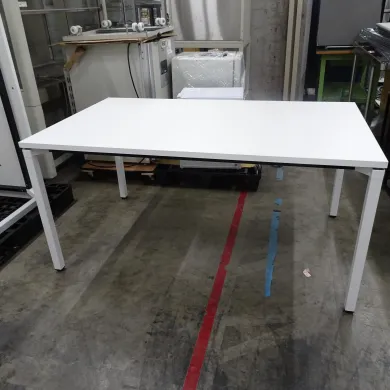
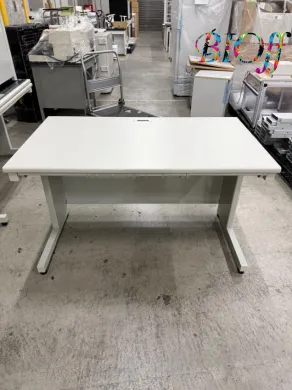
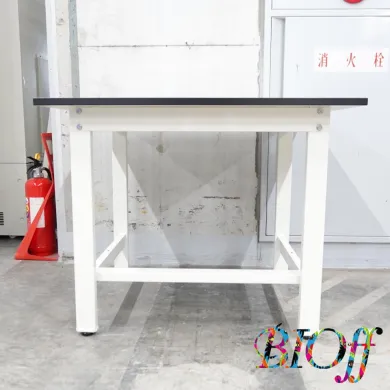
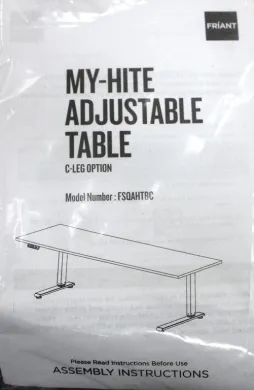


Not the exact instrument you need?
Tell our scientists what you are after. We track it down, including off-market supply.
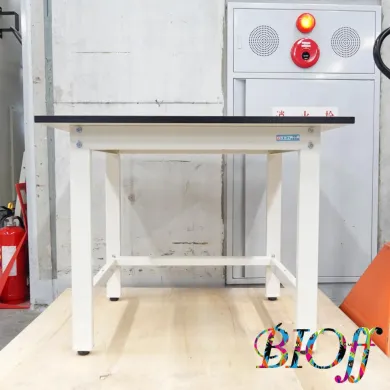
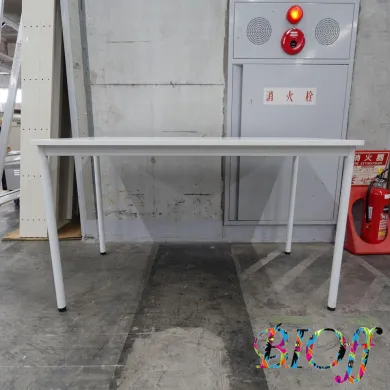
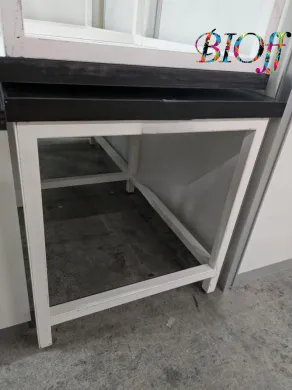
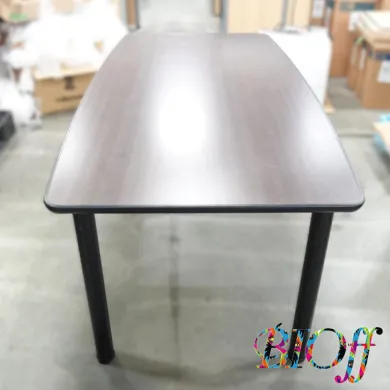
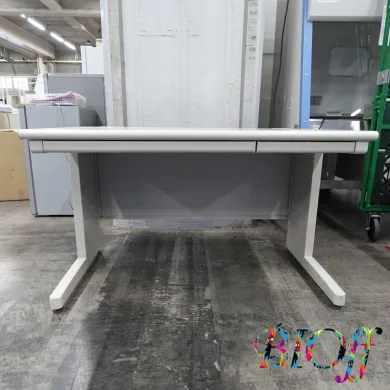
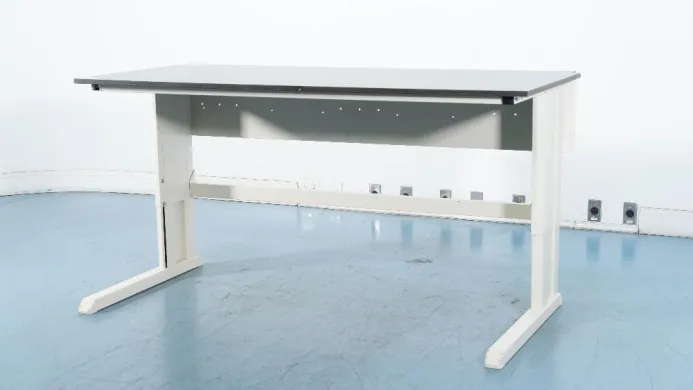
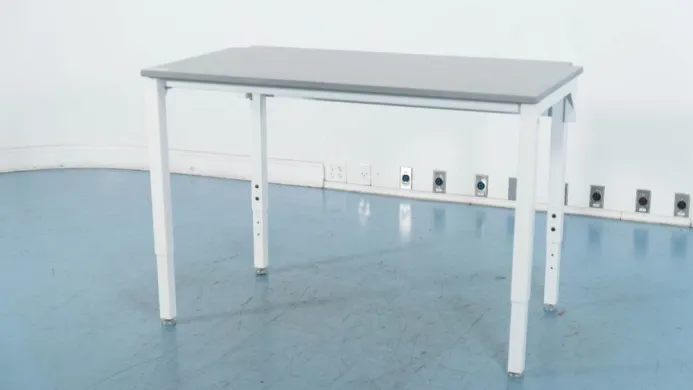
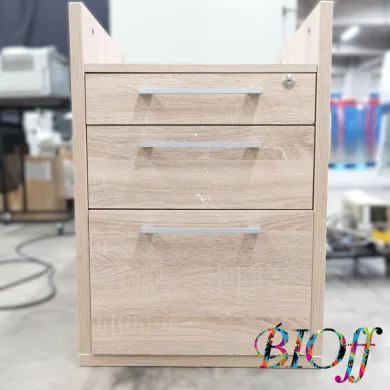
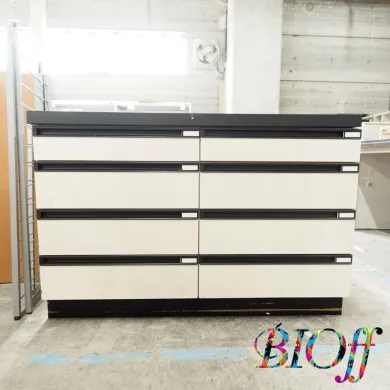
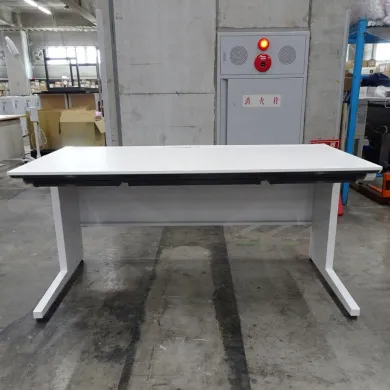
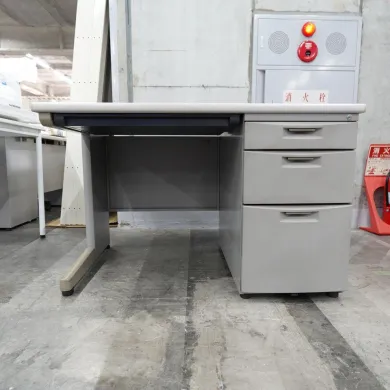
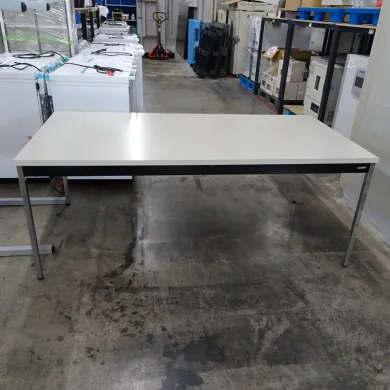
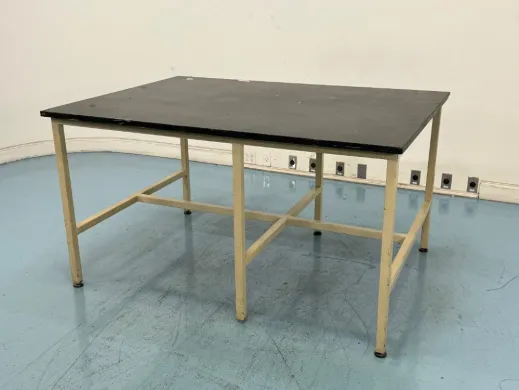
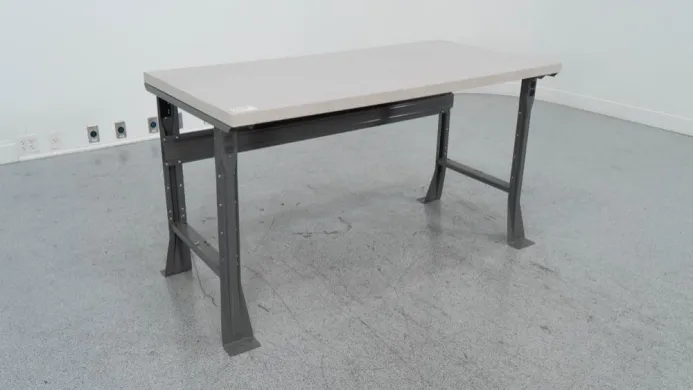
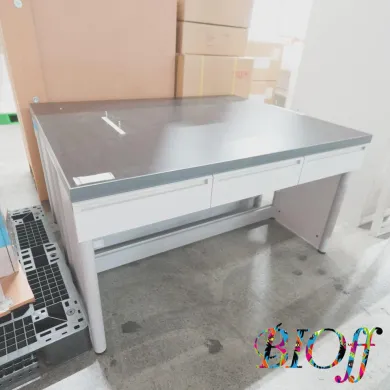
5 Foot Stainless Steel Laboratory Workbench Table
- Category
- Laboratory furniture
- Suppliers
- 1 verified
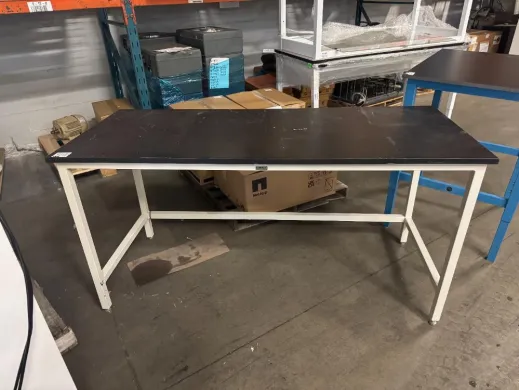
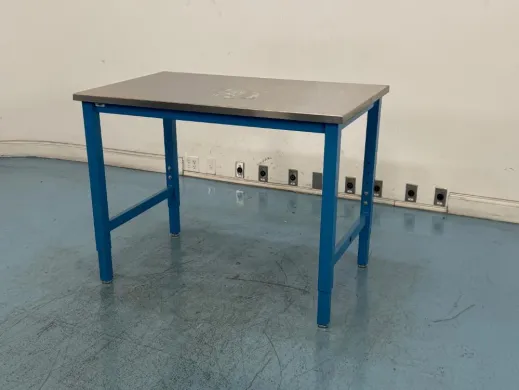
4-Foot Stainless Steel Laboratory Workbench Table
- Category
- Laboratory furniture
- Suppliers
- 1 verified
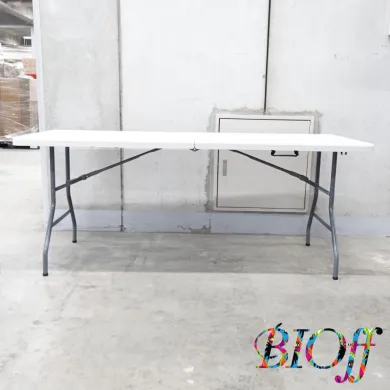
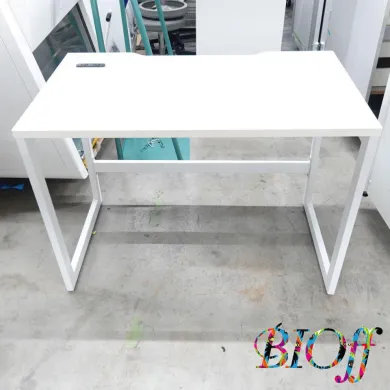

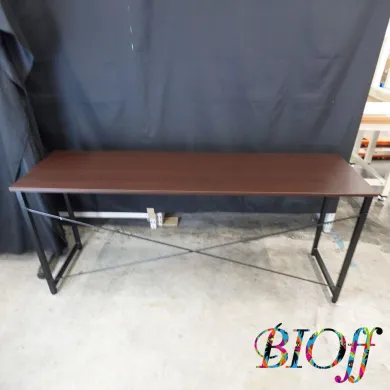
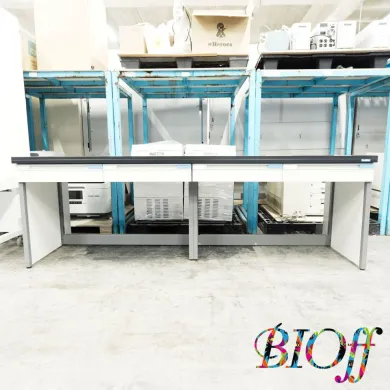
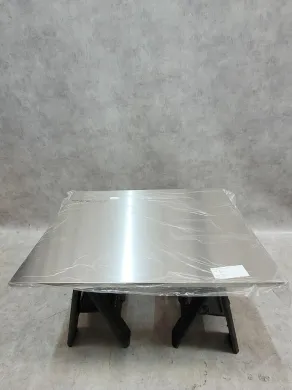
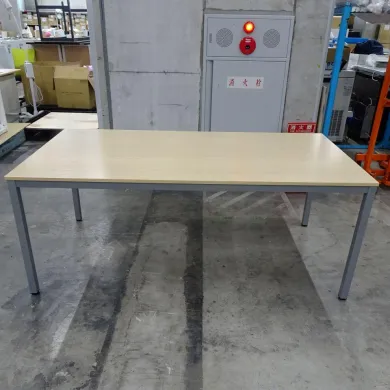
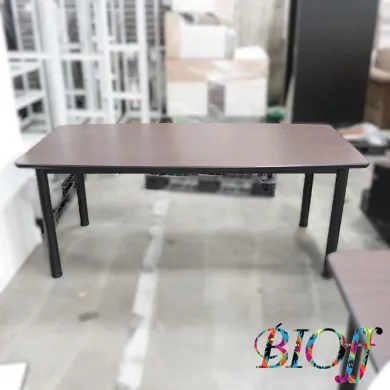
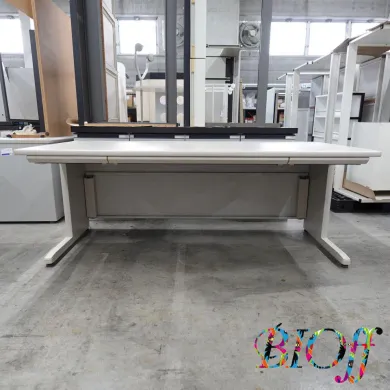
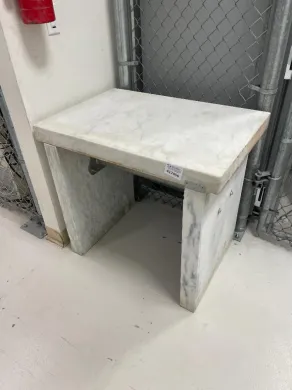
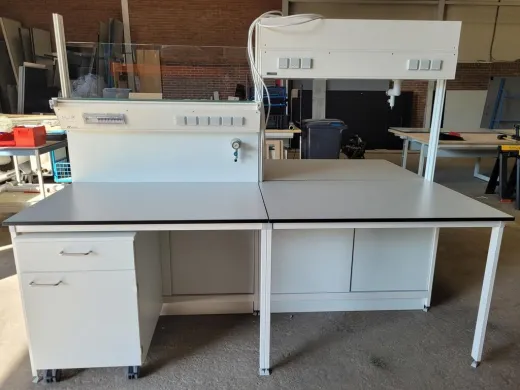
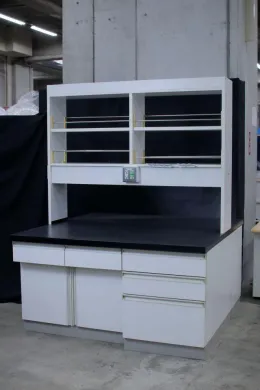
Not the exact instrument you need?
Tell our scientists what you are after. We track it down, including off-market supply.
Showing 1–40 of 79 listings
Show 39 more listingsBuying guide
What settles the purchase of a laboratory table is load and surface, in that order, because everything else follows from what the table has to hold. An equipment support table carrying a centrifuge or a balance is a different object from a general workbench, even when the two look alike in a listing photograph. Decide first what sits on the surface and how heavy it is, then whether that load is static or whether a running instrument introduces vibration, because a vibration-sensitive measurement on an underbuilt frame produces data no recalibration fixes. The frame material and the leg construction, not the tabletop, decide this.
The surface itself is the second decision and the one most tied to the work. Stainless steel resists solvents, acids and repeated disinfection, which is why stainless steel lab tables dominate wet-chemistry and clean environments; a laminate or epoxy surface suits a dry bench where chemical resistance matters less than cost. Check the surface for the chemistry it will actually meet, not for a general idea of durability.
On a used table, and 100 percent of what is listed here is used, the things to verify are physical rather than electronic. Look at weld integrity on a steel frame, surface pitting or delamination on the top, levelling-foot thread condition, and whether a height-adjustable mechanism still moves and locks. A used laboratory table has no calibration to lapse, so condition is about structural soundness and surface state, both of which a listing photograph and a direct question to the supplier can usually establish.
On price, the catalogue sits between EUR 43 and EUR 1.722. A budget for a plain workbench and a budget for a reinforced stainless support table are not the same number, and the spread reflects that range of construction. Refurbished and used tables are more affordable than new units of comparable build, which is what the condition split here reflects. The brands behind these listings, Various, Workplace Modular Systems, LLC, Formaspace, Unknown, Global Industrial, occupy different points in that band, from general-industrial suppliers at the lower end to purpose-built modular lab-furniture makers higher up. What a unit costs tracks closely with frame construction and surface specification rather than with the name on the listing.
Types of Tables
Which table types are listed in this category?
Among the listings that specify a type, the catalogue divides into general-purpose and application-specific forms. A laboratory workbench is the broad workhorse, a flat surface on a rigid frame for routine handling, assembly and documentation. A stainless steel lab table narrows that to chemical-resistant and cleanable work, which is why it recurs in wet-chemistry benches and in environments subject to regular disinfection. An equipment support table is built around a load rather than a task: its frame is dimensioned to carry and steady a specific instrument, and it is also used for isolating vibration under balances and centrifuges. The remaining listings fall under broader lab furniture and laboratory furniture, which covers the structural pieces that complete a bench layout rather than a single work surface.
Where this class of furniture meets biotechnology and life sciences, the application sits in the work the surface supports rather than in the table itself. A stainless steel lab table for cell culture gives a cleanable, non-porous surface next to a biosafety cabinet, and a vibration-damped equipment support table for proteomics holds the balance used in gravimetric sample preparation steady enough for reproducible weighing. A laboratory workbench for molecular biology forms the bench where electrophoresis gels are poured and immunoassay plates are laid out before reading. These are support roles, and the table is specified around the instrument and the workflow it serves.
The brands behind the table listings
The suppliers here are Various, Workplace Modular Systems, LLC, Formaspace, Unknown, Global Industrial. For a buyer, that mix matters more than any single name. General-industrial and modular lab-furniture suppliers occupy different price levels and build standards, so a model from a purpose-built laboratory-furniture maker compares differently against one from a general supplier even at a similar price. Where the maker is recorded as unspecified, the listing itself carries the dimensions, frame and surface specification, and those are what a buyer compares. Parts for frames, feet and height mechanisms can be sourced via Questpair.
What a used laboratory table costs here
The condition mix is stark: 100 percent of the listings are used. Prices run from EUR 43 to EUR 1.722, with an average around EUR 577. That spread covers everything from a plain second-hand workbench to a reinforced stainless support table, so position within the range tracks construction and surface rather than age. Used and refurbished tables are listed below the price of comparable new furniture, which is what the condition split reflects.
Frequently asked questions
What is a laboratory table?
A laboratory table is a work surface and support structure used for bench-scale experiments, instrument placement and sample handling. It ranges from a plain flat-top workbench to a reinforced frame built to carry and steady heavier equipment.
What does a laboratory table mean in practice?
In practice it means the bench or support piece that holds the instrument or the work, specified around the load it carries rather than as a generic piece of furniture. A table for a running centrifuge is a different object from one used only for documentation, even if the two look similar.
How do laboratory tables work?
A laboratory table carries a static or dynamic load on a surface supported by a rigid frame and legs. For vibration-sensitive measurements, the frame and leg construction do the work of keeping the surface steady, while the tabletop handles chemical exposure and cleaning.
What types of laboratory tables are there?
The listed types include laboratory workbench, lab furniture, laboratory furniture, stainless steel lab table, equipment support table and stainless steel table. The split runs from general-purpose benches to surfaces built around a specific instrument or a specific cleaning requirement.
What are laboratory tables used for?
They provide the surface for routine handling, assembly, documentation and wet-chemistry work, and they support instruments such as balances and centrifuges. A stainless steel table suits cleanable and chemical-resistant work, while an equipment support table isolates vibration under sensitive instruments.
How do I choose a laboratory table?
Decide first what sits on the surface and how heavy it is, then whether that load is static or whether a running instrument adds vibration, because the frame and legs settle this. The surface is the second decision: match it to the chemistry or cleaning it will actually meet rather than to a general idea of durability.
What is the difference between a refurbished and a used laboratory table?
A used table is sold in its existing condition, while a refurbished one has been reconditioned before listing. For both, the checks are physical: weld integrity, surface pitting or delamination, levelling-foot threads and whether any height mechanism still moves and locks.
How much does a laboratory table cost?
Prices range from EUR 43 to EUR 1.722, with an average around EUR 577. Where a table falls in that band tracks frame construction and surface specification, so a plain workbench and a reinforced stainless support table sit at opposite ends.
Which brands make the tables listed here?
The suppliers include Workplace Modular Systems, LLC, Formaspace and Global Industrial, alongside listings recorded as Various or Unknown. The mix spans general-industrial suppliers and purpose-built modular lab-furniture makers, which build to different standards at different price levels.
Is there a warranty on a refurbished laboratory table?
A warranty is often possible and is arranged in consultation for the specific listing. Because tables carry no calibration, the warranty question centres on structural and surface condition rather than on electronic function.
Can I get parts for a laboratory table?
Parts for frames, feet and height-adjustment mechanisms can be sourced via Questpair. These are the components most likely to wear or fail on a used steel-framed table.
How long does a laboratory table last?
A steel-framed table has no electronic lifespan to reach, so its service life depends on weld integrity and surface condition. A stainless surface resists solvents, acids and repeated disinfection longer than a laminate top in the same conditions.
Should I buy a new or a refurbished laboratory table?
Used and refurbished tables are listed at lower prices than comparable new units, which is the clearest difference between them. Since the condition of a table is physical and visible, a listing photograph and a direct question to the supplier can usually establish whether a used unit is sound.
Where can I buy a laboratory table?
They are listed on Questpair across 6 verified suppliers and distributors in 3 countries, totalling 231 items. Of those, 230 are used and 1 are new.
What are the lead time and shipping like for a laboratory table?
Lead time and shipping depend on the individual supplier and the size of the table, since frames and support structures vary widely in weight and dimensions. The listing and the supplier are the source for availability and delivery on a specific unit.
Does a laboratory table need calibration or maintenance?
A table has no calibration to lapse. Maintenance is structural: check welds on a steel frame, inspect the top for pitting or delamination, and confirm that levelling feet and any height mechanism still work.
Which table types are listed most, and who reaches for each?
The listings centre on the laboratory workbench as the general-purpose surface, the stainless steel lab table for wet-chemistry and clean environments, and the equipment support table for instruments that need steadying. A wet-chemistry or cell-culture user reaches for the stainless surface, while a proteomics or weighing application reaches for the vibration-damped support table.
Which brands dominate this category, and what does that mean for a buyer?
The listings come from general-industrial suppliers such as Global Industrial and modular lab-furniture makers such as Workplace Modular Systems, LLC and Formaspace, with a share recorded as Various or Unknown. For a buyer this means the name signals the build standard and price level more than the specification itself; where the maker is unspecified, the dimensions, frame and surface in the listing are what to compare.
What separates the cheapest tables here from the most expensive?
The bottom of the band is a plain workbench on a basic frame with a laminate or epoxy top. The top is a reinforced stainless support table built to carry weight and damp vibration, and the difference in frame construction and surface specification is what the spread from EUR 43 to EUR 1.722 reflects.