

Medical supplies
We personally find you the right used, refurbished and new medical supplies from verified suppliers.
Medical supplies are the consumables, storage units and protective items that support clinical and laboratory work, covering everything from hypodermic needles and personal protective equipment to refrigerated storage and mobile carts. On Questpair this category holds 160 listings offered by 13 verified suppliers and distributors across 8 countries. 70 percent of the listings are used. The remaining items are new, used and refurbished units listed side by side, with prices from EUR 4 to EUR 39.250 depending on whether a buyer is looking at a box of needles or a laboratory-grade refrigerator. The breadth is what defines the group: no single specification runs through it, because a supply cart and a disposable needle answer entirely different needs in the same laboratory.
Updated:
Medical supplies product list
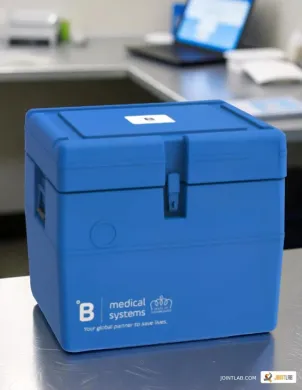
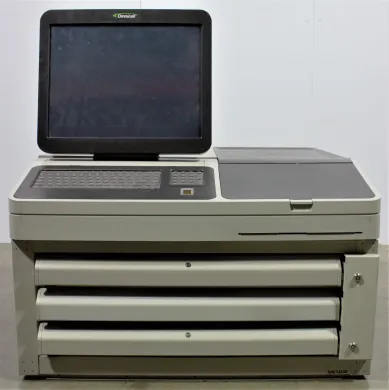
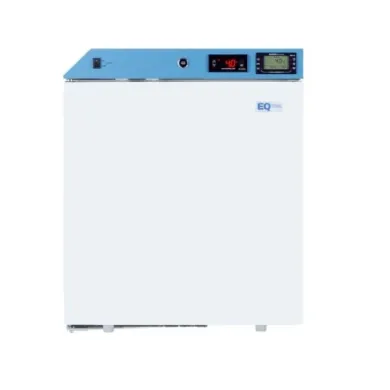
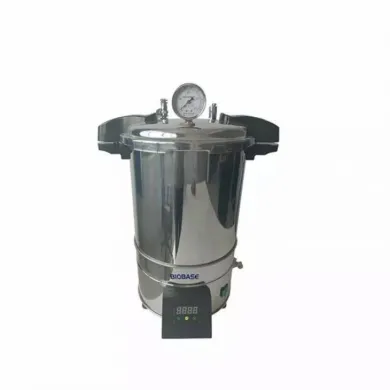


Not the exact instrument you need?
Tell our scientists what you are after. We track it down, including off-market supply.
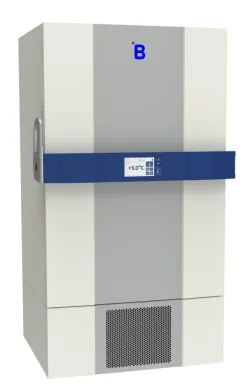
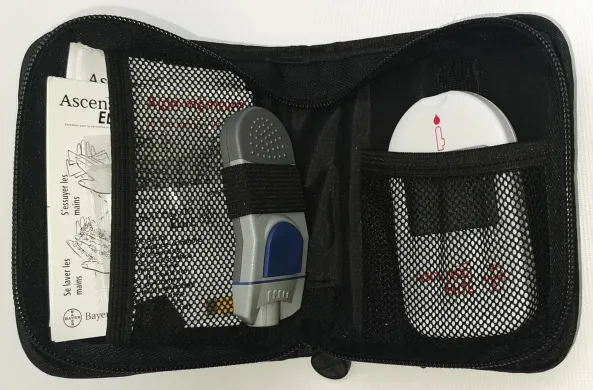
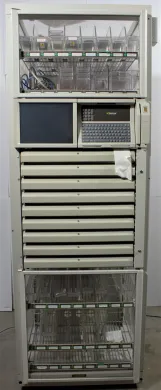
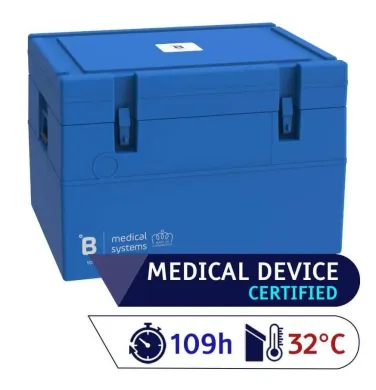
Not the exact instrument you need?
Tell our scientists what you are after. We track it down, including off-market supply.
Showing 1–40 of 101 listings
Show 40 more listingsBuying guide
Because this category spans disposables and durable equipment, the question that settles a purchase changes with the item, and the first thing a buyer has to decide is which kind they are actually buying.
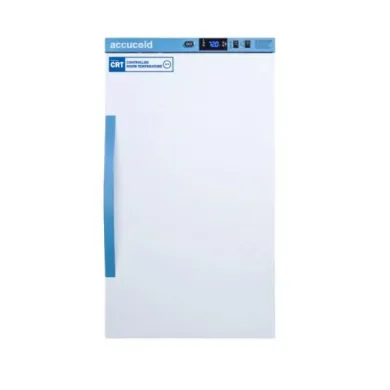
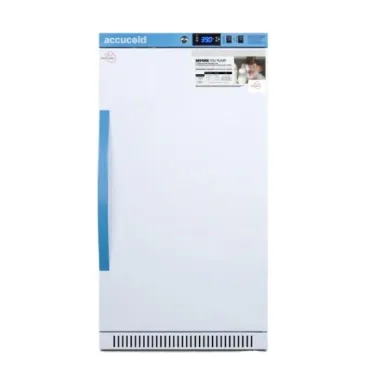
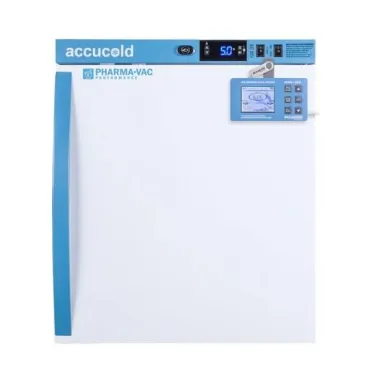
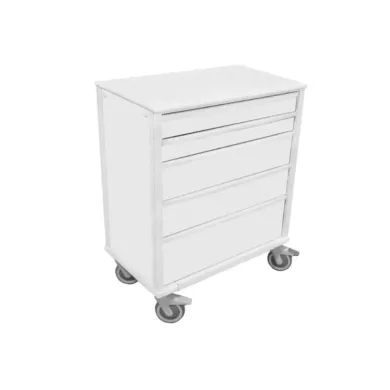
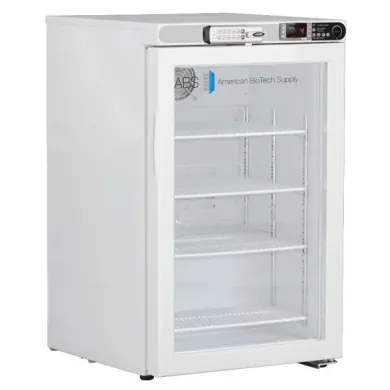
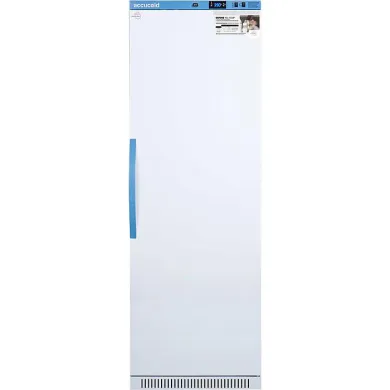
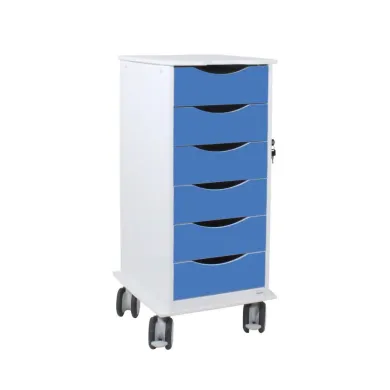
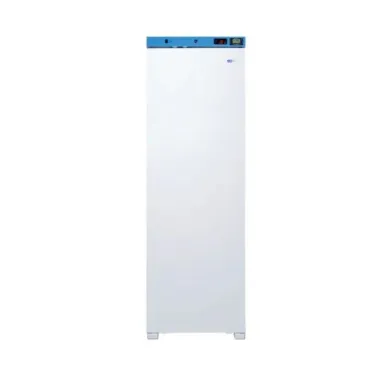
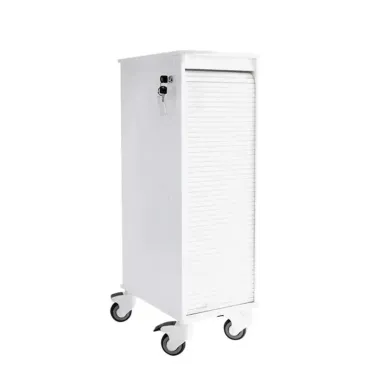
For a refrigerated unit, temperature control decides it. A laboratory refrigerator holding reagents, samples or vaccines is specified by its set-point range, its stability under door openings and its alarm behaviour, and a unit without a continuous temperature readout rarely suits regulated storage. Capacity in litres and the shelf layout follow from the storage protocol, not the other way round. For a cart, the deciding factor is the work it serves: a medical supply cart with lockable drawers is specified around access control and drawer configuration, while a laboratory storage cart is specified around load rating, footprint and whether it rolls over the floor surface in use. For disposables such as hypodermic needles, the gauge and length settle the choice, and for personal protective equipment the material, fit and certification standard do.
On a used unit the things to verify are the parts that wear and the paperwork that regulated work needs. A used laboratory refrigerator should be checked for compressor condition, door-seal integrity and whether its temperature log and calibration record are available, since those matter more to a buyer than any figure on the original datasheet. A used cart needs its casters, locks and drawer runners inspected. Disposables and personal protective equipment are a different case: for those, the open question is certification and shelf life rather than mechanical wear, and expiry dating is what to confirm.
Price here reflects that spread. What a unit costs ranges from EUR 4 for small consumables to EUR 39.250 for a large refrigerated system, so a budget is set by the item type long before the brand. Refurbished and used units listed for sale are more affordable than new, which is where the lower end of the range sits. The brands that occupy the band include Accucold, TrippNT, VWR, B-D, Various, with refrigeration names clustering at the higher prices and cart and consumable makers lower down. Warranty on any individual unit is arranged in consultation for that specific listing.
Types of Medical supplies
Which medical supply types are listed?
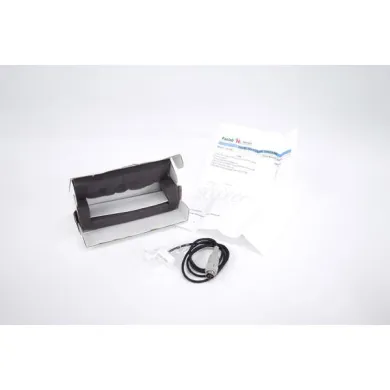
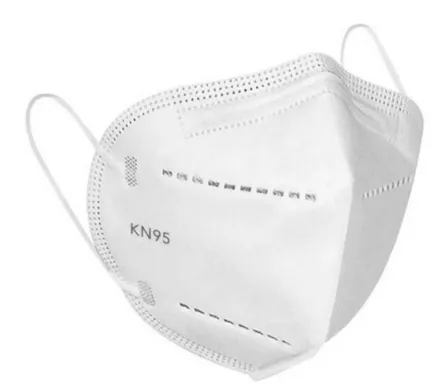
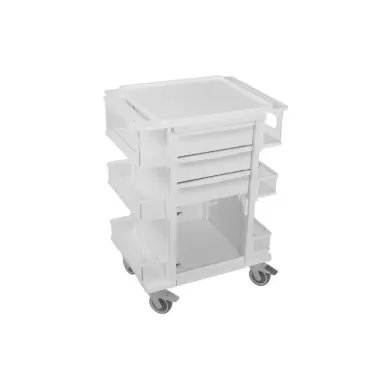
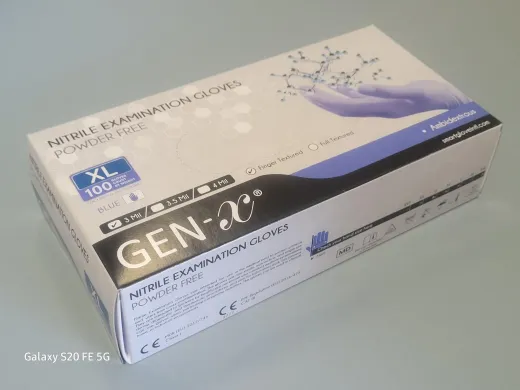
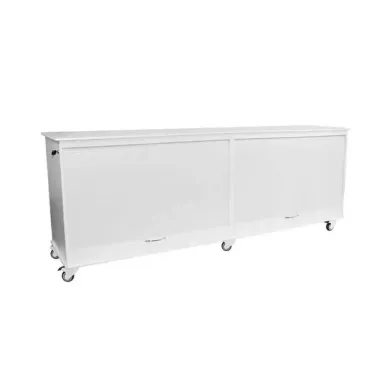
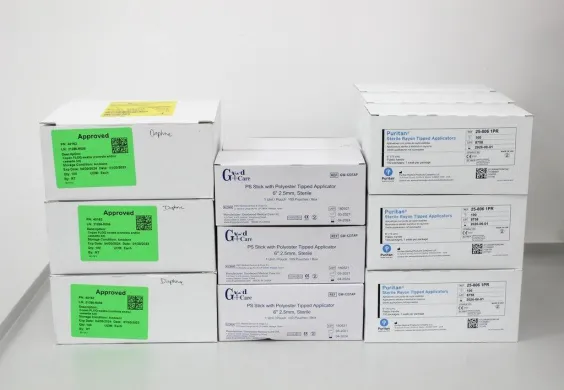
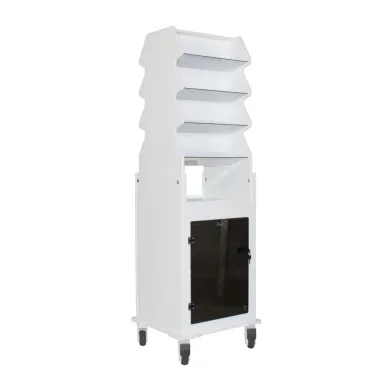
Among the listings that specify a type, the category divides into storage, mobility, cold chain, protection and disposables. Laboratory storage carts and laboratory supply carts move equipment and consumables around a working space, separated mainly by load rating and drawer layout. A medical supply cart adds lockable, configured drawers for controlled access at the point of use. Laboratory refrigerators cover the cold chain, holding reagents, biological samples and temperature-sensitive stock under monitored conditions. Personal protective equipment, or PPE, covers gloves, gowns, eyewear and respiratory protection. Hypodermic needles round out the consumables.
Several of these types do work that sits squarely in biotechnology and life sciences. Laboratory refrigerators are the backbone of sample storage for molecular biology, genomics and proteomics, where reagent and specimen integrity depends on stable cold storage, and laboratory refrigeration for cell culture stock keeps media and sera within their working range. Hypodermic needles are also used for cell culture work and for sample handling in microbiology and immunoassay preparation. Personal protective equipment is a working requirement wherever biological material is handled, from biomanufacturing suites to histology benches. Supply and storage carts support sample preparation and bioprocessing by keeping consumables and instruments at the bench.
The brands behind the medical supply listings
The names that recur across this catalogue are Accucold, TrippNT, VWR, B-D, Various. Accucold appears on the refrigeration side, where a recognised cold-chain maker means spare shelving and gaskets are easier to source and specifications are straightforward to compare between models. TrippNT is a cart and laboratory furniture name, and its presence gives a buyer comparable load ratings and drawer options across units. VWR and B-D cover the consumables and general supply end, where a known brand mostly affects parts availability and how predictably one listing compares with another. The "Various" grouping reflects how broad the disposable and PPE segment is, where unbranded or mixed-brand lots are common and the specification matters more than the maker.
What a used medical supply item costs here
Condition is split with 70 percent of the listings used. Prices span from EUR 4 to EUR 39.250. That spread covers the full distance from a single box of needles to a complete laboratory refrigerator, which is why the average of EUR 1.762 sits well below the top of the range. Used and refurbished units are listed below new prices, and warranty on a given unit is arranged in consultation for that specific listing.
Frequently asked questions
What are medical supplies?
Medical supplies are the consumables, storage units and protective items that support clinical and laboratory work. The group spans hypodermic needles, personal protective equipment, laboratory refrigerators and mobile carts, so it covers both durable equipment and single-use items.
What does the term medical supplies mean in practice?
It is a working label for everything a clinical or laboratory space consumes or uses alongside its instruments, rather than a single product class. Because a supply cart and a disposable needle answer entirely different needs, no single specification runs across the category.
How do medical supplies work?
Each type works differently depending on its job: a laboratory refrigerator holds stock within a set-point range under monitored conditions, a cart moves consumables and instruments around a working space, and a needle or PPE item does its work once at the point of use. There is no shared mechanism, only a shared purpose of supporting lab and clinical tasks.
What types of medical supplies are there?
The listings divide into storage, mobility, cold chain, protection and disposables. In the Questpair catalogue that covers laboratory storage carts, laboratory supply carts, medical supply carts, laboratory refrigerators, personal protective equipment and hypodermic needles.
What are medical supplies used for?
They support sample storage, movement of consumables, cold-chain protection, personal protection and injection or sample handling. In life sciences that means laboratory refrigerators hold reagents and specimens for molecular biology and cell culture work, PPE protects anyone handling biological material, and carts keep consumables at the bench during sample preparation.
How do I choose the right medical supply item?
The deciding factor changes with the item: a refrigerator is settled by its set-point range, stability and alarm behaviour, a cart by load rating, drawer configuration and whether it locks, and disposables by gauge, length, material, fit or certification standard. Decide which kind you are buying first, then specify against that item's own criteria.
What is the difference between refurbished and used medical supplies?
A used item is sold in its existing condition, while a refurbished one has been worked on before resale. Both are listed below new prices, and what matters to verify differs by type: wear parts and paperwork on durable units, certification and shelf life on disposables and PPE.
How much do medical supplies cost?
Prices range from EUR 4 to EUR 39.250, which covers the full distance from a box of needles to a laboratory-grade refrigerator. The average of EUR 1.762 sits well below the top of the range because so much of the category is low-cost consumables.
Which brands show up most in this category?
The names that recur are Accucold, TrippNT, VWR, B-D and a broad Various grouping. Accucold appears on the refrigeration side, TrippNT on carts and laboratory furniture, VWR and B-D on consumables and general supply, and Various reflects the mixed-brand and unbranded lots common in disposables and PPE.
Is there a warranty on refurbished medical supplies?
A warranty is often possible and is arranged in consultation for the specific listing. Terms are not set centrally, so check the individual listing before buying.
Can I get parts for these items?
Parts can be sourced via Questpair. For refrigeration units a recognised maker like Accucold makes spare shelving and gaskets easier to match, and for carts the wearing parts are casters, locks and drawer runners.
How long do medical supplies last?
Durable items such as refrigerators and carts last for years and their lifespan depends on compressor and seal condition or on caster and runner wear. Disposables and PPE are governed by expiry dating rather than mechanical wear, so shelf life is what to confirm on those.
Should I buy new or refurbished?
Used and refurbished units are listed at lower prices than new, which is the clearest difference between them. Where you need to weigh the two, check the specific listing and remember that warranty is arranged in consultation for that unit.
Where can I buy medical supplies?
They are offered on Questpair by 13 verified suppliers and distributors across 8 countries, with 160 listings in this category. New, used and refurbished units are listed side by side.
What are the lead times and shipping like?
Lead time and shipping depend on the individual supplier and the item, since a box of consumables and a laboratory refrigerator move differently. The specific listing is where those details are confirmed.
What calibration and maintenance do these items need?
A laboratory refrigerator used for regulated storage needs a temperature log and calibration record, so check whether those are available on a used unit. Carts need their casters, locks and drawer runners inspected, while disposables and PPE need certification and expiry checked rather than calibration.
Which types are listed most, and who reaches for which?
Laboratory storage carts, medical supply carts, laboratory refrigerators, PPE, hypodermic needles and laboratory supply carts make up the category. Labs running molecular biology, genomics or cell culture reach for refrigerators to protect reagents and specimens, biomanufacturing and histology benches draw on PPE, and sample preparation work relies on carts to keep consumables at hand.
Which brands dominate this category and what does that mean for a buyer?
Accucold on refrigeration, TrippNT on carts, and VWR and B-D on consumables recur across the listings, with a large Various grouping on the disposable and PPE side. A recognised maker makes spare parts easier to source and specifications easier to compare, while in the Various segment the specification itself matters more than the name.
What separates the cheapest listings from the most expensive?
The item type sets the band long before the brand: small consumables such as needles sit near EUR 4, while a laboratory-grade refrigerated system reaches toward EUR 39.250. Refrigeration names cluster at the higher prices and cart and consumable makers lower down, and used or refurbished units sit below new throughout.