

Cell counters
We personally find you the right used, refurbished and new cell counters instruments & equipment from verified suppliers.
Cell counters are laboratory instruments that measure the number of cells in a suspension, and in most modern designs the fraction of those cells that are alive. They range from simple hemocytometers read under a microscope to automated optical systems that image a sample and return a count, a viability figure and a size distribution in seconds. On Questpair, 446 cell counter listings are available from 18 verified suppliers and distributors across 7 countries. The units are listed new, used and refurbished, and 99 percent of the listings are used. Prices run from EUR 18 to EUR 64.567. That span separates a single counting slide from a complete fluorescence-based viability platform.
Updated:
Cell counters product list
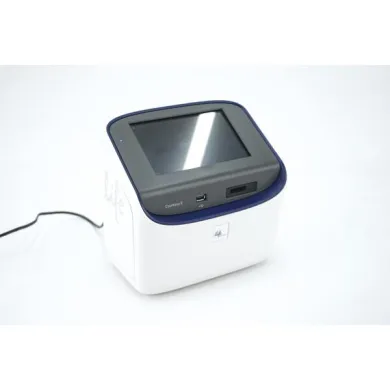
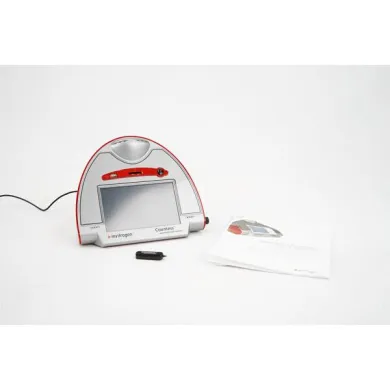
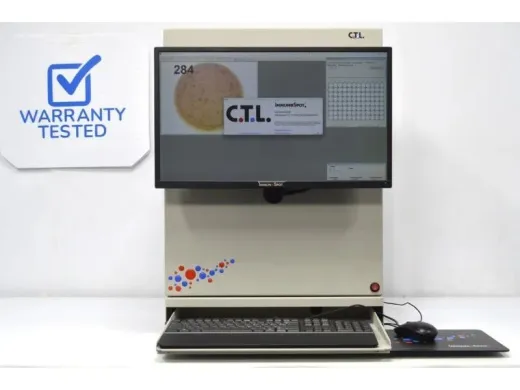
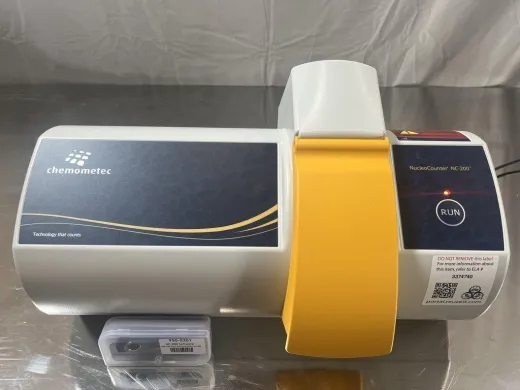


Not the exact instrument you need?
Tell our scientists what you are after. We track it down, including off-market supply.
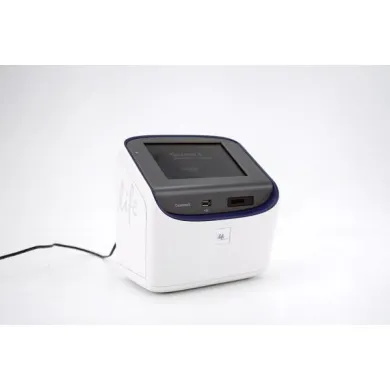
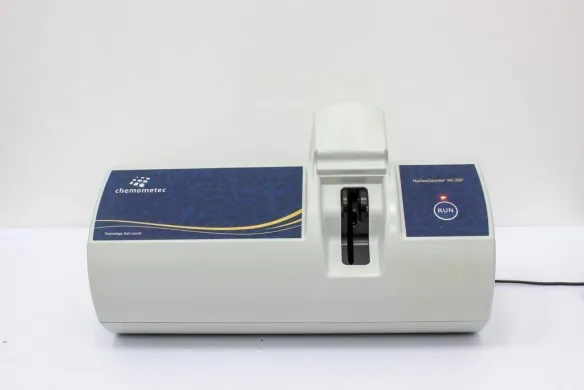
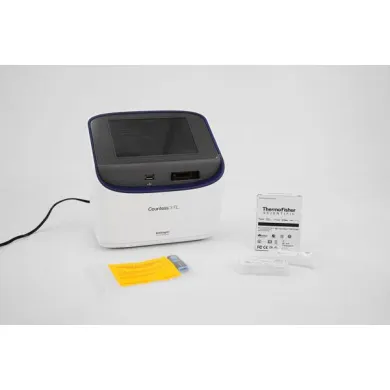
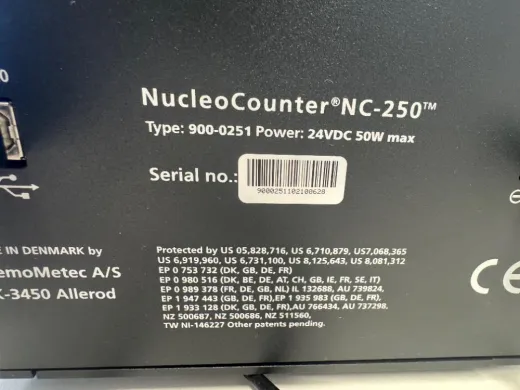
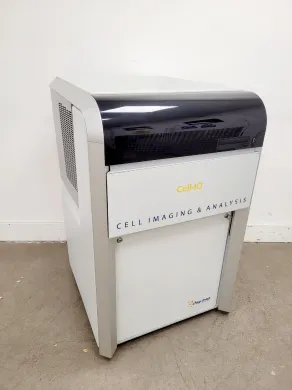
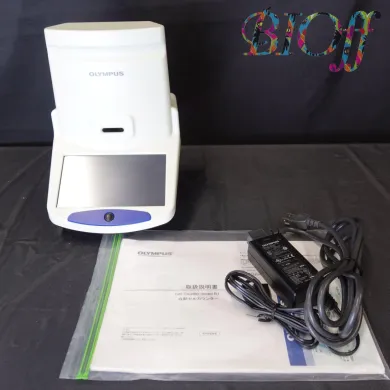
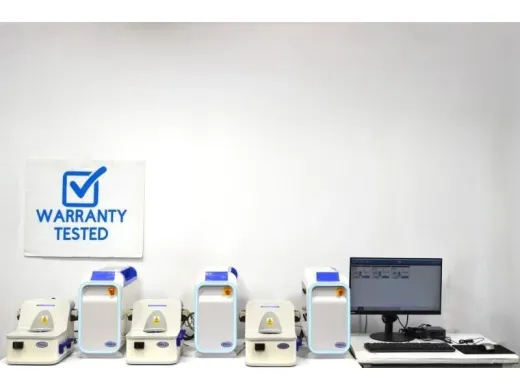
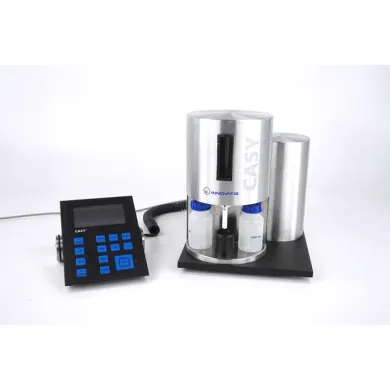
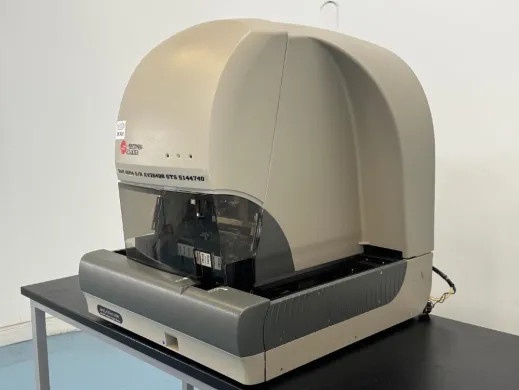
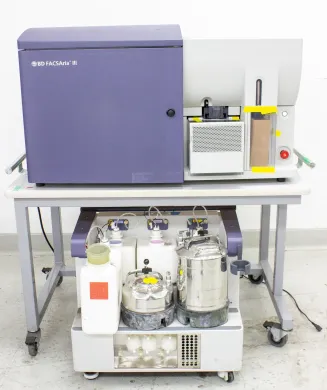
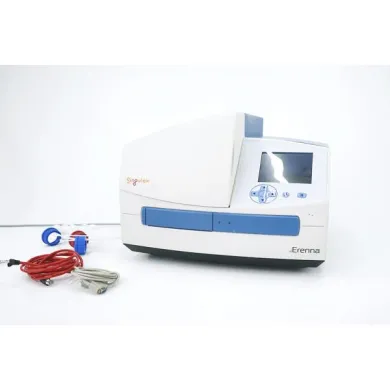
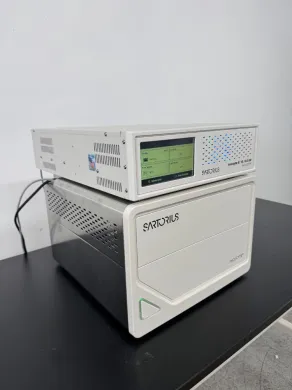
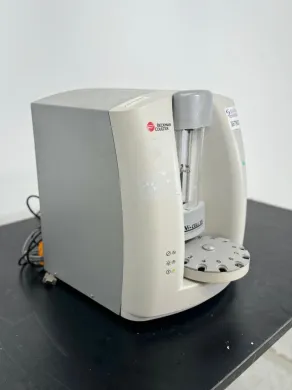
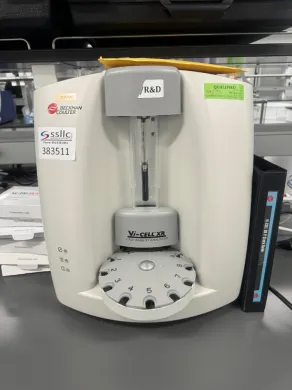
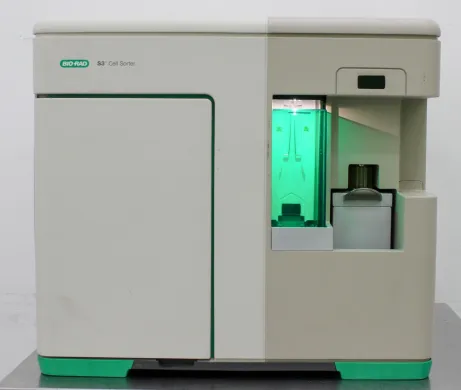
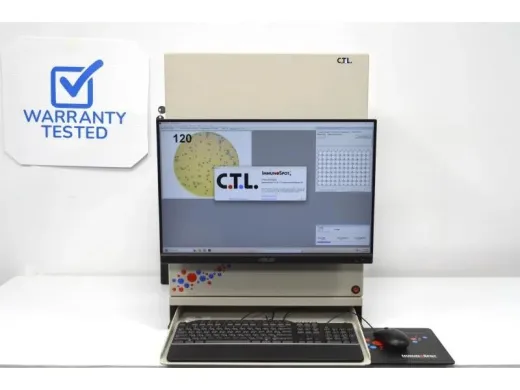
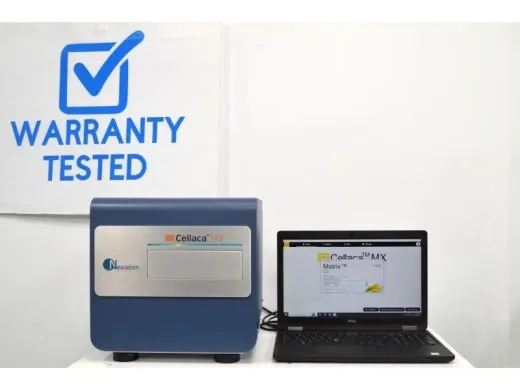
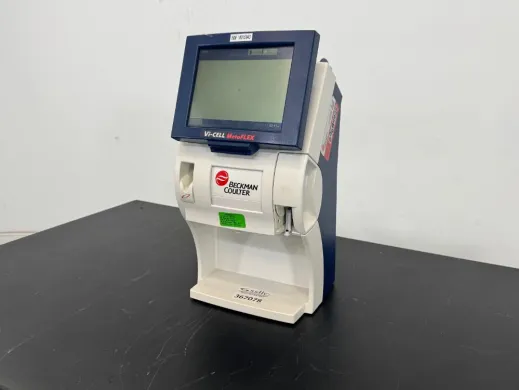
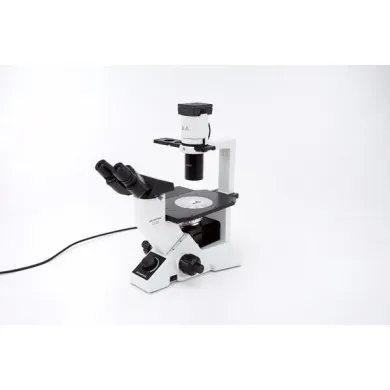
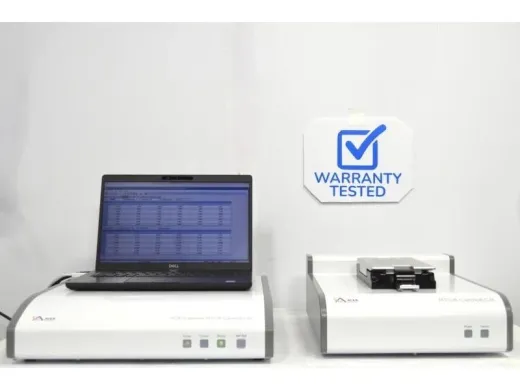
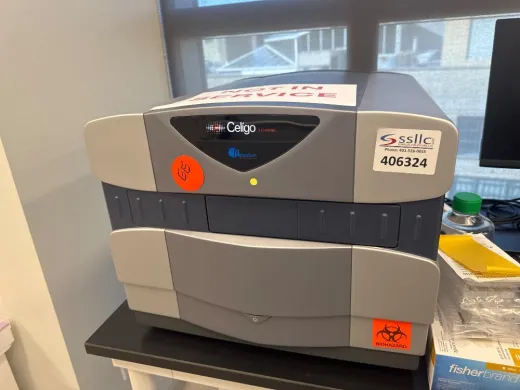
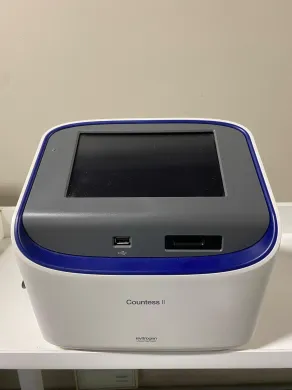
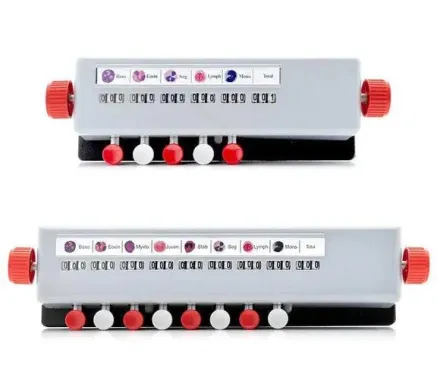
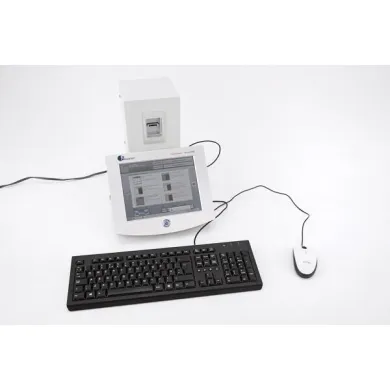
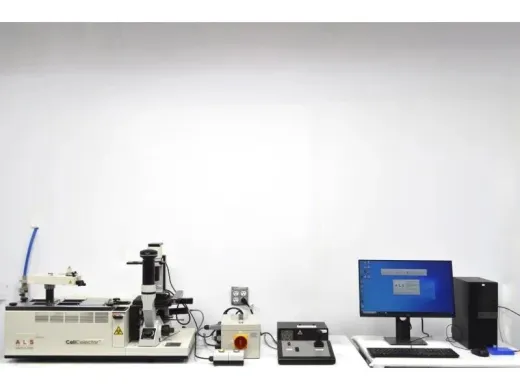
Not the exact instrument you need?
Tell our scientists what you are after. We track it down, including off-market supply.
Showing 1–40 of 184 listings
Show 40 more listingsBuying guide
The decision usually starts with how the instrument distinguishes a living cell from a dead one, because that single capability sorts the catalogue more cleanly than any other specification. A trypan blue exclusion counter reads a dye that only dead cells take up, which is fast, cheap and adequate for routine passaging of a healthy line. A fluorescence counter stains nucleic acid instead and separates the signal of nucleated cells from debris, which matters for primary samples, whole blood, or any suspension where cell fragments and platelets would fool an optical count. If the work involves clumping cells, very small cells, or a stain-sensitive assay, the fluorescence route is the one that produces a number a reviewer will accept, and the price follows that split.
What has to be checked on a used unit sits in two places the datasheet does not describe. The first is the optical path and the camera: image-based counters depend on a clean lens and a working light source, and a sensor that has drifted gives a count that looks plausible and is wrong. Ask for a recent verification run against a known standard or a hemocytometer, and treat the absence of one as a cost to budget for. The second is consumables. Many automated counters are closed systems that only run the maker's own slides or cassettes, and a bargain instrument whose cassettes are discontinued is not a bargain. Confirm the slide format is still manufactured before the price looks attractive.
Price is where the two routes diverge most. A used manual counter or an older automated unit can be among the most affordable instruments in any cell biology lab, while a current fluorescence viability analyzer sits near the top of the range. The spread on Questpair runs from EUR 18 to EUR 64.567. 99 percent of the listings are used, which is what puts the lower end of that band within reach of a routine budget rather than a capital request. The brands that occupy the band are Beckman Coulter, Invitrogen, ChemoMetec, Nexcelom, Miltenyi Biotec; a buyer weighing cost against the certainty of finding matching cassettes will find that the better-represented names are the easier ones to compare across several listings.
Types of Cell counters
Which cell counter types are listed?
Among the listings that specify a type, the catalogue divides along one line: how the instrument detects and classifies a cell. Automated cell counters capture a brightfield or phase image of a loaded sample and apply software to find and tally the cells, which removes the hemocytometer and the operator's eye from the count. Cell viability analyzers and viability analyzers add a measure of the live fraction, reading either a dye-exclusion signal or a membrane-integrity marker, so the result is a concentration paired with a percent viability. Fluorescence cell counters go further and stain nucleic acid, which lets them separate nucleated cells from debris and count accurately in dirty or mixed suspensions where a brightfield method would overcount. Digital cell counters and automated cell viability analyzers combine these functions in a single benchtop unit that reports count, viability and size together.
These instruments do the quantitative groundwork for most of cell culture and for a good deal of molecular biology downstream of it. Counting and viability measurement set the cell number going into a transfection, a seeding, or an assay, and that number decides whether the experiment is reproducible. A fluorescence cell viability analyzer is a standard tool in cell therapy and biomanufacturing, where release of a product depends on a documented live-cell count, and the same instruments support immunoassay and flow cytometry workflows by standardising the input. In clinical and research haematology and haematology-adjacent work, automated counters handle whole-blood and primary samples that debris would otherwise confound. Any lab running cell culture at scale, from a vaccine process line to an academic genomics group preparing samples, also used these counters as the gate between harvest and the next step.
The brands behind the cell counter listings
The names that recur across the listings are Beckman Coulter, Invitrogen, ChemoMetec, Nexcelom, Miltenyi Biotec. For a buyer, that distribution matters more as availability than as reputation. The better-represented makers appear across several listings at once, which means a model can be compared on condition and price rather than taken on the only unit on offer, and it means the maker-specific slides or cassettes those systems require are more likely to still be in circulation. A counter from a thinly listed brand can be the right instrument, but confirm the consumable format before committing, because the saving on the unit means little if the cartridges are hard to source.
What a used cell counter costs here
Prices run from EUR 18 to EUR 64.567. The low end covers manual counting slides and older automated units; the high end covers current fluorescence viability platforms with full imaging and software. 99 percent of the listings are used, and used and refurbished units are listed below new prices, which is what brings a working automated counter within reach of a routine lab budget. Parts can be sourced via Questpair, and where a warranty is wanted it is arranged in consultation for the specific listing.
Frequently asked questions
What is a cell counter?
A cell counter is a laboratory instrument that measures how many cells are present in a suspension, and in most modern designs it also reports what fraction of those cells are alive. Designs range from manual counting slides read under a microscope to automated optical systems that image a sample and return a count, a viability figure and a size distribution.
What does cell counter mean in practice?
In practice it means the device that sets the cell number going into a downstream step, such as a transfection, a seeding or an assay. The output is a concentration, often paired with a percent viability and a size reading.
How do cell counters work?
An automated counter loads a sample onto a slide or cassette, captures a brightfield, phase or fluorescence image, and applies software to find and tally the cells. Viability versions add a dye-exclusion or membrane-integrity reading so the result combines a count with a live-cell fraction.
What types of cell counters are there?
The listings include automated cell counters, cell viability analyzers, viability analysers, fluorescence cell counters, digital cell counters and automated cell viability analyzers. They differ mainly in how they detect and classify a cell: brightfield imaging, dye-exclusion viability, or nucleic-acid staining.
What are cell counters used for?
They do the quantitative groundwork for cell culture and much of the molecular biology downstream of it, setting the cell number for transfections, seedings and assays. Fluorescence viability analysers are also used in cell therapy and biomanufacturing, where product release depends on a documented live-cell count, and in haematology work on whole-blood and primary samples.
How do I choose a cell counter?
Start with how the instrument distinguishes a living cell from a dead one, because that sorts the catalogue more cleanly than any other specification. A trypan blue exclusion counter is fast and adequate for routine passaging of a healthy line, while a fluorescence counter stains nucleic acid and separates nucleated cells from debris, which matters for primary samples, whole blood or clumping cells.
What is the difference between refurbished and used cell counters?
Used units are sold in their working condition as received, while refurbished units have been checked and brought back to a defined state before sale. For either, ask for a recent verification run against a known standard or a hemocytometer, since the condition of the optical path and camera is what determines whether the count is correct.
How much does a cell counter cost?
On Questpair prices run from EUR 18 to EUR 64.567, with an average around EUR 5.883. The low end covers manual counting slides and older automated units, and the high end covers current fluorescence viability platforms with full imaging and software.
Which brands make cell counters?
The names that recur across the listings are Beckman Coulter, Invitrogen, ChemoMetec, Nexcelom and Miltenyi Biotec. Better-represented makers appear across several listings at once, which lets you compare a model on condition and price rather than taking the only unit on offer.
Can I get a warranty on a refurbished cell counter?
A warranty is often possible and is arranged in consultation for the specific listing. Terms are not set centrally, so check the individual listing and raise the warranty question before committing.
Are parts available for cell counters?
Parts can be sourced via Questpair. The point to watch on closed systems is the consumable format: confirm the maker's slides or cassettes are still manufactured, because a bargain instrument with discontinued cassettes is not a saving.
How long does a cell counter last?
Lifespan depends on the optical path and the light source more than on age, since a drifted sensor gives a plausible-looking count that is wrong. A recent verification run against a known standard tells you more about remaining useful life than the year of manufacture.
Should I buy a new or a used cell counter?
Used and refurbished units are listed at lower prices than new, which is what brings a working automated counter within reach of a routine lab budget rather than a capital request. Weigh the two on the individual listing, check the verification history and consumable availability, and arrange any warranty in consultation for that listing.
Where can I buy a cell counter?
Questpair lists cell counters from 18 verified suppliers and distributors across 7 countries, with 446 listings in total. Units are offered new, used and refurbished within that catalogue.
What is the lead time and shipping on a cell counter?
Lead time and shipping depend on the specific listing and the supplier's location, which spans 7 countries. For a firm date on a particular unit, contact Questpair and specialists respond within an hour.
How are cell counters calibrated and maintained?
The core check is a verification run against a known standard or a hemocytometer, which confirms the camera and optical path are reading correctly. Keeping the lens clean and the light source working is the main routine task; Questpair does not provide servicing, but parts can be sourced through it.
Which cell counter types are listed most, and who reaches for each?
Automated cell counters and viability analysers make up the bulk of the typed listings, used by labs running routine culture at scale. Fluorescence cell counters are the choice in cell therapy, biomanufacturing and haematology, where debris, platelets or clumping cells would fool a brightfield count.
Which brands dominate this category, and what does that mean for a buyer?
Beckman Coulter, Invitrogen, ChemoMetec, Nexcelom and Miltenyi Biotec recur across the listings. For a buyer this matters as availability rather than reputation: the better-represented names can be compared across several listings, and their consumables are more likely to still be in circulation.
What separates the cheapest cell counters here from the most expensive?
The bottom of the band is manual counting slides and older automated units that read a brightfield image. The top is current fluorescence viability platforms that stain nucleic acid, separate cells from debris and report count, viability and size together, with the imaging and software that a reviewer will accept for primary or mixed samples.