

Hematology analysers
We personally find you the right used, refurbished and new hematology analysers instruments & equipment from verified suppliers.
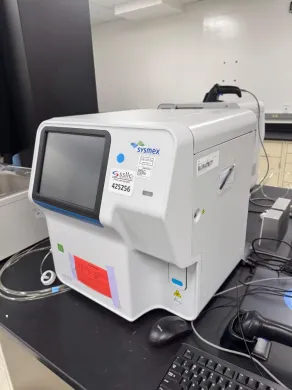
Hematology analysers are clinical instruments that count and classify the cells in a blood sample, reporting the complete blood count: red cells, white cells with a differential, platelets, and the indices derived from them. Across the Questpair catalogue, 94 percent of the listings are used. The spread is wide, from entry-level units near EUR 25 to high-throughput systems at EUR 24.999, with an average around EUR 2.581. New, used and refurbished hematology analysers are listed, offered by 9 verified suppliers and distributors across 7 countries. Methods range from impedance counting on compact benchtop counters to flow cytometry and fluorescence on the larger haematology platforms used in routine diagnostic laboratories.
Updated:
Hematology analysers product list


Not the exact instrument you need?
Tell our scientists what you are after. We track it down, including off-market supply.
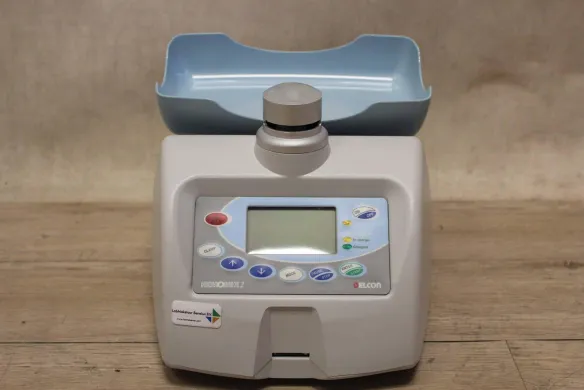
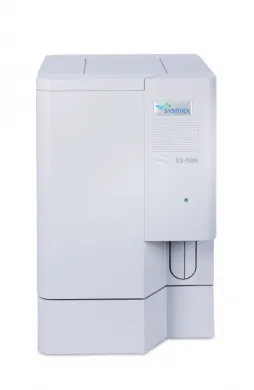
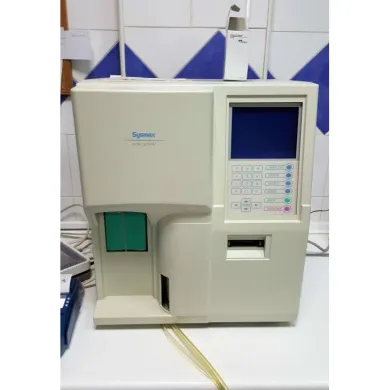
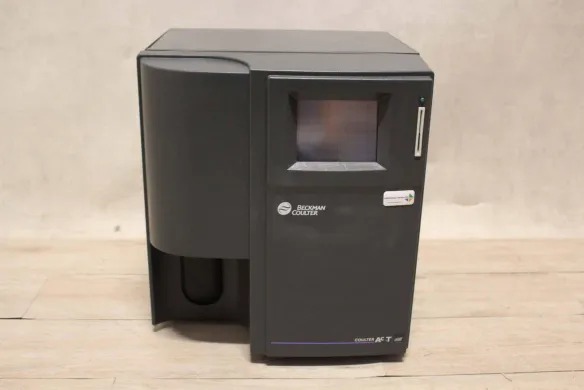
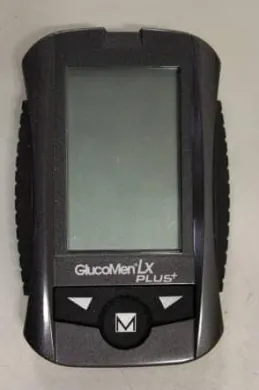
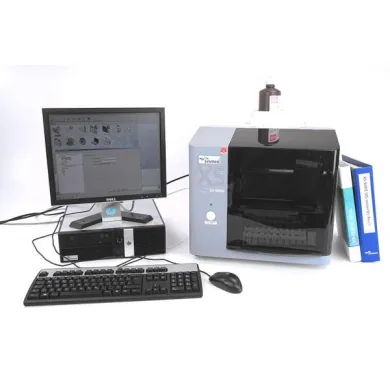
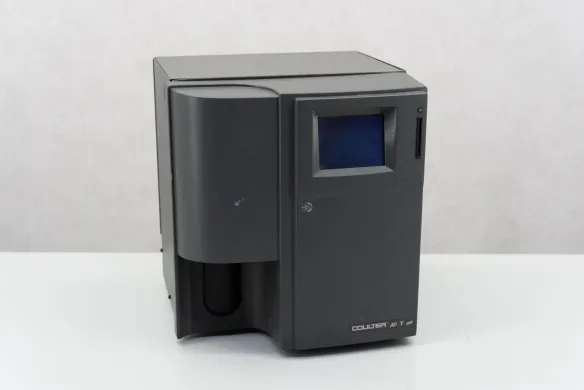
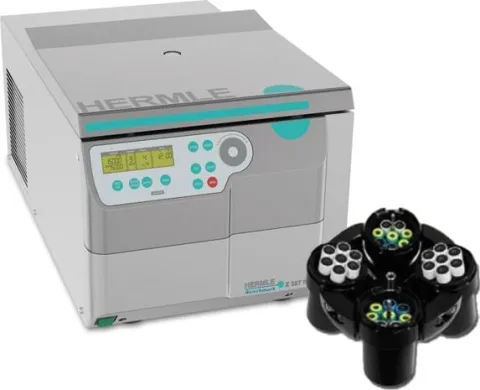
Not the exact instrument you need?
Tell our scientists what you are after. We track it down, including off-market supply.
Showing 1–40 of 50 listings
Show 10 more listingsBuying guide
What settles the purchase of a haematology analyser is throughput measured against the parameters a laboratory actually reports. A small clinic running a few dozen samples a day and needing a three-part differential has little use for a five-part flow-cytometry platform rated for hundreds of samples an hour, and pays for reagent and maintenance it will not recover. The first question is therefore the daily sample load and whether a three-part or a five-part white-cell differential is required, because that single distinction separates the impedance-based blood cell counters from the fluorescence and flow systems, and almost everything else follows from it: reagent cost per test, open versus closed reagent systems, and the footprint on the bench.
On a used instrument the verification work sits around the fluidics and the optics rather than the datasheet. Ask for the last service record and the cumulative sample count where the unit reports it, because the aperture, the sheath-flow optics and the sampling probe wear with use. Confirm which reagent pack the analyser takes and whether that reagent is still manufactured, since a discontinued closed-system reagent strands an otherwise sound machine. Check that controls and calibrators for the relevant assays are still available, and that the instrument holds calibration across the parameters you care about rather than only the headline cell count. A clinical chemistry or clinical laboratory analyser listed alongside the pure cell counters raises the same questions about consumables and about whether the control materials are current.
Price runs from EUR 25 to EUR 24.999 across the catalogue, which is a reflection of how much a haematology platform differs from a bench counter. The low end holds compact impedance counters and older benchtop units; the upper end holds high-throughput five-part systems and clinical chemistry analysers. Sysmex, Beckman Coulter, Thermo Scientific, Bio-Rad, Siemens occupy most of the listed instruments, which matters for what fits a budget and for how easy a given model is to find parts and reagents for. Used and refurbished units listed for sale are more affordable than new, and because the running cost of reagents often outweighs the purchase over a few years, the per-test reagent figure deserves as much weight as the acquisition price. Warranty, where it applies, is arranged in consultation for the individual listing.
Types of Hematology analysers
Which hematology analyser types are listed?
Among the listings that specify a type, the catalogue divides into a few recognisable classes. The plain hematology analyzer and the automated hematology analyzer are the staple: instruments that run a complete blood count with a white-cell differential, the automated versions adding sample handling, onboard dilution and racked loading that let a laboratory process a queue without manual intervention. Blood cell counters and automated blood cell counters sit closer to the fundamentals, counting and sizing cells, often by electrical impedance, and suit lower-volume settings that need a reliable count and a three-part differential rather than a full five-part analysis. Clinical chemistry analysers and clinical laboratory analysers appear in the same listings because many laboratories buy them in parallel; they measure analytes in serum or plasma rather than counting cells, and a buyer sees them here as part of the wider workstation a diagnostic bench is built from.
The clinical work these instruments do is haematology itself: the complete blood count is one of the most ordered tests in molecular diagnostics and routine pathology, and the differential it produces underpins the detection of anaemia, infection and the haematological malignancies. Flow-cytometry-based analysers extend into cell imaging and into flow cytometry proper, resolving leukocyte populations by light scatter and fluorescence in a way an impedance counter cannot. The reticulocyte and nucleated-red-cell channels on the larger platforms feed directly into the monitoring of bone-marrow response, so a hematology analyzer for complete blood count sits alongside instruments used for immunoassay and clinical chemistry on the same diagnostic floor. Clinical chemistry analysers are also used for metabolic and enzyme panels that complement the haematology picture.
The brands behind the hematology analyser listings
The listed instruments cluster around Sysmex, Beckman Coulter, Thermo Scientific, Bio-Rad, Siemens. For a buyer that presence is useful in a practical sense: a model from a maker that is well represented is easier to compare against a second unit of the same family, and the reagents, controls and spare probes for a widely sold platform are simpler to keep flowing than those for an orphaned model. It also shapes the price level, since the common five-part systems and the compact counters each carry their own band. Parts can be sourced via Questpair where a listing needs them.
What a used hematology analyser costs here
Condition is where the catalogue leans hardest: 94 percent of the listings are used. Prices run from EUR 25 to EUR 24.999. That spread covers the distance between a compact impedance counter and a high-throughput fluorescence platform, and the average near EUR 2.581 indicates where the bulk of the mid-range analysers settle. New, used and refurbished units are all represented, the used and refurbished ones at prices below new.
Frequently asked questions
What is a hematology analyser?
A hematology analyser is a clinical instrument that counts and classifies the cells in a blood sample, reporting the complete blood count: red cells, white cells with a differential, platelets, and the indices derived from them. It is one of the core instruments on a diagnostic laboratory bench.
What does hematology analyser mean?
The term refers to the class of laboratory instruments that automate the complete blood count. Haematology is the study of blood and its cells, so a haematology analyser is the machine that performs that counting and classification work.
How do hematology analysers work?
Compact units count and size cells by electrical impedance as they pass through an aperture. Larger platforms use flow cytometry and fluorescence, resolving leukocyte populations by light scatter and fluorescent staining, which lets them produce a five-part differential an impedance counter cannot.
What types of hematology analyser are there?
The catalogue covers plain hematology analyzers and automated hematology analyzers, blood cell counters and automated blood cell counters, plus clinical chemistry analysers and clinical laboratory analysers that laboratories often buy in parallel. The main split is between impedance counters giving a three-part differential and flow or fluorescence systems giving a full five-part analysis.
What is a hematology analyser used for?
It produces the complete blood count, one of the most ordered tests in routine pathology, and the white-cell differential underpins the detection of anaemia, infection and haematological malignancies. Larger platforms add reticulocyte and nucleated-red-cell channels used to monitor bone-marrow response.
How do I choose a hematology analyser?
Start with the daily sample load and whether you need a three-part or five-part white-cell differential, because that distinction separates the impedance counters from the fluorescence and flow systems. Reagent cost per test, open versus closed reagent systems and bench footprint follow from that choice.
What is the difference between a refurbished and a used hematology analyser?
A used unit is sold in its current working state, while a refurbished one has been checked and brought back to a defined condition before listing. For either, ask for the last service record and the cumulative sample count, since the aperture, sheath-flow optics and sampling probe wear with use.
How much does a hematology analyser cost?
Prices in the catalogue range from EUR 25 to EUR 24.999, with an average around EUR 2.581. The low end holds compact impedance counters and older benchtop units; the upper end holds high-throughput five-part systems and clinical chemistry analysers.
Which brands make hematology analysers?
The listed instruments cluster around Sysmex, Beckman Coulter, Thermo Scientific, Bio-Rad and Siemens. A model from a well-represented maker is easier to compare against a second unit of the same family, and reagents, controls and spare probes are simpler to keep flowing.
Can I get a warranty on a refurbished hematology analyser?
A warranty is often possible and is arranged in consultation for the specific listing. Because terms are set per listing rather than centrally, check what the individual seller states for the unit you are considering.
Can I get spare parts for a hematology analyser?
Parts can be sourced via Questpair. Availability is easier for widely sold platforms, so confirm that the reagent pack and spare probes for your chosen model are still supplied before you buy.
How long does a hematology analyser last?
Lifespan depends on cumulative sample count and the condition of the fluidics and optics rather than age alone, since the aperture, sheath-flow path and sampling probe wear with use. The limiting factor is often whether the closed-system reagent is still manufactured, because a discontinued reagent strands an otherwise sound machine.
Should I buy a new or a refurbished hematology analyser?
Used and refurbished units are listed at lower prices than new. Because reagent running costs often outweigh the purchase price over a few years, weigh the per-test reagent figure against the acquisition saving, and check warranty for the individual listing, which is arranged in consultation.
Where can I buy a hematology analyser?
Questpair lists new, used and refurbished hematology analysers from 9 verified suppliers and distributors across 7 countries. You can compare models and conditions within the catalogue.
What is the lead time and shipping on a hematology analyser?
Lead time and shipping depend on the individual listing and the supplier's location across the 7 countries represented. The listing specifies the arrangement, and specialists respond within one hour if you need to confirm details.
How are hematology analysers calibrated and maintained?
Confirm that controls and calibrators for the relevant assays are still available and that the instrument holds calibration across the parameters you report, not just the headline cell count. Note that Questpair does not provide servicing, so plan maintenance separately.
Which hematology analyser types are listed most, and who reaches for which?
The plain and automated hematology analyzers are the staple, suited to laboratories processing a queue of complete blood counts with a differential. Blood cell counters and automated blood cell counters sit closer to the fundamentals and suit lower-volume settings that need a reliable count and a three-part differential rather than full five-part analysis.
Which brands dominate the listings, and what does that mean for a buyer?
Sysmex, Beckman Coulter, Thermo Scientific, Bio-Rad and Siemens occupy most of the listed instruments. That presence makes it easier to compare like against like and to keep reagents, controls and parts flowing for a widely sold platform compared with an orphaned model.
What separates the cheapest hematology analysers from the most expensive here?
The low end holds compact impedance counters and older benchtop units that produce a count and a three-part differential. The high end holds five-part flow and fluorescence platforms rated for hundreds of samples an hour, along with clinical chemistry analysers, which drives the spread from EUR 25 to EUR 24.999.