

Clinical laboratory equipment - other
We personally find you the right used, refurbished and new clinical laboratory equipment - other from verified suppliers.
Clinical laboratory equipment is the class of analytical instruments used to test patient samples such as blood, serum and urine in diagnostic and hospital laboratories. This "other" category collects the clinical devices that fall outside the named analyser types, from chemistry and haematology platforms to the laboratory analysers a routine diagnostic workflow depends on. New, used and refurbished units are listed here, drawn from 182 listings offered by 12 verified suppliers and distributors across 7 countries. Among those listings, 98 percent are used. Prices run from EUR 52 to EUR 29.155, which tells you the range covers everything from small benchtop accessories to complete automated systems.
Updated:
Clinical laboratory equipment - other product list
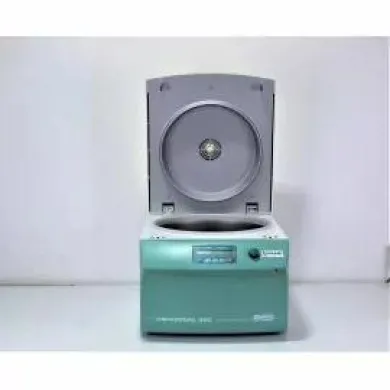
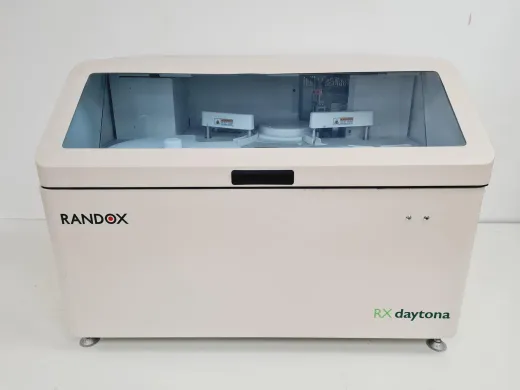
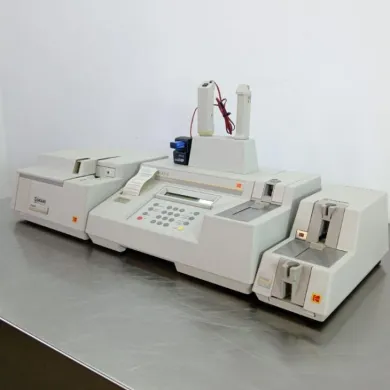
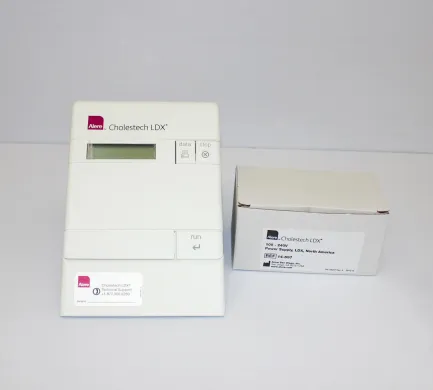


Not the exact instrument you need?
Tell our scientists what you are after. We track it down, including off-market supply.

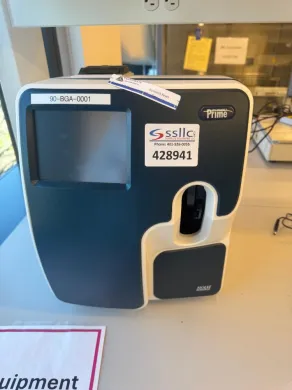
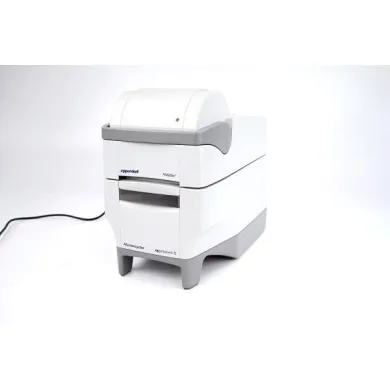
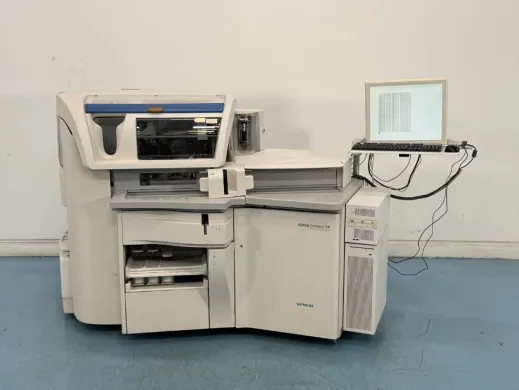
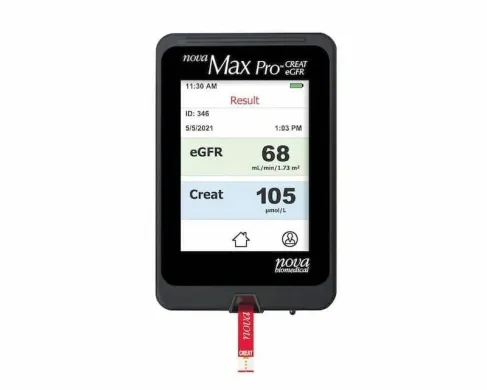
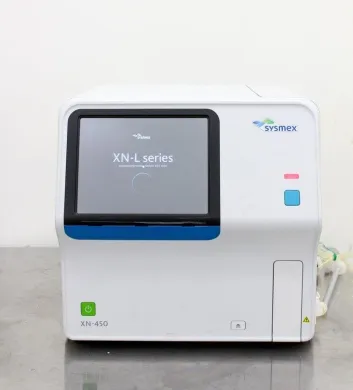
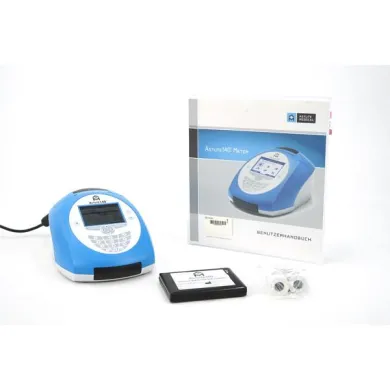
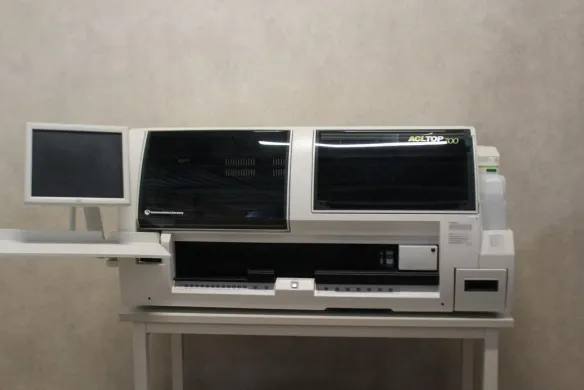
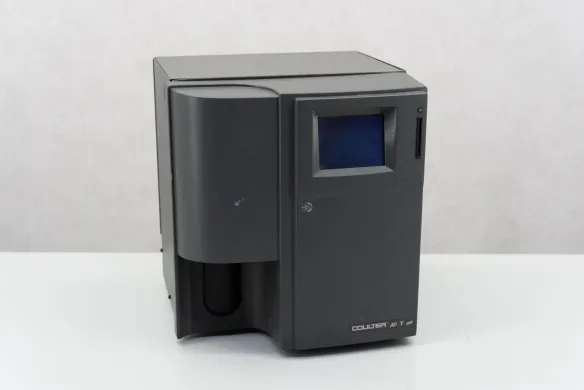
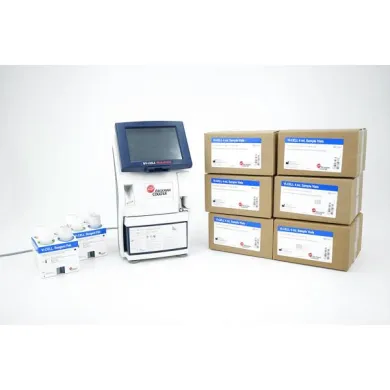
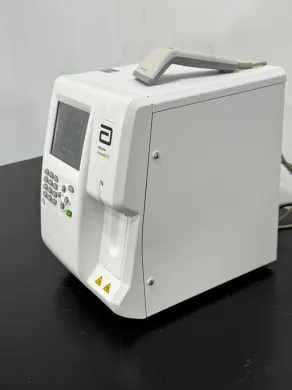

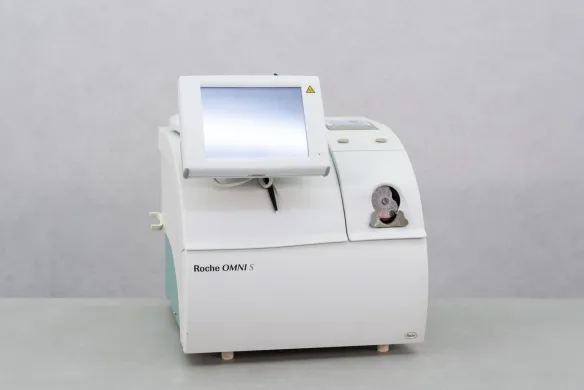
Not the exact instrument you need?
Tell our scientists what you are after. We track it down, including off-market supply.
Showing 1–40 of 93 listings
Show 40 more listingsBuying guide
What a clinical analyser has to measure before anything else matters
In clinical laboratory work the first question is throughput against assay menu, because that pairing decides whether an instrument fits the daily workload at all. A high-volume hospital chemistry line processing hundreds of samples an hour has nothing in common with a small clinic analyser running a dozen assays, and buying the wrong end of that scale wastes money in both directions. Settle the sample volume per shift and the panel of tests the laboratory actually reports, then read every other specification against those two numbers.
Reagent format follows directly from that choice. Clinical chemistry and haematology instruments are tied to the manufacturer's reagent and consumable ecosystem, so an attractive purchase price means little if the closed cartridges or dedicated reagents cost more over a year than the instrument did. Confirm which reagents a given platform accepts, whether the format is open or closed, and what a routine test costs per result. On an automated chemistry analyzer that running cost dominates the total far more than the acquisition figure.
A used clinical instrument needs verification that goes beyond a cosmetic check. Ask for the calibration and maintenance history, the cumulative test count where the machine logs it, and the state of the fluidics and the optical or electrochemical measuring cell, because those are the parts that wear in continuous diagnostic use. For a haematology analyzer, flow cell and aperture condition carry the result; for a biochemistry analyzer, the photometric path and the sample probes do. Where warranty matters, that is arranged in consultation for the specific listing rather than set across the catalogue, so raise it against the unit you are considering.
The price band here is wide. These systems range from EUR 52 to EUR 29.155, and where they sit within that spread depends on throughput class, age and whether the sale includes a current reagent supply. A used or refurbished analyser listed for sale is more affordable than a new one of the same class, which is what makes this category workable for a laboratory on a fixed budget, but what a unit costs at purchase is only part of the figure. Brands cluster by tier: Beckman Coulter, Nova Biomedical, Siemens, Randox, Sysmex appear across the listings, with the larger clinical chemistry and haematology names occupying the higher band and the smaller dedicated analysers filling the lower one. Knowing which maker a model comes from tells you how easily you will source consumables for it later.
Types of Clinical laboratory equipment - other
Which clinical analyser types are listed here?
Among the listings that specify a type, the catalogue runs on a handful of instrument classes that divide by what they measure. Clinical chemistry analyzers and the closely related biochemistry and biochemical analyzers measure the chemical constituents of a sample, enzymes, electrolytes, metabolites, by photometric or electrochemical methods, and they are the backbone of routine diagnostics. An automated chemistry analyzer does the same work with sample handling, reagent dosing and reading linked into one walk-away system, which is what separates it from a manual benchtop unit. Hematology analyzers sit apart: they count and classify the cells in whole blood, reporting the full blood count that haematology departments run in volume, and they do that through flow cytometry and impedance rather than chemistry. The broad laboratory analyzer entries cover dedicated instruments that measure a single parameter or a narrow panel and do not fit the larger platform descriptions.
These instruments do the core laboratory work of molecular diagnostics and clinical biochemistry, turning a patient sample into a reported result. Clinical chemistry and biochemistry analyzers underpin clinical chemistry and gravimetric and photometric analysis of serum; haematology analyzers run the cell counting and differential at the heart of clinical haematology; and across the category these systems also support immunoassay and electrophoresis-based testing where a dedicated analyser is configured for it. A laboratory sourcing a used clinical chemistry analyzer for serum biochemistry, or a haematology analyzer for routine blood cell counting, is matching the instrument to a defined diagnostic panel rather than to a general capability.
The brands behind the clinical analyser listings
Beckman Coulter, Nova Biomedical, Siemens, Randox, Sysmex account for most of what is offered, and the mix tells a buyer more than any single name. The large diagnostic manufacturers in that list run closed reagent systems, so parts and consumables for their platforms are a known quantity and models are easy to compare across generations, though they occupy the higher price band. The dedicated analyser makers in the same list sit lower and serve narrower test menus. Spread across 12 verified suppliers and distributors, a given model often appears more than once, which makes direct comparison of condition and price practical rather than theoretical.
What a used clinical analyser costs here
Of the instruments listed, 98 percent are used, with only a small remainder offered new. Prices range from EUR 52 to EUR 29.155. That spread covers the distance between a single-parameter benchtop analyser and a full automated clinical chemistry platform, and the average of EUR 4.983 sits toward the working middle of the category rather than at either extreme.
Frequently asked questions
What is clinical laboratory equipment in this "other" category?
It is the class of analytical instruments that test patient samples such as blood, serum and urine in diagnostic and hospital laboratories. This category collects the clinical devices that fall outside the named analyser types, from chemistry and haematology platforms to general laboratory analysers.
What does the "other" label on this category mean?
It means the listing does not fit one of the dedicated analyser categories on the site, so clinical instruments of varied type are grouped here together. The instruments themselves are standard diagnostic analysers; the label only describes how they are catalogued.
How do clinical chemistry and haematology analysers work?
Clinical chemistry and biochemistry analyzers measure chemical constituents such as enzymes, electrolytes and metabolites by photometric or electrochemical methods. Hematology analyzers count and classify blood cells through flow cytometry and impedance, reporting the full blood count rather than chemistry results.
What types of analyser are listed in this category?
The listings run on clinical chemistry analyzers, biochemistry and biochemical analyzers, automated chemistry analyzers, hematology analyzers and broad laboratory analyzers. The first group measures chemical constituents of a sample, haematology analysers count and classify blood cells, and laboratory analysers cover dedicated single-parameter or narrow-panel instruments.
What are these clinical analysers used for?
They turn a patient sample into a reported result for routine diagnostics and clinical biochemistry. Chemistry and biochemistry analysers handle serum biochemistry and photometric analysis, haematology analysers run cell counting and the differential, and some units are configured for immunoassay or electrophoresis-based testing.
How do I choose the right clinical analyser?
Start with throughput against assay menu: fix the sample volume per shift and the panel of tests the laboratory actually reports, then read every other specification against those two numbers. Reagent format follows directly, since the per-test consumable cost over a year can exceed the acquisition price.
What is the difference between refurbished and used?
A used unit is sold in its existing condition, while a refurbished unit has been checked and brought back toward working order before sale. For either, ask for the calibration and maintenance history, the cumulative test count and the state of the fluidics and measuring cell.
How much does a clinical analyser cost here?
Prices range from EUR 52 to EUR 29.155, with an average of EUR 4.983. That spread covers the distance between a single-parameter benchtop analyser and a full automated clinical chemistry platform.
Which brands are listed in this category?
The listings include Beckman Coulter, Nova Biomedical, Siemens, Randox and Sysmex. The larger diagnostic manufacturers run closed reagent systems in the higher price band, while the dedicated analyser makers sit lower and serve narrower test menus.
Is a warranty available on a refurbished analyser?
A warranty is often possible and is arranged in consultation for the specific listing rather than set across the catalogue. Raise it against the individual unit you are considering.
Can I get parts for these analysers?
Parts can be sourced via Questpair. Availability is easier to predict for the large closed-system brands, where consumables and spares for a platform are a known quantity across model generations.
How long does a clinical analyser last?
Lifespan depends on how hard the instrument has been run and how well it was maintained, since the fluidics, optical path and electrochemical measuring cell wear in continuous diagnostic use. The cumulative test count where the machine logs it is a better guide than age alone.
New versus refurbished, which should I buy?
Used and refurbished units are listed at lower prices than new ones of the same class, which is what makes the category workable on a fixed budget. Where you have to weigh the two, check the individual listing and arrange warranty in consultation for that unit.
Where can I buy these clinical analysers?
They are listed on Questpair across 12 verified suppliers and distributors in 7 countries, drawn from 182 listings. A given model often appears more than once, which makes direct comparison of condition and price practical.
What are the lead time and shipping like?
Lead time and shipping depend on the individual supplier and the unit's location, since listings come from suppliers and distributors across 7 countries. Confirm both against the specific listing before you commit.
What calibration and maintenance does a clinical analyser need?
These instruments need regular calibration and routine maintenance of the fluidics and the optical or electrochemical measuring cell to keep results valid. For a used unit, ask for the calibration and maintenance history before purchase; Questpair does not carry out servicing.
Which analyser types are listed most, and who reaches for which?
Clinical chemistry, biochemistry and automated chemistry analyzers serve routine diagnostics and serum biochemistry, which is the volume work of a general laboratory. Hematology analyzers are reached for by haematology departments running the full blood count, and broad laboratory analyzers suit a lab testing a single parameter or narrow panel.
Which brands dominate this category and what does that mean for a buyer?
Beckman Coulter, Nova Biomedical, Siemens, Randox and Sysmex account for much of what is offered. The large clinical chemistry and haematology names sit in the higher band with closed reagent systems whose consumables are easy to source, while the dedicated analyser makers fill the lower band with narrower test menus, so the brand tells you how easily you will source consumables later.
What separates the bottom of the price band from the top?
The bottom holds single-parameter benchtop analysers and older units, while the top holds full automated clinical chemistry and haematology platforms. Throughput class, age and whether the sale includes a current reagent supply decide where a unit sits between EUR 52 and EUR 29.155.