

Thermo Fisher Scientific sample preparation
We personally find you the right new, used and refurbished thermo fisher scientific sample preparation instruments & equipment from verified suppliers.
Thermo Fisher Scientific sample preparation on Questpair spans the mixing and stirring lines a lab reaches for before an assay runs: the Thermo Scientific vortex mixers, benchtop multi-tube mixers, and magnetic stirrers that homogenise, resuspend, and hold a sample in motion. The catalogue holds 1379 listings in this pairing, drawn from 15 verified suppliers and distributors across 13 countries. Among the listings that specify a type, the spread runs from single-tube vortex units to orbital and roller platforms built for racks of vessels at once. What separates the lines here is less the chemistry than the format: the number of tubes, the motion they impart, and whether heat comes with the agitation.
Updated:
Thermo Fisher Scientific Sample preparation product list


Not the exact instrument you need?
Tell our scientists what you are after. We track it down, including off-market supply.
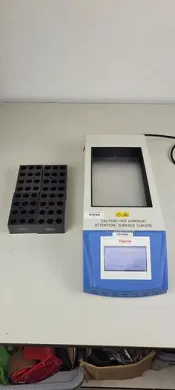
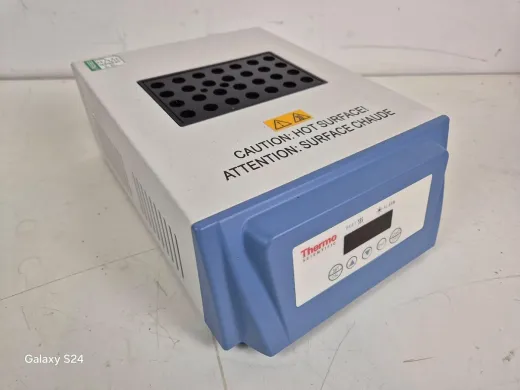
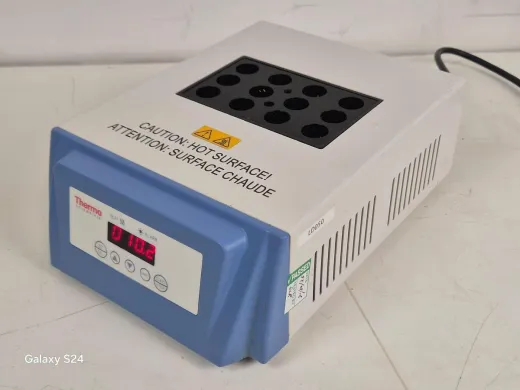
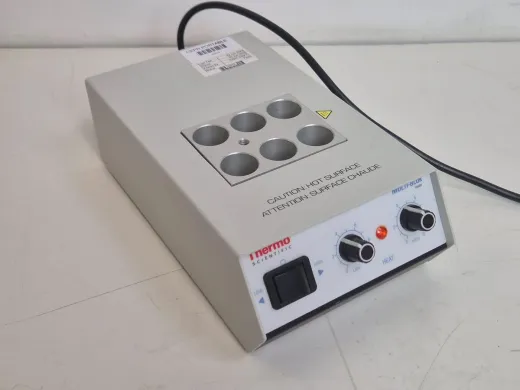
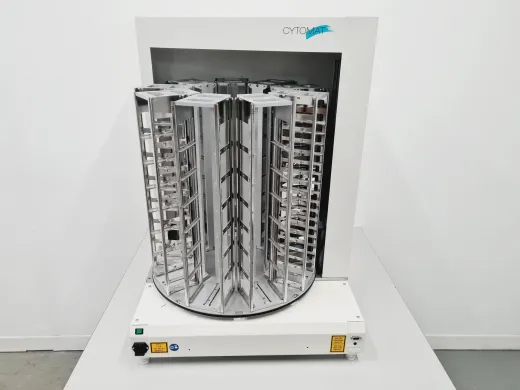

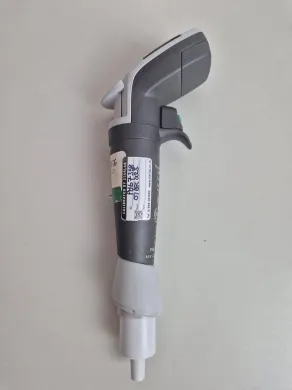
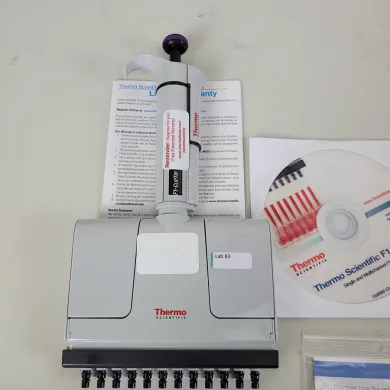
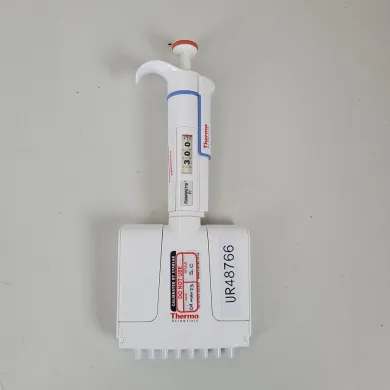
Not the exact instrument you need?
Tell our scientists what you are after. We track it down, including off-market supply.
Showing 1–40 of 622 listings
Show 40 more listingsBuying guide
Choosing a Thermo Fisher Scientific sample preparation mixer
The first decision is the motion, because a vortex mixer and a tube rotator are not substitutes. A pellet that needs breaking up wants the high-speed orbital burst of a vortex unit; a blood tube or cell suspension that must stay homogeneous without shear wants the slow end-over-end turn of a rotator or the rock of a sample mixer. Pick the action the sample tolerates, then size for throughput: single-tube vortex heads suit occasional work, while multi-tube and microplate adapters earn their place where several vessels run together.
On a used Thermo Scientific unit, the wearing parts are mechanical. The drive motor and the cup or platform mount take the strain on a vortex mixer, so check for bearing noise, vibration that walks the unit across the bench, and a cup that no longer grips a tube firmly. On a magnetic stirrer, confirm the stir bar couples cleanly across the full speed range without the bar throwing out, and on a heated model verify the plate reaches and holds its set temperature, since hotplate elements degrade. A seller should be able to run the unit and show it holding speed under a loaded rack.
Price tracks capacity and whether heat is included. Bare single-tube vortex mixers sit near the bottom of the band; programmable multi-tube platforms and heated stirrer-hotplates occupy the upper figures. Decide whether temperature control is actually needed before paying for it.
The compatibility trap within this brand's own range is the accessory. Vortex cups, tube-holder inserts, and microplate adapters are specific to a given head or platform, so a unit sold without its original inserts may need parts before it fits your tubes. Parts can be sourced via Questpair, and a warranty is arranged in consultation for the individual listing.
Thermo Scientific sample preparation mixer and stirrer lines
Among the listings that specify a type, the Thermo Scientific sample preparation range in this pairing sorts into a few families. Vortex mixers cover the single-tube and microplate end, where a quick burst of agitation resuspends a pellet or mixes a reagent. Benchtop and laboratory mixers take in the multi-tube and tube-rotator designs, which turn or rock a rack over a set period rather than shaking one vessel hard. Magnetic stirrers and laboratory stirrers hold a stir bar spinning in a beaker or flask, often with a hotplate underneath. Sample mixers overlap the rotator category: roller and rocker platforms that keep blood tubes or cell suspensions gently moving without settling.
Where the vortex, rotator, and stirrer formats diverge
The deciding parameter changes with the format. A vortex mixer is judged on speed, typically up to around 3,000 rpm, and on whether it runs continuous or touch-activated for a single tube. For rotators and multi-tube mixers the figure that matters is capacity and the type of motion: how many tubes a rack holds, and whether it rotates end-over-end, orbits, or rocks, since gentle resuspension and vigorous mixing need different actions. Magnetic stirrers turn on stir rate, often in a few hundred to well over 1,000 rpm band, and on the heated-plate variants whether the temperature range suits the reaction, which on hotplate-stirrer models reaches a few hundred degrees. Plate size and the volume a single bar can shift set the ceiling for a stirrer; tube count and motion set it for a mixer. Matching the motion to the sample, hard shake against slow turn, is the choice that separates one unit here from another.
How price and condition break down
Prices in this pairing run from EUR 1 to EUR 71.192. The low end covers accessories and simple single-tube vortex units, while the upper figures reach the larger heated and programmable platforms. The average listing sits at EUR 2.529. 98 percent of the listings are used, which reflects how long a well-built mixer or stirrer stays in service and how readily pre-owned stock reaches the market from 15 verified suppliers and distributors.
Frequently asked questions
Which Thermo Fisher Scientific sample preparation lines are covered here?
The pairing spans the Thermo Scientific mixing and stirring formats used before an assay runs: vortex mixers for single tubes and microplates, benchtop and laboratory mixers including multi-tube rotators, sample mixers such as roller and rocker platforms, and magnetic stirrers and laboratory stirrers, some with a heated plate. The Questpair catalogue holds 1379 listings in this pairing from 15 verified suppliers and distributors.
How do the vortex, rotator, and stirrer formats differ?
They differ mainly by motion and capacity. A vortex mixer shakes a single tube or plate at high speed for resuspension, a multi-tube mixer or rotator turns a rack end-over-end or rocks it gently, and a magnetic stirrer spins a stir bar in a beaker or flask, sometimes over a hotplate. The right one depends on whether the sample tolerates a hard shake or needs a slow, low-shear turn.
How much does a used Thermo Fisher Scientific mixer or stirrer cost?
Listings in this pairing run from EUR 1 to EUR 71.192, with the average at EUR 2.529. The low end covers accessories and simple single-tube vortex units, while the upper figures reach larger heated and programmable platforms.
Are refurbished Thermo Scientific units available?
Yes, 98 percent of the listings in this pairing are used, and used and refurbished units are listed at lower prices than new. Condition and included accessories vary by listing, so check the individual entry before buying.
Which model suits which application?
For breaking up a pellet or quickly mixing a reagent in one tube, a vortex mixer fits; for several vessels at once, a vortex with microplate or multi-tube adapters works. For blood tubes or cell suspensions that must stay homogeneous without shear, a rotator or sample mixer is the match, and for a reaction in a beaker a magnetic stirrer suits, with a heated hotplate model if the reaction needs temperature.
What should I check before buying a used vortex mixer or stirrer?
On a vortex unit, listen for bearing noise, watch for vibration that walks the unit across the bench, and confirm the cup still grips a tube firmly. On a magnetic stirrer, check the stir bar couples cleanly across the full speed range, and on a heated model verify the plate reaches and holds its set temperature. Ask the seller to run the unit under a loaded rack.
Are accessories and inserts interchangeable across the series?
Not reliably. Vortex cups, tube-holder inserts, and microplate adapters are specific to a given head or platform, so a unit sold without its original inserts may need parts before it fits your tubes. Parts can be sourced via Questpair when a listing arrives incomplete.
How does buying new compare to used on Questpair?
The difference that holds across listings is price: used and refurbished units are listed below new. Warranty is not set centrally and is arranged in consultation for the specific listing, so weigh a given unit against its own stated condition rather than assuming any fixed support terms.