

Clinical laboratory equipment
We personally find you the right used, refurbished and new clinical laboratory equipment from verified suppliers.
Clinical laboratory equipment is the class of instruments that analyse patient samples, chiefly blood and other body fluids, to produce the measurements used in diagnosis and monitoring. On the Questpair catalogue, 936 listings sit in this category, offered new, used and refurbished by 21 verified suppliers and distributors across 11 countries. 98 percent of the listings are used. The devices here range from cell counters and coagulation analysers to full haematology and blood chemistry systems, and prices run from EUR 18 to EUR 64.567. These instruments underpin routine laboratory diagnostics, where sample throughput and reproducible results matter as much as the specification on the datasheet.
Updated:
Clinical laboratory equipment product list


Not the exact instrument you need?
Tell our scientists what you are after. We track it down, including off-market supply.
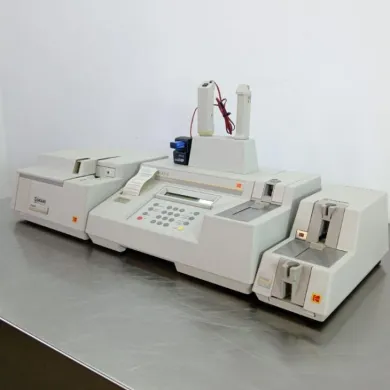
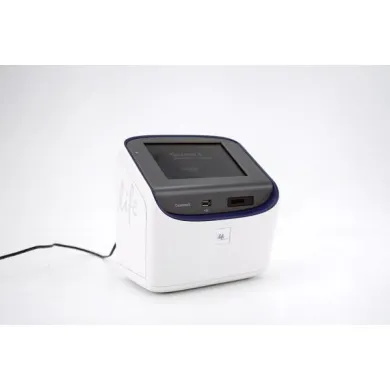
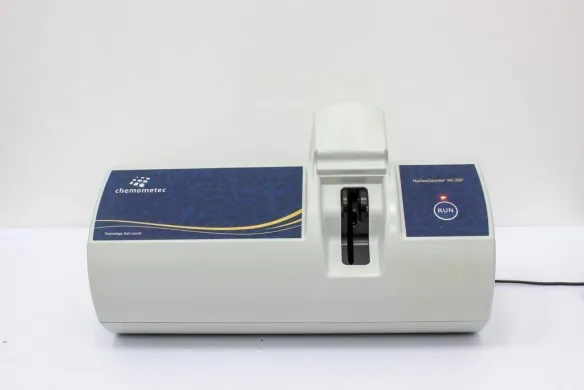
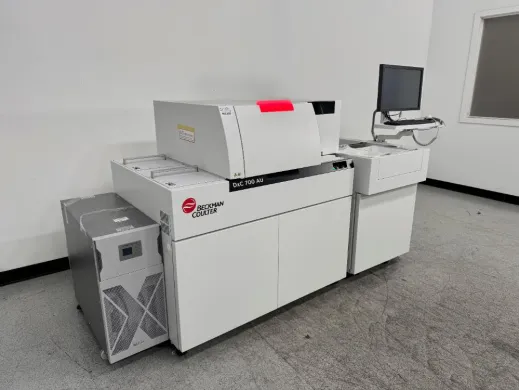
Not the exact instrument you need?
Tell our scientists what you are after. We track it down, including off-market supply.
Showing 1–40 of 503 listings
Show 40 more listingsBuying guide
The decision on a clinical analyser rarely turns on a single headline figure. It turns on throughput against assay menu: how many samples per hour the instrument clears, set against the specific tests the laboratory actually runs. A high-volume haematology line that reports a twenty-parameter blood count is a different purchase from a bench cell counter that returns a concentration and a viability figure, even though both appear under the same category. Match the menu to the workload first, because an instrument that runs fast on assays nobody orders is slower in practice than a modest unit configured for the bench's real caseload.
What to verify on a used unit
Because 98 percent of the listings here are used, the condition check carries real weight. Clinical analysers are fluidic machines: they move reagent and sample through pumps, valves and measurement cells that wear, and many report cumulative cycle counts a buyer can ask for. Verify calibration status and the age of the optical or impedance measurement module, confirm which reagent packs the unit still accepts, and establish whether consumables for the model remain in production. An analyser whose dedicated cartridges have been discontinued is a stranded asset whatever its mechanical condition. On an impedance-based counter, ask when the aperture was last serviced; on a coagulation analyser, ask about the cuvette optics.
Where the price band sits
Prices in this category span a wide range, from EUR 18 at the accessory and consumable end to EUR 64.567 for a complete high-throughput system, with an average around EUR 4.452. That spread reflects the gap between a standalone cell counter and a floor-standing haematology platform rather than any difference in condition. What a unit costs here is driven mainly by throughput class and assay breadth. Buyers working to a fixed budget will find that the mid-range bench instruments from established makers offer the most settled market, since parts and comparison data are easiest to find. Refurbished units listed for sale are more affordable than new, and the brands that occupy the band, Beckman Coulter, Invitrogen, ChemoMetec, Sysmex, Nexcelom, each bring their own reagent ecosystems that shape running cost well beyond the purchase price. A unit that fits the budget on paper can still be expensive to run if its consumables are proprietary and thin on the ground.
Types of Clinical laboratory equipment
Haematology analysers
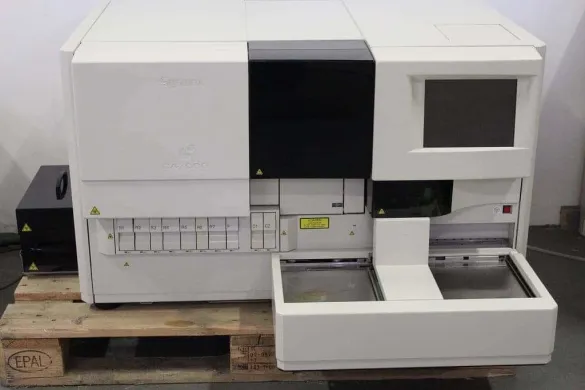
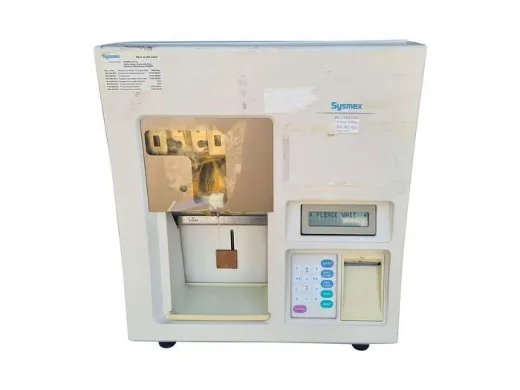
Haematology analysers are the broadest subtype on this page and the backbone of routine blood work. They produce the complete blood count, resolving and quantifying red cells, white cells and platelets, most often by combining impedance measurement with optical light scatter, and higher-end systems add a differential that separates the white-cell population into its subtypes. These instruments do haematology in the clinical sense and feed molecular diagnostics workflows that begin with an accurate cell count. Laboratories choose them for sustained sample throughput and for the stability of the differential across long runs. Among the listings that specify a type, this is the largest group, and the systems vary mainly in how many parameters they report and how much sample preparation they automate.
Blood analysers
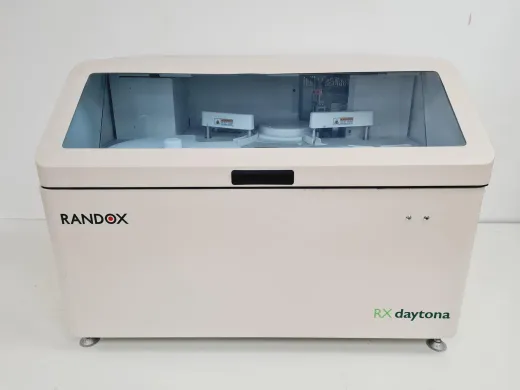
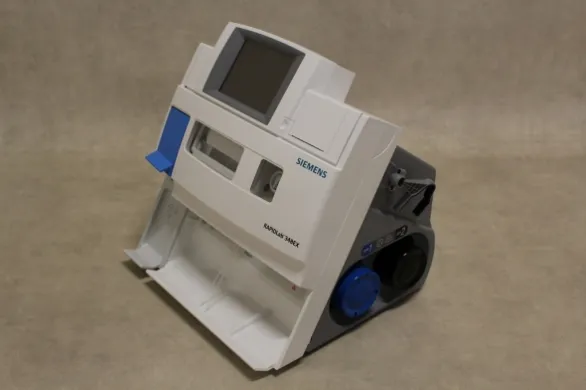
Blood analysers cover the chemistry and gas measurements that sit alongside the cell count: electrolytes, metabolites, blood gases and a spread of clinical-chemistry assays read photometrically or through ion-selective electrodes. Where a haematology analyser counts and classifies cells, a blood analyser measures what is dissolved in the plasma or whole blood, so the two are complementary rather than interchangeable. They are central to clinical biochemistry and to point-of-care diagnostics where a result is needed quickly. Buyers select them by assay menu and by whether the format suits a central laboratory or a near-patient setting. The subtype spans everything from compact cartridge-based units to larger analysers that run broad chemistry panels in sequence.
Cell counters
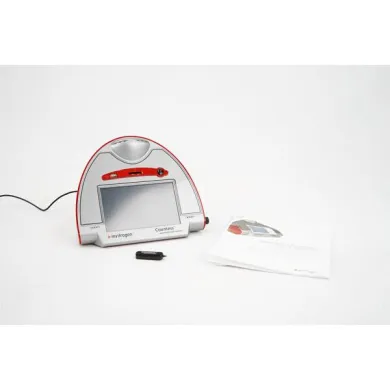
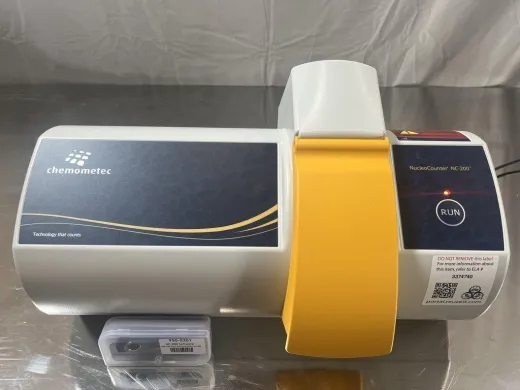
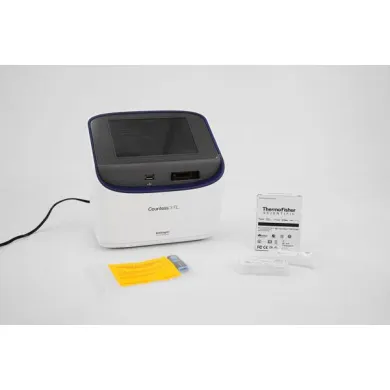
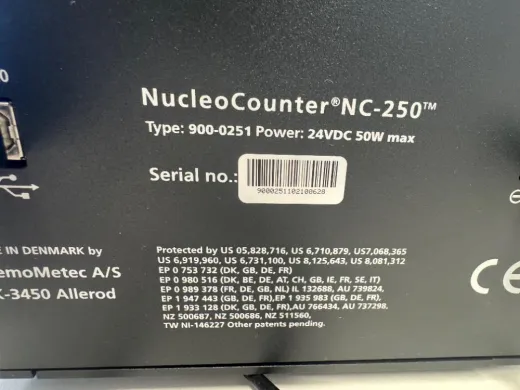
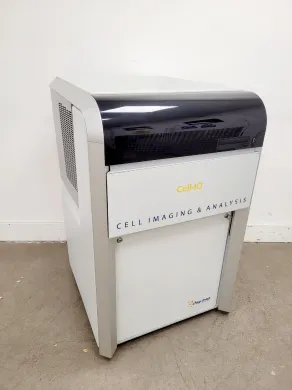
Cell counters determine cell concentration and, on most modern units, viability, by imaging a sample or passing it through a sensing zone. They are lighter and simpler than a full haematology platform and are built for a narrower job: knowing how many cells are present and what fraction is alive. This makes them the everyday instrument of cell culture and cell imaging, and they are also used for sample preparation steps in bioprocessing and biomanufacturing where a seeding density has to be set precisely. Researchers in molecular biology and genomics reach for an automated cell counter to replace a haemocytometer and a manual count. Within the listings, the counters divide broadly between image-based systems and those using electrical or fluorescence detection.
Coagulation analysers
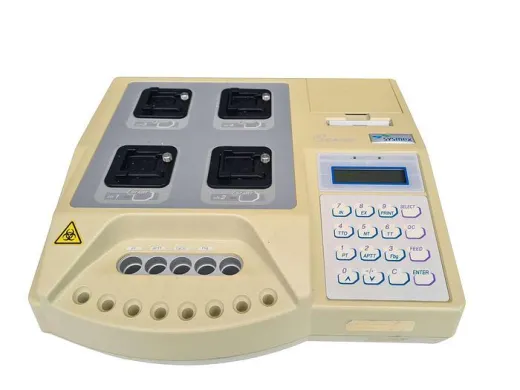
Coagulation analysers are the smallest subtype here and the most specialised. They measure how long plasma takes to clot under defined conditions, returning the clotting-time assays, prothrombin time among them, that monitor anticoagulant therapy and investigate bleeding disorders. Detection is usually optical, tracking the change in light transmission as a fibrin clot forms, or mechanical, sensing the rise in viscosity. These instruments serve haemostasis testing within clinical diagnostics, a field distinct enough that the reagents and cuvettes rarely transfer to other analysers. Laboratories choose them on assay menu and on how tightly the clot-detection optics hold their calibration, since the measured endpoint is a timing that small drifts in the optical path can shift.
Frequently asked questions
What is clinical laboratory equipment?
It is the class of instruments that analyse patient samples, mainly blood and other body fluids, to produce the measurements used in diagnosis and monitoring. The category covers cell counters, coagulation analysers, haematology systems and blood chemistry analysers.
What does clinical laboratory equipment mean?
The term refers to the analytical instruments a clinical lab uses to count, classify and measure components of a sample. In practice it spans everything from a bench cell counter that returns a concentration to a floor-standing haematology platform that reports a full blood count.
How does clinical laboratory equipment work?
Most of these instruments move a prepared sample through a measurement cell and read a physical signal from it, such as electrical impedance, optical light scatter, photometric absorbance or a change in viscosity as plasma clots. The signal is converted into counts, concentrations or timing results depending on the assay.
What types of clinical laboratory equipment are there?
The main subtypes are haematology analysers, blood chemistry and gas analysers, cell counters and coagulation analysers. Among the listings that specify a type, common entries include automated cell counters, clinical chemistry analysers, cell viability analysers, fluorescence cell counters, viability analysers and digital cell counters.
What is clinical laboratory equipment used for?
It produces the measurements behind routine diagnostics: complete blood counts, electrolyte and metabolite levels, blood gases, cell concentration and viability, and clotting-time assays. Cell counters also serve cell culture and bioprocessing steps where seeding density has to be set precisely.
How do I choose the right instrument?
Match throughput against the assay menu, meaning the samples per hour the unit clears set against the specific tests your lab actually runs. A high-volume haematology line reporting a twenty-parameter count is a different purchase from a bench counter that returns concentration and viability, even though both sit in this category.
What is the difference between refurbished and used?
A used unit is sold in its current working condition, while a refurbished one has been checked and brought back toward working specification before listing. For either, confirm calibration status, cycle counts and whether consumables for the model are still produced.
How much does clinical laboratory equipment cost?
Prices across this category run from EUR 18 to EUR 64.567, with an average around EUR 4.452. The spread reflects the gap between a standalone cell counter and a floor-standing haematology platform rather than any difference in condition.
Which brands appear in this category?
The brands listed here include Beckman Coulter, Invitrogen, ChemoMetec, Sysmex and Nexcelom. Each carries its own reagent ecosystem, which shapes running cost beyond the purchase price.
Is there a warranty on refurbished units?
A warranty is often possible and is arranged in consultation for the specific listing. Check the individual listing to see what applies to that unit.
Can I get parts for these instruments?
Parts can be sourced via Questpair. Before buying a used analyser, confirm which reagent packs and cartridges the model still accepts, since a unit whose dedicated consumables have been discontinued is hard to run whatever its mechanical condition.
How long does clinical laboratory equipment last?
These are fluidic machines whose pumps, valves and measurement cells wear with use, so lifespan depends more on cycle count and servicing history than on age alone. Many units report cumulative cycle counts a buyer can request to gauge remaining life.
Should I buy new or refurbished?
Used and refurbished units are listed at lower prices than new ones, which is the clearest difference between them. Where you have to weigh the two, check the individual listing and note that warranty is arranged in consultation for that unit.
Where can I buy clinical laboratory equipment?
The Questpair catalogue holds 936 listings in this category from 21 verified suppliers and distributors across 11 countries. Listings are offered new, used and refurbished.
What are the lead time and shipping like?
Lead time and shipping depend on the individual listing, the seller and the destination country, since the stock sits with verified suppliers and distributors across 11 countries. Check the specific listing for its availability and dispatch details.
How are these instruments calibrated and maintained?
Calibration ties to the measurement module, so verify its status and the age of the optical or impedance unit before buying; on an impedance counter, ask when the aperture was last serviced, and on a coagulation analyser, ask about the cuvette optics. Questpair does not carry out servicing, so plan maintenance through your own technical arrangements.
Which types are listed most and who reaches for which?
Haematology analysers are the broadest subtype and the backbone of routine blood work, chosen by labs needing sustained throughput and a stable differential. Cell counters are the everyday instrument of cell culture and bioprocessing, where researchers reach for an automated cell counter to replace a manual haemocytometer count.
Which brands dominate this category and what does that mean for a buyer?
Beckman Coulter, Invitrogen, ChemoMetec, Sysmex and Nexcelom are the brands recurring in the listings. Each brings a reagent ecosystem that locks running cost to its own consumables, so a unit that fits the budget on paper can still be expensive to run if its cartridges are proprietary and thinly stocked.
What separates the cheapest listings from the most expensive?
The bottom of the band sits at EUR 18, typically accessories, consumables and standalone bench counters, while the top at EUR 64.567 is a complete high-throughput system. Price here is driven mainly by throughput class and assay breadth rather than condition.