

Balances
We personally find you the right used, refurbished and new balances instruments & equipment from verified suppliers.
Balances are laboratory instruments that measure the mass of a sample, from gram-scale amounts down to the microgram and below, by balancing the unknown weight against a known reference force. On Questpair, 4489 balances are listed across new, used and refurbished condition, from 22 verified suppliers and distributors. Of those, 60 percent of the listings are used, the rest new. A laboratory balance sits at the base of gravimetric analysis: reagent preparation, sample dosing and quality control all begin with an accurate mass reading. Readability, the smallest mass change the instrument resolves, separates one class from the next, and that figure decides which balance a given task needs.
Updated:
Balances product list
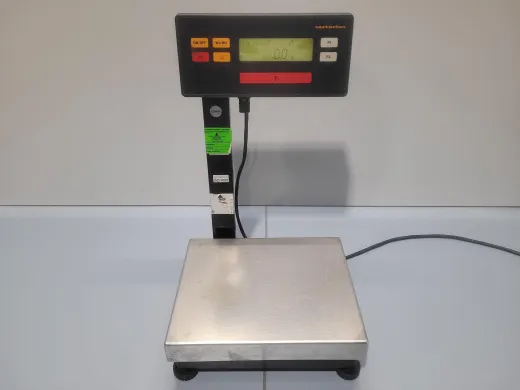
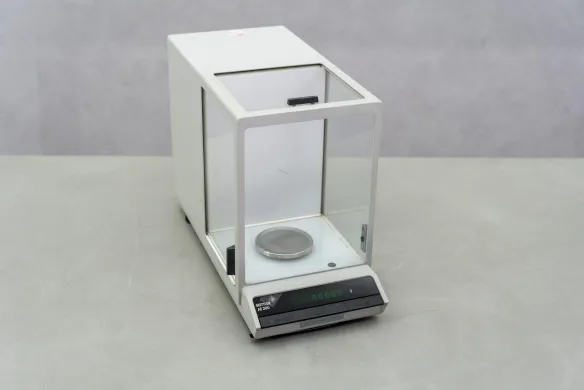
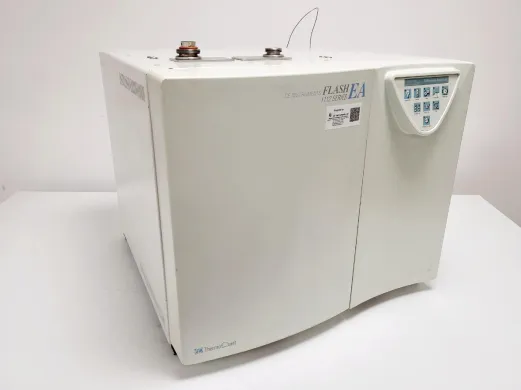


Not the exact instrument you need?
Tell our scientists what you are after. We track it down, including off-market supply.
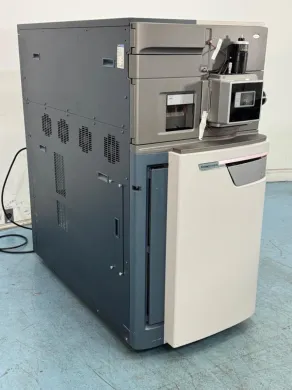

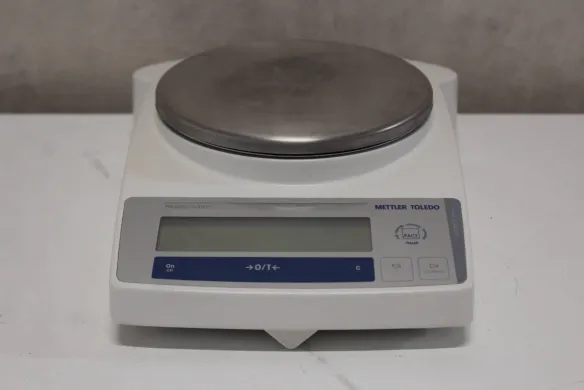
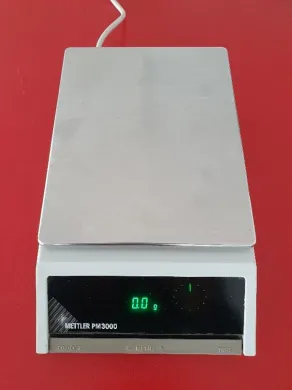
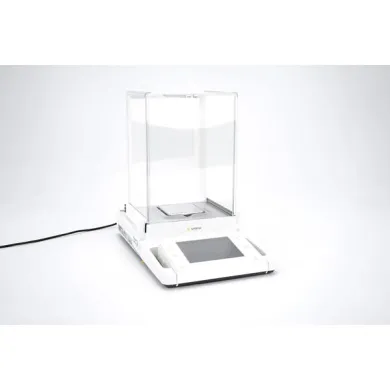
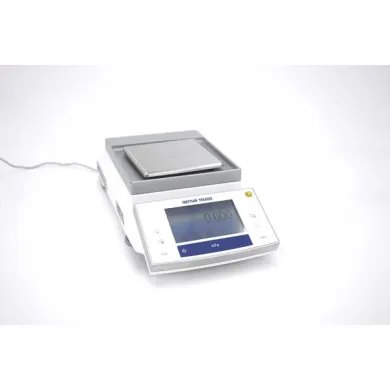
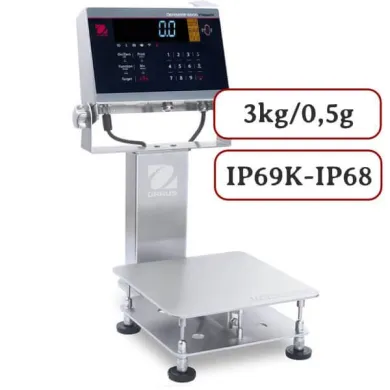
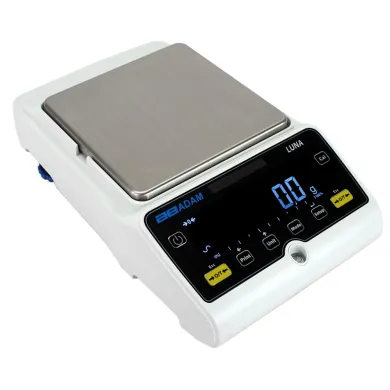
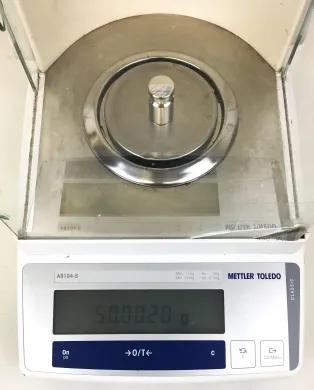
Not the exact instrument you need?
Tell our scientists what you are after. We track it down, including off-market supply.
Showing 1–40 of 3,053 listings
Show 40 more listingsBuying guide
Readability settles most of a balance purchase before any other specification is read. It states the smallest increment the instrument displays, and it has to match the smallest mass that matters to the work. A balance reading to 0.1 mg suits reagent weighing and routine formulation; one reading to 0.001 mg is for trace standards and content assays, where a tenth of a milligram is already noise. Buying finer than the task needs is not a free margin, because the finer the readability the more the instrument reacts to draught, vibration and temperature, and the longer each reading takes to stabilise. Capacity sets the ceiling at the other end: a microbalance that resolves a microgram tops out at a few grams, so a sample and its container together have to fit under that limit.
On a used balance, the moving mechanism and the calibration history matter more than anything on the datasheet. Ask whether the unit has internal motorised calibration or depends on external reference weights, and whether it still passes a test weight on arrival. A balance that drifts, or that was stored without its draught shield, can often be brought back with a service and a recalibration, but that cost belongs in the comparison before purchase, not after. Confirm the draught shield, the pan and the levelling feet are present and undamaged, since a replacement shield for an analytical model is not a trivial part.
Price follows class. Across the listings, prices run from EUR 9 to EUR 172.178, with an average near EUR 3.061. The low end covers accessories, spare pans and simple precision models that fit a tight budget; the high end is reserved for automated comparator weighing systems and fully equipped microbalance setups. Radwag, Ohaus, Mettler Toledo, Sartorius, A&D account for most of what is listed, which makes a model easy to cross-check and keeps spare pans and shields available. Refurbished units listed for sale are more affordable than new, and what a given unit costs tracks its readability and its automation far more than its age.
Types of Balances
Precision balances
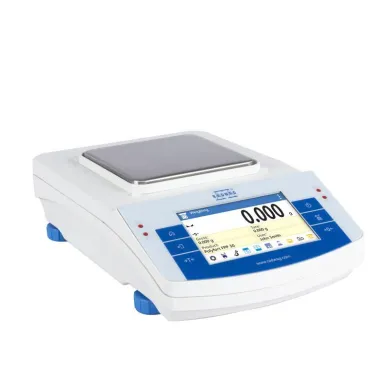
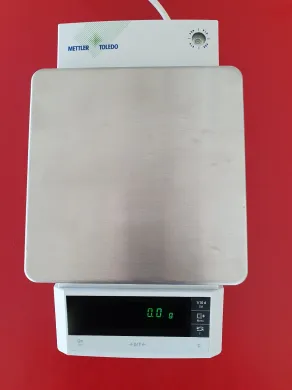
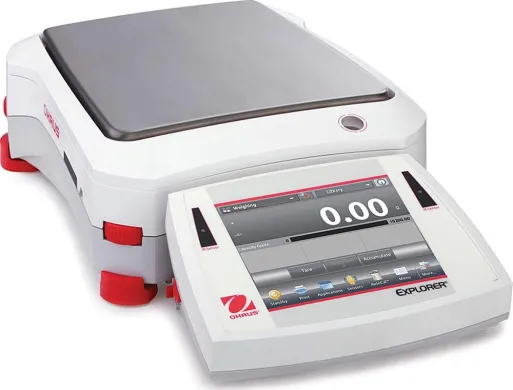
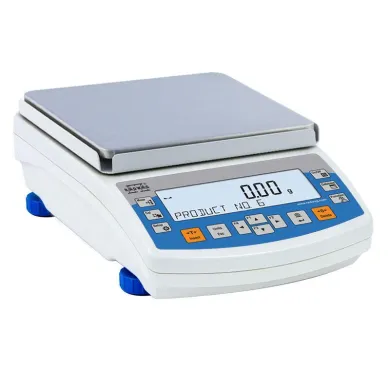
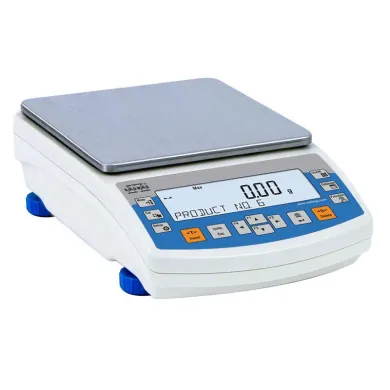
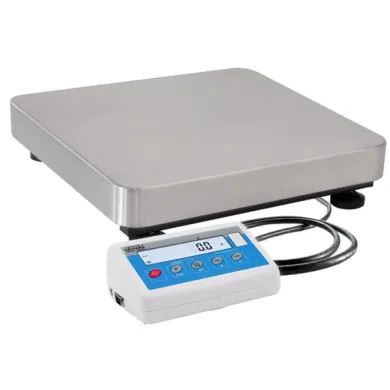
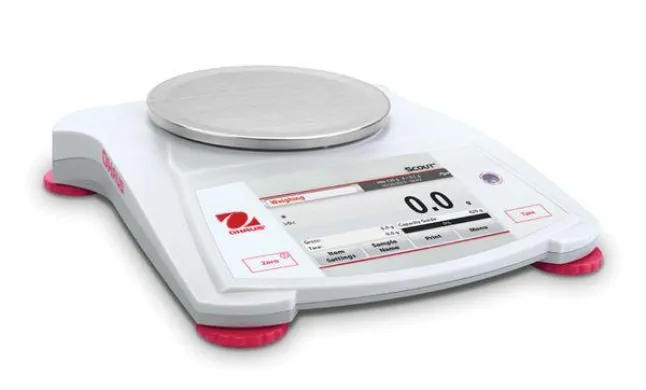
Precision balances are the general-purpose instruments of the weighing bench, reading to 0.1 g, 0.01 g or 0.001 g over capacities that commonly reach several kilograms. They are what a laboratory reaches for when the sample is measured in grams rather than milligrams: buffer preparation, media batching, formulation and sample preparation across chemistry, food and materials work. The larger pan and higher capacity make them forgiving of draughts and quicker to settle than an analytical model, which is why they dominate routine benches. They are also widely used for quality control weighing in production environments, where throughput matters more than resolving a microgram.
Balances calibration
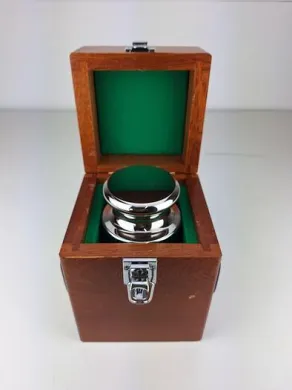
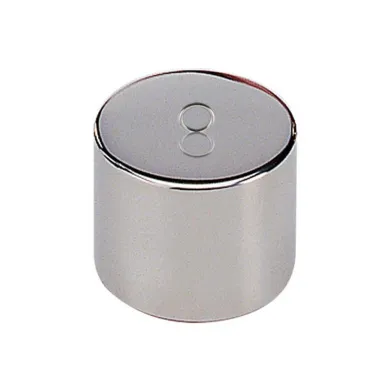
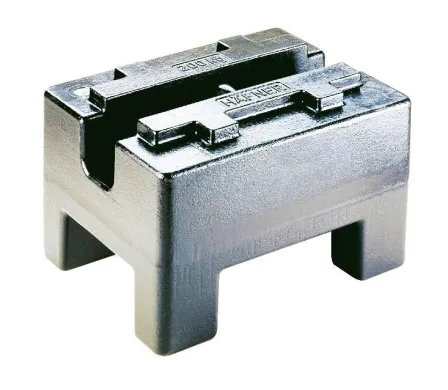
This group covers the calibration of balances, the test weights, weight sets and documented procedures that establish an instrument reads true against a known mass. Calibration is not a one-off: a balance drifts with temperature, levelling and mechanical wear, so a laboratory operating under accredited quality systems repeats it on a schedule and keeps the record. Listings here include OIML and ASTM class reference weights and the service documentation that accompanies a verified instrument. For any balance used in regulated weighing, from pharmaceutical dosing to gravimetric analysis, the calibration chain is what makes the number defensible.
Analytical balances
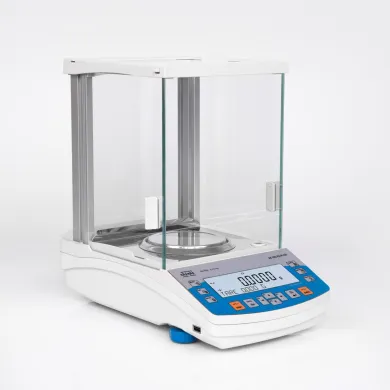
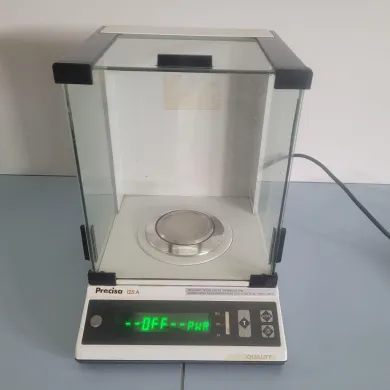
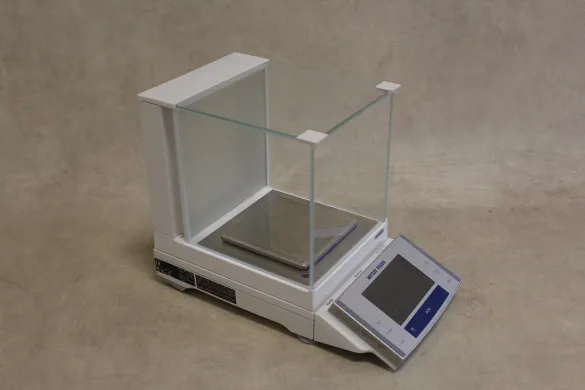
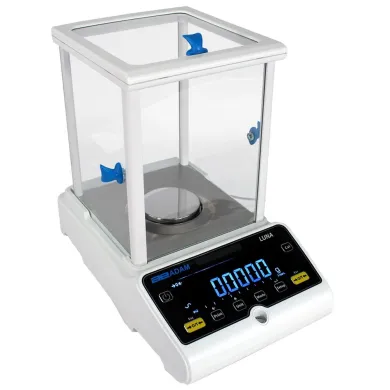
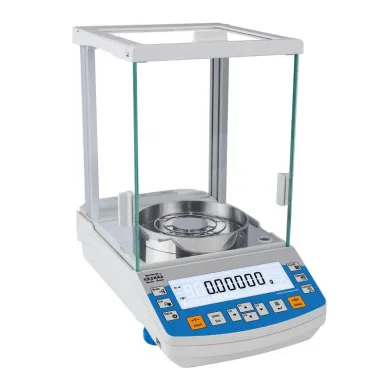
Analytical balances read to 0.0001 g, a tenth of a milligram, over capacities typically up to a few hundred grams, and they are enclosed in a draught shield for that reason. This is the workhorse of quantitative chemistry: standard preparation, titrant weighing, content determination and gravimetric analysis all depend on this class. In molecular biology and microbiology the same balance weighs out reagents and media components where a small mass error propagates through a protocol. The glass shield, the settling time and the strict levelling requirement all follow from the readability, and they are the trade a buyer accepts for that extra decimal place.
Ultra microbalances
Ultra microbalances resolve mass to 0.1 microgram and below, the finest readability in routine laboratory weighing, over capacities of only a few grams. They occupy the demanding end of trace analysis: filter weighing for particulate and aerosol measurement, pharmaceutical impurity work, and sample preparation for analytical methods where the specimen itself weighs micrograms. At this resolution the instrument responds to air currents, static charge and a change of a fraction of a degree, so it is installed on an isolation table in a controlled room. These units are used across proteomics and molecular diagnostics wherever a method starts from a vanishingly small sample.
Balances accessories
Balances accessories are the parts and add-ons that keep a balance working and adapt it to a task: draught shields, weighing pans, anti-vibration tables, ionisers that bleed off static, printers for recorded results, and in-use covers. Among the listings that specify a type, this group is where a buyer replaces a cracked shield or a lost pan rather than the whole instrument, often the deciding factor in whether a used unit is worth restoring. Density determination kits and below-balance weighing hooks also sit here, extending a standard balance to gravimetric tasks it could not otherwise handle.
Microbalances
Microbalances read to 1 microgram over capacities of a few grams, sitting between the analytical balance and the ultra microbalance in resolution. They serve trace work that does not quite demand sub-microgram readability: elemental analysis sample weighing, filter and particulate measurement, and small-sample formulation. Like the ultra class they need a stable, draught-free installation and careful handling, but their slightly coarser readability makes them faster to settle and more tolerant of a normal laboratory environment. In molecular biology and genomics they weigh out the minute reagent quantities that downstream assays require.
Ultra and microbalances accessories
This group holds the accessories specific to micro and ultra microbalances, the parts whose tolerances are tighter than those of a general balance. Among the listings that specify a type, it includes draught-shield components built for sub-milligram stability, specialised anti-static ionisers, weighing vessels and tweezers sized for microgram samples, and the filter-weighing kits used in aerosol and particulate analysis. Because these balances are so sensitive to their surroundings, the right accessory is often what makes a reliable reading possible rather than a convenience, which is why they are listed apart from general balance accessories.
Weighing modules
Weighing modules are the sensor and electronics of a balance supplied without the housing and display of a finished instrument, built to be integrated into automated systems and production lines. They are chosen by engineers assembling dosing stations, filling machines and in-line quality control equipment, where the weighing cell has to live inside a larger machine rather than on a bench. A module is specified by its readability, capacity and the interface it reports over, and it is used in biomanufacturing and automated sample-handling lines where mass measurement is one step in a continuous process rather than a standalone operation.
Frequently asked questions
What is a balance?
A balance is a laboratory instrument that measures the mass of a sample by comparing the unknown weight against a known reference force. Its defining specification is readability, the smallest mass change it can resolve, which ranges from tenths of a gram down to fractions of a microgram.
What does readability mean on a balance?
Readability is the smallest increment the instrument displays, so a balance quoted at 0.1 mg resolves one tenth of a milligram. It is the figure that decides which class of balance a task needs, because it has to match the smallest mass that matters to the work.
How do balances work?
A balance determines mass by balancing the sample against a known force, usually through an electromagnetic force restoration cell in modern instruments, and converts that into a reading. The finer the readability, the more the mechanism reacts to draught, vibration and temperature, which is why high-resolution models are enclosed and need stable installation.
What types of balances are there?
The main classes are precision balances, analytical balances, microbalances and ultra microbalances, distinguished chiefly by readability from tenths of a gram down to below a microgram. Related listings cover calibration weights, balance accessories, and weighing modules built for integration into automated systems.
What is a balance used for?
Balances sit at the base of gravimetric analysis: reagent preparation, sample dosing, standard preparation and quality control weighing all begin with an accurate mass reading. The class used depends on the sample, from gram-scale buffer batching on a precision balance to microgram filter weighing on an ultra microbalance.
How do I choose the right balance?
Start with readability and match it to the smallest mass that matters, then confirm capacity covers the sample plus its container. Buying finer than the task needs is not free, because higher resolution reacts more to draught and vibration and takes longer to settle.
Which balance type is most listed and who reaches for each?
Precision balances dominate routine benches for gram-scale buffer prep, media batching and formulation, while analytical balances serve quantitative chemistry at 0.1 mg. Microbalances and ultra microbalances go to trace work such as filter weighing and impurity analysis, and weighing modules are specified by engineers building dosing and filling lines.
What is the difference between refurbished and used balances?
A used balance is sold in its existing condition, while a refurbished unit has been serviced and typically recalibrated before listing. On either, the moving mechanism and calibration history matter more than the datasheet, so confirm it passes a test weight on arrival.
How much does a balance cost?
Across the listings prices range from EUR 9 to EUR 172.178, with an average near EUR 3.061. What a given unit costs tracks its readability and automation far more than its age.
What separates the cheapest balances from the most expensive?
The low end covers accessories, spare pans and simple precision models, where readability is coarse and the instrument is a standalone bench unit. The high end is automated comparator weighing systems and fully equipped microbalance setups, where sub-microgram resolution, internal calibration and isolation requirements all add cost.
Which brands dominate balances and what does that mean for a buyer?
Radwag, Ohaus, Mettler Toledo, Sartorius and A&D account for most of what is listed here. A widely used brand makes a model easy to cross-check and keeps spare pans and draught shields available, which matters when a used unit needs a part.
Which brand should I pick?
The brands listed here, Radwag, Ohaus, Mettler Toledo, Sartorius and A&D, overlap heavily on readability and capacity across their precision and analytical ranges. Choose on the specification your task needs and on whether the specific unit has internal motorised calibration, rather than on the name alone.
Can I get a warranty on a refurbished balance?
A warranty is often possible and is arranged in consultation for the specific listing. Terms are not set centrally, so check the individual listing when comparing options.
Are spare parts available for balances?
Parts such as draught shields, weighing pans and levelling feet can be sourced via Questpair. Availability is one reason a widely listed brand is easier to keep running, since a replacement shield for an analytical model is not a trivial component.
How long does a balance last?
A balance has no inherent wear-out point if it is calibrated on schedule and kept in a stable environment, and the measuring cell can stay accurate for many years. Longevity depends more on handling, the integrity of the draught shield and the calibration record than on age.
New versus refurbished: which should I buy?
Used and refurbished balances are listed at lower prices than new, which is the clearest difference between them. Weigh that against the condition of the specific unit, its calibration history and whether warranty is arranged in consultation for that listing.
Where can I buy a balance?
Balances are listed on Questpair from 22 verified suppliers and distributors, with 4489 listings across new, used and refurbished condition. Of those, 60 percent are used and the rest new.
What are the lead time and shipping like?
Lead time and shipping depend on the individual listing, the supplier and whether the unit is in stock, so they are set per listing rather than centrally. For a specific item you can contact Questpair, where specialists respond within one hour.
How are balances calibrated and maintained?
Calibration establishes that a balance reads true against a known mass, using OIML or ASTM class reference weights, and it is repeated on a schedule because a balance drifts with temperature, levelling and mechanical wear. On a used unit, ask whether it has internal motorised calibration or depends on external reference weights, and keep the record for any regulated weighing.