

Ultra-Microbalances
We personally find you the right used, refurbished and new ultra-microbalances instruments & equipment from verified suppliers.
Ultra-microbalances are high-resolution weighing instruments that read mass to a readability of one microgram or finer, built for samples where the quantity itself is the measurement. They sit at the top of the laboratory balance range, above the analytical balance and the precision balance, and they are used where a milligram of error would swamp the result. On Questpair, new, used and refurbished ultra-microbalances are listed together; 83 percent of the listings are used. Across 853 listings the catalogue draws on 17 verified suppliers and distributors. The weighing cell is enclosed and draught-shielded, because at this resolution air movement and static both register as mass.
Updated:
Ultra-Microbalances product list
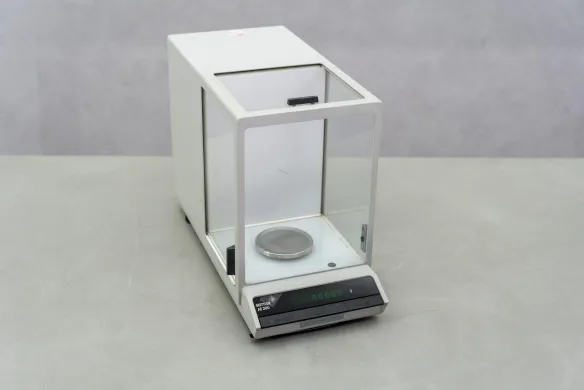
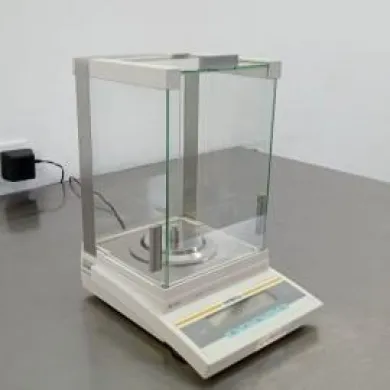
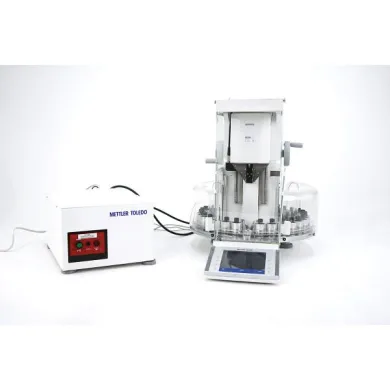
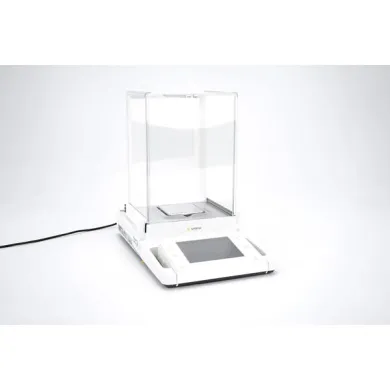


Not the exact instrument you need?
Tell our scientists what you are after. We track it down, including off-market supply.
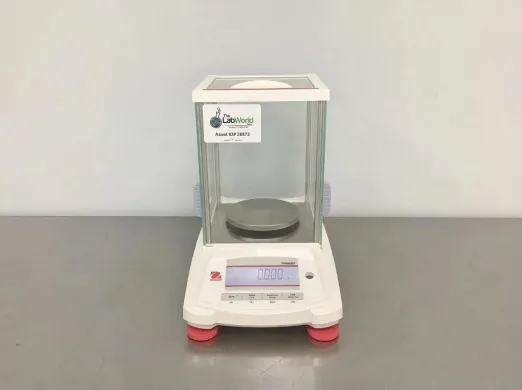
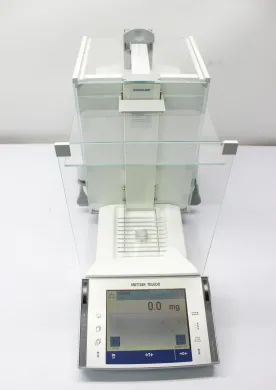
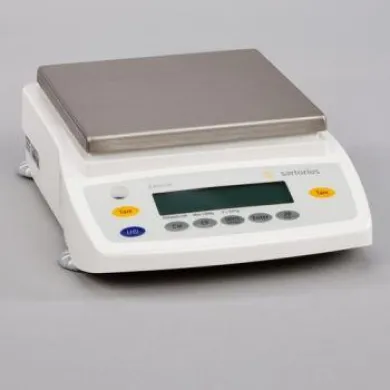
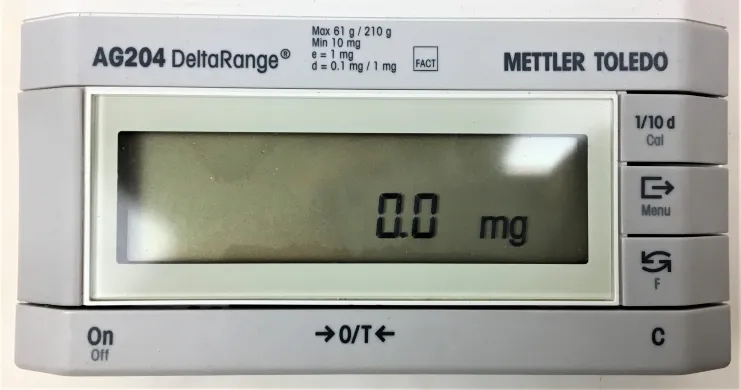
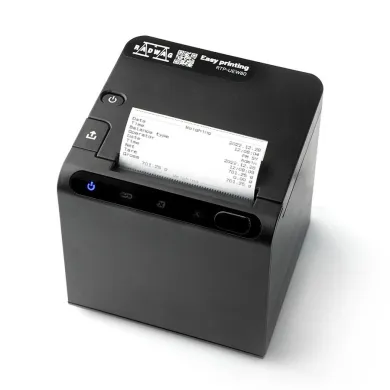
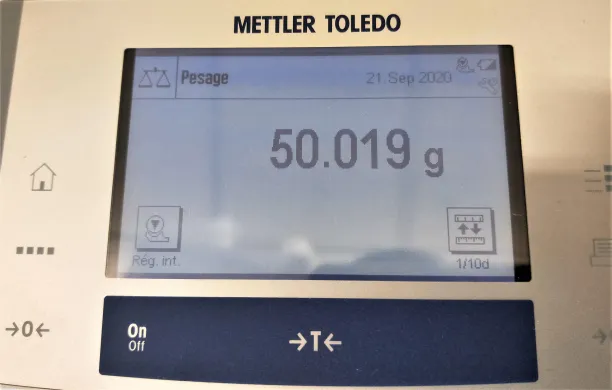
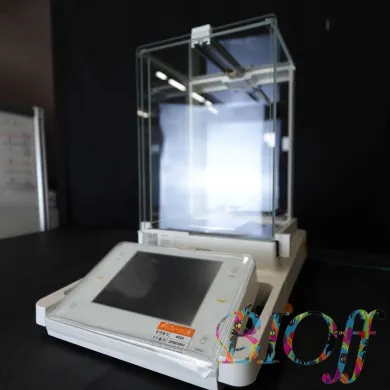
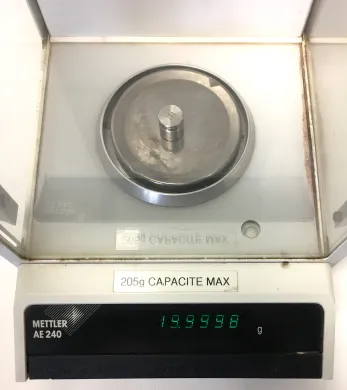
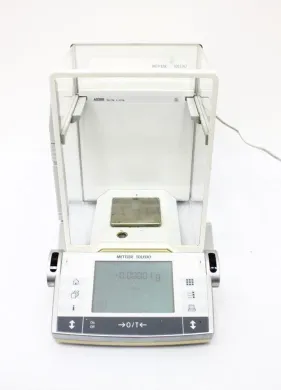
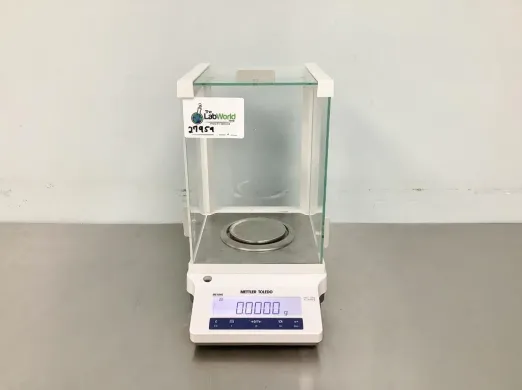
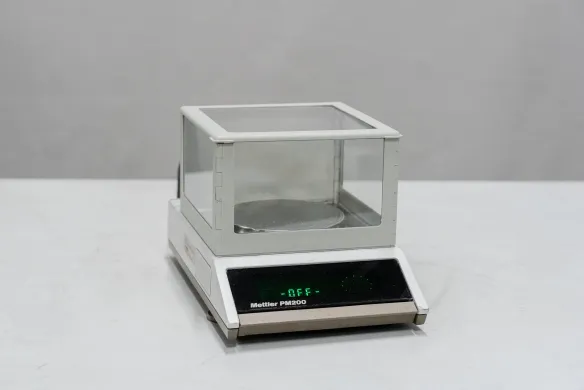
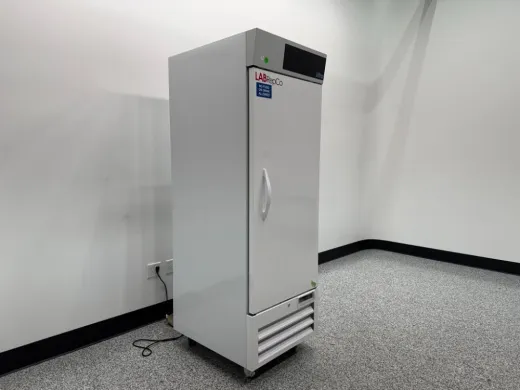
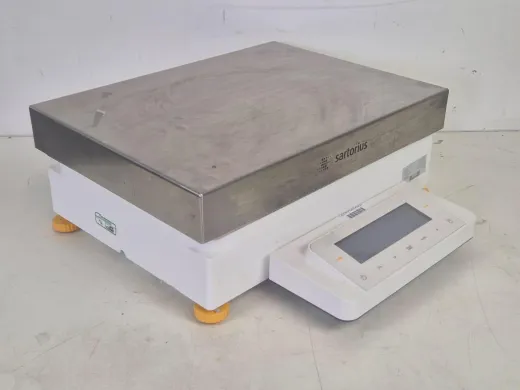
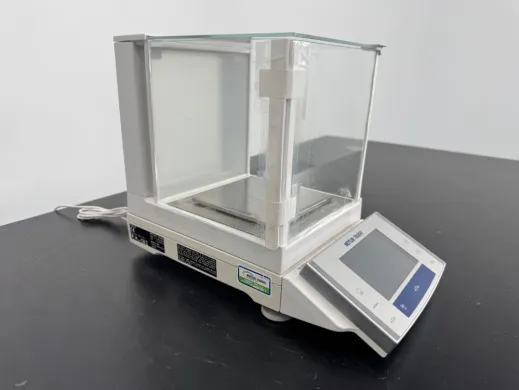
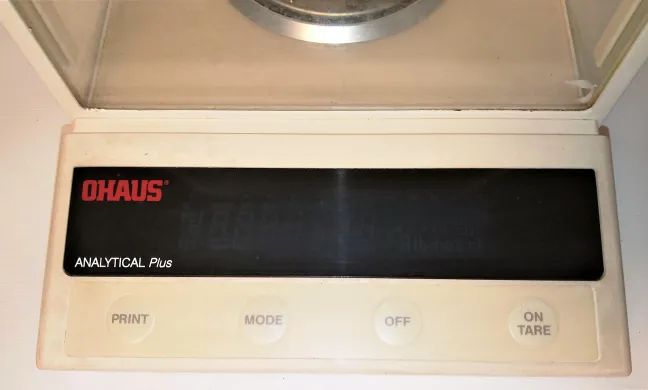

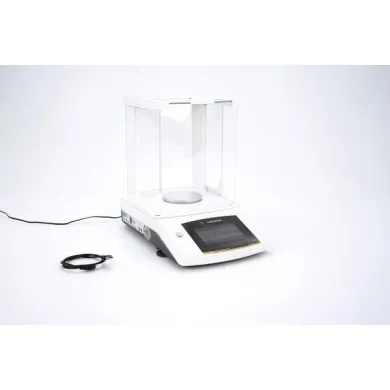
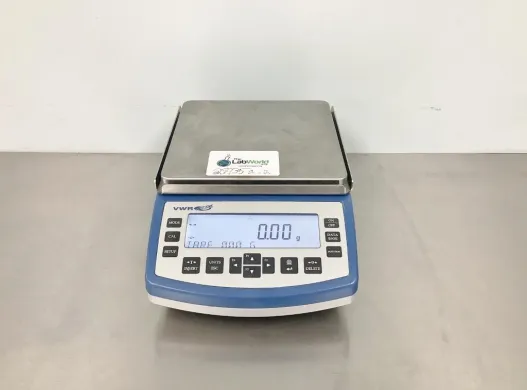
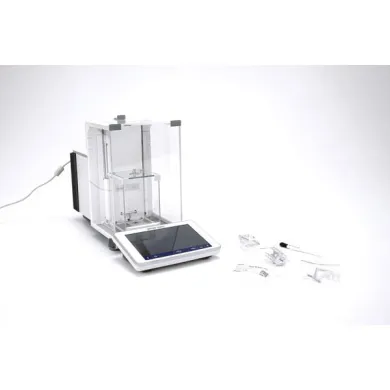
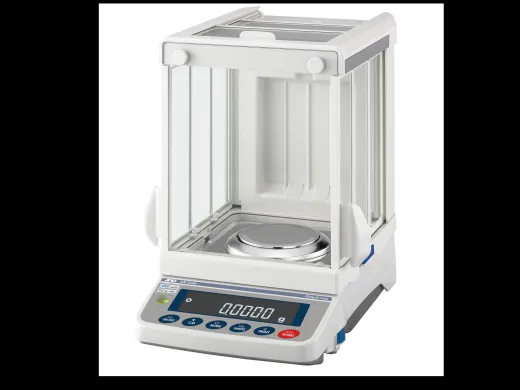
Not the exact instrument you need?
Tell our scientists what you are after. We track it down, including off-market supply.
Showing 1–40 of 438 listings
Show 40 more listingsBuying guide
What readability actually settles on an ultra-microbalance?
Readability leads here because it defines the instrument. An ultra-microbalance reads to one microgram or below, and the number a buyer needs is not the maximum capacity but the smallest increment the display resolves against the required weighing range. A unit that resolves to a microgram over a two-gram range answers a different problem than one resolving to a tenth of a microgram over a shorter range, and the sample dictates which. Filter weighing for particulate work, pesticide residue standards, and sub-milligram dosing in formulation all push toward the finer resolution; weighing out reference standards at the hundred-milligram level does not need it. Decide the readability and the range first, because the rest of the specification follows from the weighing cell that delivers them.
What to verify on a used unit matters as much as the datasheet, since 83 percent of the listings here are used. The weighing cell is the part that ages, and a used ultra-microbalance must be checked for drift, corner-load error and repeatability before it is trusted, ideally against certified test weights at the resolution it claims. Ask whether the draught shield and ioniser are intact, whether the levelling feet and bubble are functional, and whether the unit holds calibration after transport, because these instruments are sensitive to vibration and to being moved. A balance that passes a repeatability check at its stated readability is doing the one thing it exists to do; one that does not is a repair rather than a purchase.
Price sits across a wide band and the brand mix explains most of the spread. Listings run from EUR 9 to EUR 27.894, with an average near EUR 2.603, a range that covers simple used units at one end and current research-grade instruments at the other. What a unit costs tracks its readability, its range and its age far more than its badge. A buyer working to a fixed budget will find that refurbished ultra-microbalances listed for sale sit below new equivalents, which is where most of the catalogue's value lies for a lab that needs the resolution without the current list price. The brands that occupy this band are Mettler Toledo, Ohaus, A&D, Sartorius, Radwag, and their presence affects parts availability and how easily one model compares against another more than it changes the physics of the weighing.
Types of Ultra-Microbalances
Which weighing instruments are listed as ultra-microbalances?
Among the listings that specify a type, the catalogue holds analytical balance, precision balance, laboratory weighing scale, laboratory balance, laboratory scale, electronic balance. The names overlap because the boundary between them is readability rather than a hard category: an analytical balance typically reads to a tenth of a milligram, a precision balance to a milligram or coarser, and the ultra-microbalance sits above both at the microgram scale. A laboratory weighing scale or electronic balance in this listing is the same class of instrument described in a buyer's own words. What separates them in practice is the trade between resolution and capacity, so a researcher weighing filter papers reaches for the finest readability while one dispensing buffer salts does not. Gravimetric analysis is the work that runs through all of them, and the finer the weighing the more the enclosure, the ioniser and the anti-vibration setup matter.
These instruments carry real weight in life sciences work. Sub-milligram weighing underpins protein purification, where buffer and reagent masses set the yield, and it feeds into molecular biology sample preparation wherever a reaction is built from weighed-out standards. An ultra-microbalance for pharmaceutical formulation weighs active ingredients at dosing levels that a precision balance cannot resolve, and the same resolution supports microbiology media preparation and the gravimetric calibration of pipettes used across immunoassay and cell culture. Analytical weighing also sits upstream of proteomics and genomics, where the standards and the sample masses that calibrate an instrument begin on a balance.
The brands behind the ultra-microbalance listings
The names that dominate are Mettler Toledo, Ohaus, A&D, Sartorius, Radwag. For a buyer, that concentration is useful: parts, calibration weights and service documentation are easier to find for instruments from established makers, and a model with many listings is easier to compare against its siblings than a one-off. Price level tracks the brand loosely, but readability and age move it more.
What a used ultra-microbalance costs here
The condition split runs to 83 percent used, with the balance of the 853 listings new. Prices span EUR 9 to EUR 27.894. That spread covers the gap between an older used unit and a current research-grade instrument, and the used majority is where a tight budget finds the resolution it needs.
Frequently asked questions
What is an ultra-microbalance?
An ultra-microbalance is a weighing instrument that resolves mass at the sub-microgram level, typically reading to 0.1 microgram with a capacity measured in grams. It sits at the extreme resolution end of laboratory weighing, below the analytical balance and precision balance in readability but far above either in resolution.
What does ultra-microbalance mean?
The term describes a balance operating below the microbalance in readability, resolving to 0.1 microgram or finer. The prefixes signal successive steps in resolution: milligram for analytical balances, microgram for microbalances, and tenths of a microgram for ultra-microbalances.
How do ultra-microbalances work?
They weigh using electromagnetic force restoration, where a coil generates a counterforce to balance the load and the current needed to do so is converted into a mass reading. At this resolution the mechanism sits inside a draft shield and demands a stable bench, controlled airflow and temperature stability to keep readings valid.
What types of weighing instruments are listed in this category?
The catalogue spans analytical balance, precision balance, laboratory weighing scale, laboratory balance, laboratory scale and electronic balance. The analytical balance dominates the listings that specify a type, while true ultra-microbalances and microbalances occupy the sub-microgram end.
What is an ultra-microbalance used for?
It serves gravimetric analysis where the sample itself is tiny: filter weighing for particulate and aerosol work, pharmacopoeial content uniformity on single doses, and trace residue quantification. It also underpins reagent and standard preparation in molecular biology, proteomics and stable-isotope or reference-material production.
How do I choose an ultra-microbalance?
Start from the readability-to-capacity trade: match the resolution to the smallest mass you need to resolve and confirm the capacity covers your heaviest sample. Factor in the bench and environment, since sub-microgram weighing needs a stable surface, controlled airflow and temperature, then narrow by brand and condition against the listings.
Refurbished versus used, what is the difference?
A used unit is sold in its existing condition, while a refurbished one has been checked and brought back toward working order before listing. Both are listed below new prices, and the exact condition and what was done is stated in the individual listing.
How much does an ultra-microbalance cost?
Prices in the catalogue run from EUR 9 to EUR 27.894, with an average around EUR 2.603. The span is wide because it holds bare parts and accessories at one end and complete draft-shielded, climate-stabilised instruments at the other.
Which brands make ultra-microbalances?
The listings concentrate around Mettler Toledo, Ohaus, A&D, Sartorius and Radwag. These names cover the span from analytical balances through to the sub-microgram instruments.
Is a warranty available on a refurbished ultra-microbalance?
A warranty is often possible and is arranged in consultation for the specific listing. Check the individual listing for its terms.
Can I get parts for an ultra-microbalance?
Parts can be sourced via Questpair. The concentration of established makers in these listings also means spare parts tend to stay available for years after a model leaves production.
How long does an ultra-microbalance last?
The weighing cell itself can function for well over a decade with correct handling, since the electromagnetic force-restoration mechanism has no consumable moving parts. Lifespan in practice depends on environment, overload events and regular calibration rather than age alone.
New versus refurbished, which should I buy?
Used and refurbished units are listed at lower prices than new, which is the main difference you can count on across listings. Warranty and support terms are set per listing and arranged in consultation, so compare the specific units rather than assuming either option carries fixed advantages beyond price.
Where can I buy an ultra-microbalance?
They are listed on Questpair from 17 verified suppliers and distributors across 10 countries. The catalogue holds 853 ultra-microbalance listings in new, used and refurbished condition.
What are the lead time and shipping like?
Lead time and shipping depend on the individual listing, the supplier and their location across the 10 countries represented. The specific terms are confirmed through the listing before purchase.
How are ultra-microbalances calibrated and maintained?
Calibration runs against certified reference masses at intervals suited to the work, and many instruments carry internal adjustment weights for routine correction. Maintenance centres on keeping the draft shield clean, the bench stable and the environment controlled; Questpair does not perform servicing, but parts can be sourced through it.
Which types are listed most and who reaches for each?
The analytical balance dominates the typed listings and suits labs where 0.1 milligram readability is enough. Precision balances serve sample preparation and formulation where capacity matters more than the last decimal, while true ultra-microbalances and microbalances go to filter weighing, content uniformity and trace residue work where the sample is tiny.
Which brands dominate this category and what does that mean for a buyer?
Listings concentrate around Mettler Toledo, Ohaus, A&D, Sartorius and Radwag. That concentration keeps the second-hand market liquid, so a used instrument from one of these names can be matched against several comparable listings, and calibration certificates and service histories follow recognised formats.
What separates the cheapest listings from the most expensive?
At the low end sit bare parts and accessories; at the high end sit complete instruments with draft shields and climate stabilisation built for sub-microgram work. Condition adds to that span, since used and refurbished units are listed below new, so the price band reflects both configuration and condition rather than a single factor.