

Precision Balances
We personally find you the right used, refurbished and new precision balances instruments & equipment from verified suppliers.
Precision balances are laboratory weighing instruments that measure mass to a readability of one or two decimal places of a gram, typically from 0.1 g down to 0.001 g, over capacities that reach several kilograms. They occupy the middle ground between the analytical balance, which reads to 0.0001 g, and the simpler toploader. On Questpair, 1436 of the 1902 precision balance listings are used and 466 are new, so the catalogue runs heavily toward pre-owned instruments. New, used and refurbished units appear side by side from 18 verified suppliers and distributors across 11 countries, with laboratory weighing applications spanning gravimetric analysis, formulation and routine sample preparation.
Updated:
Precision Balances product list
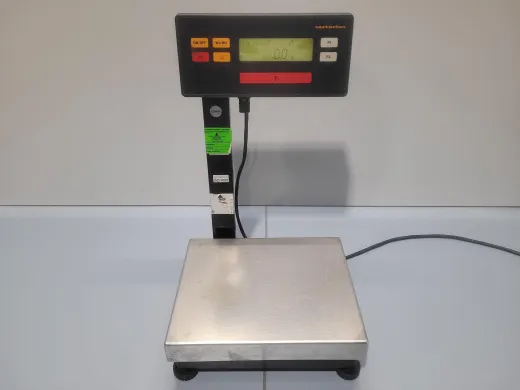
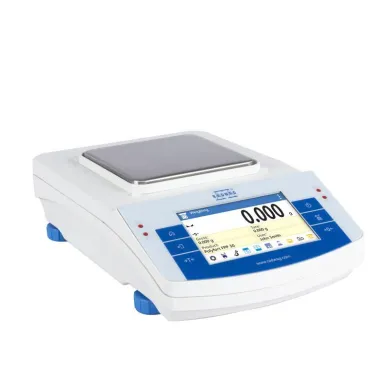
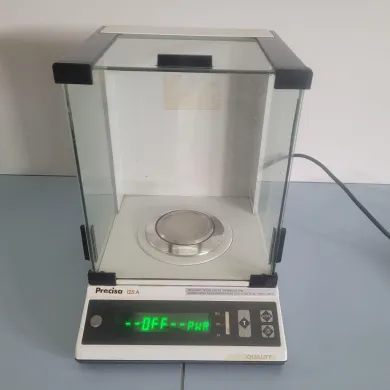
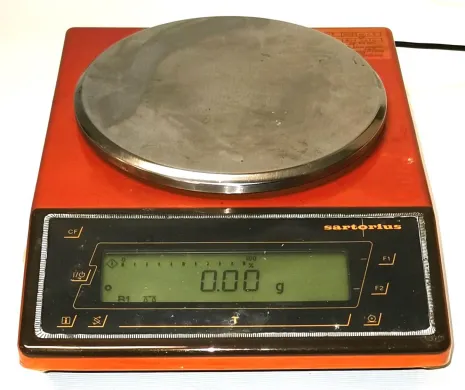


Not the exact instrument you need?
Tell our scientists what you are after. We track it down, including off-market supply.
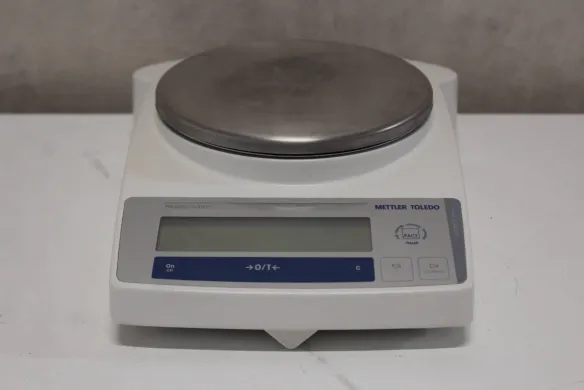
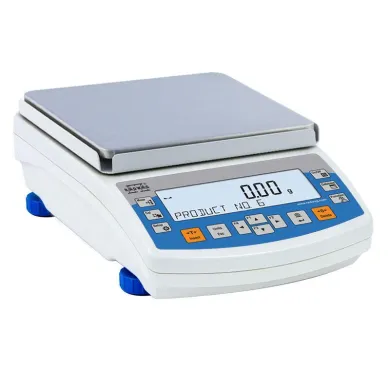
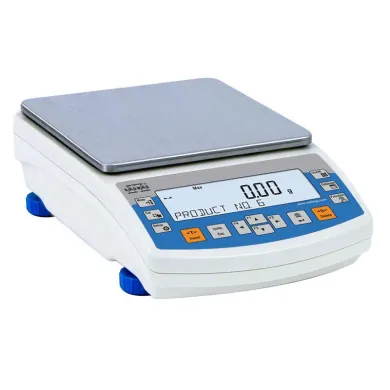
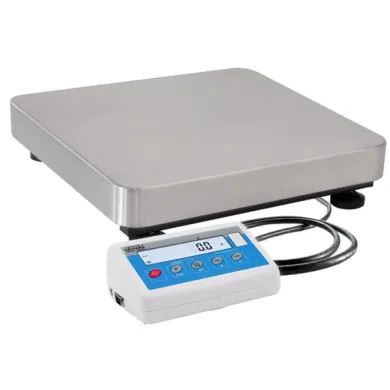
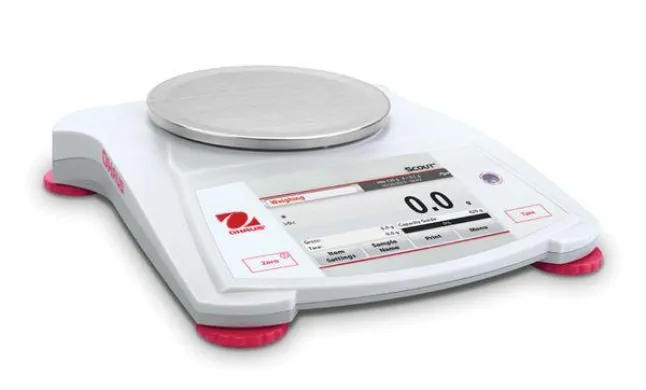
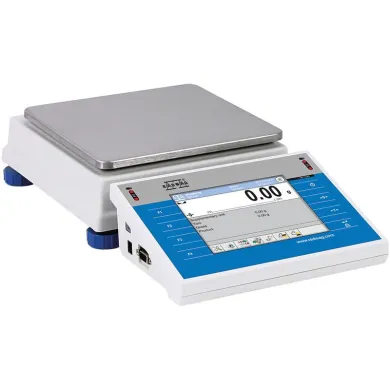
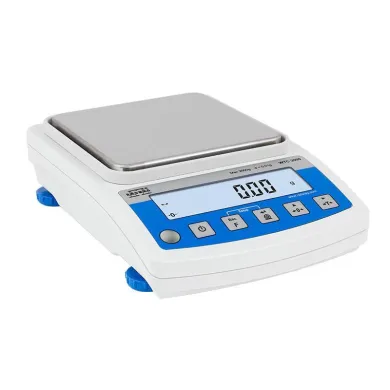
Radwag WTC 2000 Precision Balance
- Category
- Precision balances
- Brand
- Radwag
- Suppliers
- 1 verified
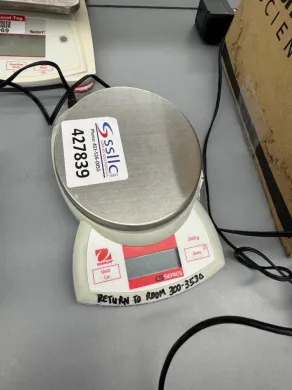
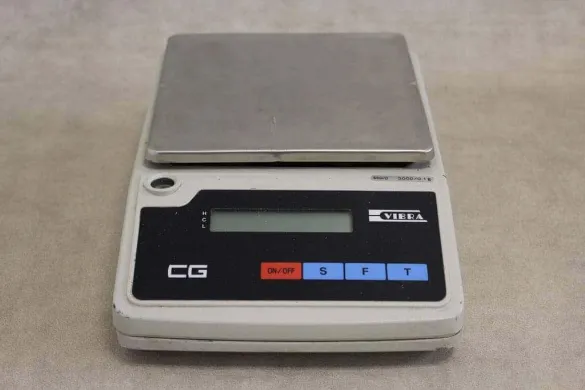
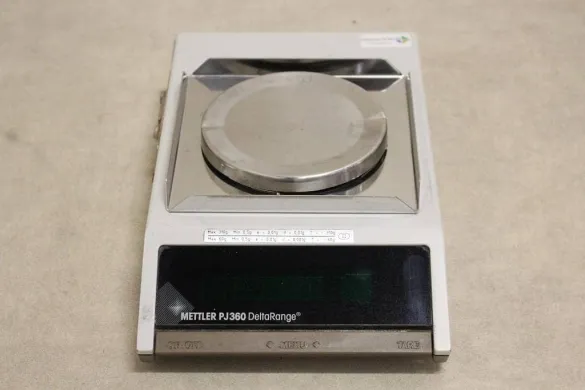
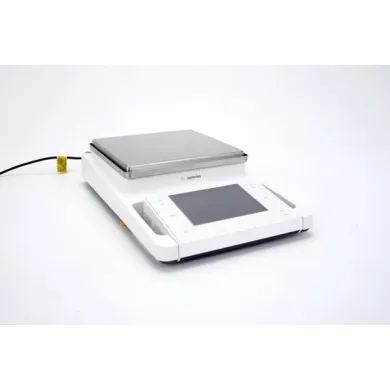
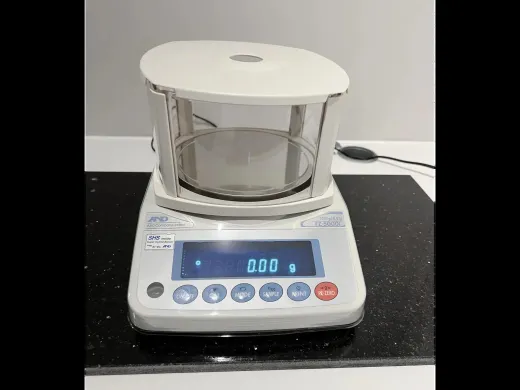
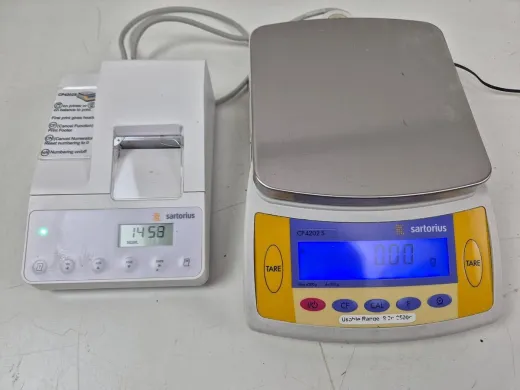
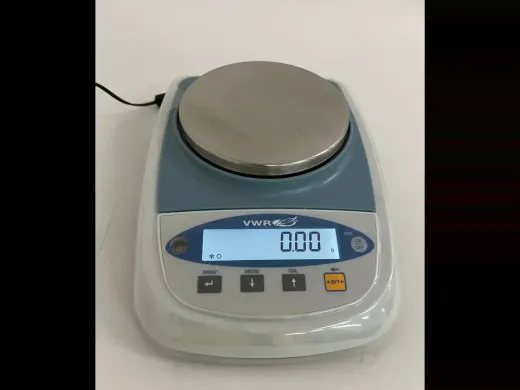
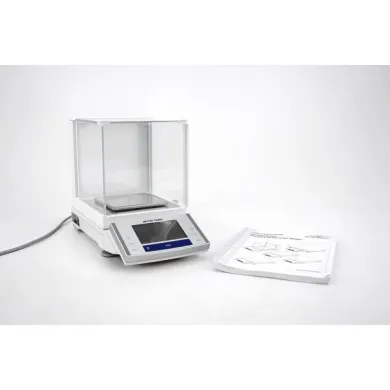
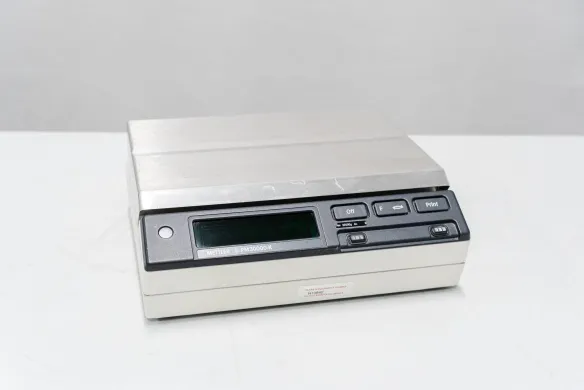
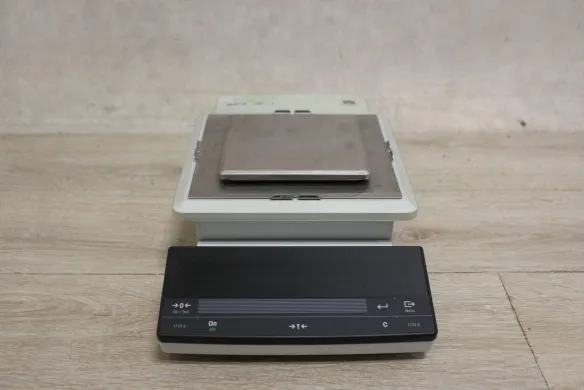
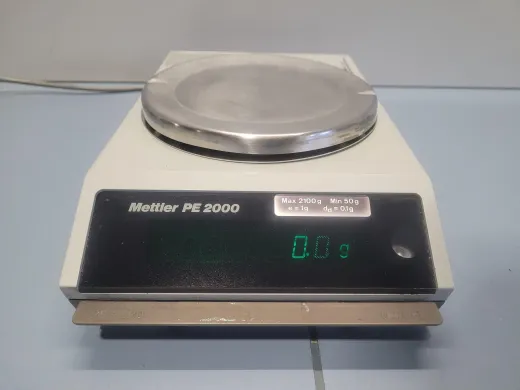
Not the exact instrument you need?
Tell our scientists what you are after. We track it down, including off-market supply.
Showing 1–40 of 1,082 listings
Show 40 more listingsBuying guide
Readability against capacity settles most precision balance purchases, and the two pull against each other. A 220 g balance reading to 0.001 g and a 6,200 g balance reading to 0.01 g are both precision instruments, but they serve different benches: the first weighs reagents for a formulation, the second checks the mass of a filled flask or a packaged batch. Decide the heaviest thing the balance has to hold and the smallest increment you have to resolve before anything else, because that pair fixes the model range and rules out most of the catalogue in one step. Where a second decimal place is not needed, a higher capacity at coarser readability is usually the cheaper and more robust choice.
On a used unit, the question is whether it still reads true, not whether it looks worn. Ask whether the instrument comes with internal calibration or needs an external weight set, and whether a recent calibration record exists. A precision balance drifts with its environment, and a seller who can state the last calibration date and show a linearity check is offering more than one who cannot. Draft shields, levelling feet and the pan itself are cheap to verify and expensive to discover missing; a balance sold without its draft shield is a different instrument from one sold with it. For anything reading to 0.001 g, siting matters as much as the hardware, so confirm the unit was bench-mounted rather than run on a trolley.
Across the catalogue, prices run from EUR 9 to EUR 38.740. That spread covers bare accessories and entry-level balances at the low end and high-capacity or specialised instruments at the top, with the average sitting near EUR 1.514. The brands that fill the band are Ohaus, Mettler Toledo, Radwag, Sartorius, A&D, and their presence shapes what a given budget buys: an Ohaus or A&D model costs less than a comparable Mettler Toledo or Sartorius, while the latter two bring wider parts availability and denser second-hand supply, which makes one model easier to compare against another. Because 75 percent of the listings are used, a buyer weighing cost against condition will find the affordable end of the market well stocked, and refurbished units listed for sale sit below new ones at the same capacity and readability.
Types of Precision Balances
Precision balance accessories
Accessories are the largest single group listed under precision balances, which reflects how much of a weighing bench is not the balance itself. This class covers calibration weights and weight sets, which a buyer needs to verify or adjust an external-calibration instrument; draft shields and windbreaks, which steady a reading at the finer readabilities by keeping air currents off the pan; replacement pans and pan supports; anti-vibration tables and weighing platforms; and printers, density kits and below-balance weighing hooks. What separates one accessory from another is the job it does rather than any shared specification, so a calibration weight is matched by its OIML or ASTM class to the balance it checks, while a draft shield is matched by its footprint to the pan it surrounds. A laboratory doing gravimetric analysis buys the weight set to keep its balances traceable; a cleanroom running sample preparation buys the anti-vibration table to hold a reading steady; a quality lab buys the printer to log each weighing. Because accessories carry no capacity or readability figure of their own, they are chosen against the host instrument, and a buyer sourcing one should confirm the model it will attach to before ordering.
Frequently asked questions
What is a precision balance?
A precision balance is a laboratory weighing instrument that measures mass to one or two decimal places of a gram, typically from 0.1 g down to 0.001 g, over capacities reaching several kilograms. It sits between the analytical balance, which reads to 0.0001 g, and the simpler toploader.
What does precision balance mean?
The term refers to the readability band the instrument works in: a precision balance resolves to a hundredth or a thousandth of a gram, finer than a toploader but coarser than an analytical balance. The word precision describes the increment it reads, not a brand or model line.
How do precision balances work?
Most modern precision balances use electromagnetic force restoration, where a coil generates a counterforce to the load on the pan and the current needed to balance it is converted to a mass reading. The finer the readability, the more the result depends on a stable, draft-free environment.
What types of precision balances are there?
The listings cover analytical balances, precision balances, laboratory scales, laboratory weighing scales, laboratory balances and electronic balances. They differ mainly in readability and capacity, with analytical balances reading finest and laboratory scales handling heavier loads at coarser increments.
What are precision balances used for?
They handle gravimetric analysis, formulation and routine sample preparation, weighing reagents, filled flasks and packaged batches. The specific job depends on the capacity and readability of the model: a small-capacity unit reading to 0.001 g weighs reagents, while a high-capacity unit checks the mass of larger items.
How do I choose a precision balance?
Start with the heaviest load the balance must hold and the smallest increment you need to resolve, because that pair fixes the model range and rules out most of the catalogue in one step. Where a second decimal place is not needed, a higher capacity at coarser readability is usually cheaper and more robust.
What is the difference between refurbished and used?
A used balance is sold in the condition it arrives, while a refurbished unit has been checked and brought back to working order before listing. On a used unit the question is whether it still reads true, so ask for a recent calibration record and a linearity check rather than judging by appearance.
How much does a precision balance cost?
Prices across the catalogue range from EUR 9 to EUR 38.740, with the average near EUR 1.514. The low end covers bare accessories and entry-level balances, while high-capacity or specialised instruments sit at the top.
What are the main precision balance brands?
The brands filling the catalogue are Ohaus, Mettler Toledo, Radwag, Sartorius and A&D. An Ohaus or A&D model typically costs less than a comparable Mettler Toledo or Sartorius, while the latter two bring wider parts availability and denser second-hand supply.
Is a warranty available on a refurbished balance?
A warranty is often possible and is arranged in consultation for the specific listing. Terms are not set centrally, so check the individual listing and raise the question before ordering.
Can I get parts for a precision balance?
Parts can be sourced via Questpair. Common wear items include replacement pans, pan supports, draft shields and levelling feet, which are worth confirming are present on a used unit before purchase.
How long does a precision balance last?
A precision balance can stay in service for many years if it is sited well and kept calibrated, since the electronics rarely wear out. What limits usable life is drift and the loss of accessories like the draft shield, not age alone.
Should I buy new or refurbished?
Used and refurbished units are listed at lower prices than new ones at the same capacity and readability. Because the catalogue runs heavily toward pre-owned instruments, the affordable end is well stocked; weigh the price saving against the condition stated in the individual listing.
Where can I buy a precision balance?
New, used and refurbished units are listed on Questpair from 18 verified suppliers and distributors across 11 countries. Of the 1902 precision balance listings, 1436 are used and 466 are new.
What are the lead time and shipping like?
Lead time and shipping depend on the individual supplier and the unit's location across the 11 countries represented. Check the specific listing, since a bench instrument in stock ships differently from one that needs preparation.
How do I calibrate and maintain a precision balance?
Confirm whether the instrument has internal calibration or needs an external weight set, and match any calibration weight to the balance by its OIML or ASTM class. For anything reading to 0.001 g, keep the unit bench-mounted and shielded from air currents, since siting affects the reading as much as the hardware.
Which types are listed most and who reaches for which?
Accessories are the largest single group, covering calibration weights, draft shields, replacement pans, anti-vibration tables and printers. A lab doing gravimetric analysis buys the weight set for traceability, a cleanroom running sample preparation buys the anti-vibration table, and a quality lab buys the printer to log each weighing.
Which brands dominate this category and what does that mean for a buyer?
Ohaus, Mettler Toledo, Radwag, Sartorius and A&D account for the bulk of the listings. Dense second-hand supply from Mettler Toledo and Sartorius makes one model easier to compare against another, while Ohaus and A&D give a lower entry price at comparable capacity and readability.
What separates the cheapest listings from the most expensive?
The low end holds bare accessories and entry-level balances, while the top holds high-capacity instruments and specialised models. Between them, readability against capacity and brand account for most of the difference: a finer increment, a heavier capacity or a Mettler Toledo or Sartorius badge each pushes the price up.