

Analytical Balances
We personally find you the right used, refurbished and new analytical balances instruments & equipment from verified suppliers.
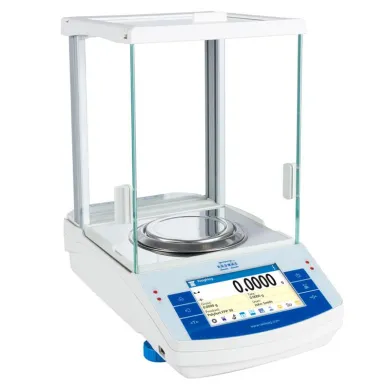
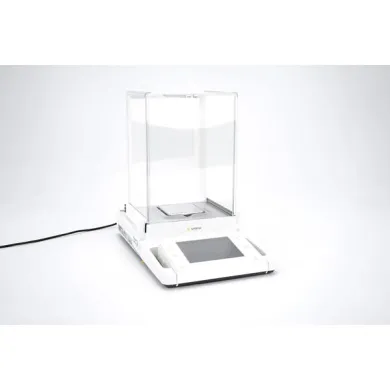
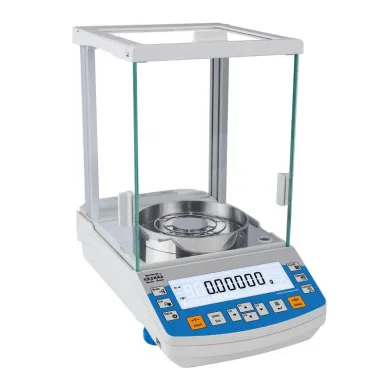
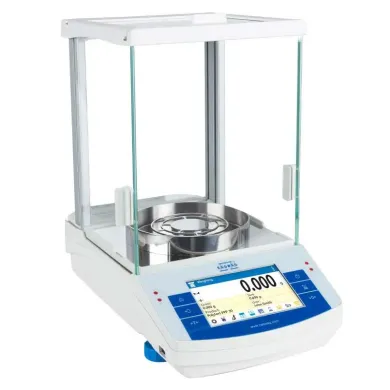
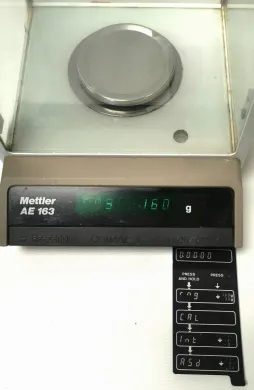
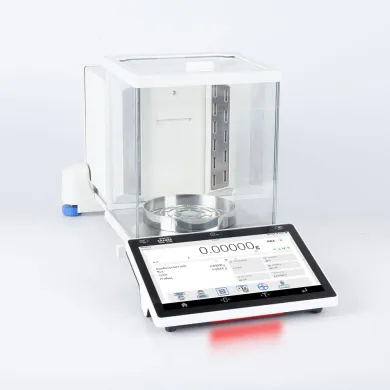
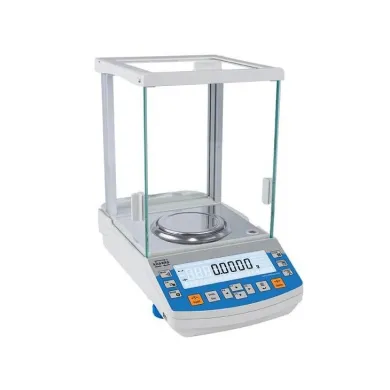
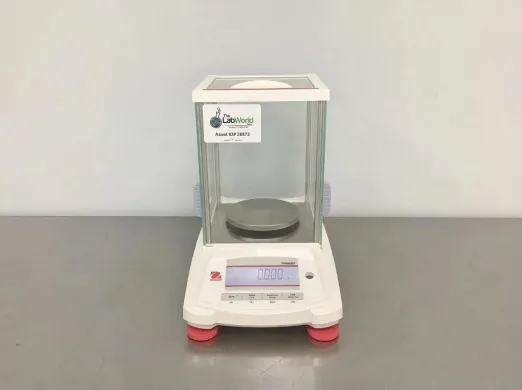
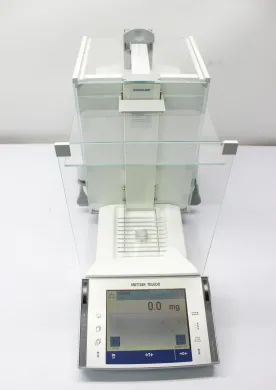
Analytical balances are precision weighing instruments that measure mass to a readability of 0.1 mg or finer, enclosed in a draft shield that protects the pan from air currents. On Questpair, 83 percent of the 1260 analytical balance listings are used, the remainder new, offered by 18 verified suppliers and distributors across 12 countries. The equipment spans laboratory models for routine gravimetric analysis to semi-micro and micro versions used in pharmaceutical and research settings. Prices range from EUR 10 to EUR 172.178. New, used and refurbished units appear side by side, so a buyer can compare condition and specification in one place before committing to a laboratory balance.
Updated:
Analytical Balances product list
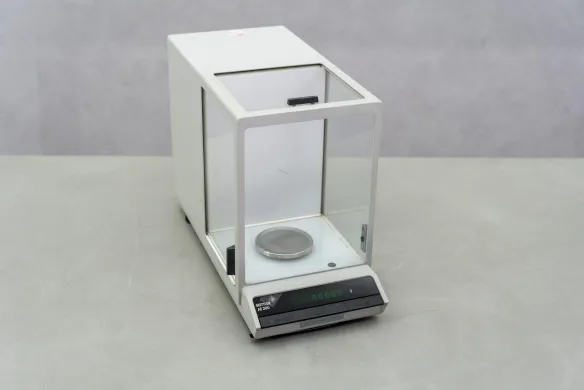
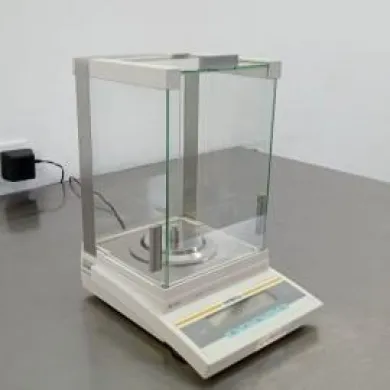
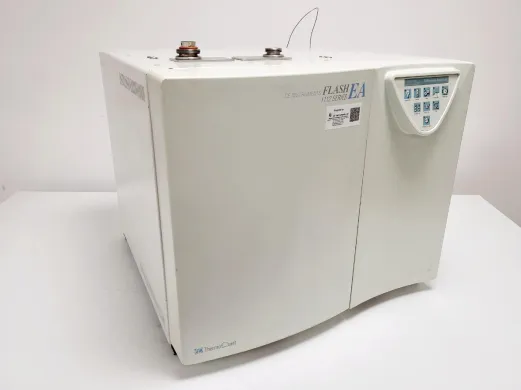
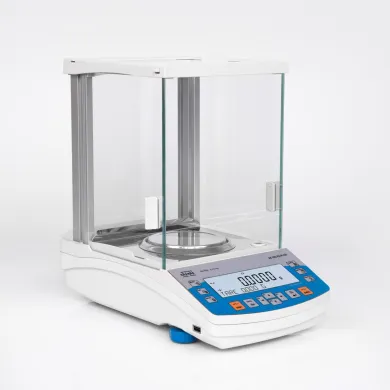


Not the exact instrument you need?
Tell our scientists what you are after. We track it down, including off-market supply.
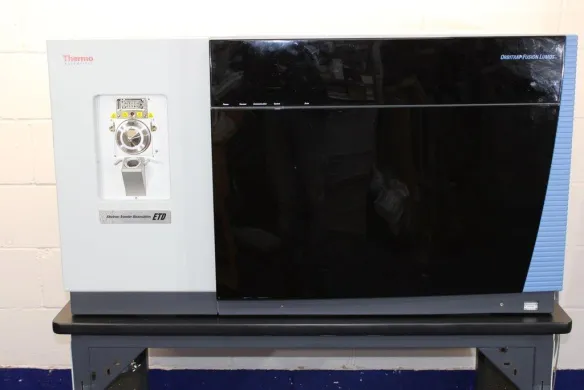
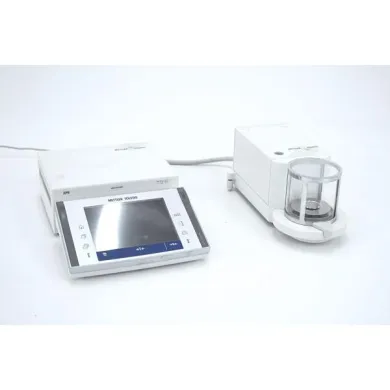
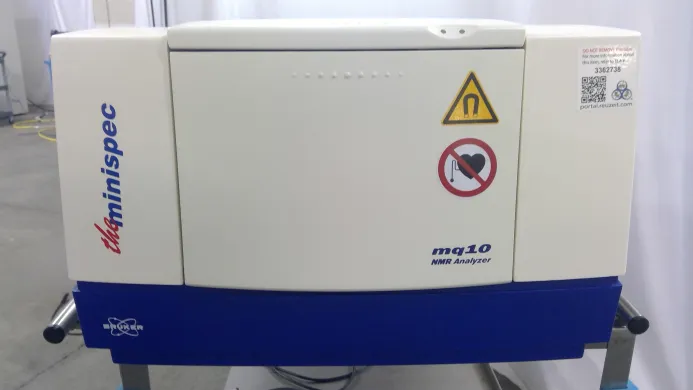

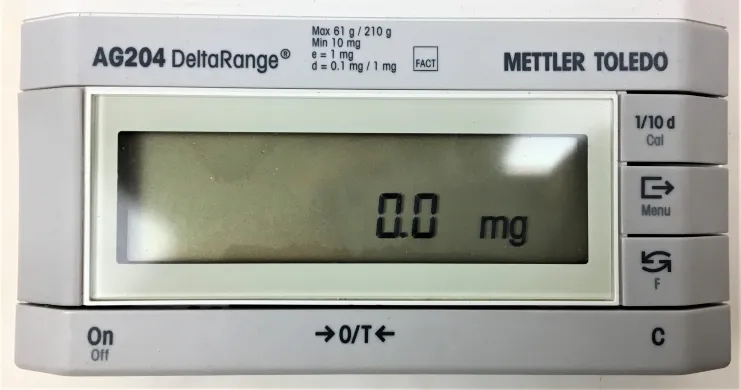
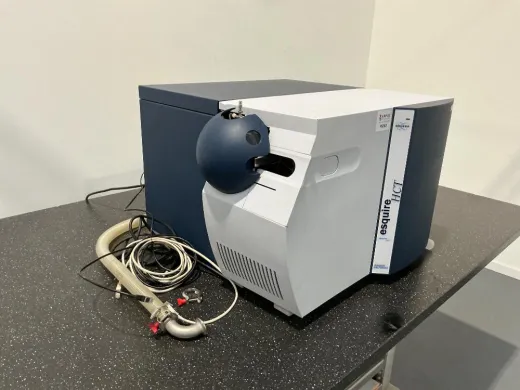
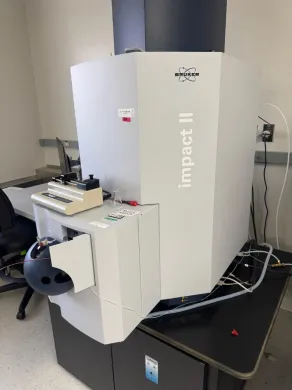
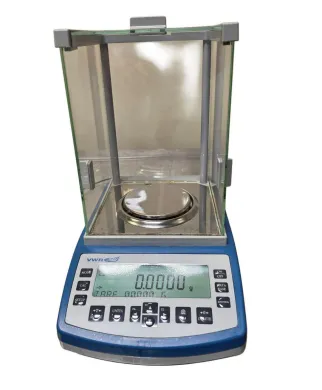
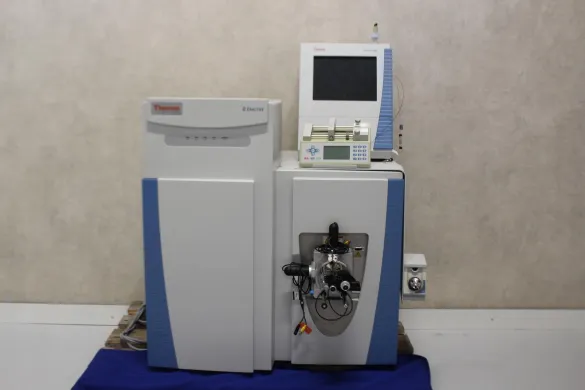
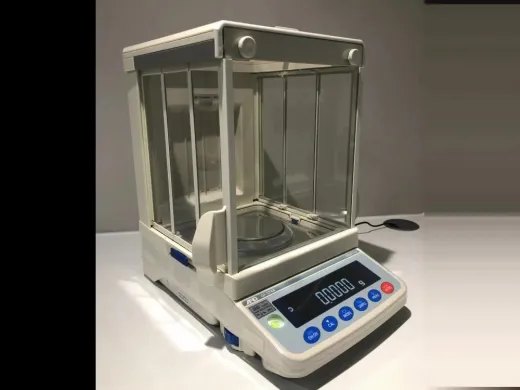
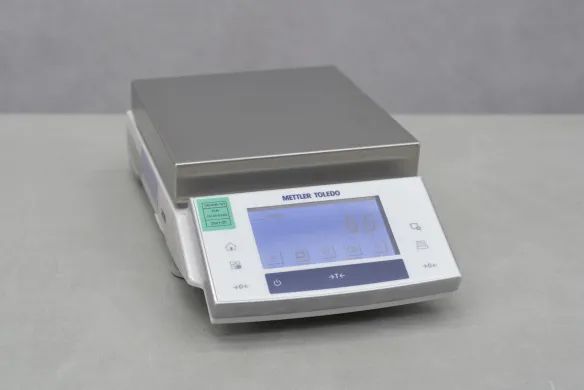
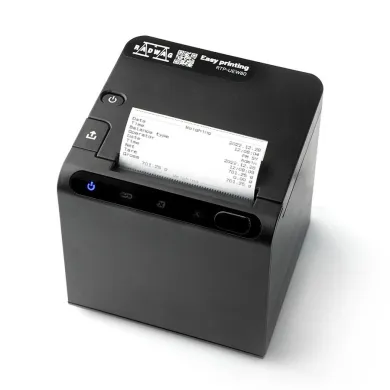
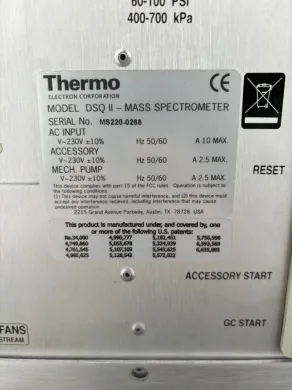
Not the exact instrument you need?
Tell our scientists what you are after. We track it down, including off-market supply.
Showing 1–40 of 753 listings
Show 40 more listingsBuying guide
Readability settles the purchase before anything else. An analytical balance is defined by the smallest increment it can resolve, and for most laboratory work that figure is 0.1 mg, while semi-micro models reach 0.01 mg and micro-balances 0.001 mg. The decision is not "finer is better" but "finer than the task needs is wasted money and slower settling". A balance resolving to 0.01 mg costs more, demands a more stable bench, and takes longer to stabilise per reading. Match the readability to the smallest mass that matters in the method, and the rest of the specification follows from that single choice: capacity, which rarely exceeds 220 g on a true analytical instrument, and repeatability, which the datasheet states as a standard deviation.
On a used unit the specification on paper is only the starting point, because weighing precision drifts with the condition of the cell and the calibration history. Ask whether the balance has internal motorised calibration or relies on an external reference mass, and when it was last adjusted. Check the draft shield doors slide and seal, check the pan and the levelling feet, and confirm the instrument holds a stable reading at the bottom of its range, where any fault shows first. A balance that has sat idle needs recalibration before trust, and that service is a cost to factor in.
Across the catalogue prices run from EUR 10 to EUR 172.178, and the EUR 5.009 average sits well below the top of that band, which tells you the bulk of listings cluster at the laboratory-grade end rather than at micro-balance or specialist analytical instrumentation. Mettler Toledo, Radwag, Thermo, Ohaus, Sartorius hold most of that volume, and their presence shapes what a given budget buys: a widely sold Mettler Toledo or Sartorius model is easy to compare across several listings, while a scarcer line gives fewer reference points on price. Used and refurbished balances are listed for sale more affordably than new, so a buyer weighing cost against a fresh calibration certificate has real room to decide. Many listings sit in the four-figure range, which is where a routine 0.1 mg laboratory balance lands; the far end of the range covers specialist weighing systems a general lab rarely needs.
Types of Analytical Balances
Analytical balance accessories
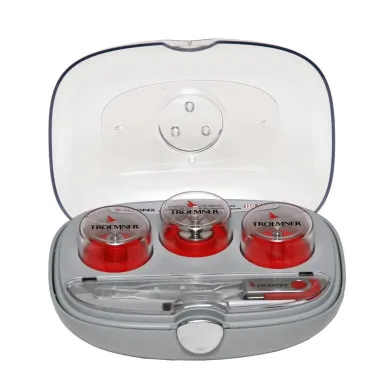
Analytical balance accessories cover the parts and consumables that keep a precision weighing instrument accurate and serviceable, rather than the balances themselves. Among the listings that specify a type, this group holds 301 entries and spans calibration weights and weight sets, draft shield panels and doors, weighing pans, anti-vibration tables, ionisers that neutralise static on a sample, and density kits that adapt a balance for solid and liquid density determination. A buyer reaches for this category to restore an older instrument to specification or to extend what one can measure: a certified weight set is what verifies readability after a move, and an ioniser is what stops a charged powder from drifting the reading during gravimetric analysis. These accessories matter in pharmaceutical and life sciences work where a balance feeds formulation and sample preparation for cell culture media or buffer standards, and where a documented calibration chain is part of the record. Choosing one is a matter of fit to the specific model, so confirm the balance line and the mounting before buying a pan or a shield panel.
Frequently asked questions
What is an analytical balance?
An analytical balance is a precision weighing instrument that resolves mass to 0.1 milligram or finer, housed inside a draft shield that blocks air currents from disturbing the reading. It sits between the benchtop scale and the microbalance in the range of laboratory weighing instruments.
What does analytical balance mean in practice?
It means a balance built for work where a result depends on knowing a mass to four decimal places, such as reagent weighing or standard preparation. The draft shield and fine readability are what separate it from a general laboratory scale.
How do analytical balances work?
Modern analytical balances use electromagnetic force restoration, where a coil generates a counterforce to the load on the pan and the current needed to balance it translates into a mass reading. The draft shield enclosure keeps air movement from disturbing the measurement at the sub-milligram level.
What types are listed in this category?
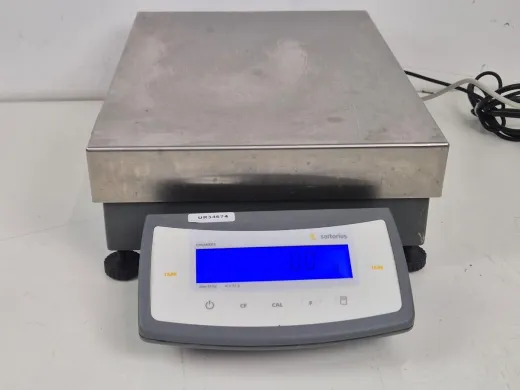
The catalogue covers analytical balances, precision balances, laboratory scales, laboratory balances, laboratory weighing scales and mass spectrometry accessories. Alongside the instruments, accessories such as anti-vibration tables, draft shield panels, weighing pans, density kits and calibration weights make up a substantial share of the listings.
What is an analytical balance used for?
It is used wherever a weighed mass feeds directly into a result, including buffer preparation, reagent dilution, standard-making and gravimetric analysis. Laboratories in analytical chemistry, molecular biology and microbiology rely on it for the accurate dispensing that precedes their methods.
How do I choose an analytical balance?
Start with readability: standard analytical work runs at 0.1 milligram, while semi-micro models read to 0.01 milligram, and you should pick only what your protocol needs. Then confirm capacity, which is usually 120 to 220 grams, since finer readability and higher capacity trade against each other.
What is the difference between refurbished and used?
A used balance is sold as it came from the previous owner, while a refurbished unit has been inspected and brought back to working condition before listing. On both, confirm the calibration record, the state of the draft shield doors and whether the pan and support are correct parts rather than substitutes.
How much does an analytical balance cost?
Prices on this marketplace run from EUR 10 to EUR 172.178, with the midpoint around EUR 5.009. The low end reflects accessories such as a replacement draft shield, while high-capacity and semi-micro instruments sit at the top.
Which brands are listed for analytical balances?
The brands appearing across the catalogue include Mettler Toledo, Radwag, Thermo, Ohaus and Sartorius. These names also supply most of the accessories, since an accessory is chosen to match a specific maker and model.
Is a warranty available on a refurbished balance?
A warranty is often possible and is arranged in consultation for the specific listing. Check the listing and ask about the terms before purchase.
Can I get parts for an analytical balance?
Parts such as draft shield doors, weighing pans, pan supports and calibration weights can be sourced via Questpair. Compatibility depends on the maker and model, so identify the instrument before ordering.
How long does an analytical balance last?
Lifespan depends on use and maintenance, and the force-restoration mechanism at the core of these instruments can run for many years when the draft shield, pan support and levelling feet are kept intact. Replacing a worn part is often cheaper than replacing the whole balance, which extends service life considerably.
New versus refurbished, which should I buy?
The main difference you can count on is price: used and refurbished units are listed below new ones. Where you have to weigh the two, look at the individual listing for its calibration record and condition, and note that warranty is arranged in consultation rather than set centrally.
Where can I buy an analytical balance?
The Questpair catalogue holds 1260 analytical balances from 18 verified suppliers and distributors across 12 countries. Listings cover new, used and refurbished instruments as well as accessories.
What are the lead time and shipping like?
Lead time and shipping depend on the individual supplier and the location of the unit, which spans 12 countries. Check the specific listing, and if a timeline is not stated you can contact Questpair, where specialists respond within 1 hour.
How are analytical balances calibrated and maintained?
Calibration uses internal motorised weights on many current models or certified external weights where that is not fitted, and periodic verification is required for regulated procedures. A balance that has been moved usually needs recalibration on installation regardless of its history, so treat any seller record as a starting point.
Which types in this category are listed most, and who reaches for which?
Accessories form a large part of the listings, with 301 entries covering parts and add-ons, alongside the balances themselves. A maintenance buyer reaches for a draft shield door or pan support, while a method-driven buyer adds a density kit or calibration weights to extend what an existing instrument can do.
Which brands dominate this category, and what does that mean for a buyer?
Mettler Toledo, Radwag, Thermo, Ohaus and Sartorius occupy much of the catalogue, and the accessories cluster around the same makers. For a buyer this means parts and service histories are easier to trace, and a used unit from one of these brands holds its value relative to new.
What separates the bottom of the price band from the top here?
The bottom covers accessories and parts such as a replacement draft shield panel, while the top covers high-capacity instruments and semi-micro balances that read to 0.01 milligram. Between those sit standard 0.1 milligram analytical balances, so the figure to fix on is the one matching the readability and capacity you have already chosen.