

Weighing Modules
We personally find you the right used, refurbished and new weighing modules instruments & equipment from verified suppliers.
Weighing modules are load-cell weighing units built for integration into larger instruments, production lines, or custom laboratory setups rather than used as standalone benchtop balances. The category as listed on Questpair also gathers the finished instruments that share the same weighing technology: analytical and precision balances, laboratory scales, and industrial scales. New, used, and refurbished units are all listed, and across the current catalogue 8 percent of the listings are used. Spanning 113 listings from 7 verified suppliers and distributors, the range covers laboratory weighing from sub-milligram readability up to high-capacity industrial platforms. Prices run from EUR 58 to EUR 23.662.
Updated:
Weighing Modules product list


Not the exact instrument you need?
Tell our scientists what you are after. We track it down, including off-market supply.
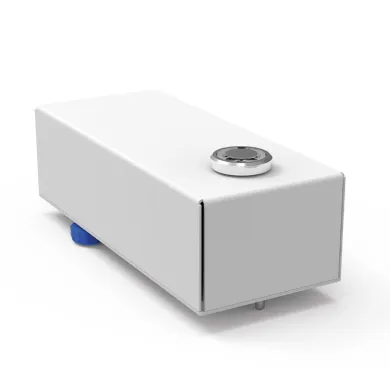
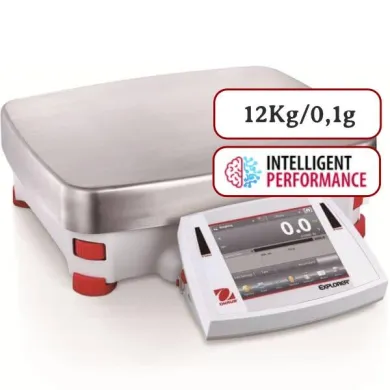
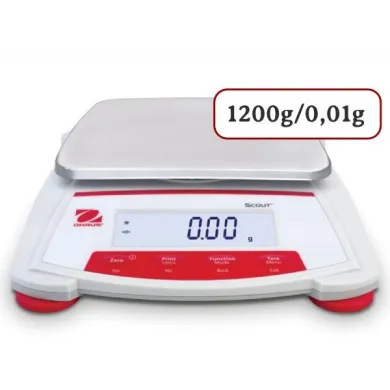
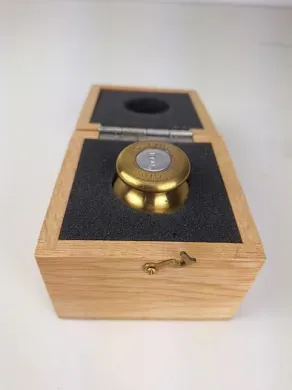
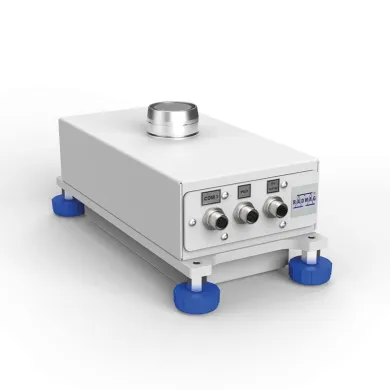
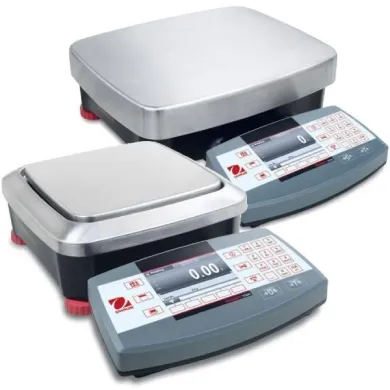
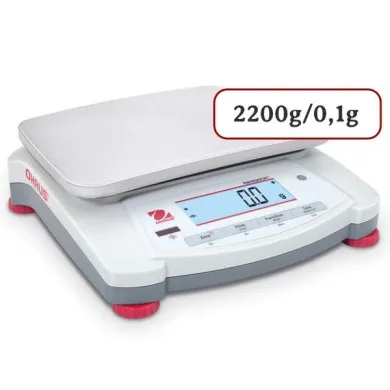
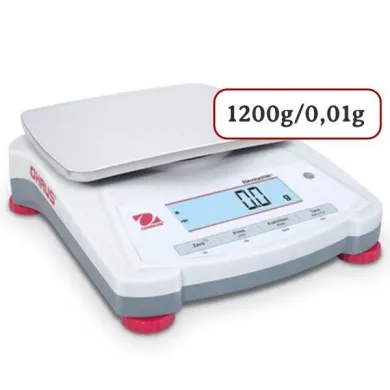
Navigator NVT4201 Ohaus
- Category
- Industrial scales accessories
- Brand
- Ohaus
- Suppliers
- 1 verified
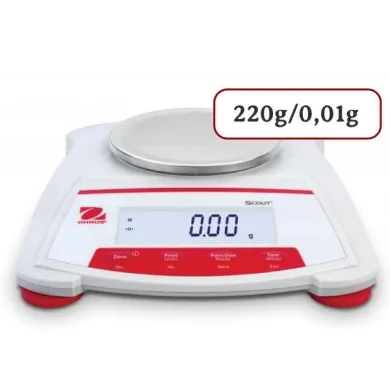
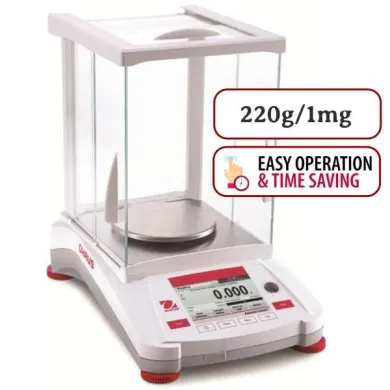
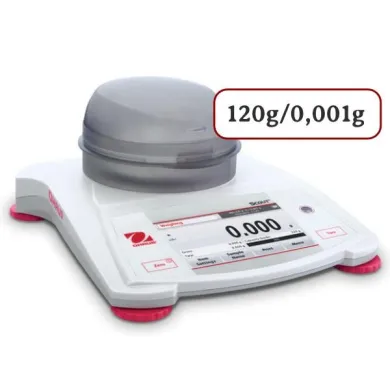
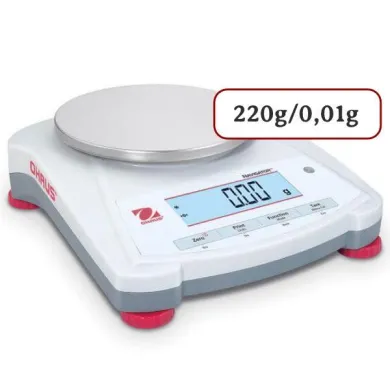
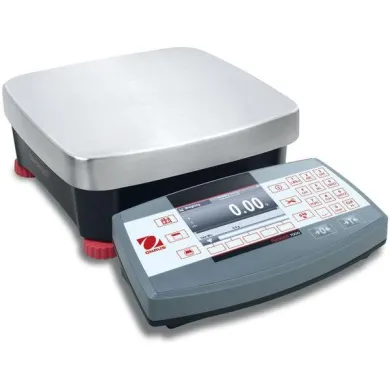
Ohaus Navigator NVT2200
- Category
- Industrial scales accessories
- Brand
- Ohaus
- Suppliers
- 1 verified
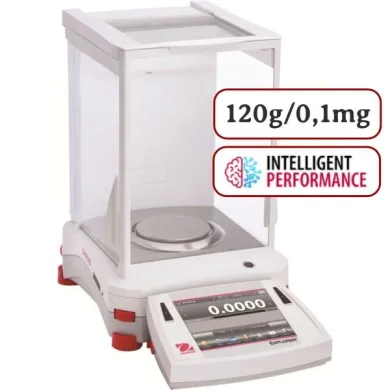
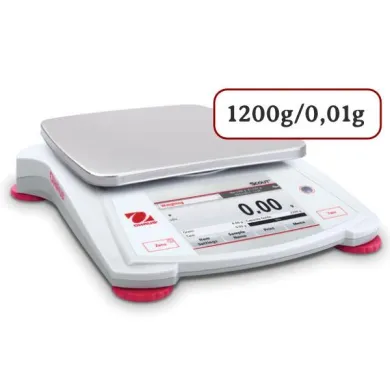
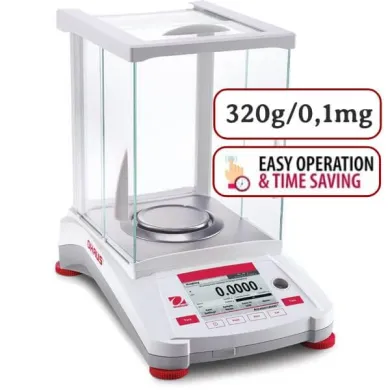
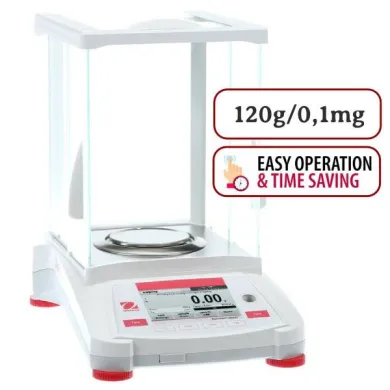
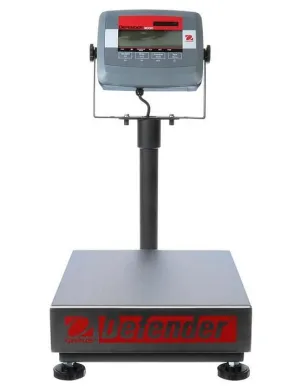
Not the exact instrument you need?
Tell our scientists what you are after. We track it down, including off-market supply.
Showing 1–40 of 108 listings
Show 40 more listingsBuying guide
Readability settles most weighing purchases before any other specification. A weighing module or balance resolves to a fixed smallest increment, and that figure has to match the lightest mass you intend to read, not the heaviest. An analytical unit reading to 0.1 mg suits sample weighing in gravimetric analysis; a precision unit reading to 0.01 g or 0.1 g covers formulation and bulk work where the extra decimals add cost without use. Capacity and readability trade against each other, so a module chosen for a wide weighing range gives up resolution at the low end, and one chosen for fine resolution tops out early. Decide the smallest mass first, then confirm the capacity reaches your largest sample, and the field of candidates narrows quickly.
Condition carries more weight on a used weighing unit than on most laboratory equipment, because the load cell is the part that ages and the part a datasheet cannot describe. A used balance that has been overloaded, knocked, or stored badly can read within tolerance on a nominal check and still drift under working conditions. Verify that the unit holds calibration against a known reference mass, that internal calibration, where fitted, still functions, and that the draft shield and pan on an analytical model are intact. A unit sold with recent calibration documentation removes most of that uncertainty; one sold as-is leaves it to you to confirm.
The listed range here is wide, from EUR 58 at the accessory and simple-scale end to EUR 23.662 for high-capacity or high-readability laboratory instruments, with an average around EUR 3.305. Where that figure sits for a given unit depends mainly on readability and capacity, and on whether the unit is a bare weighing module or a complete instrument with housing, display, and calibration weights. For a buyer working to a budget, the used and refurbished units listed for sale are more affordable than equivalent new instruments, and the brands occupying the band are familiar: Radwag, Ohaus, OHAUS, A&D, Mettler Toledo account for most of what is available, which makes a model easy to compare across suppliers and keeps replacement parts and reference masses straightforward to source. What a unit costs tracks closely with what it can resolve, so matching readability to the real task is also the surest way to avoid overpaying.
Types of Weighing Modules
Which weighing types are listed in this category?
Among the listings that specify a type, the catalogue spans analytical balance, precision balance, laboratory scale, industrial scale, weighing module, laboratory balance. These divide along readability more than anything else. An analytical balance resolves to 0.1 mg or finer and sits inside a draft shield, which makes it the instrument for sample weighing in gravimetric analysis, reagent preparation, and quantitative work across molecular biology and microbiology. A precision balance trades that resolution for a wider capacity and an open pan, suited to formulation, buffer preparation, and general bench use. Laboratory scales and industrial scales extend the range further up: higher capacities, coarser readability, and robust platforms for receiving, batching, and process weighing. A weighing module, the unit the category is named for, is the load cell and electronics without a finished housing, specified when the weighing function is built into another instrument or a production line.
Several of these types feed directly into life-science workflows. Analytical balances carry out the gravimetric analysis behind standard and calibrant preparation in genomics and proteomics labs, and the sub-milligram weighing of reagents for cell culture media and immunoassay buffers. Precision balances handle the larger masses in protein purification and electrophoresis buffer preparation. The analytical balance for cell culture media preparation and the precision balance for buffer formulation are the forms these instruments take in a biomanufacturing or molecular diagnostics setting, where a traceable mass underpins every downstream result.
The brands behind the weighing-module listings
Radwag, Ohaus, OHAUS, A&D, Mettler Toledo are the makers that recur most across the listings. Their presence matters to a buyer in practical terms: these are established balance manufacturers, so calibration weights, draft shields, pans, and service references are widely available, and a given model can be compared across several of the 7 verified suppliers and distributors rather than existing as a single orphaned unit. That depth of availability tends to hold prices in a predictable band and makes a used purchase less of a gamble, because reference specifications and replacement parts for these lines are easy to locate.
What a used weighing unit costs here
The catalogue runs from EUR 58 to EUR 23.662, averaging around EUR 3.305, and that spread covers everything from a bare module or simple scale to a high-readability analytical instrument. New and used units both appear; 8 percent of the listings are used. The listings reach across 5 countries, so a buyer comparing on price can usually find the same class of instrument at more than one point along that range.
Frequently asked questions
What is a weighing module?
A weighing module is an integrated weighing unit built around a load cell and signal-processing electronics, designed to be fitted into a larger instrument, production line, or custom enclosure rather than used as a standalone bench device. On Questpair this category also gathers finished instruments built on the same technology, so analytical balances, precision balances, and laboratory and industrial scales appear alongside the modules themselves.
What does weighing module mean?
In the strict sense it means the load-cell-and-electronics core sold for integration into a skid, filling system, or custom rig, with no display or housing of its own. The term is used more broadly on this page to group the finished balances and scales that share that core technology.
How do weighing modules work?
A load cell converts the force of the applied mass into an electrical signal, and the module's electronics process and digitise that signal into a weight reading. In an integrated setup the module passes that reading to a host system rather than showing it on its own display.
What types of weighing instruments are there?
The listings here specify analytical balances, precision balances, laboratory scales, industrial scales, weighing modules, and laboratory balances as the broader term. They differ mainly in readability and capacity, from an analytical balance resolving to 0.1 mg inside a draught shield to an industrial scale handling bulk loads on the floor.
What are weighing modules used for?
Integrated weighing modules feed gravimetric control loops in bioprocessing skids, filling systems, and custom rigs where a bench instrument would not fit. The finished balances in this category cover gravimetric analysis, reference-standard preparation, buffer and media formulation, and general bench weighing.
How do I choose the right unit?
Fix the heaviest expected load first, then take the finest readability that capacity allows, since the two rarely coexist at their extremes in one unit. Readability has to match the sample: a 0.1 mg analytical balance will not qualify a reference standard, while a microbalance is wasted on reagent bulk weighing.
What is the difference between refurbished and used?
Both are offered below new pricing, and the practical difference shows in the condition and in what calibration documentation accompanies the listing. Check the individual listing for the stated condition and ask when the unit was last verified against known masses.
How much does a weighing module cost?
Listings run from EUR 58 to EUR 23.662, with an average around EUR 3.305. The spread reflects distinct tiers, from an entry laboratory scale to a qualified analytical balance with internal calibration and data output, so the band is best read as several tiers rather than one continuum.
Which brands are worth looking at?
The catalogue is led by Radwag, Ohaus, A&D, and Mettler Toledo. Their readability tiers and model families are documented and comparable, which makes matching a used unit against a current equivalent straightforward.
Can I get a warranty on a refurbished unit?
A warranty is often possible and is arranged in consultation for the specific listing. Check the listing you are interested in and raise the question before purchase.
Are parts available for these instruments?
Consumable parts such as draught shields, levelling feet, and calibration weights can be sourced via Questpair. The concentration of documented brands in this category helps, because the same part families recur across listings.
How long does a weighing module last?
The load cell itself rarely fails, which is why used units remain serviceable for years. What shortens usable life tends to be drift, a sticking draught shield, or a worn levelling foot, all of which show up as instability rather than an obvious fault.
Should I buy new or used?
Used and refurbished units are listed at lower prices than new equivalents across every tier, so a lab fitting out several benches can mix conditions across one order. Warranty on either is arranged in consultation for the specific listing, so compare individual listings rather than assuming a condition carries fixed terms.
Where can I buy a weighing module?
Stock on Questpair comes from 7 verified suppliers and distributors across 5 countries, totalling 113 listings. You can filter by type, readability, and condition to find a match.
What are the lead time and shipping like?
Lead time and shipping depend on the individual supplier and the unit's location across the 5 countries represented. The listing holds the specifics, and Questpair specialists respond within one hour if you need to confirm before ordering.
How are these balances calibrated and maintained?
Internal calibration applies a motorised reference weight the balance uses on itself, worth confirming on any precision or analytical instrument; the alternative is manual calibration against external class-E weights on a schedule the lab keeps. On a used listing, ask what calibration certificate accompanies the unit and when it was last verified, since an instrument without a recent certificate needs recalibration before any regulated weighing.
Which types are listed most and who reaches for each?
Analytical balances, precision balances, and laboratory and industrial scales all recur, with weighing modules listed for integration work. Labs doing gravimetric analysis and reference-standard preparation reach for analytical balances, formulation and buffer work uses precision balances, general bench weighing uses laboratory scales, and bioprocessing teams specify integrated modules for gravimetric control loops.
Which brands dominate this category and what does that mean for me?
Radwag, Ohaus, A&D, and Mettler Toledo lead the listings. That concentration means price-per-readability is easy to benchmark across grades, and consumable parts stay available because the same model families recur at each condition tier.
What separates the cheapest listings from the most expensive?
At the bottom sit entry-level laboratory scales for routine bench work where milligram resolution is not needed. At the top sit qualified analytical balances with internal calibration and GLP data output, where readability, calibration standard, and documentation carry the value.