

Balances Calibration
We personally find you the right used, refurbished and new balances calibration instruments & equipment from verified suppliers.
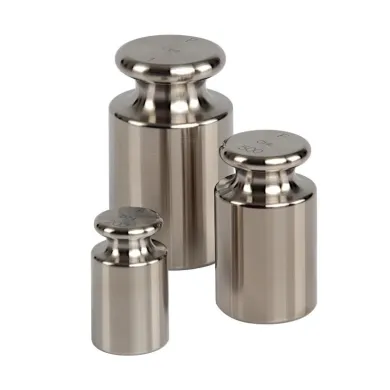
Balances calibration equipment is the set of reference weights, mass standards and verification tools used to check and adjust the accuracy of laboratory balances and scales. A calibrated balance reads a known load correctly, and that assurance rests on a traceable reference mass rather than on the instrument alone. The Questpair catalogue holds 752 listings in this category from 8 verified suppliers and distributors across 4 countries. New, used and refurbished units are all listed. Among the current listings, 22 percent are used. Prices range from EUR 10 to EUR 81.727, which spans a single OIML class weight to a complete calibration weight set.
Updated:
Balances Calibration product list


Not the exact instrument you need?
Tell our scientists what you are after. We track it down, including off-market supply.
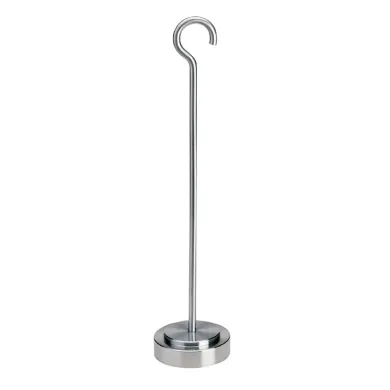
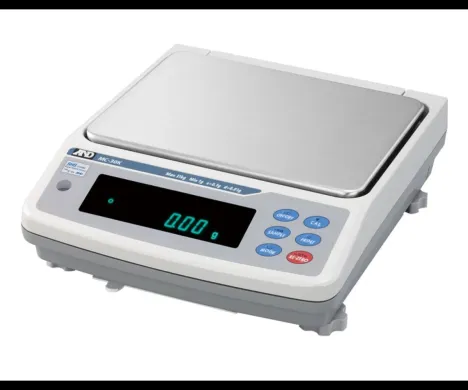
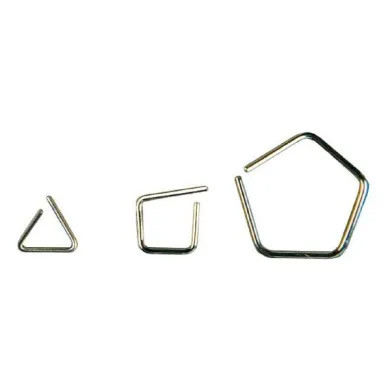
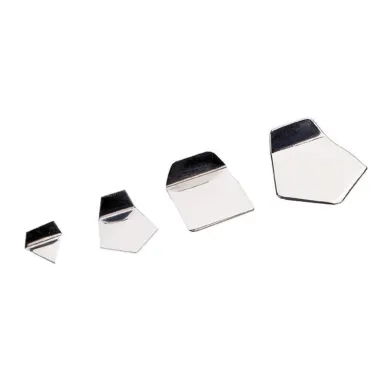
Not the exact instrument you need?
Tell our scientists what you are after. We track it down, including off-market supply.
Showing 1–40 of 680 listings
Show 40 more listingsBuying guide
The accuracy class of a reference mass settles almost every other decision here, so start there. Calibration weights are graded under OIML R111 into classes from E1, the most accurate, down through E2, F1, F2 and the M grades, and the class a buyer needs is fixed by the resolution of the balance being checked. A semi-micro balance reading to five decimal places demands an E1 or E2 weight; a bench scale rounding to the gram is served by an F2 or an M1. Buying above the required class wastes money on tolerances the balance cannot resolve, and buying below it leaves the calibration unverifiable. The readability of the target balance, in short, dictates the class, the material and the price band in one step.
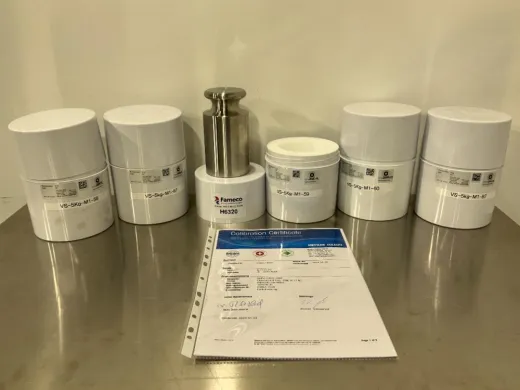
Verification matters more on calibration equipment than on most laboratory instruments, because a reference mass is only as good as its traceability. A used weight set should arrive with a calibration certificate that traces to a national metrology institute, and that certificate carries a date. Mass drifts with handling, surface wear and contamination, so a certificate several years old tells a buyer the weight needs recalibration before it can serve as a reference again. Check the material too: stainless steel is standard for the higher classes, while cast iron appears in the heavier M grades, and a scratched or corroded surface disqualifies a weight whatever its original class. Where a listing does not state the certificate status, that is the first question to put to the seller, and warranty on a used set is arranged in consultation for the specific listing.
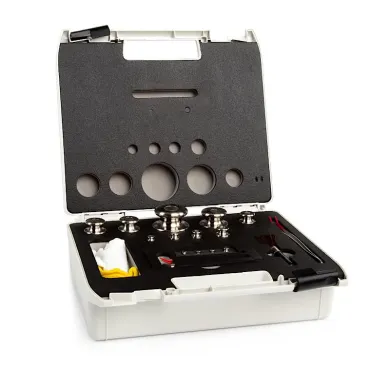
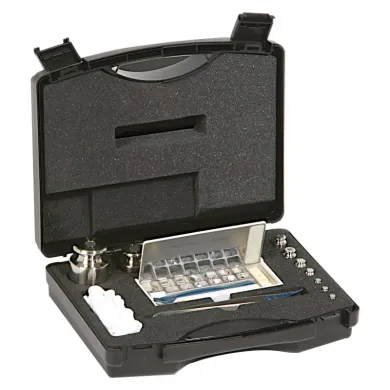
Price tracks class and mass directly. A single small OIML weight costs very little, while a full E1 set covering milligrams to kilograms in a fitted case reaches the top of the range. For a buyer working to a budget, the used portion of the catalogue is where the saving sits: used and refurbished sets are listed below new. Across the listings the average sits at EUR 3.004, and the names that recur are Radwag, Troemner, Mettler Toledo, METTLER TOLEDO, Troemner, Inc., manufacturers whose weight sets are widely documented and straightforward to match against a certificate. Their presence means a buyer can compare a used set for sale against a current new equivalent and judge what the certificate and the condition are worth.
Types of Balances Calibration
Mass standards
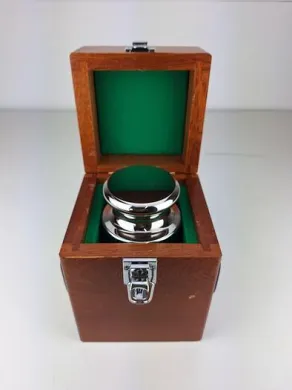
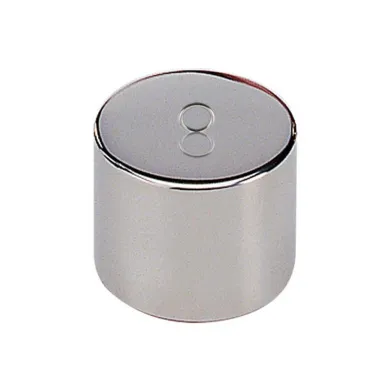
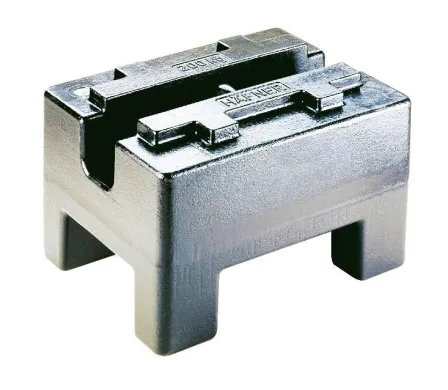
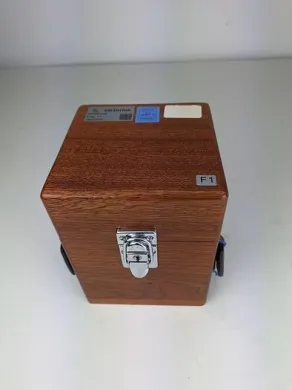
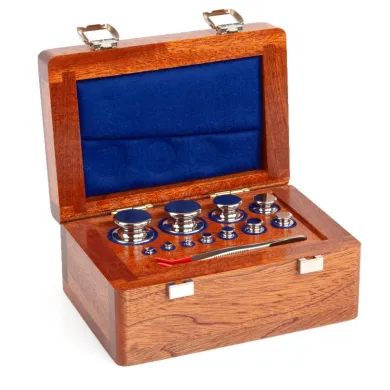
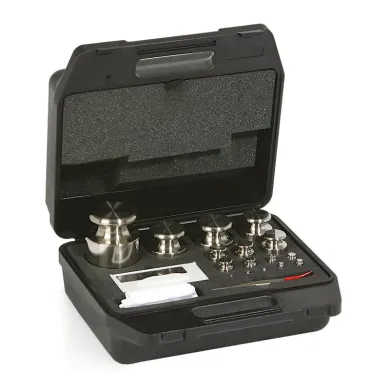
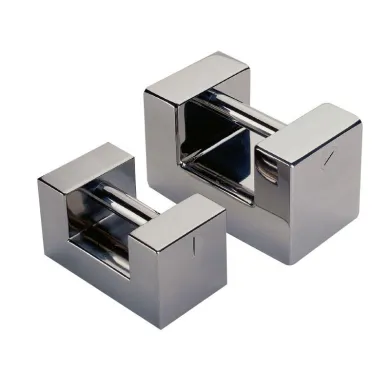
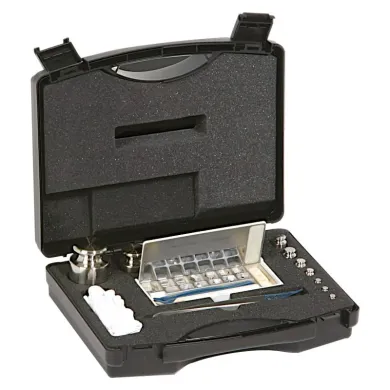
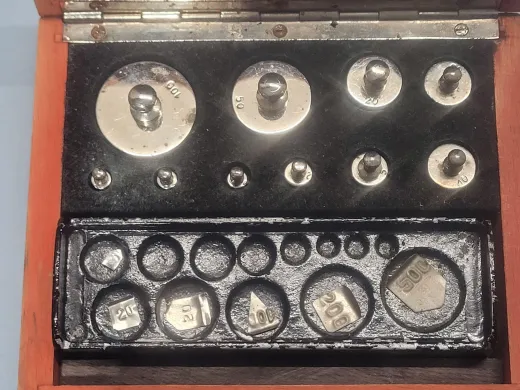
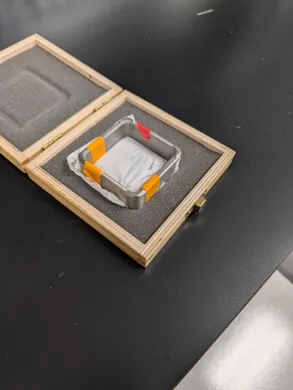
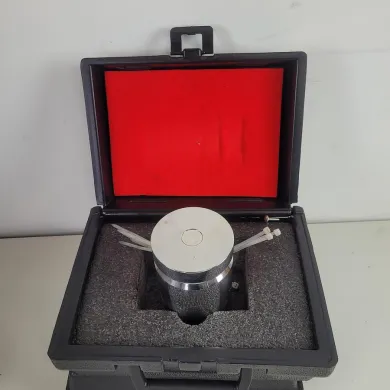
Mass standards are the physical reference weights against which a laboratory balance is calibrated, manufactured to a defined tolerance and supplied with a certificate that ties their value to a national standard. They are the core of this category and the largest group within it, covering individual weights and fitted sets from the milligram range to several kilograms. What separates one mass standard from another is its OIML accuracy class and its material: an E1 stainless steel weight carries a far tighter tolerance than an M1 cast iron block, and the choice follows the balance it will verify. Metrology laboratories and calibration services reach for the E and F classes to check analytical and precision balances, where gravimetric analysis depends on a trusted reference; production and goods-inward areas use the M grades for coarser scales. Mass standards also underpin quality control weighing across pharmaceutical biomanufacturing and cell culture media preparation, where a batch record is only as sound as the calibrated balance behind it, so a documented, in-date reference weight is a routine requirement rather than an optional check.
Frequently asked questions
What is balances calibration equipment?
It is the set of reference weights, mass standards and verification tools used to check and adjust the accuracy of laboratory balances and scales. A calibrated balance reads a known load correctly, and that assurance comes from a traceable reference mass with a certificate.
What does balances calibration mean?
It means confirming that a balance reads a known load correctly, and adjusting it where it does not, against a reference weight whose value traces back to a national standard. The process ties the instrument's reading to a documented, trusted mass rather than to the instrument alone.
How does balances calibration work?
A reference weight of a known value and defined tolerance is placed on the balance, and the reading is compared against that known value. If the reading falls outside the balance's permitted error, the balance is adjusted, and the certificate on the weight documents that its value is traceable to a national metrology institute.
What types of balances calibration equipment are there?
The listings cover calibration weights, mass standards, precision weights, laboratory weights, metrology equipment and individual calibration weights. These range from single OIML class weights to fitted sets spanning the milligram range to several kilograms.
What is balances calibration equipment used for?
It verifies and adjusts the accuracy of analytical, precision and bench balances so that weighing results can be trusted. It underpins gravimetric analysis in metrology labs and quality control weighing in areas such as pharmaceutical biomanufacturing and cell culture media preparation, where a batch record depends on a calibrated balance.
How do I choose the right calibration weight?
Start with the OIML accuracy class, which is fixed by the readability of the balance you are checking: a semi-micro balance reading to five decimal places needs an E1 or E2 weight, while a bench scale rounding to the gram is served by an F2 or M1. Buying above the required class spends money on tolerances the balance cannot resolve, and buying below it leaves the calibration unverifiable.
What is the difference between the OIML classes?
OIML R111 grades weights from E1, the tightest tolerance, through E2, F1, F2 and the M grades. E and F classes serve analytical and precision balances in metrology and calibration work, while the M grades suit coarser production and goods-inward scales.
Refurbished versus used, what is the difference?
Both are listed below new in this category, and the practical question for a reference mass is the same for either: the date and traceability of its calibration certificate. Mass drifts with handling, wear and contamination, so check the certificate status of the specific listing regardless of how it is labelled.
How much does a calibration weight cost?
Prices in this category range from EUR 10 to EUR 81.727, with the average at EUR 3.004. A single small OIML weight sits at the low end, while a full E1 set covering milligrams to kilograms in a fitted case reaches the top.
Which brands come up most in this category?
The names that recur are Radwag, Troemner and Mettler Toledo. Their weight sets are widely documented, which makes a used set straightforward to match against its certificate and to compare with a current new equivalent.
Is there a warranty on a refurbished calibration weight set?
A warranty is often possible and is arranged in consultation for the specific listing. For reference weights, the certificate date and traceability matter more than warranty, since the usable life of the calibration depends on when the weight was last verified.
Can I get parts for calibration equipment?
Parts can be sourced via Questpair. For weight sets, a missing or damaged individual weight or a replacement case is the usual request, and a scratched or corroded weight disqualifies that piece whatever its original class.
How long does a calibration weight last?
A weight itself can last for years with careful handling, but its value as a reference expires between recalibrations. Mass drifts with surface wear and contamination, so a weight needs periodic recertification to stay usable as a reference whatever its physical age.
New versus refurbished, which should I buy?
Used and refurbished sets are listed at lower prices than new, which is where the saving sits for a budget-limited buyer. The deciding factor is the calibration certificate on the specific listing: a current, traceable certificate makes a used set usable, while an old one means recertification before the weight can serve as a reference.
Where can I buy calibration weights?
The Questpair catalogue holds 752 listings in this category from 8 verified suppliers and distributors across 4 countries. New, used and refurbished units are all listed.
What are the lead time and shipping like?
Lead time and shipping depend on the individual seller and the origin country, since listings come from suppliers across 4 countries. The specific listing states its own terms, and Questpair specialists respond within one hour to questions about a particular item.
How do I handle calibration and maintenance of a reference weight?
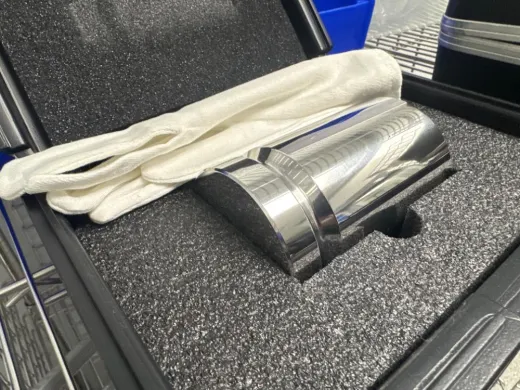
A reference weight must itself be recalibrated periodically against a higher-class standard, and its certificate carries the date that defines when. Keep weights clean and handle them with gloves or tweezers rather than bare hands, since skin contamination and scratches shift the mass. Questpair does not offer servicing.
Which types in this category are listed most, and who reaches for which?
Mass standards are the largest group, covering individual weights and fitted sets. Metrology labs and calibration services reach for the E and F classes to check analytical and precision balances, while production and goods-inward areas use the M grades for coarser scales.
What separates the cheapest listings from the most expensive?
Price tracks accuracy class and mass directly. A single small M or F weight sits at the bottom of the band, while a full E1 set covering milligrams to kilograms in a fitted case, built to the tightest tolerance, reaches the top.