

Mass Standards
We personally find you the right used, refurbished and new mass standards instruments & equipment from verified suppliers.
Mass standards are certified reference weights used to calibrate and verify the accuracy of laboratory balances and scales. Each standard carries a known mass traceable to a national metrology institute, with a tolerance class defined by OIML or ASTM that states how far the true value may deviate from the nominal one. The Questpair catalogue lists 752 mass standards from 8 verified suppliers and distributors across 4 countries, in new, used and refurbished condition. Among the current listings, 22 percent are used. They range from single milligram weights to large cast calibration weights, so the price spread is wide.
Updated:
Mass Standards product list


Not the exact instrument you need?
Tell our scientists what you are after. We track it down, including off-market supply.
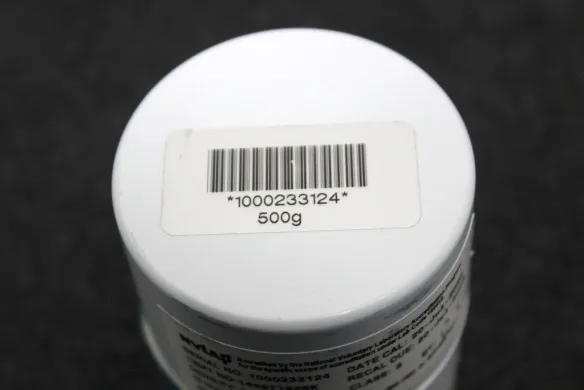
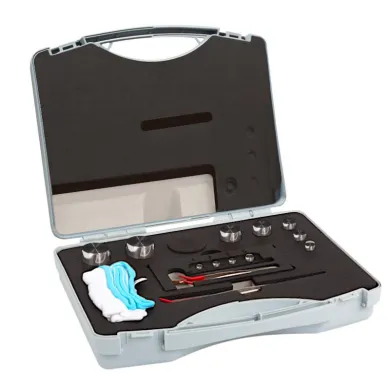
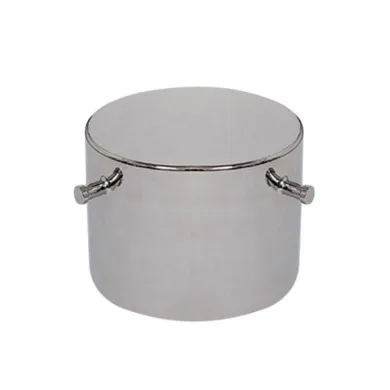
Not the exact instrument you need?
Tell our scientists what you are after. We track it down, including off-market supply.
Showing 1–40 of 680 listings
Show 40 more listingsBuying guide
The tolerance class that governs the purchase
What settles a mass standard purchase before anything else is the tolerance class, because it fixes how precise the weight is and therefore what it may be used to calibrate. A standard can only verify a balance less accurate than itself, so the class has to be read against the readability of the instrument it will serve. OIML classes run from E1, the tightest, through E2, F1, F2, M1 and down to the coarse M grades; ASTM uses Class 0 through Class 7 for a similar span. An analytical balance reading to 0.1 mg needs an E2 or better; a shipping scale is served by an M1. Buying tighter than the application requires wastes money, since each class step up multiplies the cost, while buying looser than required means the standard cannot certify the instrument at all.
Traceability is the second thing to verify, and on a used weight it matters more than the metal itself. A mass standard is only worth its class while its calibration certificate is current, and certificates lapse, typically on a one to three year cycle depending on the class and the quality system behind the lab. A used standard listed without a recent certificate is bought as an uncalibrated blank that must be recalibrated before it can certify anything, so the recalibration cost belongs in the budget from the start. Check too whether the weight has been handled with gloves or tweezers over its life, since skin oils and scratches shift the mass of the finest grades measurably. For stainless steel standards, surface condition and any sign of corrosion are the visible proxies for whether the stated class still holds.
Price depends almost entirely on class and nominal mass, and the two push in opposite directions. A single E1 milligram weight and a 20 kilogram M1 block can cost the same, one for its precision and the other for its material. Across the catalogue prices run from EUR 10 to EUR 81.727, with an average around EUR 3.004. That range covers everything from individual weights to full cased sets. The brands that fill the band are Radwag, Troemner, Mettler Toledo, METTLER TOLEDO, Troemner, Inc., names whose certificates are widely recognised by accreditation bodies, which matters when an audit reviews the calibration chain. A certified set from a recognised maker is more affordable used than new, and for buyers watching a budget a used set with a valid certificate is often the sensible buy; a used standard whose certificate has lapsed is cheaper still but carries the recalibration cost. When weighing a used weight against a new one, the difference the listing can promise is price, so read the individual listing for its certificate status and arrange any warranty in consultation.
Types of Mass Standards
Which mass standard types are listed?
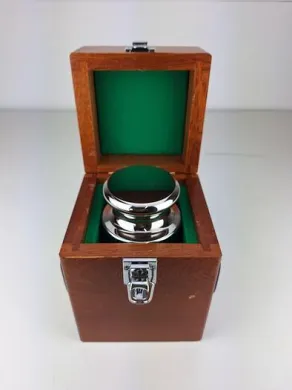
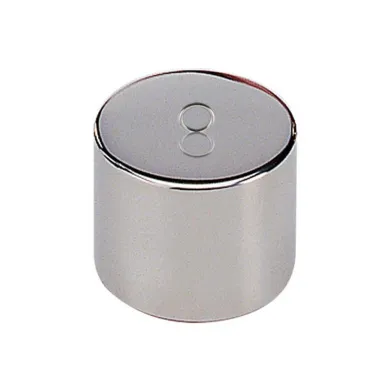
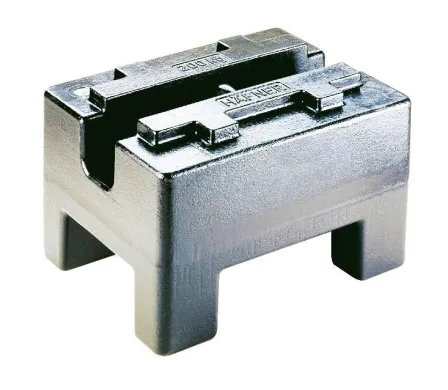
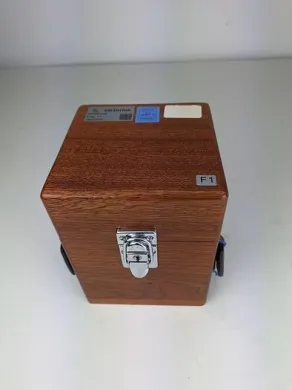
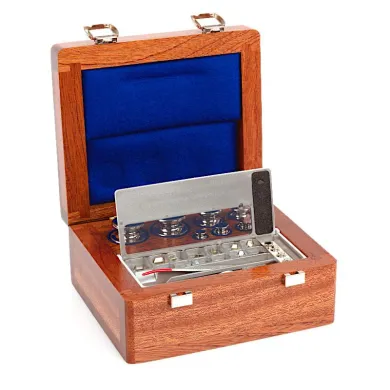
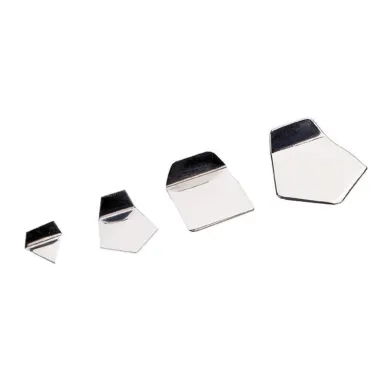
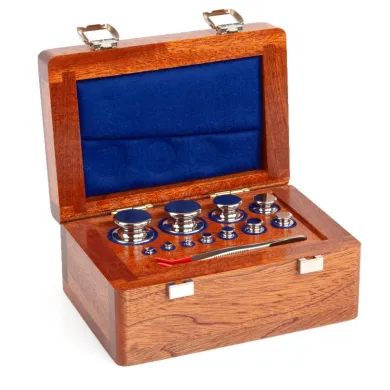
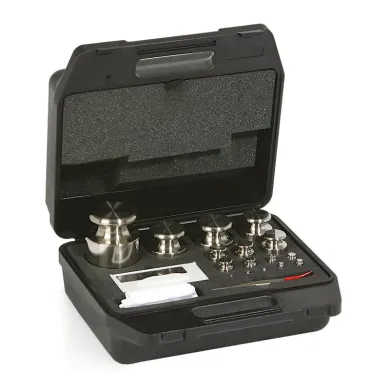
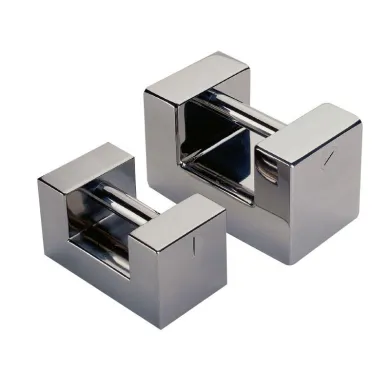
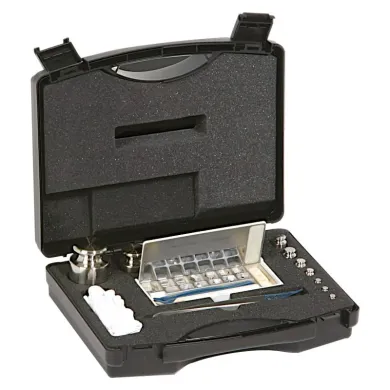
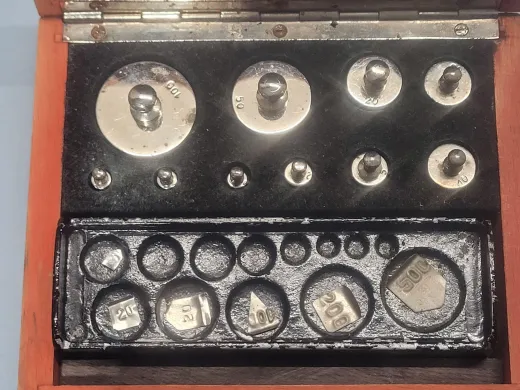
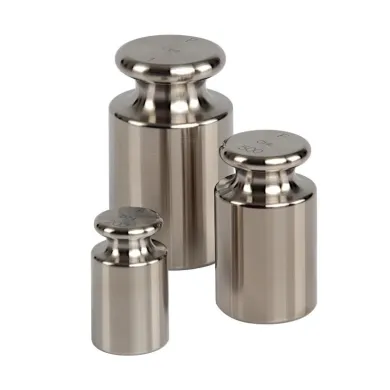
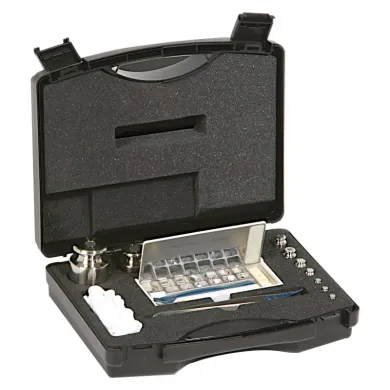
Among the listings that specify a type, the catalogue divides along two lines: the precision grade and the physical form. Individual calibration weights make up the bulk, sold as single pieces from a few milligrams up to multi-kilogram blocks, each with its own class and certificate. Cased weight sets group a graduated series of weights in a fitted box, which is what a calibration lab reaches for when it needs to span a balance's full range in one purchase. Precision weights and laboratory weights describe the finer end of that span, the E and F class pieces that verify analytical and semi-micro balances used in gravimetric analysis and quantitative chemistry. The coarser end, listed as metrology equipment and larger calibration weights, serves industrial scales and bulk weighing. The distinction a buyer draws between them is always the OIML or ASTM class, since that number decides which instrument a given weight is allowed to certify.
The brands behind the mass standard listings
The names that dominate the listings are Radwag, Troemner, Mettler Toledo, METTLER TOLEDO, Troemner, Inc.. For a buyer this presence matters in three practical ways. Certificates from these makers are recognised by accreditation bodies, so a standard from one of them slots into a documented calibration chain without question during an audit. Their weights are made to published class specifications, which means a model can be compared directly against another of the same class rather than taken on trust. And because these are established lines, individual pieces within a cased set can usually be matched or replaced, which protects the value of a set over its working life.
What a used mass standard costs here
The condition mix is weighted toward new stock: 22 percent of the listings are used. Prices across the catalogue run from EUR 10 to EUR 81.727, averaging around EUR 3.004. That spread is not a precision gap but a mass and class one, a milligram E1 weight and a heavy M-class block sitting at opposite ends for entirely different reasons. A used set listed with a current certificate behaves like a new one for calibration purposes and costs less; a used weight without a valid certificate sits lower again but must be recalibrated before it can be relied on. Parts and matched replacement weights for a set can be sourced via Questpair, and warranty on a given listing is arranged in consultation.
Frequently asked questions
What is a mass standard?
A mass standard is a certified reference weight used to calibrate and verify the accuracy of balances and scales across a known range of nominal values. Each weight carries a defined tolerance tied to an OIML or ASTM accuracy class.
What does mass standard mean?
The term refers to a weight whose mass is known and certified to a specific accuracy class, so it can serve as the reference against which an instrument or another weight is checked. The accuracy class, not the material or appearance, defines where the weight can be used.
How do mass standards work?
A weight of known mass is placed on a balance or scale, and the instrument's reading is compared against the certified value within the weight's tolerance. If the reading falls outside the allowed deviation, the instrument is adjusted or flagged as out of tolerance.
What types of mass standards are there?
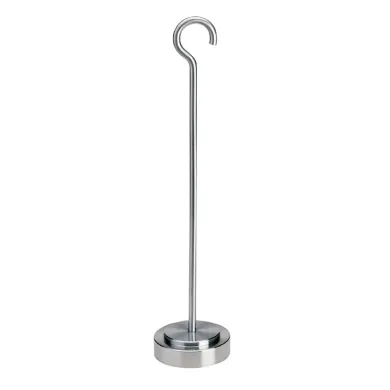
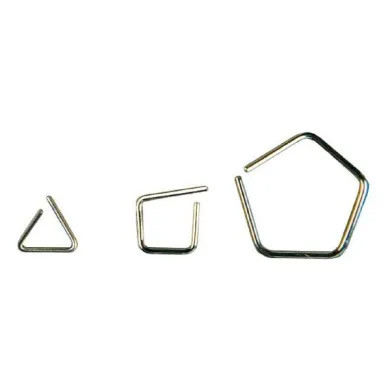
The listings include calibration weights, mass standards, precision weights, laboratory weights, calibration weight and metrology equipment. The differences are mainly accuracy class and intended use, with metrology equipment covering handling items like forceps, lifting tools and storage cases.
What are mass standards used for?
They are used to calibrate and verify balances and scales, and higher-class pieces calibrate the working weights rather than the instruments directly. The underlying work includes gravimetric analysis, pharmaceutical quality control, and analytical weighing in molecular biology and microbiology.
How do I choose the right mass standard?
Start with the accuracy class your instrument requires: an OIML class E weight suits sensitive analytical and semi-micro balances, while F or M class pieces are for industrial scales. A class is not interchangeable, so matching the class to the balance matters more than any other factor.
What is the difference between refurbished and used mass standards?
Both are listed below new prices, and the practical distinction is condition and whether a current calibration certificate accompanies the weight. For either, a recalibration certificate can be obtained separately to restore traceability.
How much does a mass standard cost?
Prices in the catalogue range from EUR 10 to EUR 81.727, with an average of EUR 3.004. The low end covers a single low-class weight, while the high end reflects a complete high-class OIML set in a case.
Which brands make mass standards?
The listings are dominated by Radwag, Troemner, Mettler Toledo, METTLER TOLEDO and Troemner, Inc. Radwag and Mettler Toledo also make balances, so their weights pair with their instruments, while Troemner is a specialist weight and density-standard maker.
Is there a warranty on a refurbished mass standard?
A warranty is often possible and is arranged in consultation for the specific listing. Because a weight's traceability depends on its calibration certificate, confirm the certificate status separately from any warranty terms.
Can I get replacement pieces for a graded set?
Parts and individual replacement weights for graded sets can be sourced via Questpair. This matters when one weight in a case is lost or damaged and the full set would otherwise need replacing.
How long does a mass standard last?
A weight's working life depends on how well it is protected from wear, scratches and fingerprint contamination, all of which shift its mass over time. Handling with forceps, correct storage and periodic recalibration keep a standard within its class tolerance for years.
Should I buy new or used?
Used and refurbished weights are listed at lower prices than new, which suits a budget where a recalibration certificate can be obtained separately. For either condition, check the individual listing and arrange any warranty in consultation.
Where can I buy mass standards?
The Questpair catalogue lists 752 mass standards from 8 verified suppliers and distributors across 4 countries, in new, used and refurbished condition. You can compare individual pieces and full sets across those listings.
What is the lead time and shipping on a mass standard?
Lead time and shipping depend on the specific listing, its condition and the supplier's location across the 4 countries represented. For a concrete timeframe, contact Questpair and specialists respond within 1 hour.
How do I handle calibration and maintenance of a mass standard?
Traceability rests on periodic recalibration against a higher-class reference, documented with a certificate tied back to a national standard. Between calibrations, handle weights with forceps, avoid bare-hand contact, and store them in their case to prevent mass drift.
Which weight types are listed most and who reaches for which?
Calibration weights and precision weights are the everyday working standards a laboratory uses between service intervals, while mass standards proper sit a tier up as reference pieces held to tighter tolerances. Laboratory weights is the broadest term for ordinary bench-level pieces bought in quantity, and metrology equipment covers the handling and storage items a calibration workflow needs.
Which brands dominate this category and what does that mean for a buyer?
Radwag, Troemner, Mettler Toledo, METTLER TOLEDO and Troemner, Inc. dominate the listings. Their calibration certificates and accuracy-class markings are widely recognised, which makes a used weight from one of them straightforward to verify and to match against an existing set.
What separates the cheapest mass standards from the most expensive?
The bottom of the band is a single low-class weight for a teaching scale or a working balance, where the tolerance is wide and the piece stands alone. The top is a complete high-class OIML set, graded across many nominal values in a fitted case, where tighter tolerances and the number of pieces drive the price from EUR 10 toward EUR 81.727.