

Air velocity and flow equipment
We personally find you the right used, refurbished and new air velocity and flow equipment from verified suppliers.
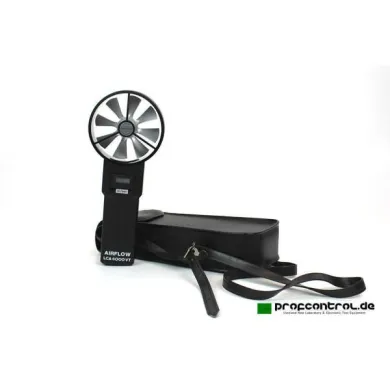
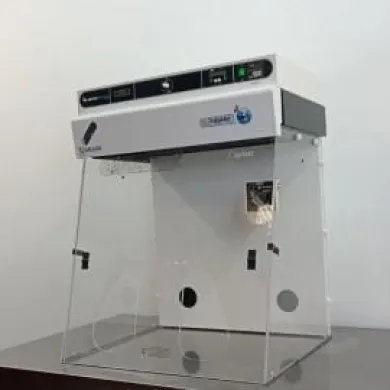
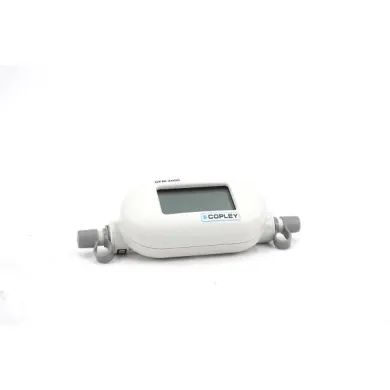
Air velocity and flow equipment are instruments that measure the movement, speed and particle content of air in controlled environments. On Questpair, 356 listings are available from 14 verified suppliers and distributors across 9 countries, spanning new, used and refurbished laboratory units. Of these, 83 percent are used, the remainder new. The category covers airborne particle counters, environmental monitoring instruments and laboratory air terminals, the devices that verify airflow in cleanrooms, fume hoods and sterile workspaces. Prices run from EUR 12 to EUR 25.827, a spread that reflects the gap between a handheld anemometer and a laser-based counting system built for pharmaceutical validation.
Updated:
Air velocity and flow equipment product list


Not the exact instrument you need?
Tell our scientists what you are after. We track it down, including off-market supply.
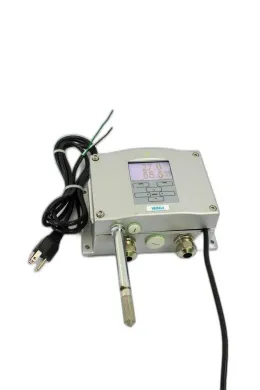
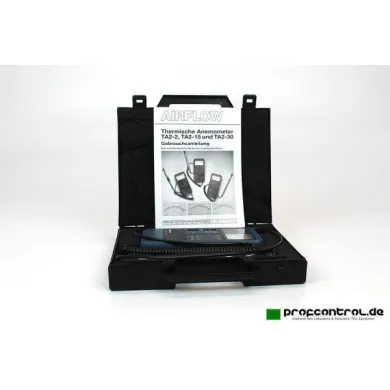
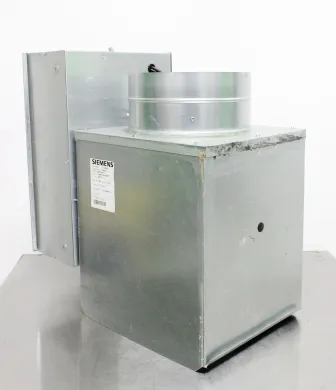
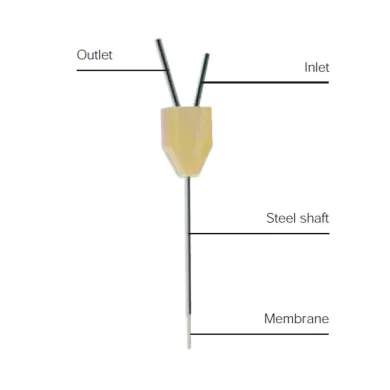
Not the exact instrument you need?
Tell our scientists what you are after. We track it down, including off-market supply.
Showing 1–40 of 214 listings
Show 40 more listingsBuying guide
The number that settles the purchase is the particle size a counter can resolve and the flow rate it samples. A unit rated to count particles down to 0.3 micrometres at a sample rate of 28.3 litres per minute does cleanroom classification work that a coarser instrument cannot, and matching that rating to the ISO class a facility has to certify is the first decision. Everything else follows from it. An instrument bought for monitoring a Class 7 room is over-specified for a workshop and under-specified for aseptic filling, so the rating a buyer needs comes from the environment, not from the datasheet with the longest list of features.
Calibration is the second thing, and on a used counter it matters more than on almost any other laboratory instrument, because a particle counter that has drifted out of tolerance reports clean air that is not clean. A used listing should carry a recent calibration certificate, or a buyer should budget for recalibration before the unit goes into service. The pump, the optics and the laser diode are the parts that degrade with run hours, so ask what the instrument did in its previous life: a counter retired from continuous facility monitoring has more wear than one used for periodic spot checks. Where a listing does not state its calibration history, parts and recalibration can be sourced via Questpair.
Price divides along the same line the specification does. What a basic airflow meter costs sits near the bottom of the range, while a validated laser particle counter with data logging sits near the top. For a laboratory working to a fixed budget, the used side of the catalogue is where the affordable instruments are: refurbished counters listed for sale run below new pricing, and the brands that occupy the mid-band, Climet, Vaisala and the environmental monitoring lines, hold their value because parts stay available. The average listing sits well below the ceiling, which tells you the catalogue is weighted toward portable and benchtop units rather than full facility systems.
Types of Air velocity and flow equipment
Which air flow instrument types are listed?
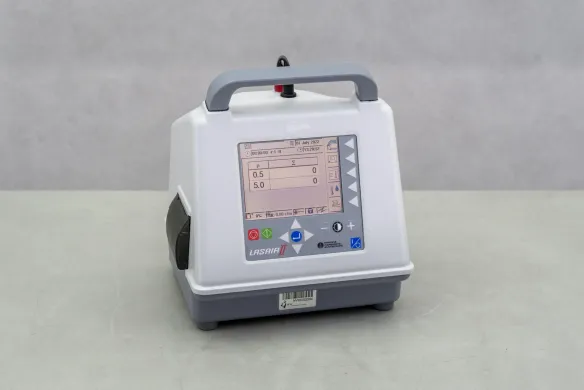
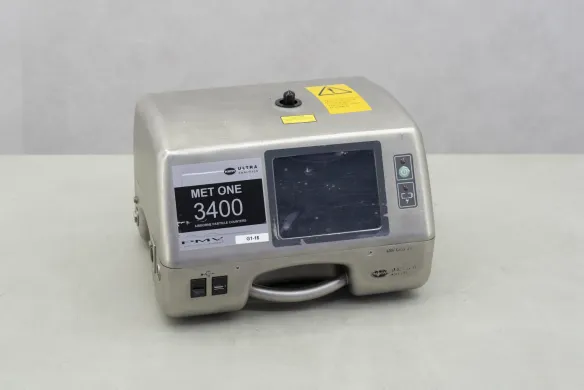
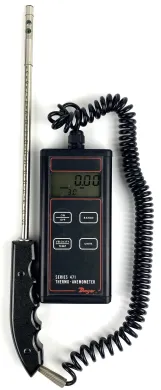
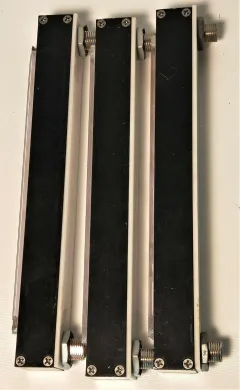
Among the listings that specify a type, the catalogue divides into a few recognisable groups. Airborne particle counters and laser particle counters are the largest, instruments that draw a measured volume of air past a light source and count the particles that scatter it; the laser models reach smaller sizes and feed cleanroom classification and contamination control. Portable particle counters are the handheld versions of the same technology, carried from room to room for spot checks rather than fixed to a wall. Environmental monitoring instruments and devices are the broader group, logging temperature, humidity, pressure and airflow over time, the work that underpins cleanroom validation and stability studies. Laboratory air terminals sit apart from the counters: these are the supply and extract fittings that deliver filtered air into a controlled space, the hardware the counters exist to verify.
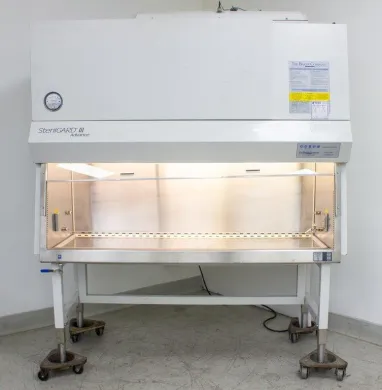
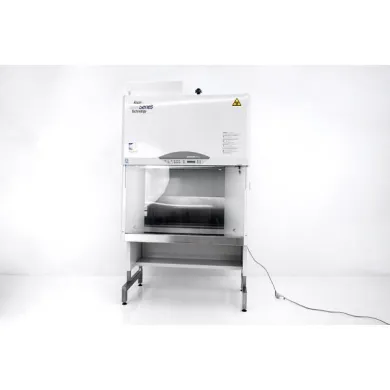
This equipment does real work in biotechnology and life sciences. Particle counters are the instruments behind cleanroom certification for cell culture suites, aseptic filling lines and biomanufacturing facilities, where airborne contamination decides whether a batch passes. Environmental monitoring systems run continuously in the rooms where molecular diagnostics assays and protein purification are performed, because a drift in humidity or a loss of airflow invalidates the result. The handheld counters are the tools an operator uses for cleanroom monitoring in genomics and proteomics laboratories, walking a defined sampling route to confirm the room holds its class between validations.
The brands behind the air flow listings
The names that recur are Siemens, Climet, NuAire, Labconco, Vaisala. For a buyer, a concentrated brand field is useful: it means consumables, replacement pumps and calibration services are available for the common models, and that two listings from the same maker can be compared on specification rather than on faith. The environmental and particle-counting specialists in that list hold their resale value because their parts stay in circulation, while the broader instrumentation names bring the data-logging and facility-integration side. The brand pages carry what each company makes; here the point is that a familiar name shortens the comparison and keeps a used unit serviceable.
What a used air flow instrument costs here
The catalogue runs 83 percent used, with 297 used and 59 new units listed. Prices span from EUR 12 to EUR 25.827. That range covers both ends of the field, a simple handheld airflow meter at the bottom and a validated laser counting system with logging at the top, and the used majority is what pulls the average well below the ceiling.
Frequently asked questions
What is air velocity and flow equipment?
It is a group of instruments that measure how air moves in controlled spaces: its speed, its volume and the particles it carries. The category spans particle counters, environmental monitoring instruments and the air terminals that supply filtered air into cleanrooms, fume hoods and sterile workspaces.
What does air velocity and flow equipment mean in practice?
In practice it means the hardware that verifies whether a controlled environment is doing what it should: whether air is moving at the right speed, whether it holds its cleanroom class, and whether particle levels stay within limits. The measurements decide whether a room passes certification or a batch is valid.
How does air velocity and flow equipment work?
A particle counter draws a measured volume of air past a light source and counts the particles that scatter the light, with laser models resolving smaller sizes. Anemometers and airflow meters measure air speed directly, and environmental monitors log temperature, humidity, pressure and airflow over time.
What types of air flow instruments are there?
The main groups are airborne particle counters and laser particle counters, portable particle counters for spot checks, environmental monitoring instruments and devices for continuous logging, and laboratory air terminals that deliver filtered air into a space. The counters verify the air; the terminals supply it.
What is air velocity and flow equipment used for?
It is used for cleanroom certification, contamination control and environmental monitoring in biotechnology and life sciences. Particle counters certify cell culture suites and aseptic filling lines, while environmental monitors run continuously in rooms where molecular diagnostics and protein purification are performed.
How do I choose the right particle counter?
Start with the smallest particle size the counter resolves and the flow rate it samples, then match those to the ISO class your facility has to certify. A unit specified for a Class 7 room is under-specified for aseptic filling, so the environment sets the rating, not the longest feature list.
What is the difference between refurbished and used units?
Both are priced below new, which is the clear distinction. A refurbished unit has typically been checked and brought back to working condition, while a used unit is sold as it comes, so for either you should confirm the calibration history on the specific listing.
How much does air flow equipment cost?
Listings range from EUR 12 to EUR 25.827, with the average at EUR 1.441. The bottom of the range is a handheld airflow meter and the top is a validated laser counting system with logging, so the price follows the specification directly.
Which brands are available in this category?
The recurring names are Siemens, Climet, NuAire, Labconco and Vaisala. The particle-counting and environmental specialists cover measurement, while the broader instrumentation names bring data logging and facility integration.
Is there a warranty on a refurbished particle counter?
A warranty is often possible and is arranged in consultation for the specific listing. Because terms are set per listing rather than centrally, check the individual unit before buying.
Can I get parts for these instruments?
Parts can be sourced via Questpair. On counters the pump, optics and laser diode degrade with run hours, so these are the components most likely to need replacement over time.
How long do air flow instruments last?
Lifespan depends on run hours and how the instrument was used, since the pump, optics and laser diode wear with use. A counter retired from continuous facility monitoring has more wear than one used for periodic spot checks, which is worth asking about on a used listing.
Should I buy new or used?
Used and refurbished units are listed at lower prices than new, which is the main reason to consider them. Weigh the specific listing on its calibration history and condition, and remember warranty is arranged in consultation rather than being a fixed difference between new and used.
Where can I buy air velocity and flow equipment?
Questpair lists 356 units from 14 verified suppliers and distributors across 9 countries. The listings cover new, used and refurbished laboratory equipment.
What are the lead time and shipping like?
Lead time and shipping depend on the individual supplier and the unit's location across the 9 countries represented. The specific listing shows who holds the instrument, and Questpair specialists respond within one hour to questions about a particular unit.
How are these instruments calibrated and maintained?
A used particle counter should carry a recent calibration certificate, because a counter that has drifted out of tolerance reports clean air that is not clean; if the certificate is missing, budget for recalibration before use. Where a listing does not state its calibration history, parts and recalibration can be sourced via Questpair.
Which types in this category are listed most, and who uses which?
Airborne particle counters and laser particle counters are the largest group and feed cleanroom classification. Portable particle counters are the handheld tools an operator carries on a sampling route in genomics and proteomics labs, while environmental monitoring instruments run continuously where humidity or airflow drift would invalidate a result.
Which brands dominate this category and what does that mean for a buyer?
Siemens, Climet, NuAire, Labconco and Vaisala are the names that recur. A concentrated brand field means consumables, replacement pumps and calibration services stay available for the common models, and two listings from the same maker can be compared on specification rather than guesswork.
What separates the cheapest listings from the most expensive?
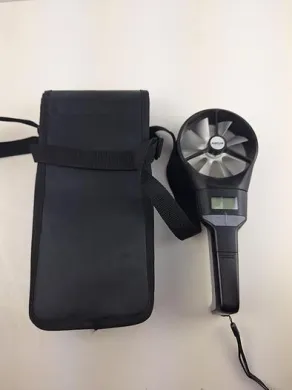
The bottom of the range is a basic handheld airflow meter that measures air speed and little else. The top is a validated laser particle counter with data logging built for pharmaceutical validation, resolving finer particle sizes and sampling at higher flow rates, which is what the price gap reflects.