

High voltage power supplies
We personally find you the right used, refurbished and new high voltage power supplies from verified suppliers.
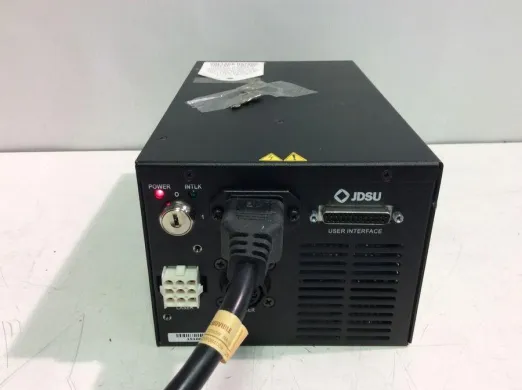
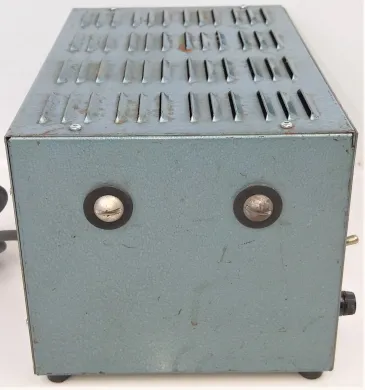
High voltage power supplies are instruments that deliver regulated electrical output, from a few volts to several kilovolts, to drive laboratory equipment and experiments. The Questpair catalogue holds 390 of them from 14 verified suppliers and distributors across 10 countries, listed new, used and refurbished. Of those, 96 percent are used. Prices run from EUR 1 to EUR 55.958, a span that reflects how far the term reaches: a small bench unit for teaching sits at one end, a sealed kilovolt source for electrophoresis or detector bias at the other. A laboratory buyer choosing among them starts not from the brand but from the voltage, current and regulation the application actually needs.
Updated:
High voltage power supplies product list


Not the exact instrument you need?
Tell our scientists what you are after. We track it down, including off-market supply.
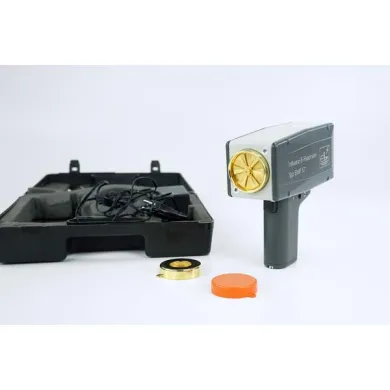
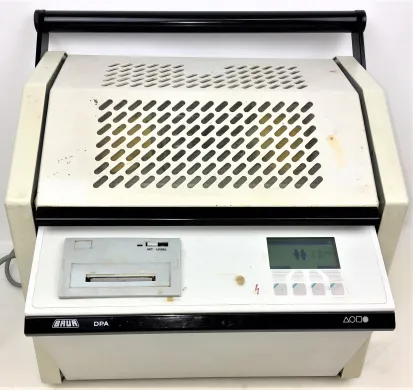
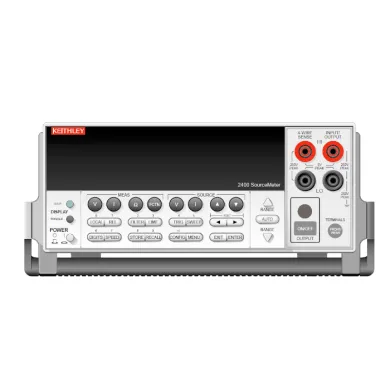
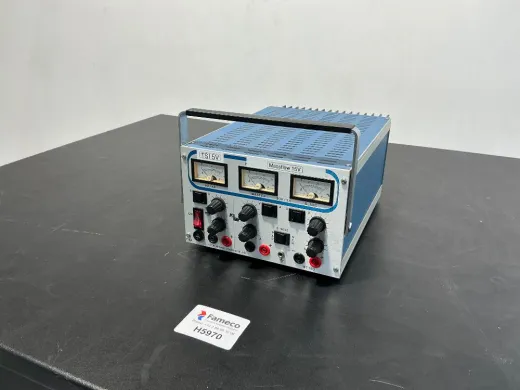
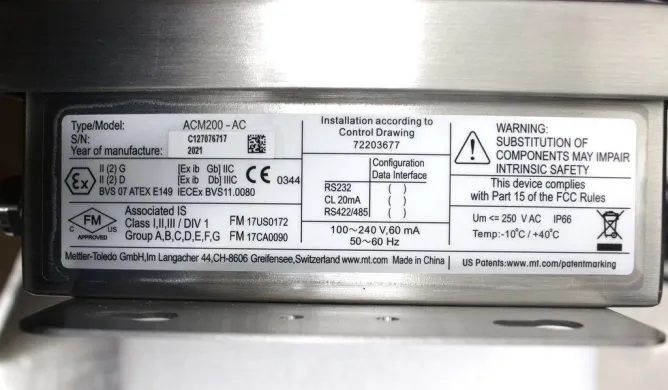
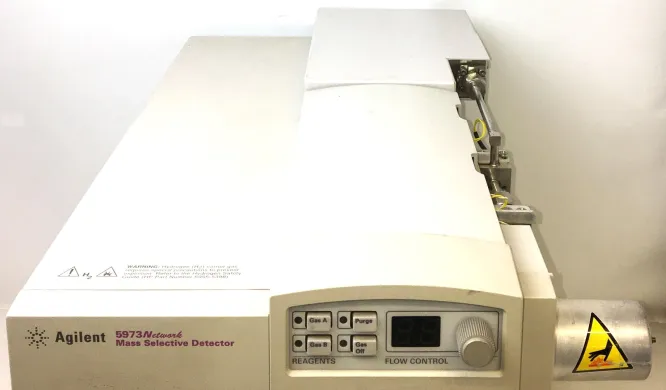
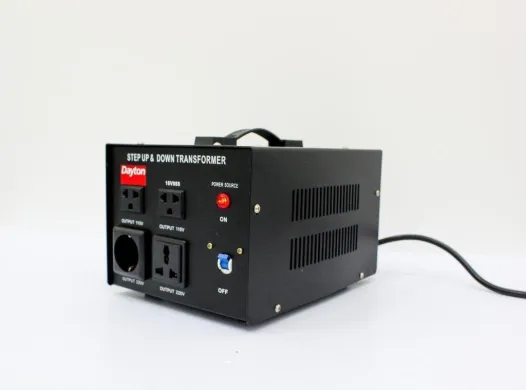
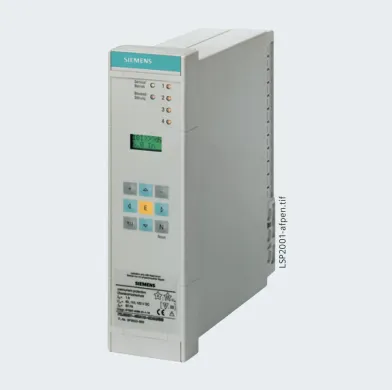
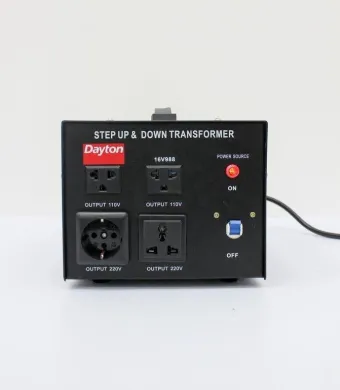
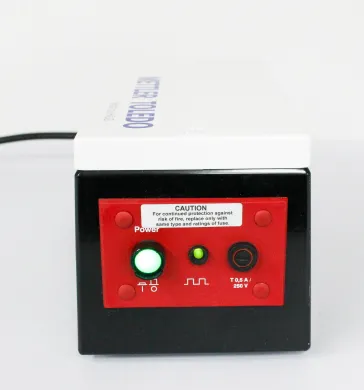
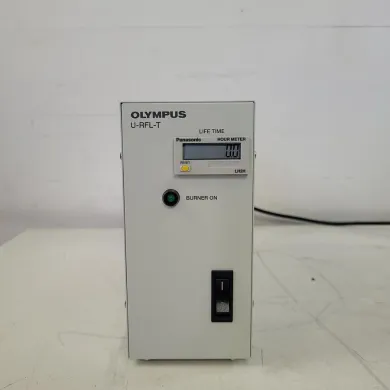
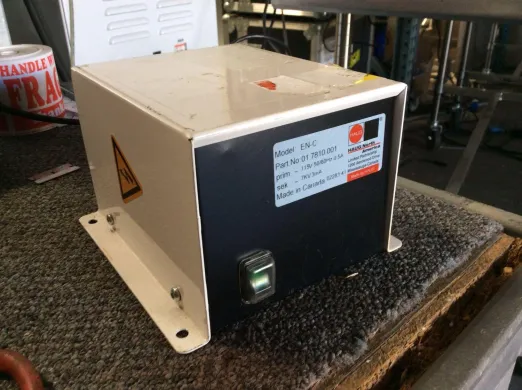
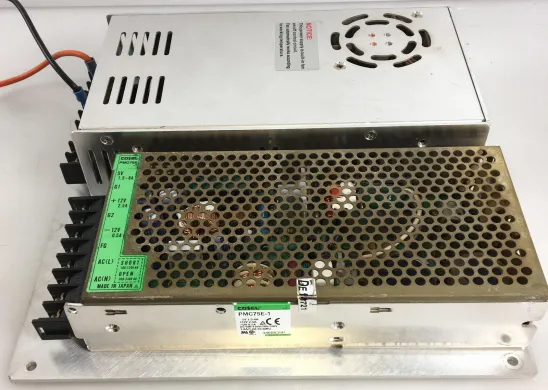
Not the exact instrument you need?
Tell our scientists what you are after. We track it down, including off-market supply.
Showing 1–40 of 188 listings
Show 40 more listingsBuying guide
The number that settles the purchase is the output the work requires, and it comes in two parts a datasheet keeps separate: the maximum voltage and the maximum current. An electrophoresis run wants a few hundred to a few thousand volts at a modest, tightly held current; a general bench supply for electronics wants tens of volts but amps behind them. A unit rated for one is wrong for the other even when both carry the same category name, so read the voltage range and the current limit together before anything else, then check how finely each can be set and how steady it stays under load. Regulation and ripple matter where the downstream device is sensitive, a photomultiplier or a mass spectrometer bias stage, and barely at all where it is not.
On a used unit, the specification on the label is a starting point, not a guarantee. Output drifts as components age, and a high voltage supply left in storage can read correctly at the terminals yet fail under a real load. Ask whether the unit has been powered up and checked, whether the output has been verified against a reference, and what calibration record comes with it. For a sealed electrophoresis source the safety interlocks and the condition of the output leads matter as much as the electronics, since those are the parts that wear. Where a listing is thin on this detail, that is itself information about what you are buying.
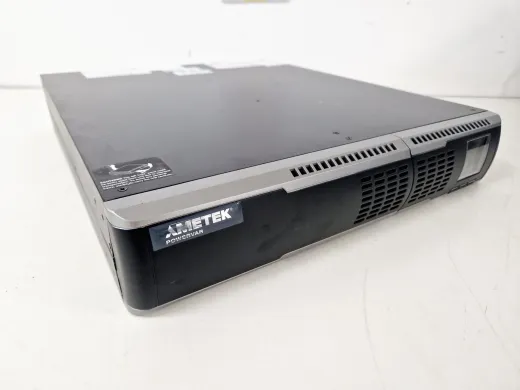
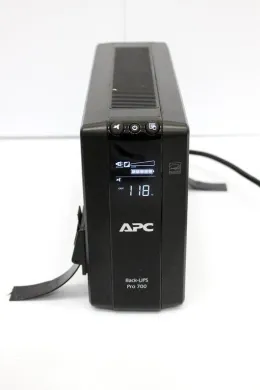
Price here spans a very wide range, and the two ends are different instruments rather than better and worse versions of one. What a basic benchtop supply costs sits near the bottom; a high-current or high-voltage laboratory source runs far above the average. Among the brands that occupy the listings, APC, Invitrogen, Bio-Rad, Mettler Toledo, Powervar appear most often, which tells a buyer something practical: common brands are easier to compare model against model, and parts and manuals for them are easier to source. A buyer working to a fixed budget will find that used and refurbished units are listed well below new, and that the affordable end of the catalogue is deep enough that a specific voltage and current requirement usually has several units for sale to choose between.
Types of High voltage power supplies
Which power supply types are listed here?
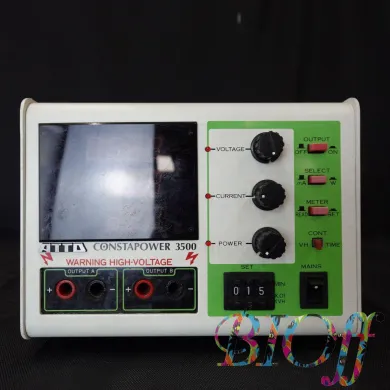
Among the listings that specify a type, the most common are the laboratory power supply, the electrophoresis power supply, the uninterruptible power supply, the benchtop power supply, the DC power supply and the laboratory power supply unit. These divide along what they feed. A general laboratory or benchtop supply is an adjustable bench source, a few volts to tens of volts, that a researcher sets by hand to power a circuit, a heater or a small motor during development and testing. A DC supply is the same idea described by its output: steady direct current with voltage and current both settable, the workhorse of any electronics bench. These classes overlap, which is why a single unit often answers to several of the names.
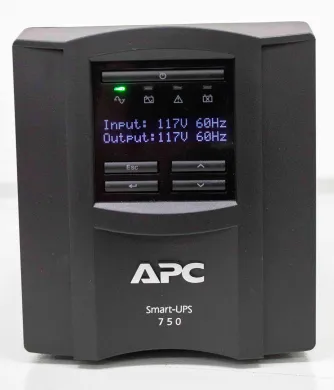
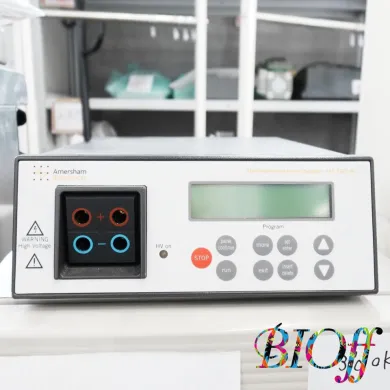
The electrophoresis power supply is the one with a research field of its own. It drives molecular biology directly: it supplies the high, constant voltage that pulls DNA, RNA and proteins through a gel in electrophoresis, the separation step at the core of genomics, proteomics and routine molecular diagnostics. A gel electrophoresis power supply holds either voltage or current constant for the length of a run and is also used for protein purification workflows and for blotting. The uninterruptible power supply serves a different need: it keeps an instrument running through a mains interruption, which matters where a cell culture incubator, a freezer or a long cell imaging acquisition cannot tolerate a gap.
The brands behind the power supply listings
The brands appearing most often are APC, Invitrogen, Bio-Rad, Mettler Toledo, Powervar. Their mix tells a buyer what to expect: some are instrument makers whose supplies pair with their own electrophoresis and life sciences hardware, others are dedicated power and backup specialists. For the buyer, a frequently listed brand is the easier purchase. Model-to-model comparison is straightforward when several units of the same line are on the marketplace at once, and documentation and spare parts for a common brand are simpler to track down than for a rare one.
What a used high voltage power supply costs here
The condition split is heavily toward the pre-owned end: 96 percent of the listings are used. Prices range from EUR 1 to EUR 55.958. That spread is not a measure of quality; it is the distance between a small benchtop supply and a high-capacity laboratory or high-voltage source, two genuinely different instruments that share a category. The average, EUR 991, sits well below the top of the range because the inexpensive bench units outnumber the large ones. Used and refurbished units are listed below the price of new, which is why a defined voltage and current requirement can usually be met across several price points.
Frequently asked questions
What is a high voltage power supply?
It is an instrument that delivers regulated electrical output to drive laboratory equipment, ranging from a few volts on a small bench unit to several kilovolts on a sealed source for electrophoresis or detector bias. The term covers a wide span of instruments that share a category but differ in the voltage and current they produce.
What does high voltage power supply mean in a laboratory context?
It means a controlled source of electrical power used to run an experiment or an instrument, where the output voltage and current are set to match what the application needs. In practice the label spans everything from an adjustable bench source at tens of volts to a kilovolt source for gel separation.
How do high voltage power supplies work?
They convert mains input into a regulated output at a set voltage and current, holding that output steady under load. A gel electrophoresis supply, for example, keeps either voltage or current constant for the length of a run, while a bench DC supply lets the user set both by hand.
What types of power supplies are in this category?
The most listed types are the laboratory power supply, the electrophoresis power supply, the uninterruptible power supply (UPS), the benchtop power supply, the DC power supply and the laboratory power supply unit. They divide by what they feed, from adjustable bench sources to sealed high-voltage sources for molecular biology.
What are high voltage power supplies used for?
A bench or DC supply powers circuits, heaters or small motors during development and testing. An electrophoresis supply drives DNA, RNA and protein separation in a gel, and a UPS keeps an instrument such as an incubator or freezer running through a mains interruption.
How do I choose the right high voltage power supply?
Start from the maximum voltage and the maximum current the work requires, which a datasheet keeps as two separate figures, then check how finely each sets and how steady it holds under load. An electrophoresis run wants hundreds to thousands of volts at a tightly held low current, while a bench supply wants tens of volts with amps behind them, so a unit rated for one is wrong for the other.
What is the difference between a refurbished and a used power supply?
A used unit is sold in its existing condition, while a refurbished unit has been reconditioned before resale. On either, ask whether the output has been verified against a reference and what calibration record is included, since output drifts as components age.
How much does a high voltage power supply cost?
Prices in the catalogue range from EUR 1 to EUR 55.958, with an average of EUR 991. That spread reflects two different instruments sharing one category: a small benchtop supply sits near the bottom, a high-current or high-voltage laboratory source well above the average.
Which brands show up most in this category?
The brands appearing most often are APC, Invitrogen, Bio-Rad, Mettler Toledo and Powervar. Some are instrument makers whose supplies pair with their own electrophoresis and life sciences hardware, others are dedicated power and backup specialists.
Can I get a warranty on a refurbished power supply?
A warranty is often possible and is arranged in consultation for the specific listing. Terms depend on the individual unit rather than being set centrally, so check the listing you are considering.
Are spare parts available for these power supplies?
Parts can be sourced via Questpair. Parts and manuals for a frequently listed brand are generally easier to track down than for a rare one, which is one reason a common brand is the simpler purchase.
How long does a high voltage power supply last?
Lifespan depends on use and on how the output electronics age, with components drifting over time and interlocks and output leads wearing on sealed electrophoresis sources. A unit left in storage can read correctly at the terminals yet fail under a real load, so verified output matters more than age alone.
Should I buy new or used?
Used and refurbished units are listed at lower prices than new, and the affordable end of the catalogue is deep enough that a specific voltage and current requirement usually has several units to choose between. Where you have to weigh the two, compare the individual listings and note that warranty is arranged in consultation for each.
Where can I buy a high voltage power supply?
The Questpair catalogue holds 390 of them from 14 verified suppliers and distributors across 10 countries, listed new, used and refurbished. You compare and buy directly from the listings there.
What are the lead time and shipping on these units?
Lead time and shipping depend on the individual seller and the unit's location, as listings come from verified suppliers and distributors across 10 countries. Check the specific listing for its dispatch details.
What should I ask about calibration and maintenance on a used unit?
Ask whether the unit has been powered up and checked, whether its output has been verified against a reference, and what calibration record comes with it. For a sealed electrophoresis source, also confirm the condition of the safety interlocks and output leads, since those are the parts that wear.
Which types in this category are listed most, and who reaches for each?
Laboratory and benchtop supplies and DC supplies are the adjustable bench sources an electronics or development researcher reaches for. The electrophoresis supply is reached for in genomics, proteomics and molecular diagnostics for gel separation, while the UPS is chosen where an incubator, freezer or long imaging run cannot tolerate a power gap.
Which brands dominate this category, and what does that mean for a buyer?
APC, Invitrogen, Bio-Rad, Mettler Toledo and Powervar appear most often, a mix of life sciences instrument makers and power and backup specialists. For a buyer, a frequently listed brand makes model-to-model comparison straightforward when several units of the same line are on the marketplace, and documentation and parts are easier to find.
What separates the cheapest units here from the most expensive?
The two ends are different instruments, not better and worse versions of one. A basic benchtop supply at tens of volts sits near the bottom, while a high-current bench source or a kilovolt laboratory source for electrophoresis and detector bias runs far above the average, each defined by its voltage and current rating rather than by price alone.