

Amplifiers
We personally find you the right used, refurbished and new amplifiers instruments & equipment from verified suppliers.
Amplifiers are laboratory electronics that increase the power, voltage, or current of a signal while preserving its essential characteristics, used across electrophysiology, optical communications, and signal-conditioning applications. On Questpair, 41 amplifier listings are available from 8 verified suppliers and distributors across 5 countries. All of them, 100 percent, are used units, which places this category firmly in the second-hand and refurbished segment rather than the new-equipment market. Listings span a wide range, from compact signal boosters to specialised patch clamp and optical amplifier systems built for a single discipline. Prices run from EUR 38 to EUR 16.353, a spread that reflects how far these devices diverge in function and complexity.
Updated:
Amplifiers product list
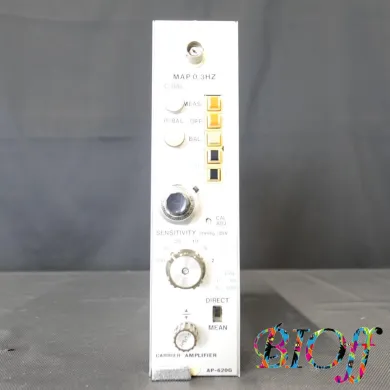
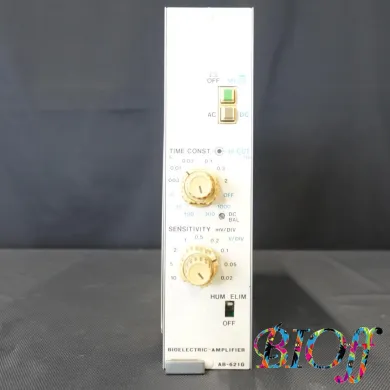
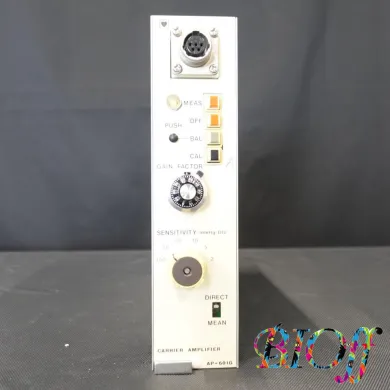
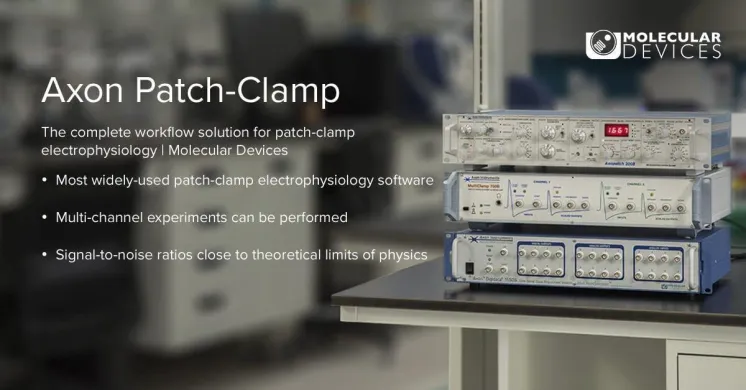


Not the exact instrument you need?
Tell our scientists what you are after. We track it down, including off-market supply.
Buying guide
The specification that settles an amplifier purchase depends entirely on what the signal is. A patch clamp amplifier for electrophysiology lives or dies on its noise floor and its ability to resolve picoampere currents, so headstage design and input impedance decide it. An optical amplifier is chosen on gain, wavelength band, and saturation output power, because those numbers determine whether it fits the link it has to serve. A general power amplifier is measured on bandwidth, output power, and distortion. There is no single figure that ranks amplifiers against one another; the right one is the figure that matters to the measurement in front of you, and a buyer should know which that is before comparing any two listings.
Because every unit here is used, condition verification carries more weight than it would on a new-equipment page. Ask what has been tested and how recently. For a patch clamp amplifier, confirm the headstage is present and functional, since it is the most failure-prone and most expensive part to replace. For optical and fibre-optic amplifiers, connector condition and any history of power overload matter, because a damaged input facet is not always visible. Calibration certificates, where they exist, tell you whether a unit still performs to its original specification or has drifted. A seller who can describe the last bench test says more about a unit than any datasheet.
Prices on Questpair run from EUR 38 to EUR 16.353, with an average around EUR 931. The low end covers simple signal amplifiers and laboratory electronics modules, affordable enough to fit a modest budget. The upper end is held by complete patch clamp systems and high-specification optical amplifiers, where a single unit can cost as much as a small instrument. Because every unit is used, each one is listed for sale below what the equivalent new device would cost, which is the clearest reason this category exists as a second-hand market. The brands occupying the range are familiar names in their respective fields, and which brand sits where depends more on the discipline than on a tier of quality.
Types of Amplifiers
Which amplifier types are listed here?
Among the listings that specify a type, the catalogue splits along the lines of the work the amplifier does. Power amplifiers raise the output of a general signal and turn up most often, serving bench setups that need more drive than a source can supply on its own. Patch clamp amplifiers form a distinct group of their own, built for electrophysiology: they measure the tiny ionic currents that flow across a single cell membrane, the core technique in patch clamp recording and whole-cell electrophysiology, and they sit at the centre of ion channel research and molecular diagnostics work on cellular signalling. Optical amplifiers and fibre-optic equipment make up another cluster, boosting light signals in photonics and communications testbeds and, in a life sciences setting, also used for fluorescence detection and cell imaging where a weak optical signal has to be lifted clear of the noise. The remaining listings fall under laboratory electronics and general laboratory equipment, the supporting modules that condition and route signals rather than amplify a single defined input.
The brands behind the amplifier listings
The sellers here are Nortel, Oxford Instruments, Axon Instruments, AD Instruments, Avenex. The mix tells a buyer something about the field each unit comes from: Axon Instruments and AD Instruments are names a physiologist recognises immediately, associated with patch clamp and electrophysiology recording, while Nortel and the optical names point to the communications and photonics side. For a buyer, a recognised brand means parts and documentation are easier to track down and a model is simpler to compare against its own specification sheet, which matters more on a used unit than on a new one. The brand also narrows the discipline quickly: a listing from an electrophysiology maker is almost certainly a patch clamp or signal amplifier built for cellular work, not a general power device.
What a used amplifier costs here
Every listing in this category is used, so the whole 100 percent sits in the second-hand segment. Prices run from EUR 38 at the low end to EUR 16.353 at the top, averaging around EUR 931. That spread covers the full distance between a simple laboratory electronics module and a complete electrophysiology amplifier with its headstage and control software, which is why the range is as wide as it is. Because nothing here is new, each unit is listed below the cost of its new equivalent, and the brand and type together, not the price alone, tell a buyer which end of the band a given listing belongs to.
Frequently asked questions
What is an amplifier?
An amplifier is a laboratory electronic device that increases the power, voltage, or current of a signal while keeping its essential characteristics intact. In a lab setting these range from signal boosters to specialised systems built for electrophysiology or optical work.
What does amplifier mean in a laboratory context?
It means a device that lifts a weak input signal to a usable level without distorting the information it carries. The term covers several distinct instruments, from power amplifiers that drive bench setups to patch clamp amplifiers that resolve tiny cellular currents.
How do amplifiers work?
An amplifier takes an input signal and uses an external power source to produce a larger output that follows the shape of that input. The specifics differ by type: a patch clamp amplifier senses minute ionic currents through a headstage, while an optical amplifier boosts light intensity across a given wavelength band.
What types of amplifiers are there?
The listings here cover power amplifiers, patch clamp amplifiers, optical amplifiers and fibre-optic equipment, plus general laboratory electronics and laboratory equipment modules. Each is built for a different signal, from general bench drive to single-cell electrophysiology recording.
What are amplifiers used for?
They serve electrophysiology, optical communications, and signal-conditioning applications. Patch clamp units measure ionic currents across cell membranes for ion channel research, optical amplifiers boost light in photonics and fluorescence detection, and power amplifiers add drive to general bench signals.
How do I choose an amplifier?
Start from what the signal is, since that decides the specification that matters. A patch clamp amplifier is judged on noise floor and input impedance, an optical amplifier on gain and wavelength band, and a power amplifier on bandwidth, output power, and distortion.
What is the difference between refurbished and used amplifiers?
A used unit is sold in its existing condition, while a refurbished unit has been checked and brought back toward working specification before listing. For either, ask what was tested and when, and request any calibration certificate to confirm current performance.
How much does an amplifier cost?
Prices on Questpair run from EUR 38 to EUR 16.353, averaging around EUR 931. The low end covers simple signal amplifiers and laboratory electronics modules, while the top is held by complete patch clamp systems and high-specification optical amplifiers.
Which amplifier brands are available here?
The brands listed are Nortel, Oxford Instruments, Axon Instruments, AD Instruments, and Avenex. Axon Instruments and AD Instruments point to electrophysiology and patch clamp recording, while Nortel and the optical names point to communications and photonics.
Is there a warranty on a refurbished amplifier?
A warranty is often possible and is arranged in consultation for the specific listing. Terms depend on the unit, so check the individual listing and raise warranty before purchase.
Can I get parts for a used amplifier?
Parts can be sourced via Questpair. For a patch clamp amplifier the headstage is the most failure-prone and most expensive component, so confirm it is present and functional before you buy.
How long does an amplifier last?
Lifespan depends on the type and how heavily the unit has been used, with condition mattering more than age on second-hand electronics. Optical and fibre-optic amplifiers can suffer from input facet damage after power overload, and patch clamp headstages wear before the main unit, so condition verification tells you more than a nominal figure.
Should I buy new or refurbished?
Every amplifier listed here is used, so each one is priced below its new equivalent. Where you weigh the two, the deciding factors are the condition of the specific listing and the warranty you can arrange in consultation for it.
Where can I buy amplifiers?
They are listed on Questpair from 8 verified suppliers and distributors across 5 countries, with 41 listings in this category. All of them are used units.
What are the lead time and shipping like?
Lead time and shipping depend on the individual supplier and where the unit ships from, since listings come from distributors across 5 countries. Check the specific listing or contact the seller through Questpair for its timing.
What about calibration and maintenance?
A calibration certificate, where it exists, tells you whether a unit still meets its original specification or has drifted, so ask for one. Questpair does not provide servicing, but specialists respond within an hour to questions about documentation and condition.
Which amplifier types are listed most, and who buys them?
Power amplifiers appear most often among listings that specify a type, serving bench setups that need more drive than a source supplies. Patch clamp amplifiers draw electrophysiologists working on cellular signalling, while optical and fibre-optic amplifiers go to photonics and communications work, and in life sciences to fluorescence detection and cell imaging.
Which brands dominate this category, and what does that mean for a buyer?
The listed brands split cleanly by discipline: Axon Instruments and AD Instruments for electrophysiology, Nortel and the optical names for communications and photonics. A recognised brand makes parts and documentation easier to track down and lets you compare a model against its own specification sheet, which carries more weight on a used unit than a new one.
What separates the cheapest amplifiers from the most expensive here?
The bottom of the band is held by simple signal amplifiers and laboratory electronics modules that condition or route a signal. The top covers complete patch clamp systems with headstage and control software, and high-specification optical amplifiers, where function and complexity, not a quality tier, drive the price.