

Thermometers
We personally find you the right used, refurbished and new thermometers instruments & equipment from verified suppliers.
Thermometers are instruments that measure temperature, used in laboratories to monitor samples, reactions, storage conditions and ambient environments. The Questpair catalogue holds 116 thermometer listings from 9 verified suppliers and distributors across 7 countries, offered new, used and refurbished. Of those, 97 percent of the listings are used. Prices range from EUR 16 to EUR 6.457, a spread that separates a simple handheld probe from a calibrated reference instrument. The listings run from digital readout units to thermocouple meters and immersion-style laboratory thermometers, covering routine bench work as well as precise temperature measurement where a documented reading matters.
Updated:
Thermometers product list
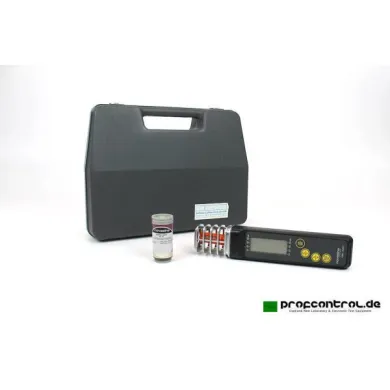
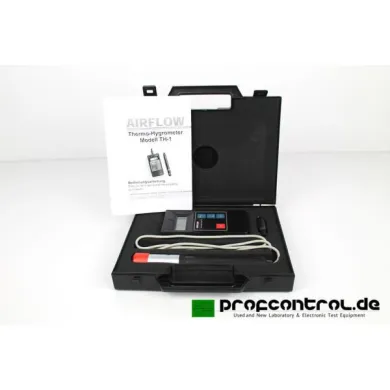
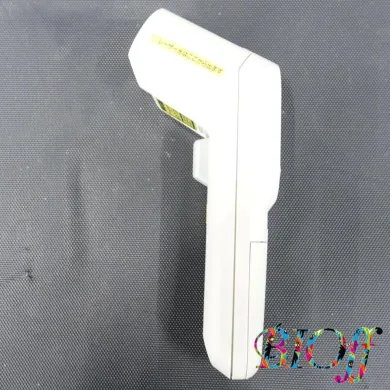
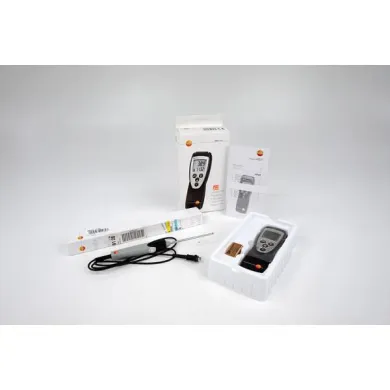


Not the exact instrument you need?
Tell our scientists what you are after. We track it down, including off-market supply.
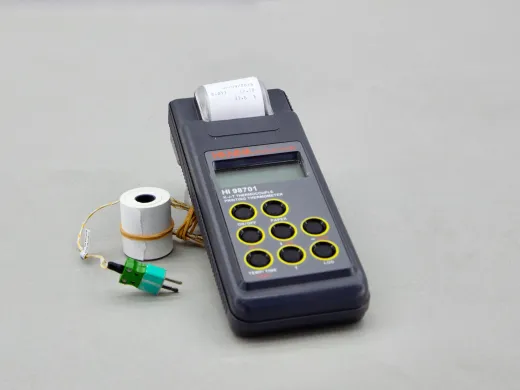
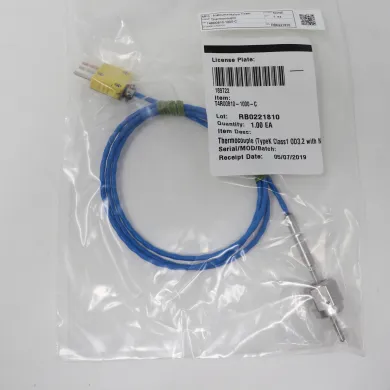
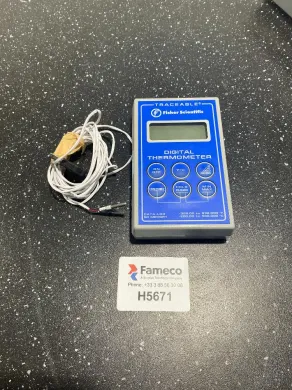
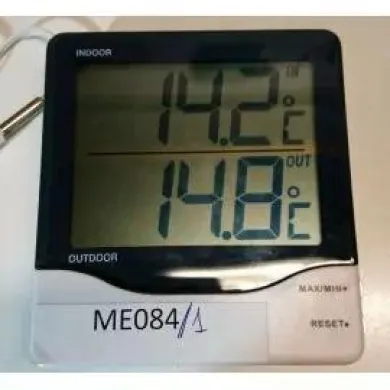
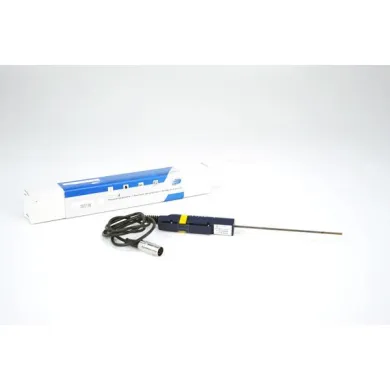
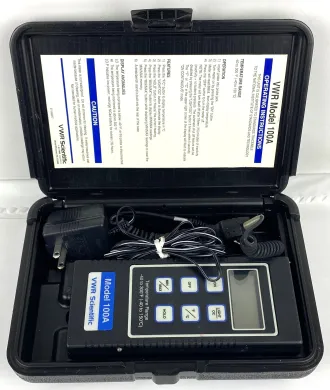
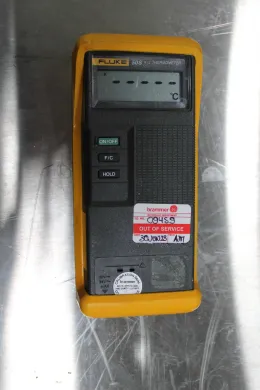
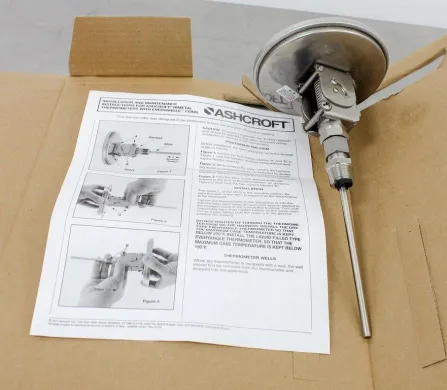
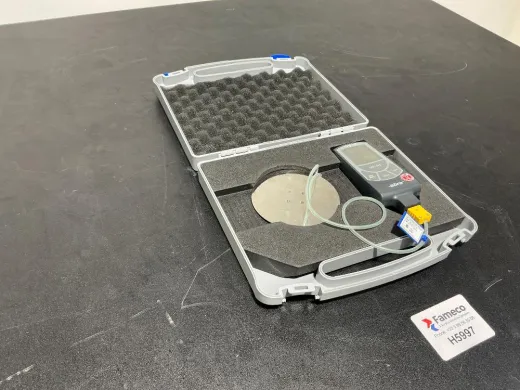
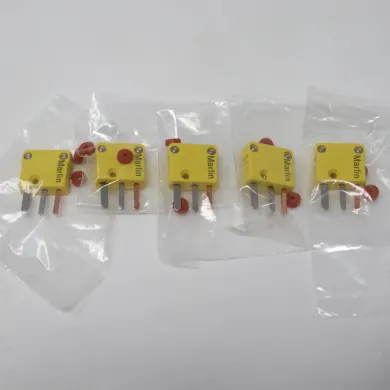
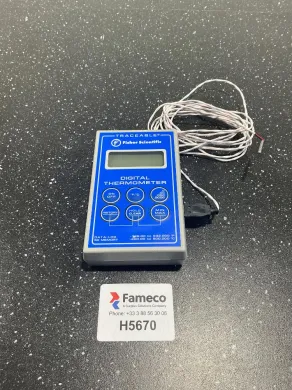
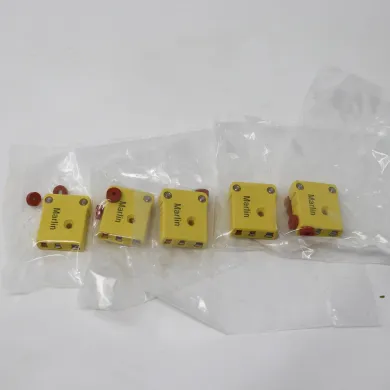
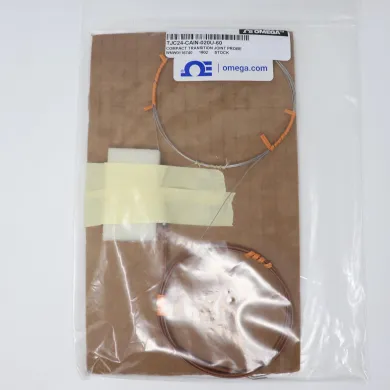
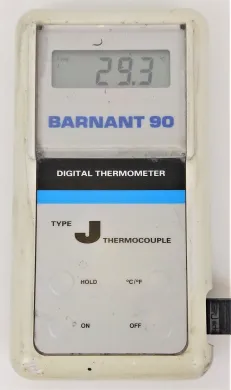
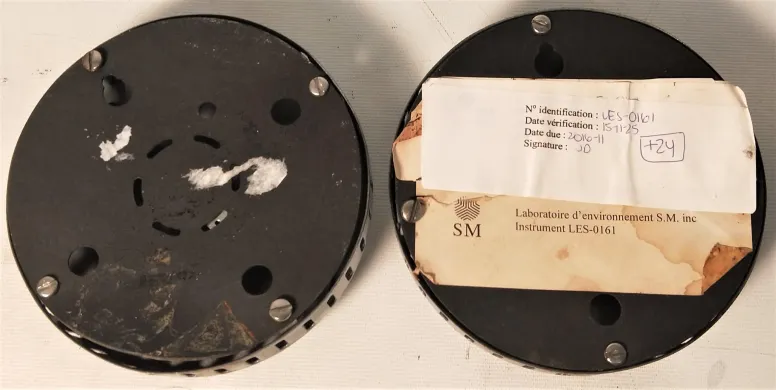
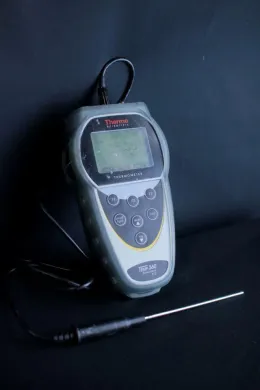

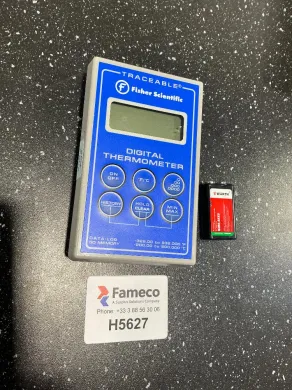
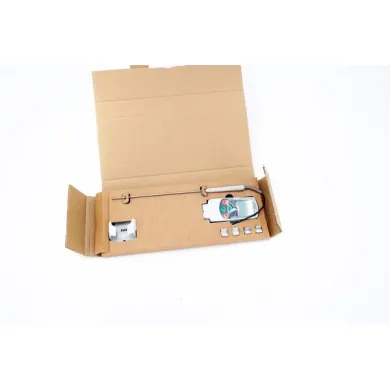
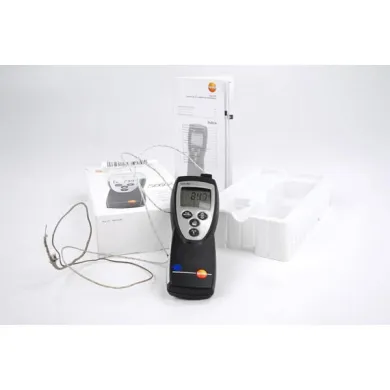
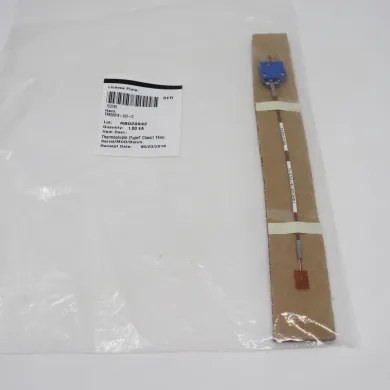
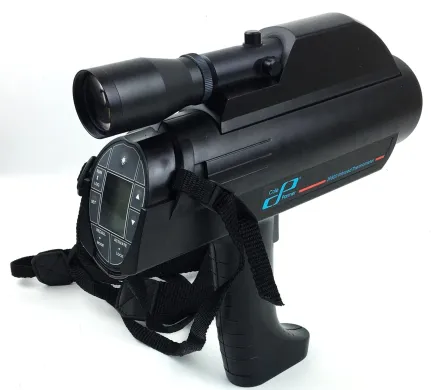
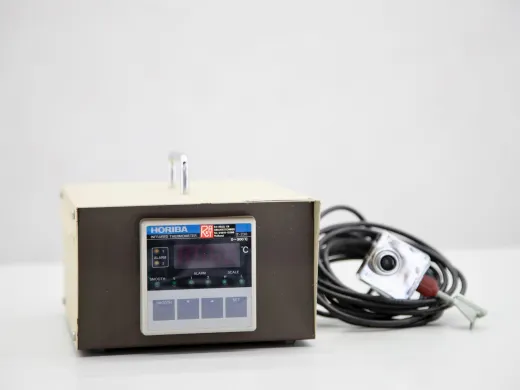
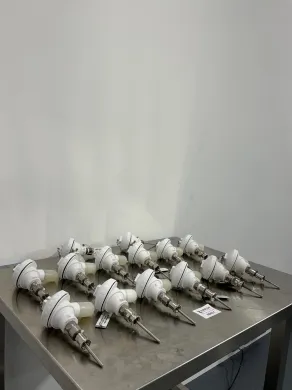
Horiba Infrared Thermometer
- Category
- Infrared or ft ir spectrometers
- Brand
- Horiba
- Suppliers
- 1 verified
Not the exact instrument you need?
Tell our scientists what you are after. We track it down, including off-market supply.
Showing 1–40 of 119 listings
Show 40 more listingsBuying guide
The reading itself decides a thermometer purchase before anything else does. A buyer has to settle on the range and the resolution the work demands: a cold-storage check needs a probe that holds its accuracy below zero, while a reaction run may need tenths of a degree across a narrow band. Range and resolution together narrow the field faster than any other specification, because a unit that cannot reach the temperature, or cannot resolve the difference that matters, is out regardless of its other merits. Accuracy follows, and it is worth reading the tolerance figure against the actual task rather than taking the headline number: a unit rated to a tenth of a degree over one span may be looser elsewhere.
Sensor type is the next fork. Thermocouple meters reach extremes and respond quickly but trade away some accuracy; thermistor and RTD-based digital units sit closer and drift less; a glass or liquid-filled laboratory thermometer carries no electronics to fail and remains common where immersion depth and a direct read are enough. The sensor sets the response time, the span and whether the reading can be logged, so matching it to the measurement is the choice that shapes the rest.
On a used unit, calibration is what to verify. A thermometer that has drifted reads confidently and wrongly, so a buyer wants to know when it was last checked and against what reference. Ask about the condition of the probe or the capillary, whether a certificate accompanies the instrument, and whether the display and contacts work across the full range rather than only near room temperature. Where a reading has to be defensible, budget for a fresh calibration after purchase rather than assuming the last one still holds.
Price sits across a wide band. What a basic handheld unit will cost runs well below what a calibrated reference instrument commands, and the range from EUR 16 to EUR 6.457 reflects exactly that distance. The brands occupying the catalogue, Fluke, Fisher Scientific, VWR, Thermo Fisher Scientific, Fisherbrand, span the same spread, from precision meters to general-purpose bench thermometers, and their presence tends to make parts and comparable models easier to find. Refurbished and used thermometers listed for sale are more affordable than new, which is where most of a limited budget goes furthest, and the condition split means the used end of the catalogue is where the depth is. What fits a budget is usually a question of how much documented accuracy the work actually needs.
Types of Thermometers
Which thermometer types are listed?
Among the listings that specify a type, the digital thermometer is the most common form: an electronic unit with a sensor and a numeric display, chosen for a clear read and, on many models, the ability to log or hold a value. The laboratory thermometer covers the immersion and liquid-filled instruments built for bench and bath work, where depth of immersion and a direct scale reading matter. Thermocouple thermometers pair a meter with an interchangeable junction, reaching high and low extremes that electronic contact sensors cannot, and responding fast enough for transient measurements. Alongside these sit general temperature measurement devices, handheld digital units and portable temperature meters, the field-ready instruments a buyer carries between benches or out to storage areas. Each form answers a different combination of range, speed and portability, and the choice usually follows the measurement rather than a preference for the technology.
In life sciences work these instruments do routine but exacting jobs. A thermometer verifies cell culture incubator temperature, confirms the setpoint of a minus-eighty freezer holding samples for genomics or proteomics, and checks water baths and heating blocks during protein purification and electrophoresis. Handheld digital probes also support cold-chain monitoring for molecular diagnostics reagents, and thermocouple meters track temperature across the ramps and holds of sample preparation. A laboratory thermometer for incubator temperature verification and a portable temperature meter for cold storage monitoring are everyday tools wherever a reading has to be trusted and, increasingly, recorded.
The brands behind the thermometer listings
The catalogue is led by Fluke, Fisher Scientific, VWR, Thermo Fisher Scientific, Fisherbrand. Fluke brings precision meters and thermocouple instruments from the test-and-measurement side, while Fisher Scientific, VWR, Thermo Fisher Scientific and Fisherbrand supply the general-purpose laboratory thermometers that fill most benches. For a buyer, that mix means two things. Established names make a model easier to compare, because specifications and documented accuracy figures are published and widely referenced. It also tends to ease parts and probe availability, since interchangeable thermocouple junctions and replacement sensors for common meters stay in circulation. Parts can be sourced via Questpair where a listing needs them.
What a used thermometer costs here
The condition mix is weighted heavily toward used stock: 97 percent of the listings are used. Prices run from EUR 16 to EUR 6.457. That range covers the full distance between a basic handheld unit and a calibrated precision meter with a certificate, so where a listing sits within it says more about the instrument's grade than about its wear. Used and refurbished thermometers are listed at lower prices than new, and warranty is arranged in consultation for the specific listing.
Frequently asked questions
What is a thermometer?
A thermometer is an instrument that measures temperature, either by contact with a sample or by reading a surface from a distance. In laboratory work it is used for reaction control, cold-chain verification, calibration and analytical procedures where a known temperature is a condition of the result.
What does thermometer mean in a lab context?
In a lab, a thermometer is a measurement device that confirms temperature at a point or over time, from a bath or incubator to a furnace. It serves as a reference that a process is running at the temperature the method requires.
How do thermometers work?
Liquid-in-glass stems work by the expansion of a fluid against a printed scale, while digital probes convert a sensor signal into a displayed figure. Thermocouple thermometers read the voltage across a junction of two different metals, which varies with temperature and lets them cover a wide range.
What types of thermometers are there?
The listings here include digital thermometers, laboratory thermometers, thermocouple thermometers, temperature measurement devices, handheld digital thermometers and portable temperature meters. They split broadly into contact designs, such as glass stems and probes, and non-contact infrared units that read a surface.
What are thermometers used for?
They verify the cold chain in sample storage and biomanufacturing, confirm incubation temperature in cell culture and microbiology, and hold bath temperature for enzyme assays and protein purification. A reference thermometer is also what confirms that a thermal cycler or autoclave is running accurately.
How do I choose a thermometer?
Match the instrument to the measurement: the temperature range you need, how fast a reading must settle, and whether you are reading a stable bath or a moving transient. A stirred bath at a plateau is forgiving, while a changing sample needs a fast-responding probe or thermocouple.
Which thermometer type should I pick for my work?
A thermocouple settles in seconds and reaches high temperatures, so it suits furnace work, drying and autoclave validation. A glass stem is slow but needs no power, and a digital probe sits between the two as the general-purpose bench choice.
What is the difference between refurbished and used thermometers?
A used thermometer is sold in its existing condition, while a refurbished unit has been checked and brought back to working order before listing. Both are listed below new prices; check the individual listing for the condition described.
How much does a thermometer cost here?
Prices range from EUR 16 to EUR 6.457, with an average around EUR 214. The low end covers simple handheld meters and glass stems, and the high end covers calibrated multi-channel thermocouple systems and precision reference thermometers.
Which thermometer brands are listed?
The listings are led by Fluke, Fisher Scientific, VWR, Thermo Fisher Scientific and Fisherbrand. Fluke is a test-and-measurement specialist, while the others are laboratory supply names whose thermometers appear as general-purpose bench and probe instruments.
Is there a warranty on a refurbished thermometer?
A warranty is often possible and is arranged in consultation for the specific listing. Terms are tied to the individual unit rather than set across the category, so check the listing you are considering.
Can I get parts for a thermometer?
Parts and replacement probes can be sourced via Questpair. Because models from these brands are well documented, spares are generally straightforward to identify against a known unit.
How long does a thermometer last?
A glass stem can last indefinitely if unbroken, since it has no electronics or power source. Digital probes and thermocouple sensors wear with use and drift over time, which is why periodic calibration against a reference matters more than age alone.
New or used thermometer, which should I buy?
Used and refurbished thermometers are listed at lower prices than new units, which is the clearest difference between them here. Where warranty matters, it is arranged in consultation for the specific listing, so compare the exact units you are weighing.
Where can I buy a thermometer?
Thermometers are listed on Questpair from verified suppliers and distributors, with 116 items currently available from 9 suppliers across 7 countries. New, used and refurbished units appear in the same catalogue.
What are the lead time and shipping like?
Lead time and shipping depend on the supplier and the specific listing, since items come from verified suppliers and distributors across 7 countries. The listing itself carries the detail for the unit you are considering.
How do I calibrate and maintain a thermometer?
Calibration means checking the reading against a reference at known points, for example an ice bath or a certified standard, and noting any offset. For probes and thermocouples, keep the sensor clean and verify calibration on a schedule, since drift is the usual cause of an inaccurate reading.
What does the brand mix mean for a buyer?
With Fluke on the test-and-measurement side and Fisher Scientific, VWR, Thermo Fisher Scientific and Fisherbrand on the laboratory supply side, models are easy to look up and compare. That documentation makes a used unit straightforward to identify, and probes and spares are widely available through Questpair.
What separates the cheapest thermometers here from the most expensive?
The low end is simple handheld meters and liquid-in-glass stems with a single sensor and no logging. The high end is calibrated multi-channel thermocouple systems and precision reference thermometers, which add range, accuracy and the ability to measure several points at once.