Price on request
In stock
Can't find what you're looking for?
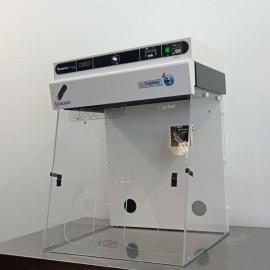
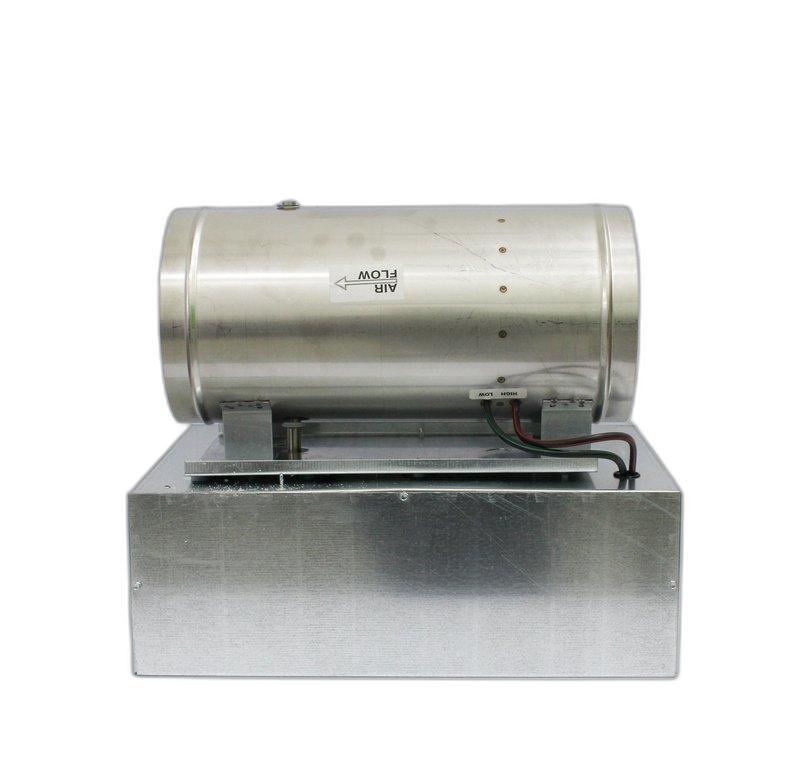
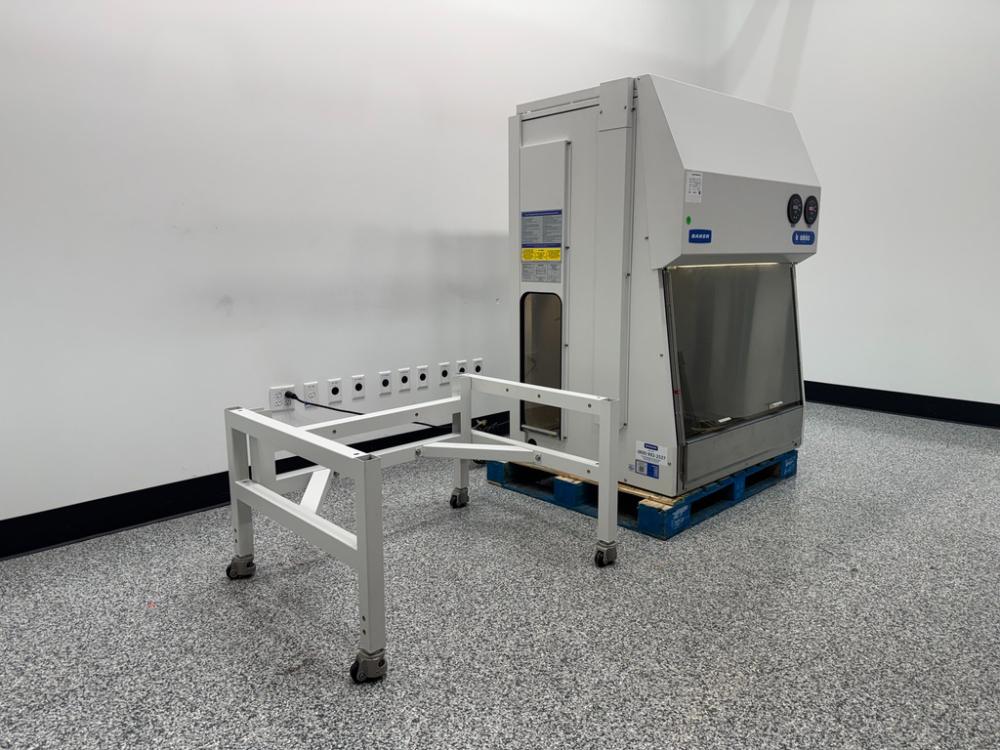
Ductless fume hood with activated carbon and optional HEPA filters, 160 m³/h airflow, ideal for volatile compounds.
The Cruma ECO 2 is a ductless fume hood designed for laboratory environments requiring effective removal of volatile organic compounds, gases, and airborne particulates. It operates without an external exhaust duct, utilizing up to two activated carbon filters for gas and vapor absorption and an optional HEPA (H14) filter for particulate and aerosol filtration, compliant with EN-1822 standards.
The Cruma ECO 2 is well-suited for laboratory workflows involving the handling of high-volatility chemicals and processes generating fumes or aerosols. It is widely adopted in molecular diagnostics, synthetic biology laboratories, and bioprocessing facilities where chemical vapor containment and particulate filtration are critical. Its modular filtration options provide flexibility for diverse biotechnology and clinical diagnostic applications, enhancing safety during gene editing, biomanufacturing, and molecular cloning workflows.
Note: Activated carbon filters are not included and must be specified separately according to customer requirements. This system supports integration of up to two filters to tailor filtration to specific laboratory needs.
This biotechnology-grade ductless fume hood is essential equipment for laboratories prioritizing effective chemical filtration without the need for external ductwork, offering reliable protection in clinical and research environments focusing on fluorescence analysis, live-cell imaging, and biomedical engineering applications.
Lab equipment markets are fragmented. Buyers spend weeks calling distributors, comparing quotes, and verifying supplier reliability. Sellers struggle to reach global research labs.
We built Questpair to fix this. Every supplier on the platform is verified before listing. Every quote you receive comes from a real, vetted seller. AI prepares your case in minutes, then a real specialist takes over.
We're an independent team based in The Netherlands, working with research labs and procurement teams across Europe and worldwide.
With a service contract, ten to fifteen years is normal for most benchtop instruments. Detectors and pumps are the parts that wear first.
Yes. Every verified supplier states which service partners cover the instrument, and we list that alongside the offer.
Ask a scientist through the request button. Parts are often available even when the instrument itself is discontinued.
Two to six weeks, depending on refurbishment scope and whether calibration is included.
We ship to 38 countries. Crating and customs handling are quoted with the instrument.
Tell us what you need and a scientist finds it for you, usually within the hour.
Last updated 4 September 2026
The middle half of the 172 with a price runs from €348 to €1,013.
1 other listing of this model is available.