

Centrifugation equipment
We personally find you the right used, refurbished and new centrifugation equipment from verified suppliers.
Centrifugation equipment is the class of laboratory instruments that separate the components of a suspension by spinning samples at high speed, so that denser material moves outward and forms a pellet while lighter fractions stay in the supernatant. The category covers whole instruments and the rotors and accessories they run with, listed new, used and refurbished on the Questpair catalogue. Of the 5160 listings gathered here, 94 percent are offered used, with 286 listed as new. These machines underpin sample preparation across biology, chemistry and clinical laboratories, from pelleting cells to clarifying lysates before analysis. Pricing spans a wide field, reflecting the gap between a single rotor and a floor-standing centrifuge.
Updated:
Centrifugation equipment product list
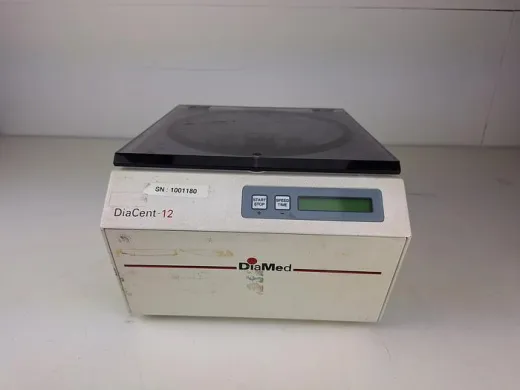
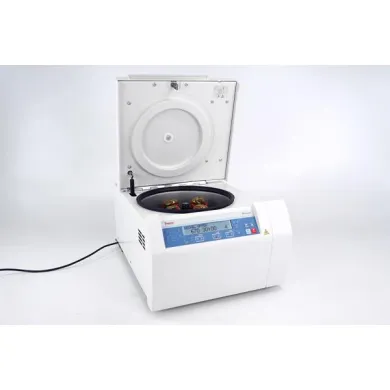
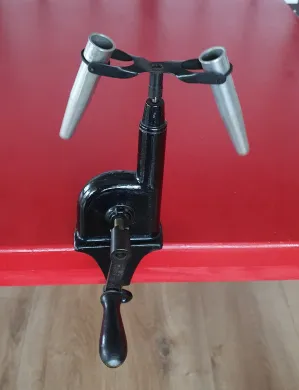



Not the exact instrument you need?
Tell our scientists what you are after. We track it down, including off-market supply.
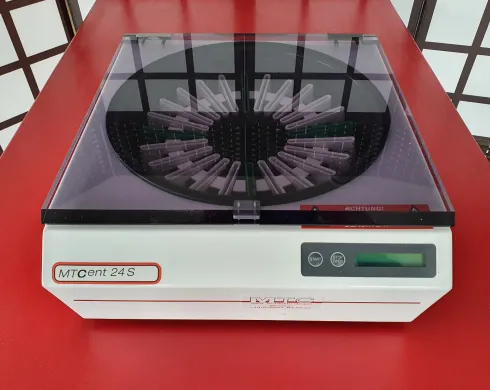
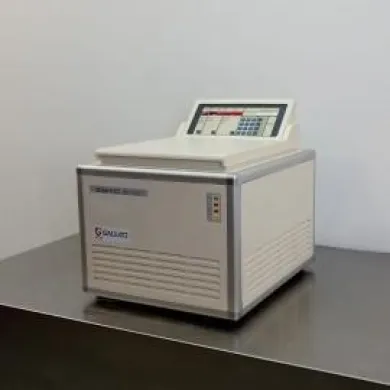
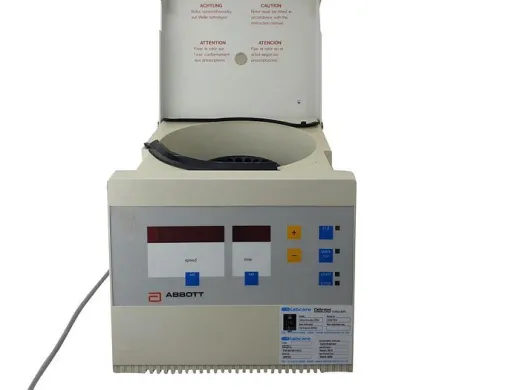
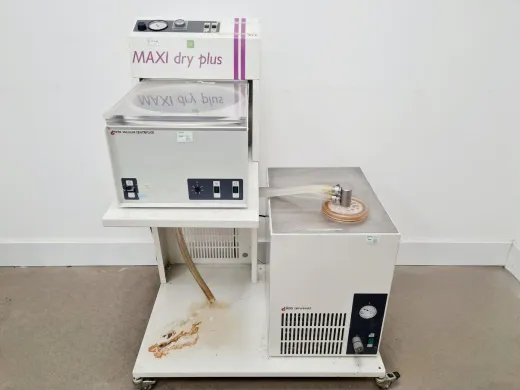

Not the exact instrument you need?
Tell our scientists what you are after. We track it down, including off-market supply.
Showing 1–40 of 3,237 listings
Show 40 more listingsBuying guide
On a used centrifuge the rotor and its running history decide more than the headline speed printed on the housing. A rotor is a stressed part with a finite service life: aluminium rotors fatigue over thousands of cycles, and a seller who cannot produce the run log or the rotor's manufacturing date is offering an unknown. Before committing, confirm which rotors are included, whether they match the models you need to spin, and whether the drive and lid interlock function on power-up. A unit sold cheaply without rotors is not cheap once the swing-out or fixed-angle head to fit it is added separately.
With condition settled, the specification that actually drives the choice is the force the instrument delivers and the volume it holds at once. Relative centrifugal force, the g-value, is what a protocol calls for, not revolutions per minute, because the same rotation speed produces different force at different rotor radii. Match the maximum g-value and the rotor capacity to the work: a microcentrifuge spinning sample tubes serves molecular biology, while a large-capacity floor model clarifying litres of culture serves a different scale entirely. Temperature control matters where samples degrade at ambient heat, so a refrigerated model is a separate decision from an unheated one.
Price on the Questpair catalogue runs from EUR 6 to EUR 601.762. That range is honest about what a budget buys: the floor is a bare rotor or a small benchtop unit, the ceiling an ultracentrifuge with its drive and controls intact. The average listing sits at EUR 2.634, which places most purchasing decisions well below the top of the band. Refurbished and used units listed for sale are more affordable than new equivalents, and with 94 percent of listings used, the comparison a buyer makes most often is between two second-hand units rather than against a new one. The brands that occupy this field, Eppendorf, Thermo Scientific, Beckman Coulter, Thermo Fisher Scientific, VWR, set the terms for what a budget reaches: a widely sold brand means more parts in circulation and more comparable listings to weigh one offer against another.
Types of Centrifugation equipment
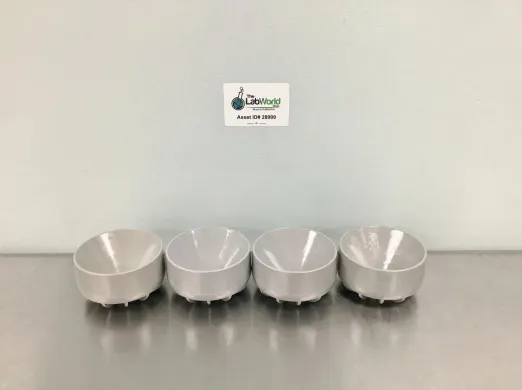
Centrifuge rotors and parts
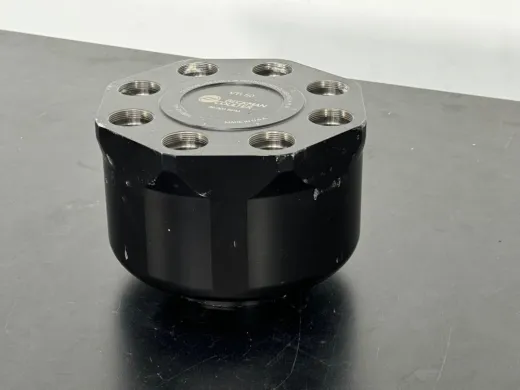
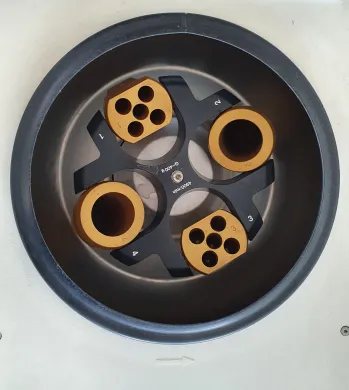
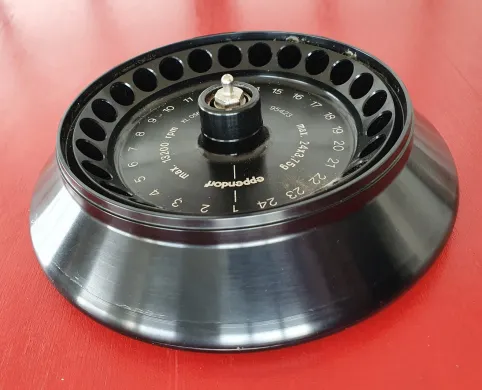
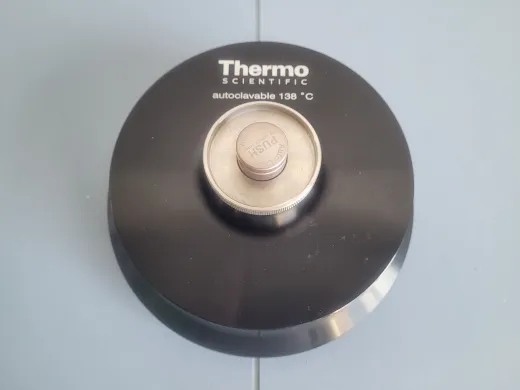
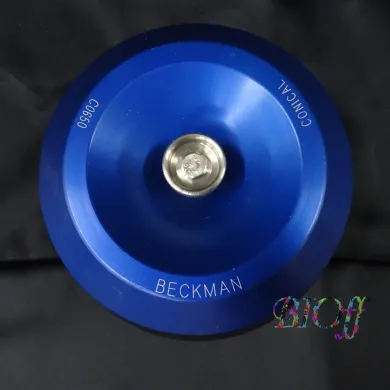
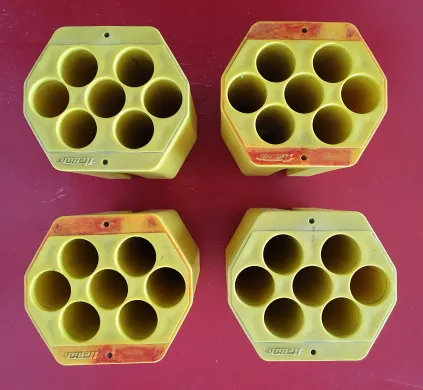
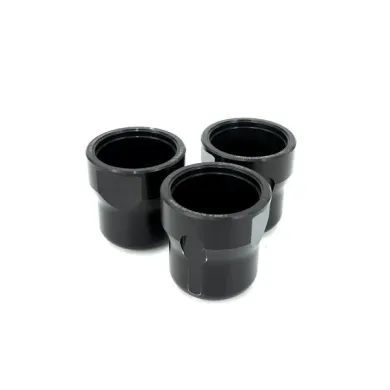
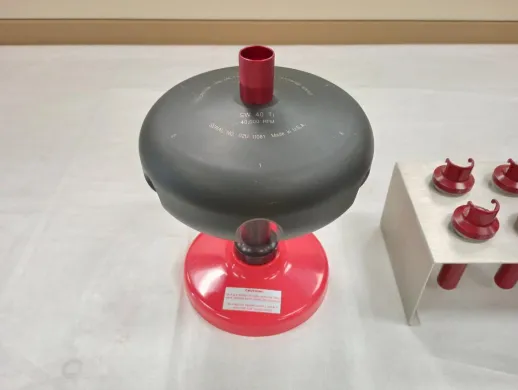
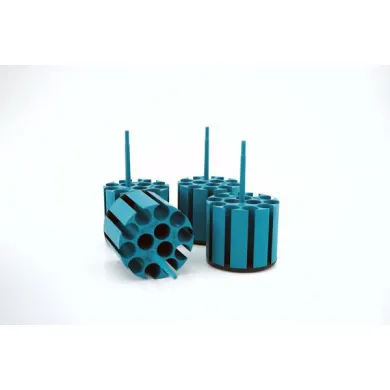
Rotors and parts form by far the largest group among the listings that specify a type, which reflects how centrifugation works: the instrument outlasts several rotors, and each application calls for a different head. A fixed-angle rotor holds tubes at a set angle for fast pelleting, while a swing-out rotor lets tubes pivot to horizontal during the spin, giving a flat separation boundary that suits density gradients. Buyers reach for this group to replace a fatigued head, to add a format the original rotor could not take, or to source a buckets-and-adapters set for a specific tube. Matching a rotor to a drive is exacting work, since the rotor must be rated for the instrument's maximum speed and keyed to its spindle, so listings here are read by specialists who already own the base unit.
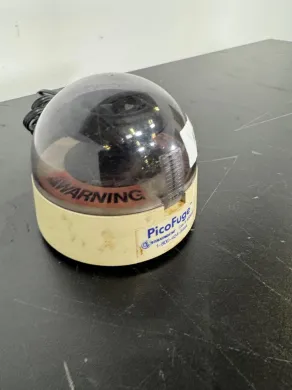
Microcentrifuges
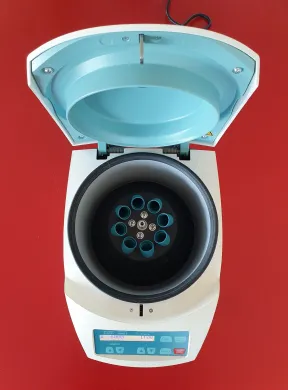
Microcentrifuges are compact benchtop units built to spin small tubes, typically 1.5 and 2 millilitre, at high speed in a small footprint. They are the everyday instrument of molecular biology, used for DNA and RNA extraction, for pelleting precipitated nucleic acids, and for the quick spin-downs that punctuate almost every bench protocol in genomics and proteomics work. What separates them from larger centrifuges is capacity and intent: they trade volume for speed and convenience, sitting beside a researcher rather than on the floor. Refrigerated versions extend their use to temperature-sensitive samples, keeping enzymes and labile constructs cold through the spin, which matters in cell culture and protein purification workflows.
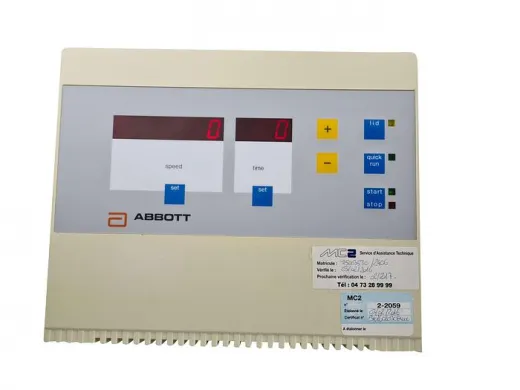
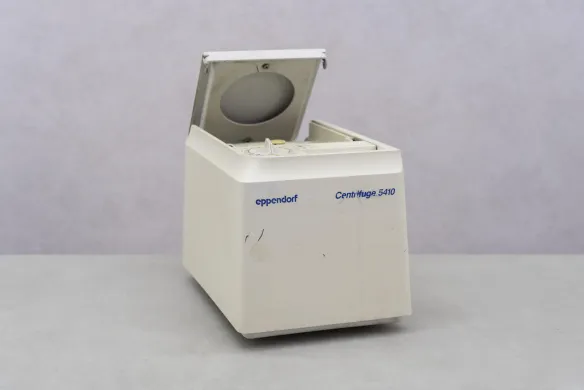
Benchtop centrifuges
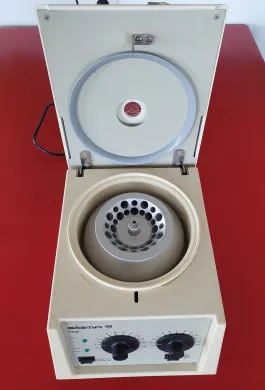
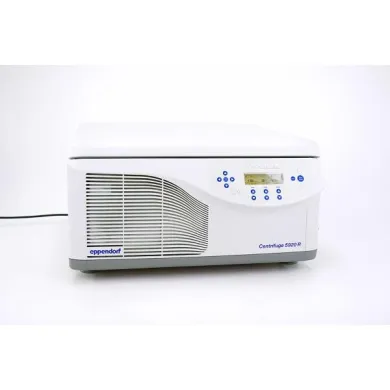
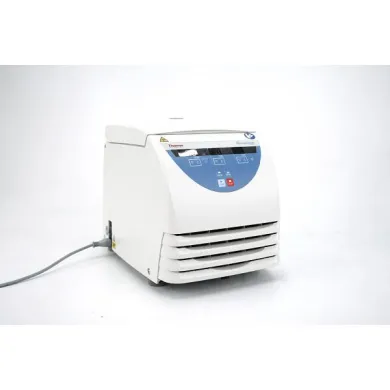
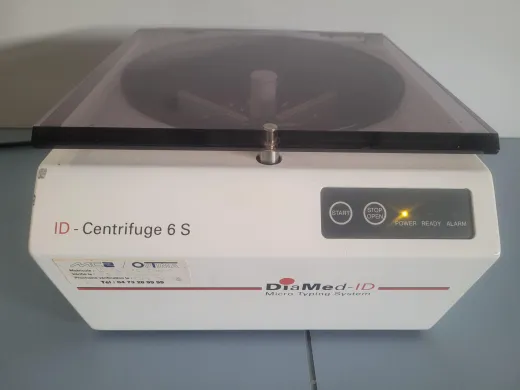
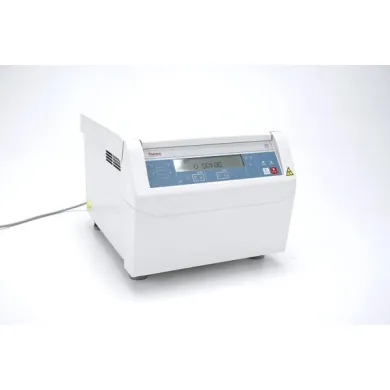
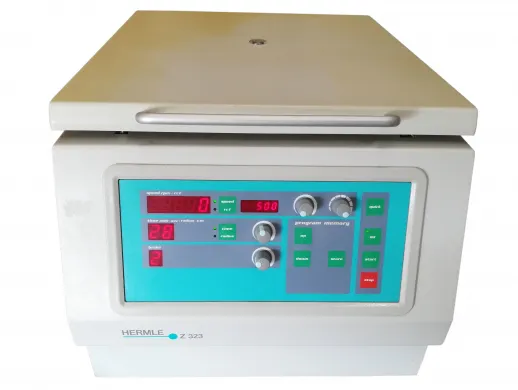
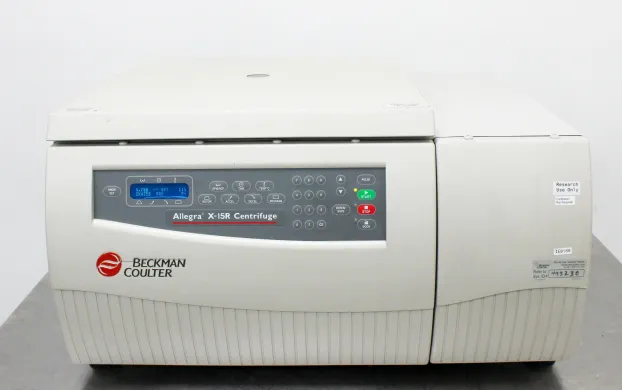
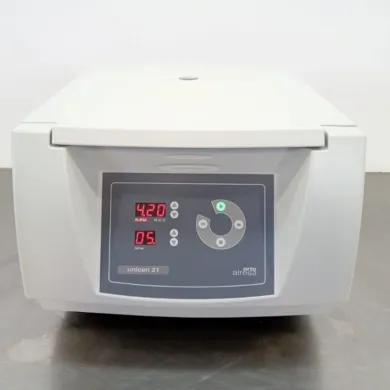
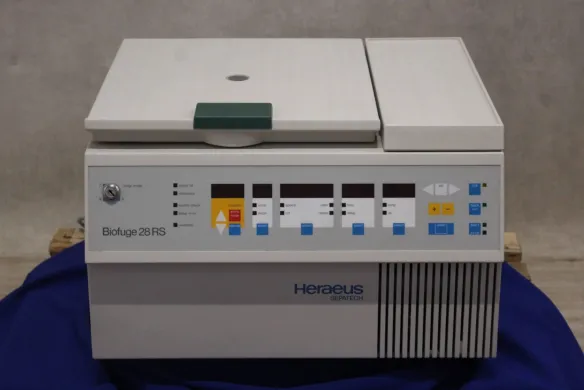
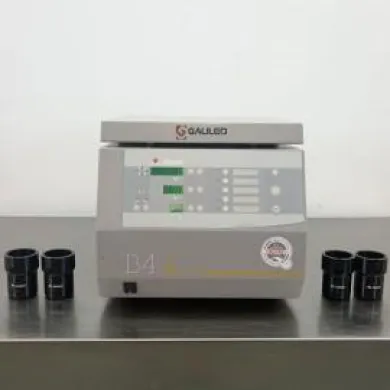
Benchtop centrifuges are the general-purpose middle ground, larger than a microcentrifuge and sized to sit on a laboratory bench rather than the floor. They accept a range of rotors, from microplate carriers to swing-out buckets for conical tubes, which makes them the shared workhorse of a mixed laboratory handling blood tubes, cell suspensions and larger sample volumes at once. This versatility is the point: a single benchtop model covers clinical sample preparation, cell harvesting for cell culture, and routine separations across microbiology and molecular diagnostics. Where a microcentrifuge is dedicated and a floor model is specialised, the benchtop unit earns its place by doing several jobs adequately, which is why laboratories buying one instrument for general separation work tend to land here.
Frequently asked questions
What is centrifugation equipment?
It is the class of laboratory instruments that separate the parts of a suspension by spinning samples at high speed, so denser material forms a pellet while lighter fractions stay in the supernatant. The category covers whole instruments along with the rotors and accessories they run with.
What does centrifugation actually mean?
Centrifugation is the process of applying rotational force to a sample so that components separate by density. The spinning generates relative centrifugal force, which drives heavier particles outward toward the bottom of the tube.
How do centrifuges work?
A motor spins a rotor loaded with sample tubes at high speed, and the resulting centrifugal force pushes denser components outward. The force depends on both the rotation speed and the rotor radius, which is why two instruments at the same rpm can deliver different separation.
What types of centrifuge are there?
Common types include benchtop centrifuges, laboratory centrifuges, microcentrifuges, high-speed centrifuges and refrigerated benchtop models, plus the centrifuge rotors they run with. Within rotors, fixed-angle heads hold tubes at a set angle for fast pelleting while swing-out heads pivot tubes to horizontal for flat separation boundaries.
What is centrifugation equipment used for?
It handles sample preparation across biology, chemistry and clinical work, from pelleting cells to clarifying lysates before analysis. Microcentrifuges serve DNA and RNA extraction, benchtop units process blood tubes and cell suspensions, and larger floor models clarify litres of culture.
How do I choose a centrifuge?
Match the maximum relative centrifugal force and the rotor capacity to what your protocol calls for, since protocols specify g-value rather than rpm. Decide separately whether you need refrigeration for temperature-sensitive samples, and confirm which rotors are included with the unit.
What is the difference between refurbished and used centrifuges?
A used unit is sold in its existing condition, while a refurbished unit has been checked and brought back to working order before listing. For either, the rotor history matters as much as the instrument, so confirm run logs and rotor dates where available.
How much does a centrifuge cost?
On the Questpair catalogue prices range from EUR 6 to EUR 601.762, with the average listing at EUR 2.634. The floor of that range is a bare rotor or a small benchtop unit, while the ceiling is an ultracentrifuge with its drive and controls intact.
Which brands make centrifuges?
Brands listed in this category include Eppendorf, Thermo Scientific, Beckman Coulter, Thermo Fisher Scientific and VWR. A widely sold brand means more rotors and parts in circulation and more comparable listings to weigh one offer against another.
Is there a warranty on a refurbished centrifuge?
A warranty is often possible and is arranged in consultation for the specific listing. Terms are not set centrally, so check the individual listing before you commit.
Can I get parts for a centrifuge?
Parts can be sourced via Questpair. Rotors in particular are consumable stressed components, so replacement heads, buckets and adapters are a regular part of owning a centrifuge.
How long does a centrifuge last?
The drive unit typically outlasts several rotors, which is why rotors and parts form a large share of the listings. Rotors themselves have a finite service life because aluminium fatigues over thousands of cycles, so a run log and manufacturing date tell you more than the age of the instrument.
Should I buy new or refurbished?
Used and refurbished units are listed at lower prices than new ones. With 94 percent of listings used, the comparison a buyer makes most often is between two second-hand units rather than against a new one, so weigh the individual listings and the warranty arranged for each.
Where can I buy centrifugation equipment?
Questpair lists 5160 centrifugation listings from 23 verified suppliers and distributors across 10 countries. You can compare whole instruments, rotors and accessories listed new, used and refurbished in one place.
What are the lead time and shipping like?
Lead time and shipping depend on the individual seller and where the unit is located, since listings come from suppliers across 10 countries. Check the specific listing or contact Questpair for timing on a particular item.
How are centrifuges calibrated and maintained?
Maintenance centres on the rotor and the drive: confirming speed, checking the lid interlock on power-up, and tracking rotor cycles against its rated service life. Questpair does not carry out servicing, but parts for upkeep can be sourced through it.
Which centrifuge types are listed most, and who buys which?
Among listings that specify a type, rotors and parts form the largest group, read by specialists who already own a base unit and need a replacement or an added format. Microcentrifuges go to molecular biology benches for small-tube work, and benchtop centrifuges are bought by mixed laboratories wanting one instrument for general separation.
Which brands dominate this category and what does that mean for me?
Eppendorf, Thermo Scientific, Beckman Coulter, Thermo Fisher Scientific and VWR occupy much of this field. A brand that is widely sold leaves more rotors and parts in circulation and gives you more comparable listings, which makes it easier to judge whether a single offer is priced fairly.
What separates the cheapest centrifuges from the most expensive?
At the bottom of the band sits a bare rotor or a small benchtop unit with limited capacity; at the top sits an ultracentrifuge with its drive and controls intact. Between them, the specifications that move price are maximum g-value, rotor capacity, and whether the unit is refrigerated.