

Scientific materials
We personally find you the right new, used and refurbished scientific materials instruments & equipment from verified suppliers.
Scientific materials are the physical infrastructure a laboratory is built from, the benches, storage cabinets, furniture and fabrication equipment that hold and support the work rather than perform a measurement. On Questpair the category spans 231 listings, offered new, used and refurbished by 13 verified suppliers and distributors across 7 countries. Among the current listings, 94 percent are used. This is less about a single instrument and more about how a laboratory space is equipped and laid out. The range runs wide, from small consumable items to complete fabrication machines, which is why prices cover such a broad band.
Updated:
Scientific materials product list


Not the exact instrument you need?
Tell our scientists what you are after. We track it down, including off-market supply.

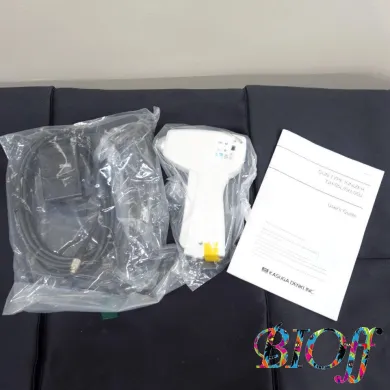
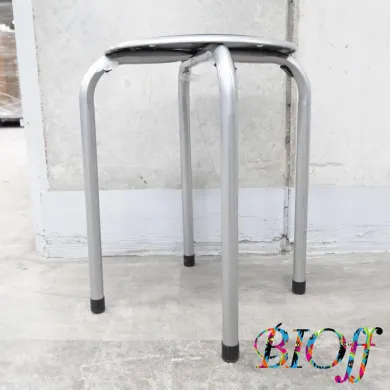
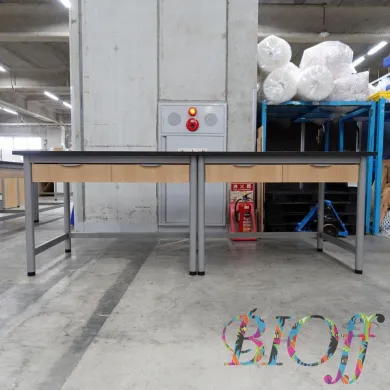
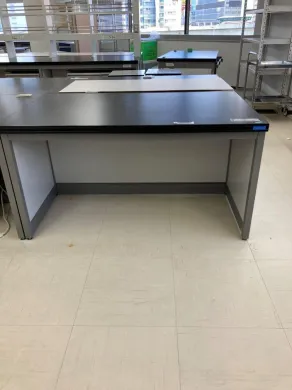
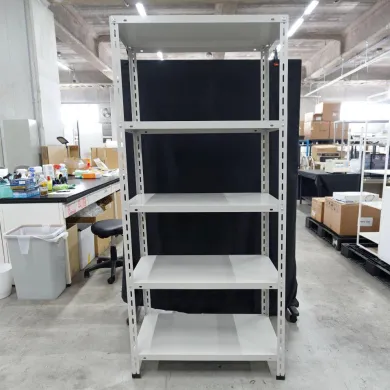
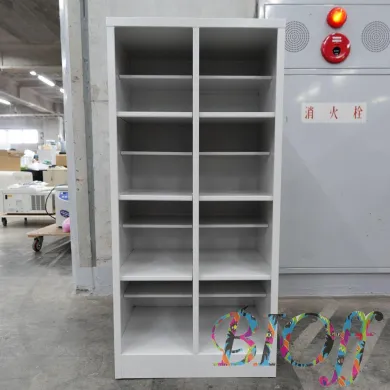
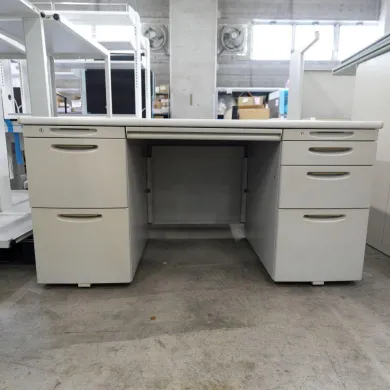
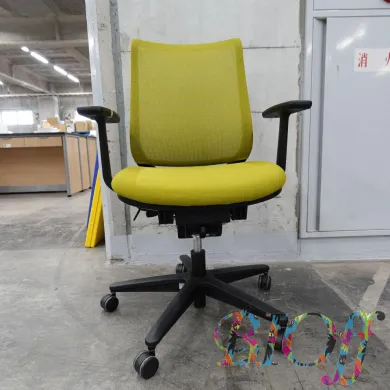
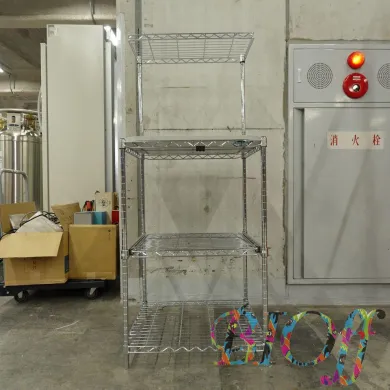
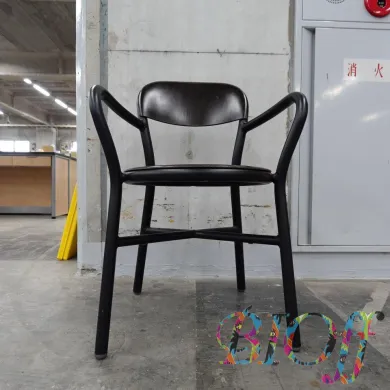
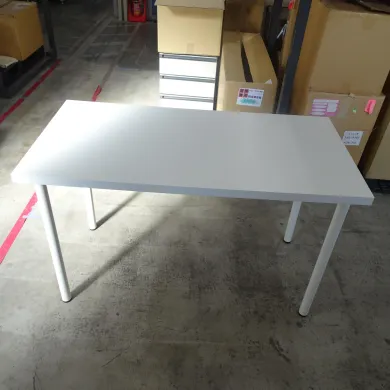
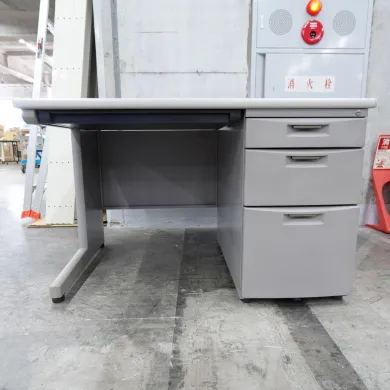
Not the exact instrument you need?
Tell our scientists what you are after. We track it down, including off-market supply.
Showing 1–40 of 150 listings
Show 40 more listingsBuying guide
The first thing a buyer settles here is not a specification at all, it is fit: what the item has to do in a particular room, and whether a used unit will survive being moved into it. Scientific materials cover benches that take chemical spills, cabinets rated for solvents or flammables, filing and mobile storage, and fabrication equipment such as 3d printers. A workbench chosen for a wet chemistry lab answers a different need than one for an electronics bench, so the decision starts from the task the surface or the enclosure has to withstand, then everything else follows from that.
Chemical resistance, load rating and dimensions are the specifications that actually decide a purchase of laboratory furniture. A worktop is epoxy resin, phenolic, stainless steel or laminate, and the material determines what it tolerates. A storage cabinet for flammables or corrosives is built to a safety standard, and that rating is the point of buying one rather than an ordinary cupboard. Measure the access route before the item, not after: a bench or a cabinet that will not pass a doorway is a problem no datasheet warns you about.
On a used unit the condition of the surface and the structure is what to verify, because this is furniture that has already lived one working life. Check a worktop for cracks, burns and chemical staining, check a cabinet's door seals and self-closing mechanism, and on fabrication equipment such as a 3d printer confirm the build platform, extruder and motion system still function and that firmware is accessible. These are mechanical items, so wear shows, and a photograph or a report from the seller settles most questions before a unit is shipped.
Price is where the breadth of the category shows most plainly. The range runs from EUR 6 to EUR 38.736, with an average around EUR 1.386. The low end is small consumable and accessory items, the high end is complete additive manufacturing machines, so the spread is a feature of what the category holds rather than a measure of value. Brands here read as Various, Unknown, ULINE, Bernina, ITOKI, a mix of generic and office-furniture names alongside equipment makers, which means a buyer on a budget has plenty to compare. Used and refurbished units are listed below the cost of new, which is the one price claim worth making, and refurbished items for sale here are the more affordable route into equipping a space. Where warranty matters, it is arranged in consultation against the specific listing.
Types of Scientific materials
Which types of scientific materials are listed?
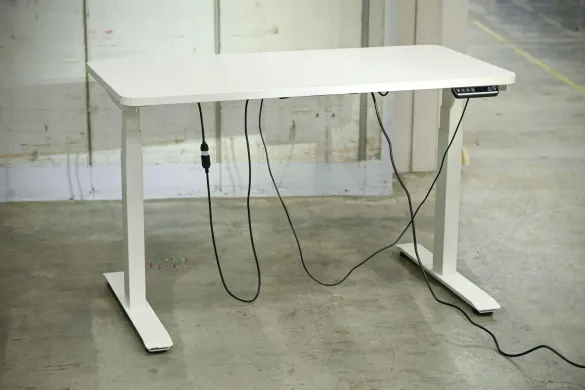
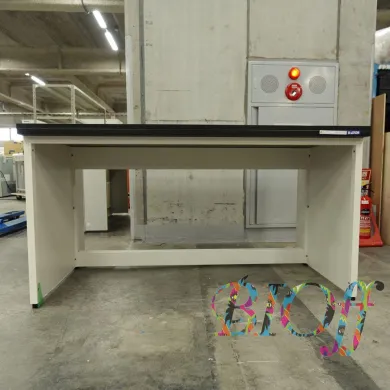
Among the listings that specify a type, the catalogue is built mostly from furniture and storage, with fabrication equipment alongside it. A laboratory workbench is the work surface itself, chosen by its top material and its frame, and it is the item most buyers come here for. A laboratory storage cabinet separates into general storage and the safety-rated kind built for flammables or corrosives, and the two are not interchangeable. Under laboratory furniture sit the pieces that complete a room, seating, shelving and support structures. A mobile filing cabinet and office-grade storage cross over from the administrative side of a facility. Additive manufacturing equipment and the 3d printer sit apart from all of this: they fabricate rather than store, and they bring their own research use with them.
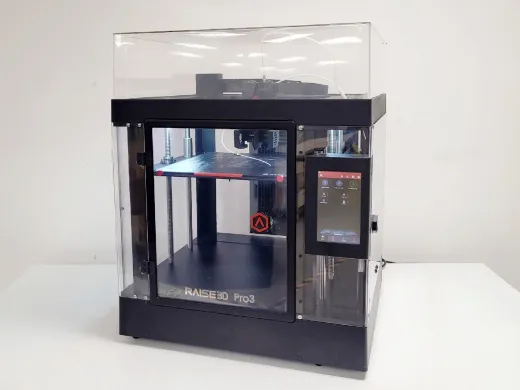
That fabrication equipment is where scientific materials touch life sciences and biomanufacturing most directly. A laboratory 3d printer prints bespoke labware, custom fixtures and microfluidic moulds, and additive manufacturing supports tissue engineering and bioprinting work where a printed scaffold carries cells. These machines are also used for rapid prototyping of consumables that a molecular biology or cell culture bench needs in a form no supplier stocks. A printed jig that holds a sample in a defined position turns a manual step into a repeatable one, which is where this equipment earns its place beside the storage and the benches.
The brands behind the scientific materials listings
Brands here read as Various, Unknown, ULINE, Bernina, ITOKI. Several of those are generic or unattributed rather than a single manufacturer, which is normal for a category this broad: a workbench frame or a storage cabinet often carries no strong brand identity, and that keeps prices competitive and comparison straightforward. Office-furniture names such as ULINE sit alongside equipment makers, so a buyer sourcing storage has a wide field. For fabrication equipment the brand matters more, because parts, filament compatibility and firmware access follow from it, and a named 3d printer is easier to support over time than an unbranded one.
What a used workbench or cabinet costs here
Among the current listings, 94 percent are used. Prices run from EUR 6 to EUR 38.736. The low figure is a small accessory or consumable item, the high figure a complete additive manufacturing system, so the band describes how much the category holds rather than the cost of any one thing. Parts can be sourced via Questpair where a used unit needs them, and warranty is arranged in consultation against the individual listing.
Frequently asked questions
What are scientific materials?
Scientific materials are the physical infrastructure of a laboratory: the benches, cabinets, furniture and fabrication tools that hold and support the work rather than take a measurement. The category covers both static items like workbenches and storage, and active fabrication gear like 3d printers.
What does the term scientific materials actually mean here?
On this page it means laboratory infrastructure and fabrication equipment, not reagents or consumables. The listings break into two groups: furniture and storage that support the work, and additive manufacturing tools that produce parts.
How do scientific materials work?
Infrastructure items like benches and cabinets work passively: they provide a stable, rated surface or a contained space for the work. Fabrication items like additive manufacturing equipment and 3d printers build parts layer by layer from a digital file, producing custom fixtures, jigs and prototype components.
What types are listed under scientific materials?
The recurring types are laboratory workbench, laboratory storage cabinet, laboratory furniture, additive manufacturing equipment, mobile filing cabinet and 3d printer. The first four are infrastructure that holds the work; the last two produce parts.
What are scientific materials used for?
Infrastructure items support and organise lab work: a bench provides a rated working surface, a cabinet contains glassware or flammables, a mobile filing cabinet rolls under a bench. Fabrication gear is used for rapid prototyping of custom labware, microfluidic devices, specimen holders and scaffolds for cell culture.
How do I choose a laboratory workbench or cabinet?
A workbench is chosen on working height, load rating and how its surface resists solvents and heat, so a chemistry bench and a general-purpose one are not interchangeable. A storage cabinet is chosen on what it has to hold, since a cabinet rated for flammables is built differently from one that just holds glassware.
What is the difference between refurbished and used scientific materials?
A used item is sold in its current condition, while a refurbished one has been checked and brought back to working order before listing. Both are listed below the price of new; the specific condition is stated on each individual listing.
How much do scientific materials cost?
Prices range from EUR 6 to EUR 38.736, with an average around EUR 1.386. The spread is wide because the category holds both a single accessory and a complete additive manufacturing unit.
Which brands appear in this category?
The brand field reads Various, Unknown, ULINE, Bernina and ITOKI. Various and Unknown are not makers but the absence of a recorded brand, which is common for furniture and fabrication gear where the model matters more than the badge.
Is a warranty available on refurbished scientific materials?
A warranty is often possible and is arranged in consultation for the specific listing. Check the individual entry to confirm what applies to that item.
Can I get replacement parts for lab furniture?
Parts for furniture are largely generic: castors, shelves and drawer runners, so availability is rarely the constraint it is for an instrument. Parts can be sourced via Questpair when needed.
How long do scientific materials last?
Infrastructure items like benches and steel cabinets have long service lives because they have few moving parts; wear tends to be in castors, runners and surfaces, all of which are replaceable. Fabrication equipment like 3d printers depends more on usage and the condition of moving and heated components.
Should I buy new or refurbished?
Used and refurbished units are listed at lower prices than new, which is the firm difference the catalogue supports. Where a warranty matters, it is arranged in consultation for the specific listing, so compare the individual entries rather than the condition label alone.
Where can I buy scientific materials?
They are listed on Questpair from 13 verified suppliers and distributors across 7 countries, with 231 items in total. Each listing names its own seller, condition and price.
What about lead time and shipping?
Lead time and shipping depend on the individual listing, the seller and the size of the item, since a mobile filing cabinet and a complete fabrication unit ship very differently. Confirm these details on the specific entry before ordering.
Do these items need calibration or maintenance?
Furniture and storage need little beyond replacing worn castors, runners or shelves. Additive manufacturing equipment and 3d printers benefit from routine upkeep of moving parts and build surfaces; Questpair does not perform servicing, but parts can be sourced through it.
Which types are listed most, and who buys which?
The infrastructure group, workbenches, storage cabinets, laboratory furniture and mobile filing cabinets, serves any lab fitting out or expanding bench space and storage. The fabrication group, additive manufacturing equipment and 3d printers, is reached for by molecular biology, bioprocessing and tissue engineering work that needs custom parts no supplier stocks. A buyer rarely shops both at once.
Which brands dominate this category, and what does that mean for a buyer?
The list leads with Various and Unknown, which means much of the category carries no recorded brand, so a buyer weighs the item on its specification and condition rather than the badge. For named brands like ULINE, Bernina and ITOKI, a comparable unit can usually be found alongside, so a price and condition can be checked against a second listing.
What separates the cheapest listings from the most expensive?
At the low end sit single accessories and light items like a mobile filing cabinet, a pedestal unit on castors. At the high end sit complete additive manufacturing units with working mechanisms and build systems, which is why the band runs all the way from EUR 6 to EUR 38.736.