

Labelers
We personally find you the right used, refurbished and new labelers instruments & equipment from verified suppliers.
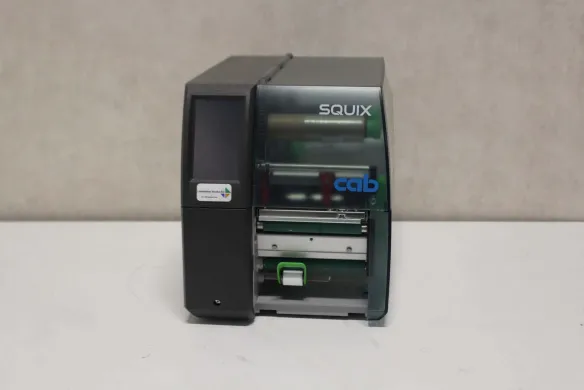
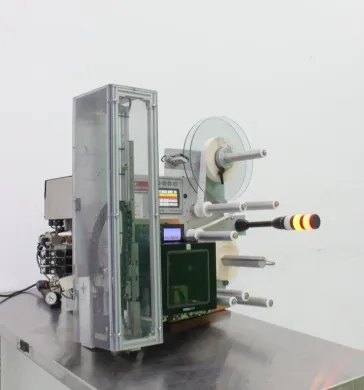
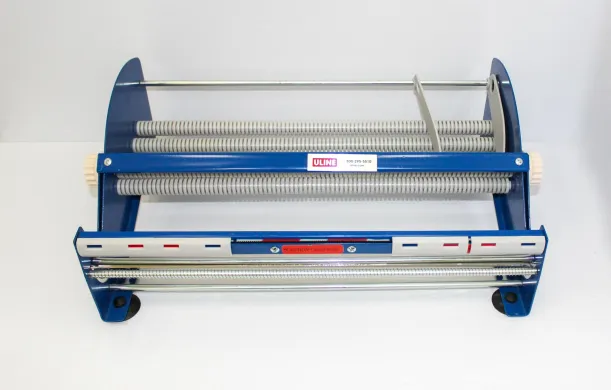
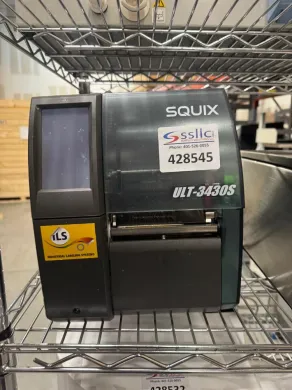
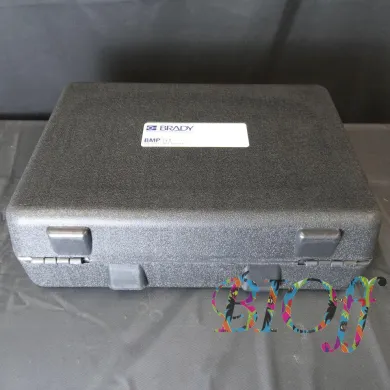
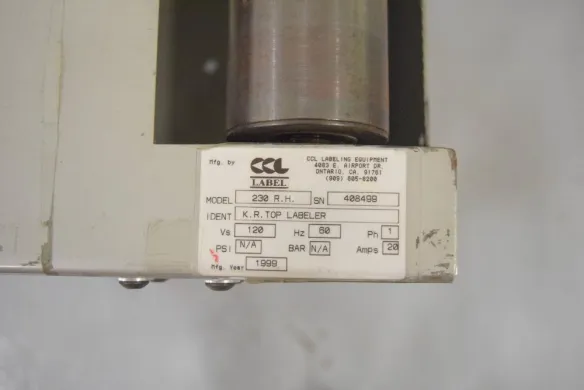
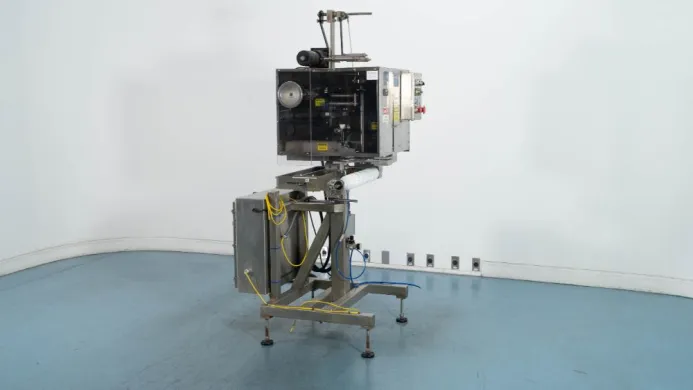
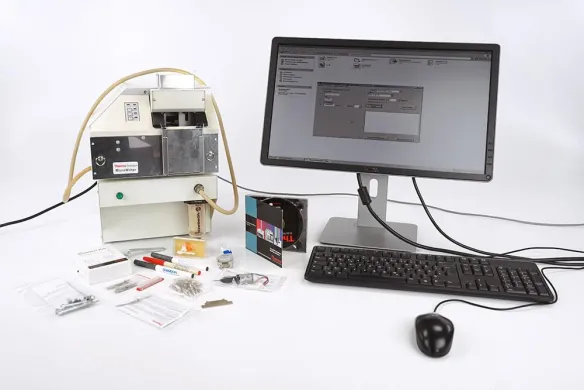
Labelers are printers that produce adhesive labels, marking laboratory samples, reagent containers, equipment and inventory with text, barcodes or both. The category covers barcode printers, thermal transfer models and direct thermal units, in formats that range from compact benchtop printers to industrial systems built for continuous runs. On Questpair, 98 percent of the listings are used, and new, used and refurbished machines all appear. Prices across the catalogue run from EUR 22 to EUR 29.098, a spread that separates a small desktop label printer from a high-throughput industrial line. The 141 listings come from 11 verified suppliers and distributors across 5 countries, which is what lets a buyer compare a given model across more than one offer.
Updated:
Labelers product list
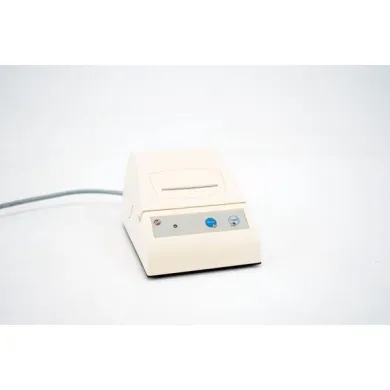
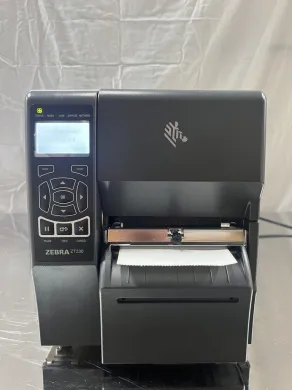
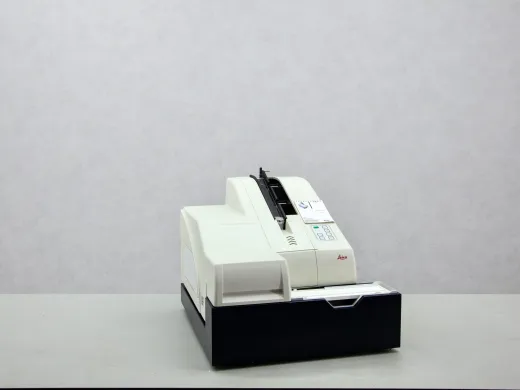
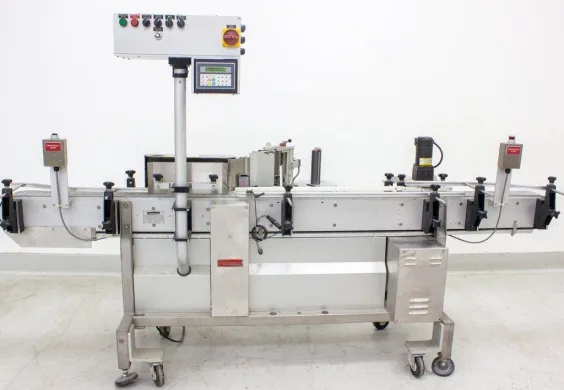


Not the exact instrument you need?
Tell our scientists what you are after. We track it down, including off-market supply.
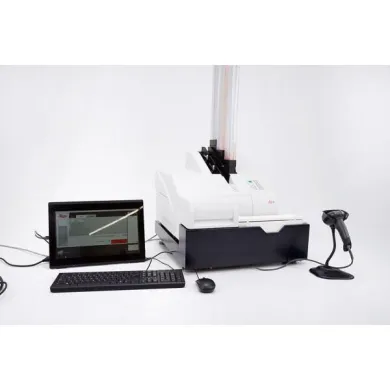
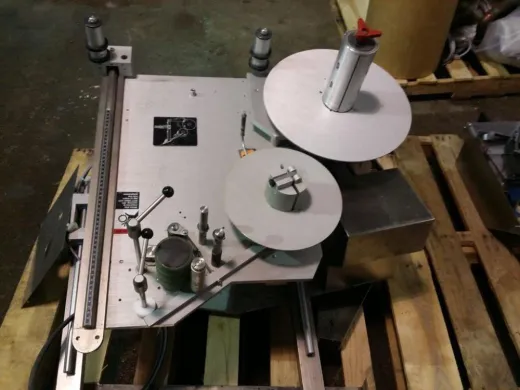
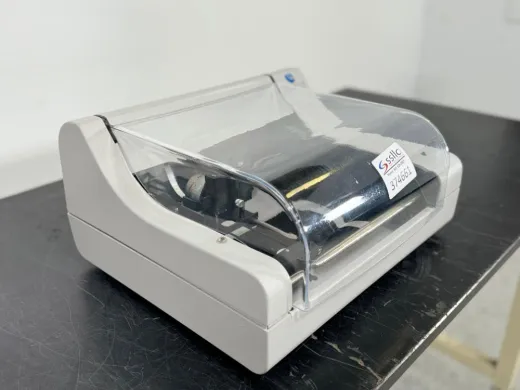
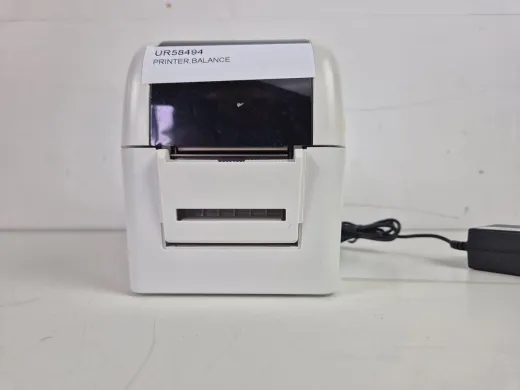
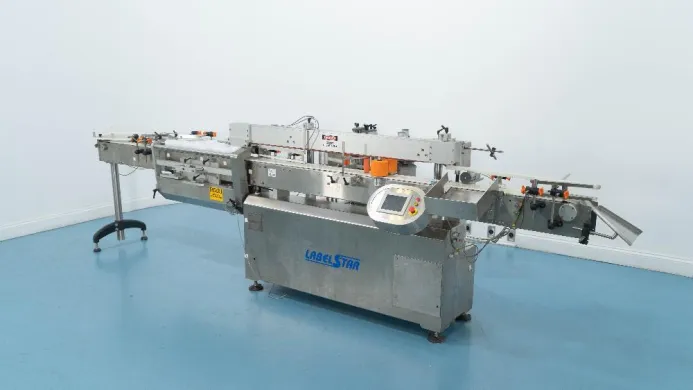
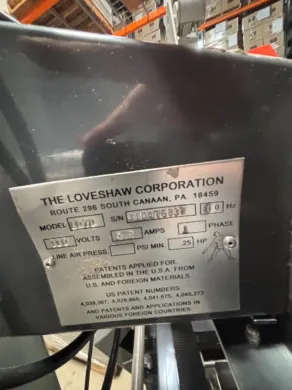
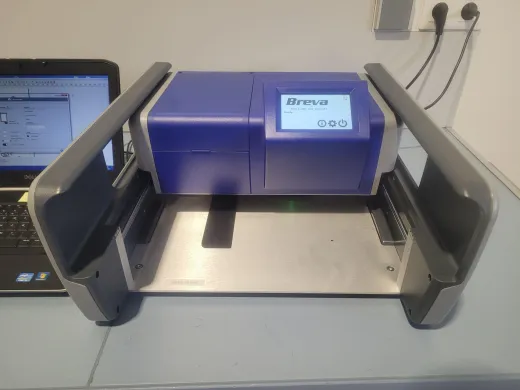
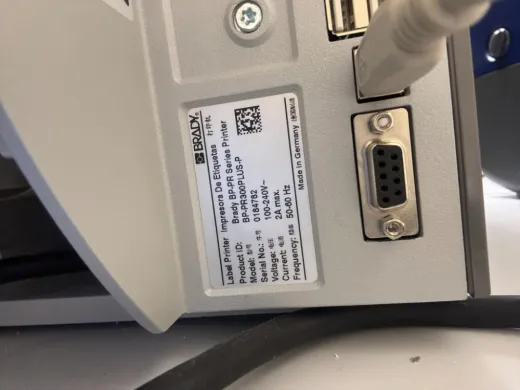
Buying guide
Choosing a labeler: print method decides the rest
The print method is the first thing to settle, because it governs how long a label lasts and what you spend per label. Direct thermal printers mark heat-sensitive paper with no ribbon, which keeps running costs low but produces a label that fades under heat, light or solvent exposure, so they suit short-lived uses such as shipping or temporary sample tags. Thermal transfer printers melt ink from a ribbon onto the label, which costs more per label but survives autoclaving, freezer storage and chemical contact, and that durability is why most laboratory labelling of long-stored samples goes this route. Settle this before brand or price, because the wrong method produces labels that peel or blank out in the exact conditions a lab subjects them to.
Resolution and label width come next, expressed in dots per inch and in the maximum media width the unit accepts. A 300 dpi head renders small barcodes and the fine text of a cryovial label legibly where a 203 dpi head does not, and the media width caps what you can print, so a printer rated for 100 mm media cannot produce a wider asset tag. Match both to the smallest label you need and the widest, since a labeler sits at one fixed head resolution.
On a used unit, the printhead is the component that wears, and a worn head leaves faint vertical gaps down every label. Ask for recent print samples and the approximate print mileage, and confirm the media and ribbon the model still takes, because a discontinued ribbon format turns a working printer into a paperweight. Check that the connectivity suits your setup too, as older serial-only units may not pair with current label software.
Price sorts the field clearly. What a desktop labeler costs sits near the bottom of the range at EUR 22, which fits a modest budget for bench-side sample marking, while industrial systems reach EUR 29.098. The average listing lands at EUR 1.345. Refurbished and used units are listed for sale below new prices, which is where most of the affordable stock sits, and the brands that fill these bands are Zebra, Brady, Zebra Technologies Corporation, Dymo, Brady Worldwide, Inc..
Types of Labelers
Which labeler types are listed here?
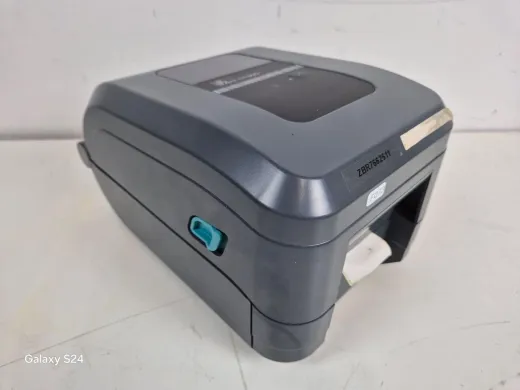
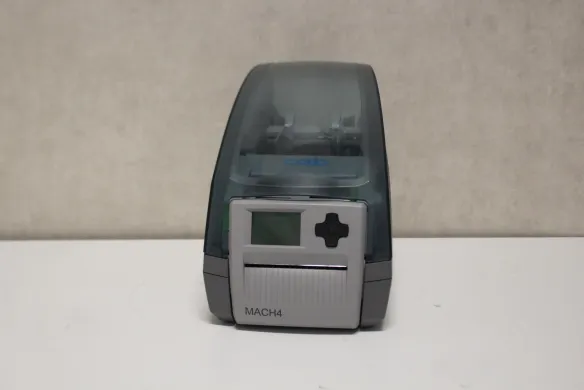
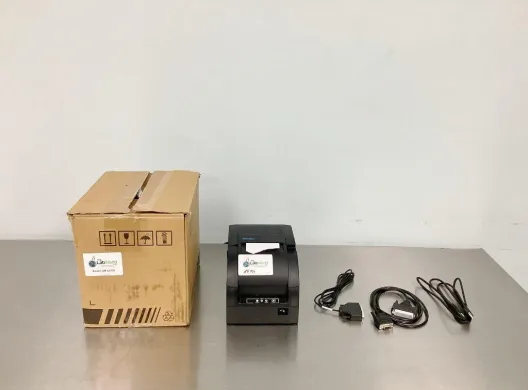
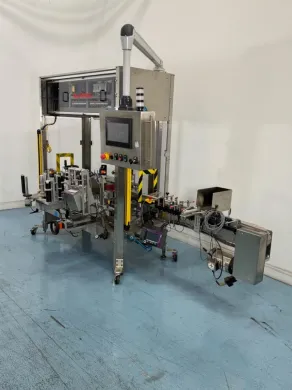
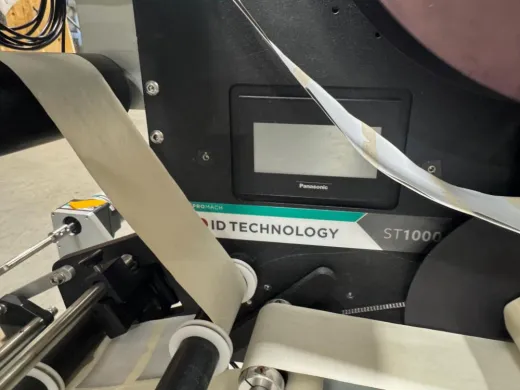
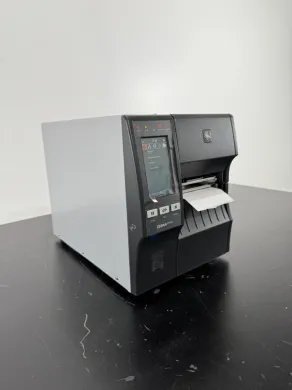
Among the listings that specify a type, the catalogue runs barcode printer, industrial label printer, thermal transfer printer, label printer, direct thermal printer, thermal printer. Barcode printers are the most common, built to render scannable code alongside human-readable text and reached for wherever samples feed an inventory or tracking system. Industrial label printers are the heavy-duty end, engineered for continuous high-volume runs and the larger media widths a production or warehouse setting needs. Thermal transfer printers and direct thermal printers divide along the ribbon question covered above: transfer models for labels that must survive freezer, autoclave or solvent, direct thermal for short-lived marking where a ribbon is an unnecessary cost. The plain label printer sits between these, a general desktop machine for routine sample and container marking.
In a life sciences setting these machines do the labelling that underpins sample traceability. Cryovial and microplate marking for cell culture and biobanking relies on thermal transfer printers whose labels hold through liquid nitrogen storage, and barcode printers feed the sample tracking behind genomics and proteomics workflows, where a mislabelled tube corrupts a dataset. A laboratory barcode printer for molecular diagnostics must render a code dense enough to scan reliably off a narrow tube, and histology and microbiology labs also use these printers to tag slides, cassettes and culture plates. The durable thermal transfer label is what makes a sample identifiable months after it entered a freezer.
The brands behind the labeler listings
The names that recur are Zebra, Brady, Zebra Technologies Corporation, Dymo, Brady Worldwide, Inc.. Their presence shapes what a buyer can actually do: a widely sold brand means more than one listing of the same model to compare, spare printheads and platens that are still stocked, and media and ribbon formats that remain in production. A printer from a maker with a thin second-hand presence is harder to price against anything and riskier on parts. Checking the brand and model against what else is listed is the quickest way to gauge both availability and a fair figure.
What a used labeler costs here
Of the catalogue, 98 percent of the listings are used, and new machines appear alongside them. Prices range from EUR 22 to EUR 29.098, with the average at EUR 1.345. That spread covers everything from a compact direct thermal desktop unit to an industrial thermal transfer line, so the figure that matters is the one attached to the model you need, read against the other offers for it. A warranty is arranged in consultation for the specific listing, and parts can be sourced via Questpair.
Frequently asked questions
What is a labeler?
A labeler is a printer that produces adhesive labels for sample tubes, containers, shelves, and equipment in laboratory and industrial settings. It converts a sample identifier or inventory code into a printed label that survives handling, storage, and exposure to chemicals.
What does labeler mean?
The term refers to any device that prints and applies, or prepares, adhesive labels. In a lab context it usually means a desktop or industrial printer that outputs text and barcodes onto label media rather than a machine that physically sticks labels onto products.
How do labelers work?
They place an image onto label stock by one of two heat-based methods. Direct thermal printers heat a coated paper or film with no ribbon, while thermal transfer printers melt ink from a ribbon onto the label; the second method produces marks that last longer under solvent, cold, and abrasion.
What types of labelers are there?
The catalogue covers barcode printers, industrial label printers, thermal transfer printers, label printers, direct thermal printers, and thermal printers. Some of these names describe the printing mechanism and others describe the output, so a barcode printer and a label printer are often the same machine configured differently.
What are labelers used for?
They label sample tubes, reagent containers, storage shelves, and equipment, and in genomics or inventory work they print machine-readable barcodes that link a tube back to its record. The durability needed depends on the use: short-lived queue tags versus archive labels that must survive freezing and long storage.
How do I choose a labeler?
Start with how long the label must last and under what conditions. Direct thermal suits short-lived labels and costs less to run, thermal transfer suits solvent exposure, freezing, and long storage, and media width plus print volume decide whether a desktop or industrial unit fits.
What is the difference between refurbished and used labelers?
A used labeler is sold in its existing working condition, while a refurbished one has been checked and reconditioned before listing. Both are listed below new prices on Questpair, and the specific condition is described in each listing.
How much does a labeler cost?
Listings range from EUR 22 for a basic desktop model to EUR 29.098 for a high-throughput industrial system, with an average of EUR 1.345. The wide spread covers both the benchtop printing station and the production-line labeller under one heading.
Which labeler brands come up most often?
The listings cluster around Zebra, Brady, Zebra Technologies Corporation, Dymo, and Brady Worldwide, Inc. These are the makers whose ribbons, printheads, and media formats appear most across the catalogue.
Is a warranty available on a refurbished labeler?
A warranty is often possible and is arranged in consultation for the specific listing. Check the individual listing and ask the supplier what terms apply to that unit.
Can I get parts for a labeler?
Parts such as ribbons, printheads, platen rollers, and media cartridges can be sourced via Questpair. The concentration of listings around a small number of makers means these consumables are widely stocked.
How long does a labeler last?
Lifespan depends on print volume and the wear on consumable parts, chiefly the printhead and platen roller, which are replaceable. An industrial unit built for continuous runs is designed for higher duty than a desktop model, but both rely on routine consumable replacement to keep printing cleanly.
Should I buy a new or a refurbished labeler?
Used and refurbished labelers are listed at lower prices than new. Beyond price, compare the condition described in each listing and confirm what warranty can be arranged for that specific unit.
Where can I buy a labeler?
Questpair lists labeler units from verified suppliers and distributors. The catalogue holds 141 listings from 11 suppliers across 5 countries.
What is the lead time and shipping on a labeler?
Lead time and shipping depend on the individual supplier and the unit's location among the 5 countries represented. The details are set per listing, so confirm them with the supplier before ordering.
What calibration and maintenance does a labeler need?
Routine maintenance centres on cleaning the printhead, replacing worn rollers, and loading correct media and ribbon, with occasional sensor calibration so the printer registers label gaps correctly. Thermal transfer units also need ribbon matched to the label material for a durable mark.
Which labeler types are listed most, and who reaches for each?
Thermal transfer printers appear often because their output resists solvents and freezing, which suits sample tracking and archive labelling. Direct thermal printers are chosen for short-lived labels like sample queues or temporary shelf tags, while industrial label printers go to production lines running continuous volume on wider media.
Which brands dominate this category and what does that mean for a buyer?
Zebra, Brady, Dymo, and their corporate entities account for the bulk of the listings. For a buyer this means consumables and parts are widely stocked, and two units from the same maker share a configuration language and media format, so a shortlist is easier to compare.
What separates the cheapest labelers from the most expensive here?
The bottom of the band is the compact desktop labeller built for low volume and narrow media, near EUR 22. The top, near EUR 29.098, is the industrial system built for continuous runs and wider media, and that gap in throughput and media capacity is what the price reflects.