

Sealing
We personally find you the right used, refurbished and new sealing instruments & equipment from verified suppliers.
Sealing equipment is the class of laboratory devices that close containers, tubing and packaging by applying heat, pressure or a crimped joint to form a permanent or sterile barrier. The catalogue lists new, used and refurbished units, and among the current listings 99 percent are used. Across 207 listings from 13 verified suppliers and distributors in 8 countries, the field runs from benchtop heat sealers to tube sealers built for aseptic bioprocessing. Prices on Questpair range from EUR 17 to EUR 17.500. A laboratory sealer is chosen for the seal it has to make, pouch, tube or bag, rather than for a single headline specification.
Updated:
Sealing product list
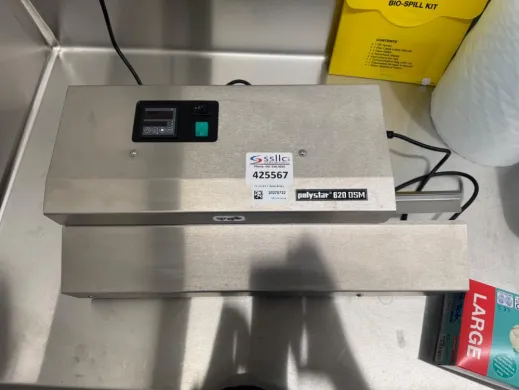
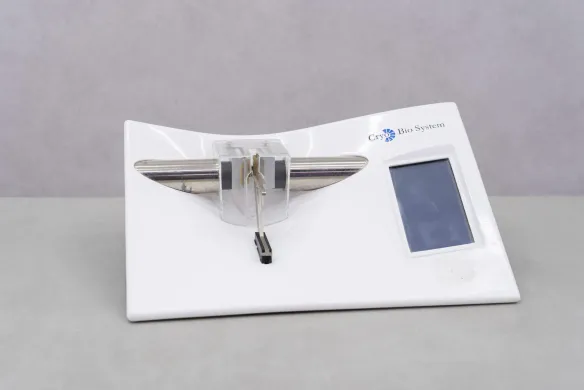
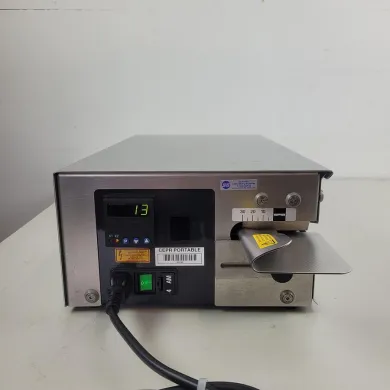
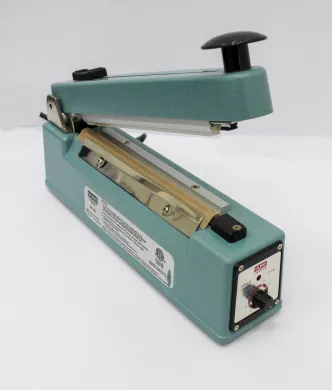
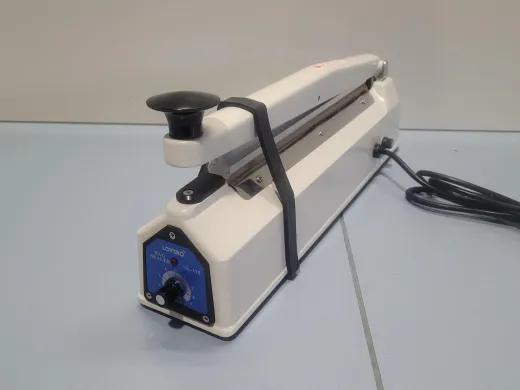


Not the exact instrument you need?
Tell our scientists what you are after. We track it down, including off-market supply.
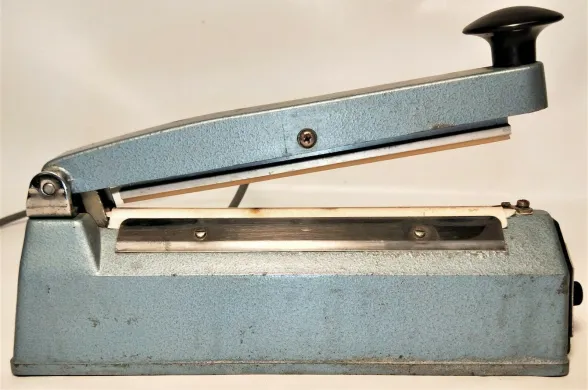
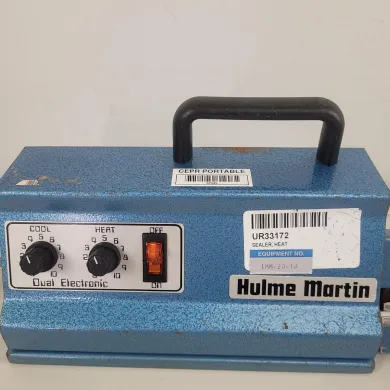
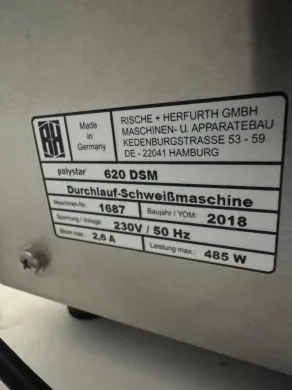
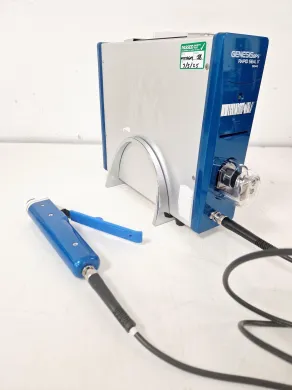
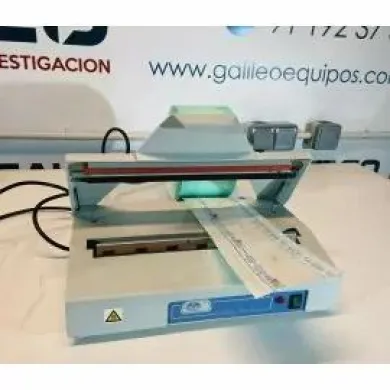
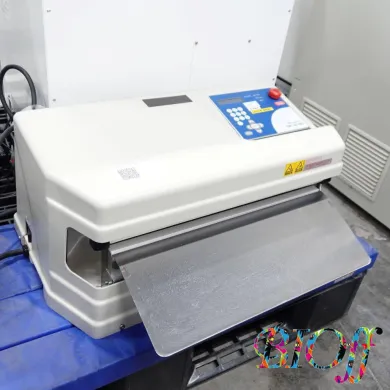
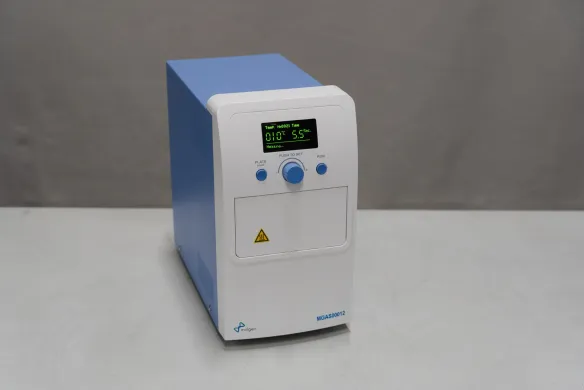
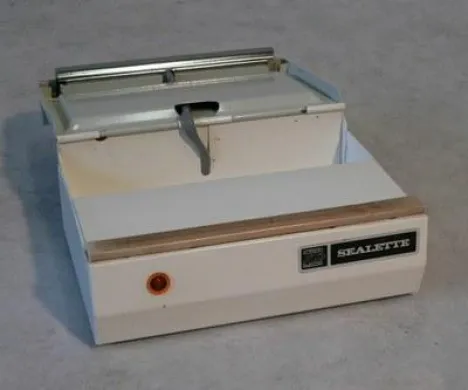
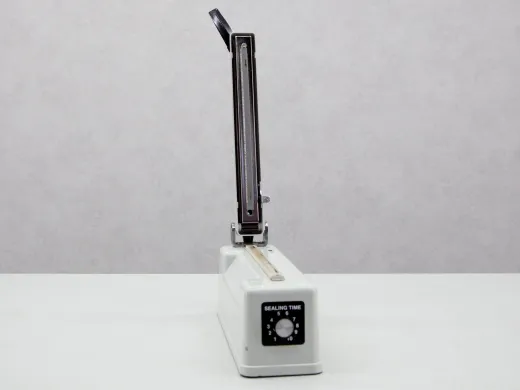
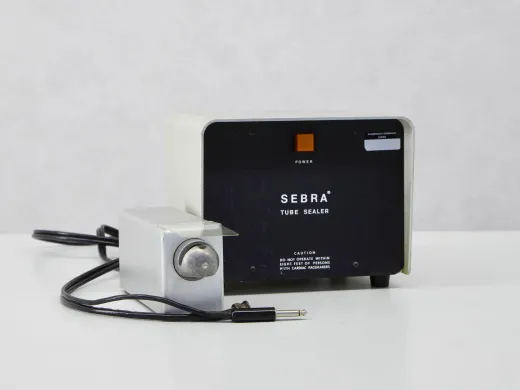
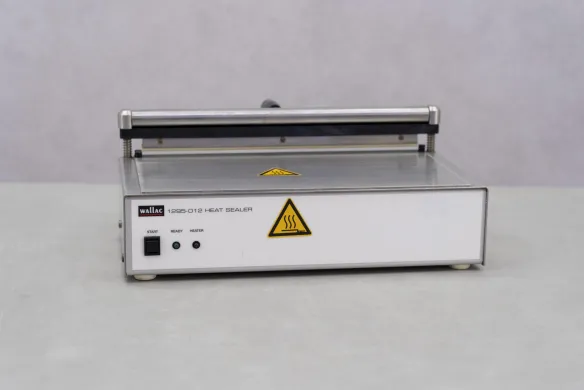
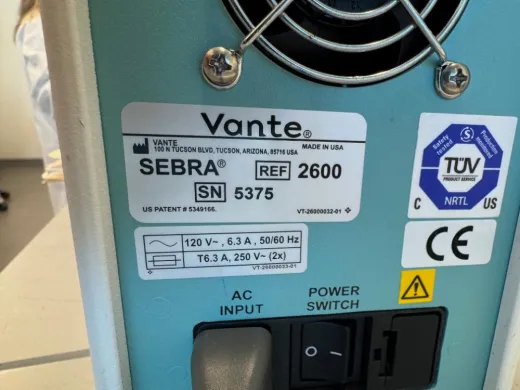
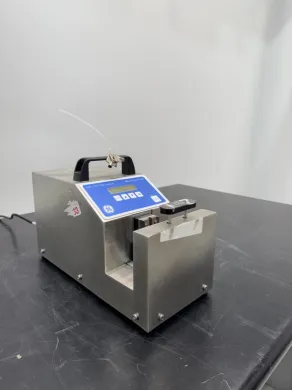
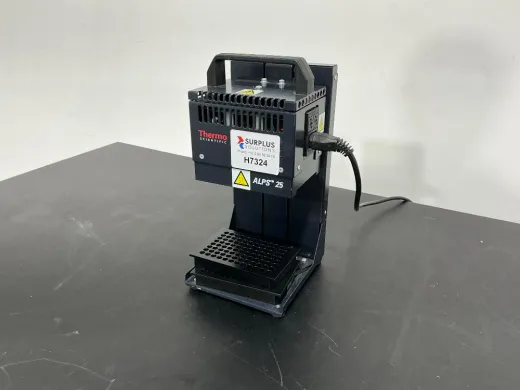
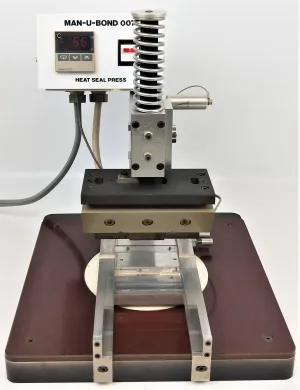
Not the exact instrument you need?
Tell our scientists what you are after. We track it down, including off-market supply.
Showing 1–40 of 107 listings
Show 40 more listingsBuying guide
What settles the purchase of a laboratory sealer is the joint it has to make, and that comes before brand or price. A heat sealer that closes foil pouches works on a different principle from a tube sealer that pinches and welds flexible thermoplastic tubing shut, and a device built for one will not do the other. Decide first whether you are sealing flat packaging, in which case band and impulse sealers dominate, or closing tubing in a fluid path, where radio-frequency or heat-weld tube sealers are the tool. For aseptic work the seal has to hold sterility, so the question is not only whether it closes but whether it closes without opening the fluid path to the room.
The specification that follows from that choice is the seal dimension and the material range. Pouch sealers are rated for a maximum seal width and a film thickness; tube sealers are rated for an inner and outer tubing diameter and for the thermoplastic they can weld, since the same machine will not take both PVC and a thermoplastic elastomer without the right insert. Check the throughput too, because a validated tube sealer that produces one weld every few seconds behaves very differently in a production line than a bench unit meant for occasional use.
On a used unit, the heating element and the jaw or die are what wear. For a heat sealer, confirm the element reaches temperature evenly across the full seal width, since a cold spot leaves a channel that fails under pressure. For a tube sealer, inspect the clamp faces and ask whether the unit has been through any recalibration, because a weld that looks closed but has drifted out of its validated window is the failure that matters most in a sterile process. Where a listing is sold without supplier testing, treat the seal integrity as unverified until you have run your own test welds.
Price spans a wide band here. A simple impulse sealer for the bench and a validated, automated tube sealer for a bioprocessing suite are both in this catalogue, which is why the range runs from EUR 17 to EUR 17.500. Prices on the whole run from EUR 17 to EUR 17.500. A used or refurbished unit costs less than the equivalent new machine, so a buyer working to a fixed budget can usually find an affordable sealer in the band that a comparable new purchase would not reach. The brands carrying the most listings, Vante, Sartorius Stedim, Thermo Fisher Scientific, Sartorius, GE, occupy different parts of that band, with the simpler benchtop sealers at the lower end and the tube-sealing systems built for aseptic transfer at the top.
Types of Sealing
Which sealer types are listed here?
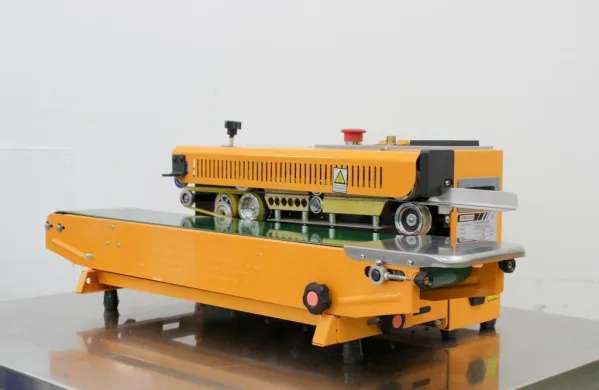
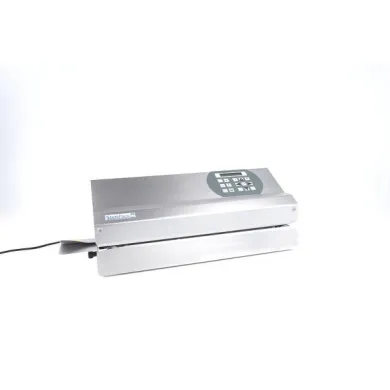
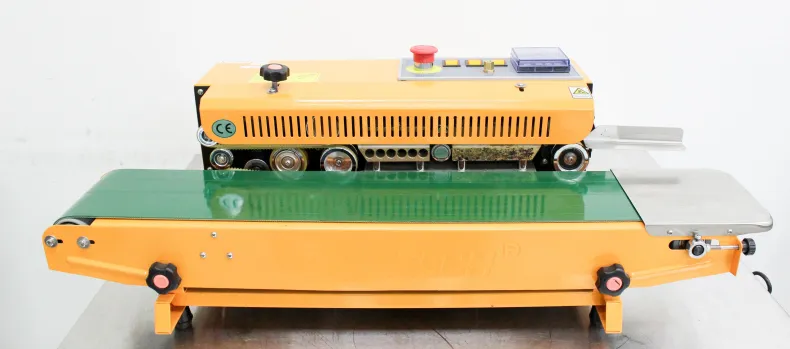
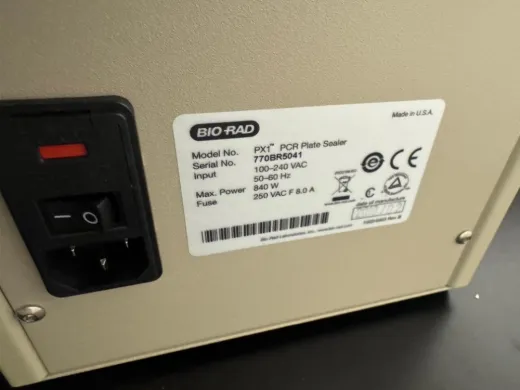
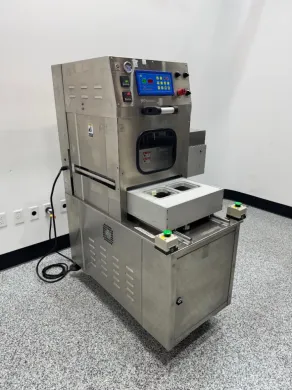
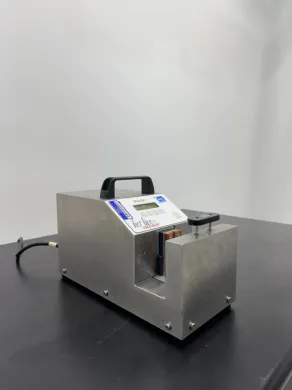
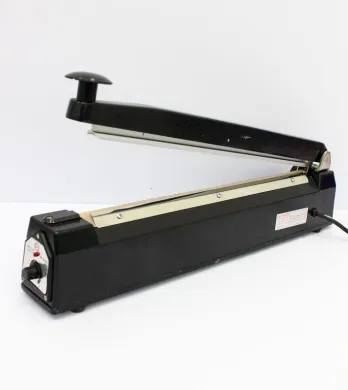
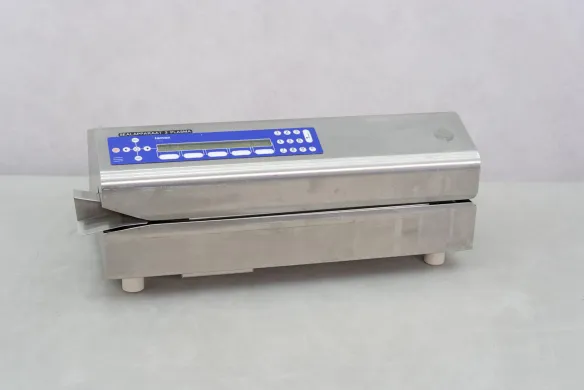
Among the listings that specify a type, the catalogue divides into a handful of recognisable classes: heat sealer, tube sealer, laboratory packaging equipment, laboratory heat sealer, bioprocessing equipment, laboratory sealer. A heat sealer closes flat packaging by melting the film faces of a pouch or bag together under a heated bar, and it is the general workhorse for sample bags, foil pouches and sterilisation packaging. A laboratory heat sealer is the same principle built to a documented standard for medical-device and pharmaceutical packaging, where seal strength has to be reproducible rather than merely adequate. A tube sealer is a different machine entirely: it clamps a length of flexible thermoplastic tubing and welds it shut, either by heat or by radio-frequency energy, so the fluid path is closed without ever being opened to the air. Laboratory packaging equipment is the broader group these sit within, and a plain laboratory sealer is the entry-level bench unit that does not carry a validated process behind it.
What a sealer does in bioprocessing and life sciences
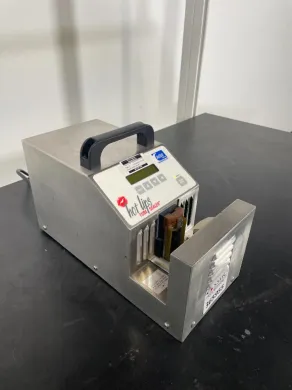
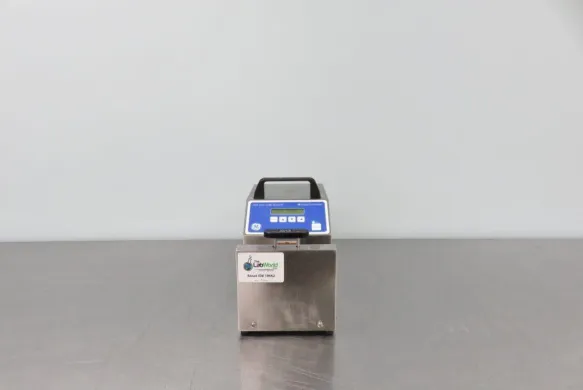
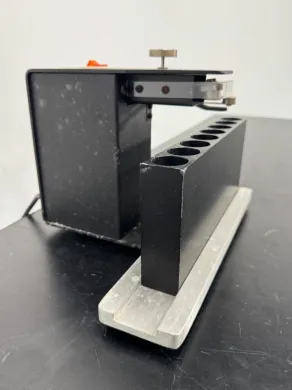
Tube sealers are core to bioprocessing and biomanufacturing, where a single-use fluid path has to be closed and separated aseptically. A sterile tube sealer makes the disconnection that moves product from one bag to the next without breaking containment, which is how single-use cell culture and protein purification trains hold sterility between unit operations. Heat sealers in the life sciences close the pouches that hold sterilised consumables and the sample bags used across microbiology and molecular biology, and they seal the packaging that goes through autoclave and gamma sterilisation. A laboratory heat sealer for medical packaging also validates the seals on the pouches used in histology and diagnostic assay kit assembly. These machines do not run an assay themselves, but the integrity of the seal is what keeps a sterile cell culture sterile and a sealed reagent kit stable.
The brands behind the sealing listings
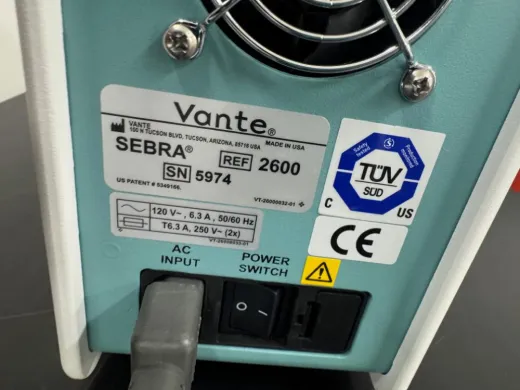
The names carrying the most listings are Vante, Sartorius Stedim, Thermo Fisher Scientific, Sartorius, GE. For a buyer this matters in two practical ways. A brand that appears often means more units to compare and a better chance of finding the exact seal width or tubing diameter you need, and it usually means spare clamps, dies and heating elements are easier to source. Vante and the Sartorius lines are strongly associated with tube sealing for single-use bioprocessing, which places them toward the specified, higher end of the range, while the more general heat sealers sit lower. Parts for any of these can be sourced via Questpair.
What a used sealer costs on Questpair
The condition mix is heavily weighted toward pre-owned stock: among the current listings 99 percent are used. Prices run from EUR 17 to EUR 17.500. That spread is real rather than noise, because it covers everything from a bench impulse sealer to an automated, validated tube welder, and the average sits at EUR 1.920. A used or refurbished unit is listed below the price of the equivalent new machine, and where a warranty matters it is arranged in consultation for the specific listing.
Frequently asked questions
What is sealing equipment?
Sealing equipment is the group of laboratory devices that close containers, tubing or packaging by applying heat, pressure or a crimped joint to form a permanent or sterile barrier. The result ranges from a welded pouch to a closed fluid-path tube weld.
What does sealing mean in a laboratory context?
It means forming a closed joint that keeps a sample, consumable or fluid path isolated from the outside. In aseptic work it specifically means closing without opening the path to the room air, so sterility holds between steps.
How do lab sealers work?
A heat sealer melts the two film faces of a pouch together under a heated bar, while an impulse sealer pulses current through a wire to do the same without staying hot. A tube sealer clamps flexible thermoplastic tubing and welds it shut by heat or by radio-frequency energy.
What types of sealers are there?
The catalogue lists heat sealers, tube sealers, laboratory heat sealers, laboratory packaging equipment, bioprocessing equipment and plain laboratory sealers. Flat-packaging sealers and tubing sealers are the two fundamentally different machines within that list.
What are sealers used for?
Heat sealers close the pouches and sample bags that carry sterilised consumables through autoclave and gamma processing. Tube sealers close and separate single-use fluid paths in cell culture and protein purification without breaking containment.
How do I choose a lab sealer?
Start with the joint it has to make: flat packaging calls for a band or impulse sealer, a fluid path calls for a heat-weld or radio-frequency tube sealer. Then match the seal width or tubing diameter and the material range, since a machine rated for one film thickness or one thermoplastic will not cover another without the right insert.
Refurbished versus used, what is the difference?
A used unit is sold in its existing condition, while a refurbished one has been reconditioned before listing. For either, confirm what testing the supplier performed, because on a sealer the heating element and the jaw or die are what wear.
How much does a sealer cost?
Prices on Questpair range from EUR 17 to EUR 17.500, with the average at EUR 1.920. A bench impulse sealer sits near the bottom and a validated, automated tube welder near the top, which is what makes the band so wide.
Which brands carry the most sealing listings?
The names appearing most often are Vante, Sartorius Stedim, Thermo Fisher Scientific, Sartorius and GE. Vante and the Sartorius lines are associated with tube sealing for single-use bioprocessing, which places them toward the higher end, while general heat sealers sit lower.
Is there a warranty on a refurbished sealer?
A warranty is often possible and is arranged in consultation for the specific listing. Check the individual listing to see what the supplier offers for that unit.
Can I still get parts for these machines?
Parts such as clamps, dies and heating elements can be sourced via Questpair. Brands that appear more often in the catalogue tend to have easier access to these wearing components.
How long does a lab sealer last?
Service life depends on duty cycle and on the wearing parts, which are the heating element and the jaw or die. A bench unit used occasionally lasts far longer per element than a tube sealer running one weld every few seconds in a production line.
New versus refurbished, which should I buy?
Used and refurbished sealers are listed below the price of the equivalent new machine, so a fixed budget reaches further with pre-owned stock. Where warranty matters, it is arranged in consultation for the specific listing, so compare the individual listings rather than assuming a condition difference beyond price.
Where can I buy a lab sealer?
Questpair lists sealers from verified suppliers and distributors. Across the catalogue there are 207 listings from 13 suppliers in 8 countries.
What are the lead time and shipping like?
Lead time and shipping depend on the individual supplier and on where the unit ships from across 8 countries. The specific listing carries the detail, and Questpair specialists respond within one hour if you need to confirm it.
Does a sealer need calibration and maintenance?
A tube sealer that runs a validated process needs recalibration, because a weld that looks closed but has drifted out of its validated window is the failure that matters in a sterile path. For a heat sealer, confirm the element reaches temperature evenly across the full seal width, since a cold spot leaves a channel that fails under pressure. Questpair does not perform servicing.
Which sealer types are listed most and who reaches for which?
Heat sealers and tube sealers are the two classes behind most of the type-specified listings. Packaging and sterilisation workflows reach for heat sealers to close pouches and sample bags, while bioprocessing teams reach for tube sealers to close and separate single-use fluid paths aseptically.
What does it mean for a buyer that certain brands dominate the listings?
When Vante, Sartorius Stedim, Thermo Fisher Scientific, Sartorius or GE appear often, there are more units to compare and a better chance of finding the exact seal width or tubing diameter you need. It also tends to mean the wearing parts for those machines are easier to source via Questpair.
What separates the cheapest sealers from the most expensive here?
The bottom of the band is a simple bench impulse or heat sealer that closes flat packaging without a validated process behind it. The top is an automated tube sealer built for aseptic transfer, rated for specific tubing diameters and thermoplastics and run through calibration, which is why the range reaches from EUR 17 to EUR 17.500.