

Capping equipment
We personally find you the right used, refurbished and new capping equipment from verified suppliers.
Capping equipment is the class of laboratory and packaging machinery that closes, seals or reopens containers, from screw caps and crimp seals on vials to the heat seals on sample tubes and the decapping of tubes before analysis. The Questpair catalogue holds 272 capping listings from 12 verified suppliers and distributors across 6 countries. New, used and refurbished units are listed, and 98 percent of the listings are used. Prices run from EUR 15 to EUR 40.817, with an average around EUR 3.069. The range covers everything from a hand tool a technician holds to a bench sealer on a filling line, so a buyer has to settle both the container format and the throughput before comparing models.
Updated:
Capping equipment product list


Not the exact instrument you need?
Tell our scientists what you are after. We track it down, including off-market supply.
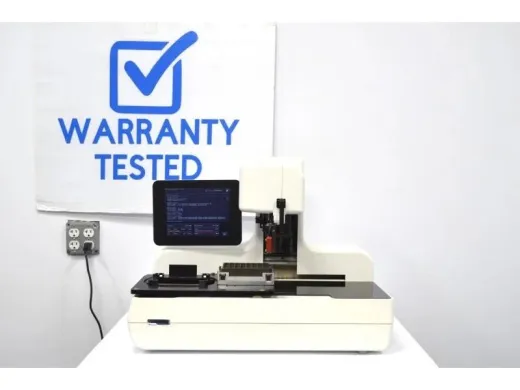
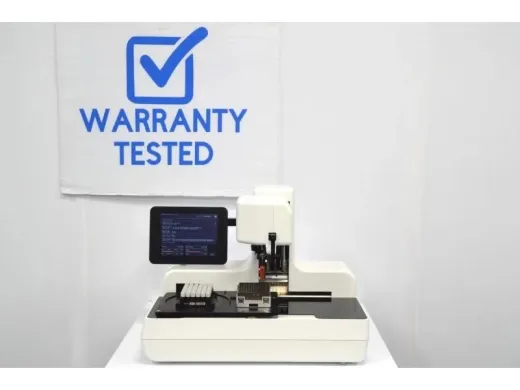
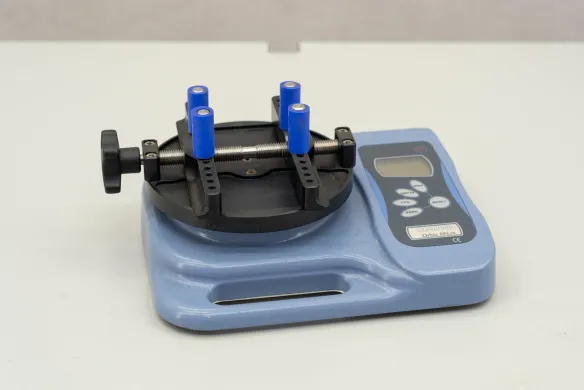
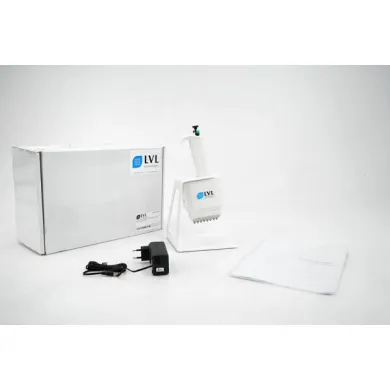
Not the exact instrument you need?
Tell our scientists what you are after. We track it down, including off-market supply.
Showing 1–40 of 140 listings
Show 40 more listingsBuying guide
What settles a capping purchase first is almost never the cap itself but the container and the rate it arrives at. A continuous band sealer running a packaging line has to match belt speed to the throughput upstream of it; an automated tube decapper feeding a liquid handler has to match the tube rack format the rest of the workflow uses, 24, 48 or 96 positions, or it cannot be integrated at all. Settle the format and the rate before anything else, because a unit that seals beautifully at the wrong throughput or the wrong rack pitch is the wrong unit.
From there the mechanism follows. A heat-based tube sealer and a torque-controlled screw capper do different jobs on different vessels: the first fuses film or foil, the second applies a measured closing force a technician can set and log. Where traceability matters, that torque setting is itself a specification to check, since a capper that cannot report or repeat its torque leaves a gap a validated process will not accept. Match the sealing mechanism to the closure the container actually takes.
On a used unit the wear sits in the moving contact. Sealing jaws, crimp heads, decapper grippers and drive belts are the parts that age, so verify their condition and ask what has been replaced before relying on the listed price. For anything that runs under software, a laboratory automation decapper or an integrated sealer, confirm the control version and that it will talk to the deck it is meant to serve; an orphaned controller is expensive to work around. Parts can be sourced via Questpair when a consumable or a worn head needs replacing.
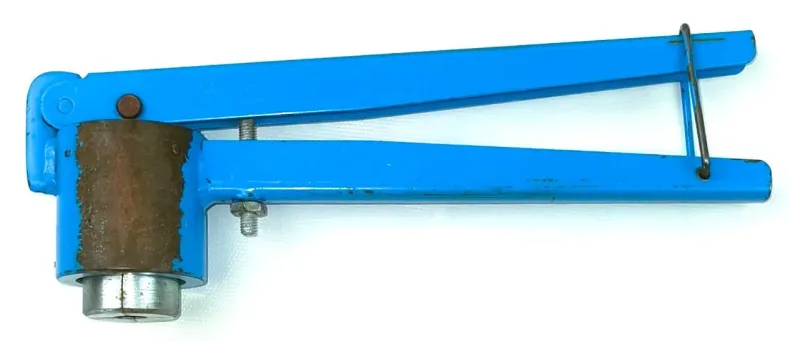
What a unit costs here spans the full breadth of the category. A bench hand tool sits near the bottom of the range while a fully automated line sealer sits near the top, which is why the spread between EUR 15 and EUR 40.817 is so wide. For a buyer weighing budget against capability, the used and refurbished machines are listed below new prices, and refurbished units for sale often carry recent part replacements that close the gap in condition. Warranty is arranged in consultation for the specific listing, so the affordable end of the market is worth comparing listing by listing rather than on headline price alone.
Types of Capping equipment
Which capping machine types are listed?
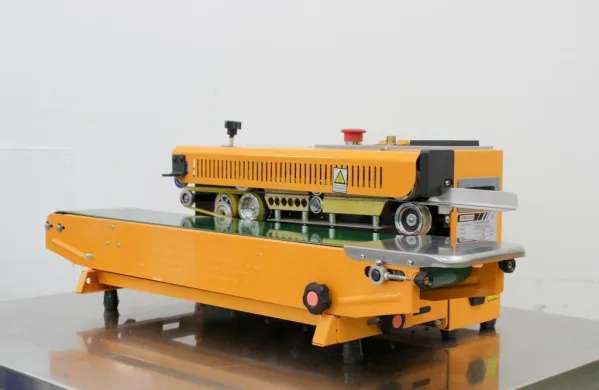
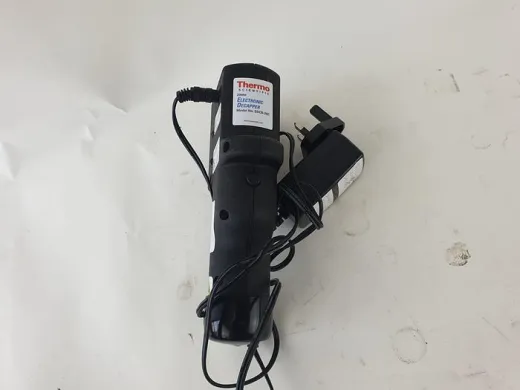
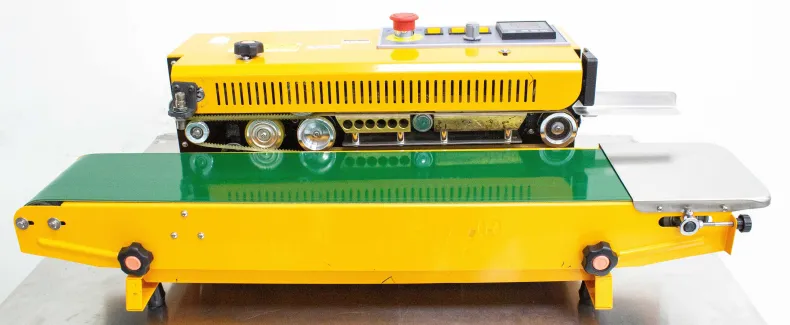
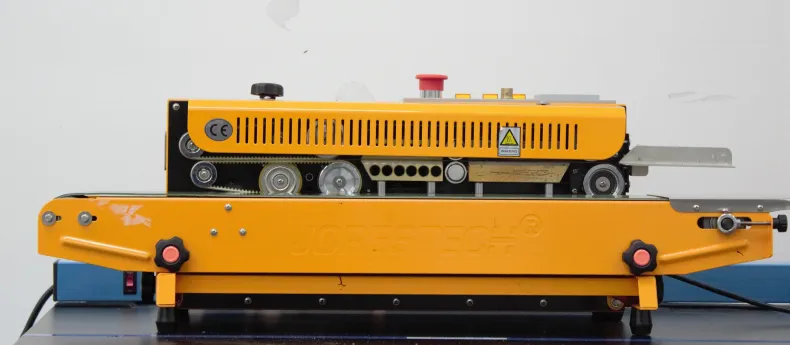
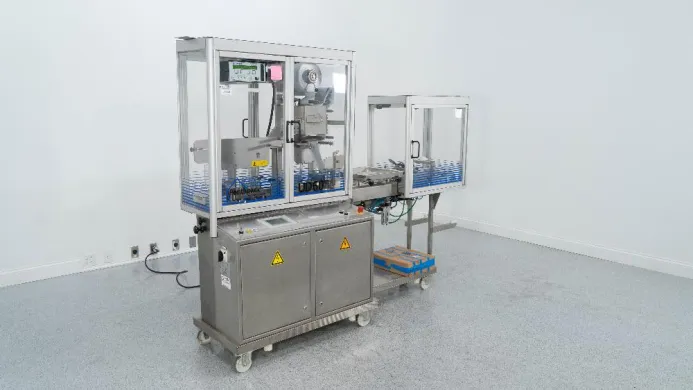
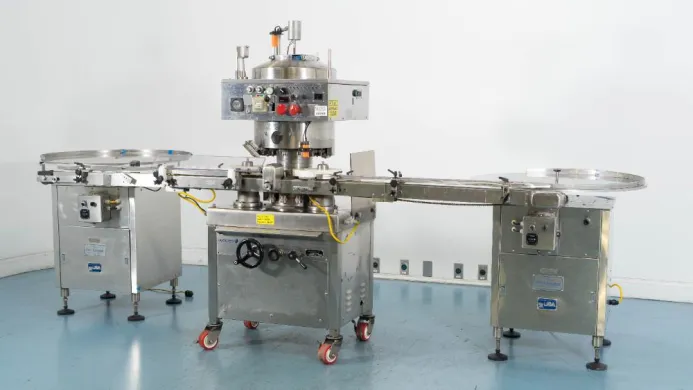
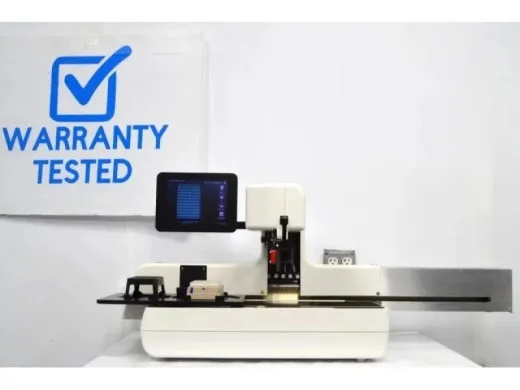
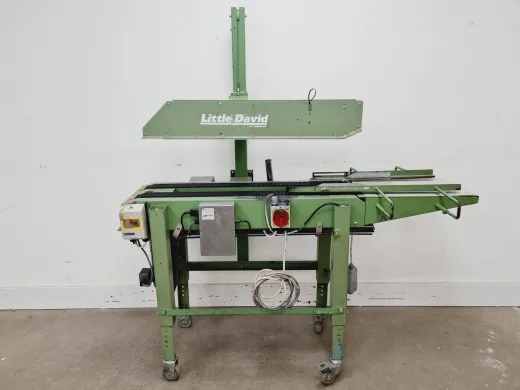
Among the listings that specify a type, the common forms are continuous band sealer, bioprocessing equipment, packaging equipment, laboratory automation equipment, automated tube decapper and tube sealer. A continuous band sealer runs film-sealed pouches and bags past a heated belt at a fixed rate, the workhorse of a packaging line. A tube sealer fuses the neck or film of a sample tube, while an automated tube decapper does the reverse under software control, lifting caps from a rack so an instrument can draw from the vessels. The decapper and the automation units are the ones built to sit inside a larger deck rather than stand alone.
Capping and decapping do real work in life sciences, not only in packaging. An automated tube decapper is a sample preparation step in genomics and molecular diagnostics, opening racks of primary tubes ahead of nucleic acid extraction so a liquid handler never touches a closed vessel. Tube sealers close microtube and well-plate formats used in biobanking and cell culture, where an airtight seal protects a sample through freezing and storage. Within bioprocessing, capping equipment seals the fill vessels and sample containers that carry material through a biomanufacturing run, and the same sealed-tube handling supports the high-throughput sample flow behind proteomics and microbiology screening.
The brands behind the capping listings
The names that recur in this category are Sarstedt, Hamilton, JORESTECH, Micronic, Terumo. For a buyer that mix matters more than reputation: an established maker of tube automation means a decapper is likely to fit a documented rack format and that grippers or seals can be sourced rather than fabricated, and a widely sold sealer is easier to compare model against model across the catalogue. A broad brand spread also means price levels sit at several points rather than one, so a format can usually be matched at more than one budget.
What a used capping unit costs here
The condition split is heavily toward used: 98 percent of the listings are used. Prices range from EUR 15 to EUR 40.817, the spread covering the distance between a handheld bench tool and a fully automated line machine. Used and refurbished units are listed below new prices, and across the catalogue the average settles near EUR 3.069, which places most of the market well below the top of the range.
Frequently asked questions
What is capping equipment?
It is the class of laboratory and packaging machinery that closes, seals or reopens containers, covering screw caps and crimp seals on vials, heat seals on sample tubes and the decapping of tubes before analysis. The range runs from a hand tool a technician holds to a bench sealer on a filling line.
What does capping equipment mean in a laboratory context?
In life sciences it covers the devices that seal or open sample containers as part of a workflow, not just packaging closures. An automated tube decapper opens racks of primary tubes before extraction, and a tube sealer closes microtube and well-plate formats for biobanking and cell culture.
How does capping equipment work?
The method depends on the closure: a heat-based tube sealer fuses film or foil at the neck, a torque-controlled screw capper applies a measured closing force, and a continuous band sealer runs pouches past a heated belt at a fixed rate. A decapper does the reverse, lifting caps from a rack under software control.
What types of capping equipment are there?
The forms listed here include continuous band sealer, bioprocessing equipment, packaging equipment, laboratory automation equipment, automated tube decapper and tube sealer. Decappers and automation units are built to sit inside a larger deck, while a band sealer stands alone on a packaging line.
What is capping equipment used for?
It closes or reopens containers across packaging lines and life science workflows. Tube sealers protect samples through freezing and storage in biobanking, decappers open tubes ahead of nucleic acid extraction in genomics and diagnostics, and bioprocessing units seal fill vessels through a biomanufacturing run.
How do I choose capping equipment?
Settle the container format and the throughput first, because a band sealer has to match belt speed to the line and a decapper has to match the rack format, 24, 48 or 96 positions, the rest of the workflow uses. Then match the sealing mechanism to the closure the container actually takes.
What is the difference between refurbished and used capping equipment?
A used unit is sold in its existing condition, while a refurbished unit often carries recent part replacements that close the gap in condition. On either, check the moving contact parts such as sealing jaws, crimp heads, decapper grippers and drive belts, and ask what has already been replaced.
How much does capping equipment cost?
Prices in the catalogue range from EUR 15 to EUR 40.817, with the average around EUR 3.069. The wide spread reflects the distance between a handheld bench tool at the bottom and a fully automated line machine at the top.
Which brands make capping equipment?
The names that recur in this category are Sarstedt, Hamilton, JORESTECH, Micronic and Terumo. An established maker of tube automation usually means a decapper fits a documented rack format and that grippers or seals can be sourced rather than fabricated.
Is there a warranty on refurbished capping equipment?
A warranty is often possible and is arranged in consultation for the specific listing. Check the individual listing and raise it with the seller before purchase, since terms are set per unit rather than centrally.
Can I get parts for capping equipment?
Parts can be sourced via Questpair when a consumable or a worn head needs replacing. The parts that age on these machines are the moving contact components: sealing jaws, crimp heads, decapper grippers and drive belts.
How long does capping equipment last?
Lifespan depends on the moving contact parts, which wear before the frame does. A machine stays in service as long as its jaws, crimp heads, grippers, belts and, for software-driven units, its controller can be kept current and replaced when worn.
Should I buy new or refurbished capping equipment?
Used and refurbished units are listed at lower prices than new, and refurbished machines often carry recent part replacements. Compare the specific listings, confirm the condition of the wear parts, and settle warranty in consultation for the unit you are considering.
Where can I buy capping equipment?
The Questpair catalogue holds 272 capping listings from 12 verified suppliers and distributors across 6 countries. New, used and refurbished units are all listed, so a given format can usually be matched at more than one budget.
What are lead time and shipping like for capping equipment?
Lead time and shipping depend on the individual listing, its location and the supplier among the 6 countries represented. Contact Questpair through the listing for specifics, and specialists respond within an hour.
How is capping equipment calibrated and maintained?
On a torque-controlled capper the torque setting is a specification to check, since a unit that cannot report or repeat its torque leaves a gap a validated process will not accept. Maintenance focuses on the wear parts, and for software-driven units confirm the control version talks to the deck it serves.
Which capping types are listed most and who reaches for each?
Continuous band sealers go to packaging lines matching belt speed to upstream throughput, while tube sealers and automated tube decappers go to genomics, diagnostics and biobanking labs working with rack formats. Bioprocessing and laboratory automation units are chosen to integrate inside a larger deck rather than stand alone.
Which brands dominate this category and what does that mean for a buyer?
Sarstedt, Hamilton, JORESTECH, Micronic and Terumo recur across the listings, a spread that covers both tube automation and packaging sealers. A broad brand mix means price levels sit at several points, so a format can often be matched at more than one budget and sealers compared model against model.
What separates the cheapest capping equipment from the most expensive here?
The bottom of the range is a handheld or bench tool a technician operates by hand, while the top is a fully automated line machine running under software and integrated into a deck. That difference in automation and throughput is why the spread between EUR 15 and EUR 40.817 is so wide.