

Optical detectors
We personally find you the right used, refurbished and new optical detectors instruments & equipment from verified suppliers.
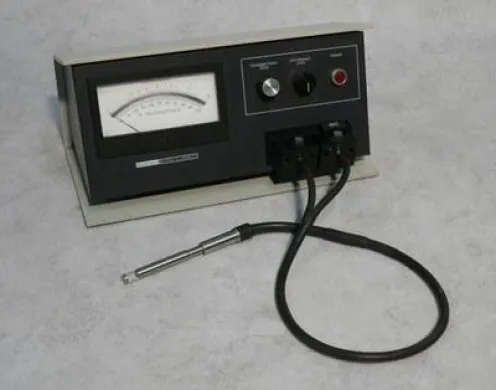
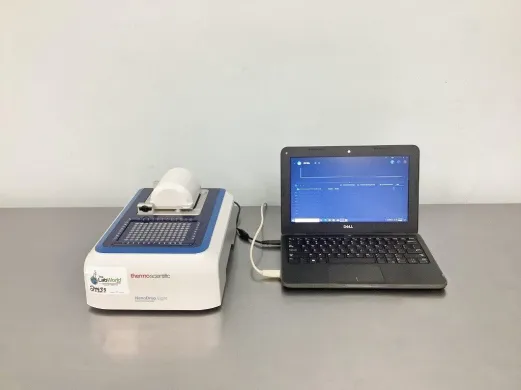
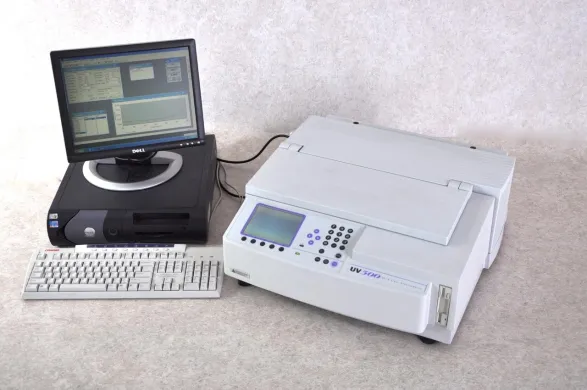
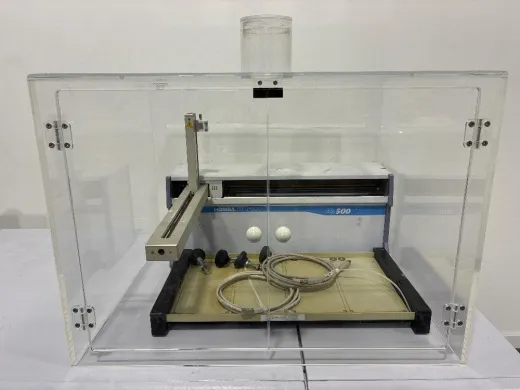
Optical detectors are instruments that measure light, either the amount a sample absorbs across a wavelength range or the signal it emits, and convert that reading into a quantitative result. On Questpair, 1428 optical detector listings are available from 21 verified suppliers and distributors across 11 countries. Of those, 97 percent are used and the remainder new, so the catalogue leans heavily toward second-hand units. New, used and refurbished laboratory detectors appear side by side, with prices from EUR 17 to EUR 215.222. The category covers UV-Vis spectrophotometers, benchtop and analytical models, and HPLC detectors, the devices that underpin routine absorbance measurement in most laboratories.
Updated:
Optical detectors product list
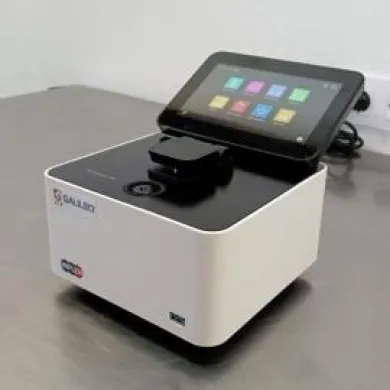
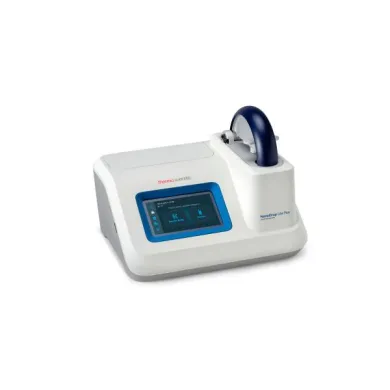
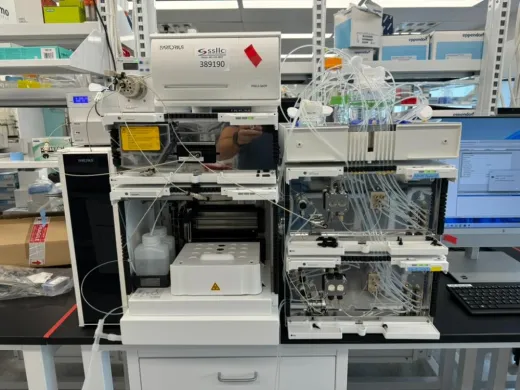


Not the exact instrument you need?
Tell our scientists what you are after. We track it down, including off-market supply.
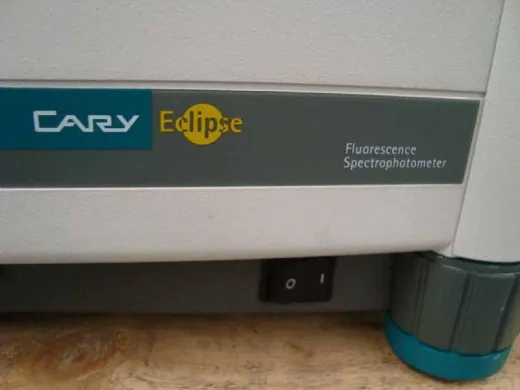
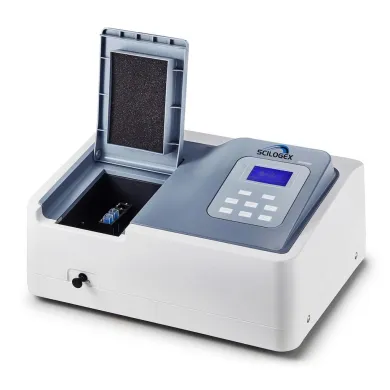
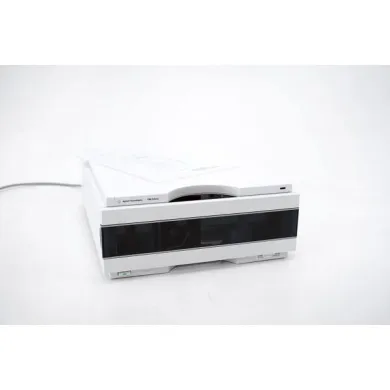
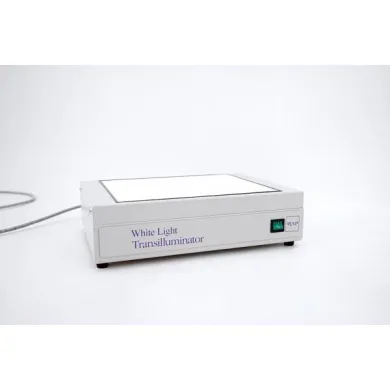
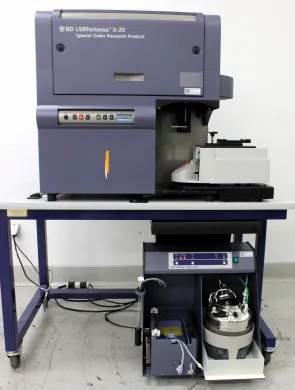
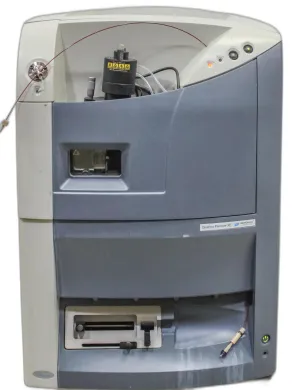
Not the exact instrument you need?
Tell our scientists what you are after. We track it down, including off-market supply.
Showing 1–40 of 772 listings
Show 40 more listingsBuying guide
The spectral range and the optical configuration decide most of these purchases before any other specification matters. A UV-Vis detector that reads from 190 to 1100 nanometres covers nucleic acid and protein work, enzyme kinetics and standard colorimetric assays, whereas a visible-only instrument stops short of the ultraviolet lines that quantify DNA and aromatic residues. Bandwidth, stray-light rating and whether the optics are single or double beam determine how well the reading holds at high absorbance, and a buyer running near the top of the absorbance scale will find a double-beam design worth the extra outlay. For an HPLC detector the question shifts: flow-cell volume, pressure tolerance and whether the unit is a fixed-wavelength, variable-wavelength or diode-array type govern whether it will keep pace with the separation it serves.
On a used instrument, the lamp is the part that settles the decision. A deuterium lamp has a rated life measured in thousands of hours and dims as it ages, so a unit near the end of its lamp life needs that cost factored in. Ask whether the source has been replaced, whether the monochromator holds calibration against a known standard, and whether the flow cell on an HPLC unit shows the etching that follows years of aggressive mobile phases. These are the checks that a datasheet cannot answer and that separate a working analyser from a project.
Price covers an unusually wide field here. A basic visible-range photometer and a research-grade diode-array spectrophotometer are both optical detectors, which is why the catalogue runs from EUR 17 to EUR 215.222. A buyer working to a tight budget will find that most of what fits sits at the lower end, since used and refurbished units listed for sale cost well below new. The brands behind the bulk of the listings, Thermo Scientific and Agilent among them, hold their value and are straightforward to compare model against model, so a defined budget usually maps to a known specification. What a unit costs is tied directly to its spectral breadth and its optics, not to its badge alone.
Types of Optical detectors
Which spectrophotometer types are listed?
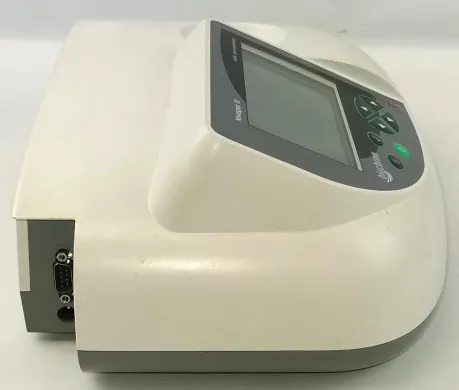
Among the optical detector listings that specify a type, UV-Vis spectrophotometers dominate, with benchtop, analytical and laboratory variants of the same core design filling out the field. A UV-Vis spectrophotometer measures how much light a sample absorbs across the ultraviolet and visible spectrum, and that single capability underpins an enormous range of laboratory work. In molecular biology and genomics it quantifies nucleic acid and protein concentration from a few microlitres; in cell culture and microbiology it tracks optical density to follow growth; in protein purification and immunoassay it reads the coloured product of an enzymatic step. A diode-array version captures the whole spectrum at once, which suits reaction monitoring where the absorbance shifts over time. HPLC detectors form the other main group, the optical module that sits at the end of a chromatographic separation and reports each eluting compound as a peak. These are the instruments behind quantitative proteomics and metabolomics, where a liquid chromatograph resolves a mixture and the detector measures what comes off the column.
The brands behind the optical detector listings
The listings cluster around Thermo Scientific, Thermo Fisher Scientific, Agilent, Agilent Technologies, Olympus. For a buyer, that concentration is an advantage rather than a limitation. Lamps, flow cells and sample holders for the common Thermo Scientific and Agilent platforms are widely stocked, which keeps a used unit serviceable for years, and parts can be sourced through Questpair when a consumable runs out. A dense field of one manufacturer's models also makes like-for-like comparison straightforward: two listings of the same analyser line differ mainly on condition and lamp hours, so the choice comes down to known variables rather than guesswork.
What a used optical detector costs here
The catalogue is 97 percent used, with 46 new units among the 1428 total. Prices run from EUR 17 to EUR 215.222. That spread covers everything from a simple visible-range photometer to a research-grade diode-array instrument, which is why the range is so wide. Used and refurbished spectrophotometers are listed below new pricing, and where warranty matters it is arranged in consultation for the specific listing.
Frequently asked questions
What is an optical detector?
An optical detector is an instrument that measures light, either how much a sample absorbs across a wavelength range or the signal it emits, and converts that reading into a quantitative result. In laboratories the term usually covers UV-Vis spectrophotometers and the optical detectors fitted to HPLC systems.
What does an optical detector mean in a lab setting?
It refers to any device that reads light to measure a sample, from a benchtop spectrophotometer that reports absorbance to the detector module at the end of a chromatographic separation. The common thread is turning a light measurement into a number you can use for quantification.
How do optical detectors work?
A light source, often a deuterium or tungsten lamp, passes through or illuminates the sample, and the detector measures how much light reaches it after absorption or emission. The optics select a wavelength or capture the whole spectrum at once, and the electronics convert the light intensity into an absorbance or signal value.
What types of optical detectors are there?
The listed types include UV-Vis spectrophotometers, benchtop spectrophotometers, analytical and laboratory spectrophotometers, UV-visible spectrophotometers, and HPLC detectors. HPLC detectors themselves split into fixed-wavelength, variable-wavelength and diode-array designs.
What are optical detectors used for?
They quantify nucleic acid and protein concentration, track optical density in cell culture, read coloured products in enzyme and immunoassays, and monitor reactions where absorbance shifts over time. HPLC detectors report each compound eluting from a chromatographic column as a measurable peak.
How do I choose an optical detector?
Start with spectral range and optical configuration: a UV-Vis instrument reading from roughly 190 to 1100 nanometres covers nucleic acid and protein work, while a visible-only unit cannot measure the ultraviolet lines that quantify DNA. Then consider bandwidth, stray-light rating and single versus double beam for high-absorbance work, or flow-cell volume and pressure tolerance for an HPLC detector.
What is the difference between refurbished and used optical detectors?
A used unit is sold in its current working condition, while a refurbished unit has been reconditioned before listing. Both are listed below new pricing, and the condition details, including lamp hours, appear on the individual listing.
How much does an optical detector cost?
Listings on Questpair range from EUR 17 to EUR 215.222, with an average around EUR 8.191. The wide spread reflects the gap between a basic visible-range photometer and a research-grade diode-array spectrophotometer.
Which brands make optical detectors?
The listings cluster around Thermo Scientific, Thermo Fisher Scientific, Agilent, Agilent Technologies and Olympus. These names dominate the UV-Vis and HPLC detector listings on the catalogue.
Is a warranty available on a refurbished optical detector?
A warranty is often possible and is arranged in consultation for the specific listing. Because terms are not set centrally, check the individual listing for what applies.
Can I get parts for an optical detector?
Parts such as lamps, flow cells and sample holders can be sourced via Questpair. The common Thermo Scientific and Agilent platforms have widely stocked consumables, which keeps a used unit serviceable.
How long does an optical detector last?
The instrument itself can run for many years, but the lamp is the consumable that limits service life between replacements. A deuterium lamp has a rated life measured in thousands of hours and dims as it ages, so a unit near the end of its lamp life needs that replacement cost factored in.
New versus refurbished, which should I buy?
Used and refurbished units are listed at lower prices than new, which is the main difference you can count on. Where warranty matters, check the individual listing, since it is arranged in consultation rather than set centrally.
Where can I buy an optical detector?
Optical detectors are listed on Questpair from 21 verified suppliers and distributors across 11 countries. The catalogue carries 1428 listings, with 46 new units among them.
What are the lead time and shipping on an optical detector?
Lead time and shipping depend on the individual seller and the unit's location, so these are stated per listing rather than set across the catalogue. For a specific timeline, contact Questpair and specialists respond within one hour.
What calibration and maintenance does an optical detector need?
The monochromator should hold calibration against a known standard, and the deuterium lamp needs replacement as it dims with age. On an HPLC detector, check the flow cell for the etching that follows years of aggressive mobile phases.
Which optical detector types are listed most, and who uses which?
UV-Vis spectrophotometers dominate the listings, with benchtop, analytical and laboratory variants of the same core design filling out the field, and these serve molecular biology, microbiology and routine colorimetric assays. HPLC detectors form the other main group and are reached for by labs running quantitative proteomics and metabolomics where a separation precedes the measurement.
Which brands dominate this category, and what does that mean for a buyer?
Thermo Scientific, Agilent and the related corporate names account for the bulk of the listings. A dense field of one maker's models makes like-for-like comparison straightforward, since two listings of the same line differ mainly on condition and lamp hours, and consumables for those platforms are widely stocked.
What separates the cheapest optical detectors from the most expensive?
The bottom of the range is typically a basic visible-range photometer that stops short of the ultraviolet, while the top is a research-grade diode-array instrument that captures the whole spectrum at once. Price tracks spectral breadth and optical quality, such as double-beam design and stray-light rating, rather than the badge alone.