

Scanning electron microscopes
We personally find you the right used, refurbished and new scanning electron microscopes instruments & equipment from verified suppliers.
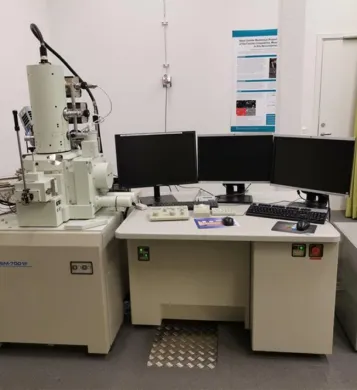
A scanning electron microscope is an instrument that images a sample by scanning its surface with a focused beam of electrons, producing topographic and compositional detail at magnifications far beyond what light microscopy reaches. The electron beam interacts with the specimen to generate secondary and backscattered signals, which detectors convert into a high-resolution image. On Questpair, 142 scanning electron microscope listings are offered by 8 verified suppliers and distributors across 6 countries. New, used and refurbished units all appear in the laboratory catalogue, and 79 percent of the listings are used. Prices span a wide field, from EUR 7 for accessories and components to EUR 116.619 for a complete column, which reflects how much a buyer's choice depends on the configuration rather than the label.
Updated:
Scanning electron microscopes product list
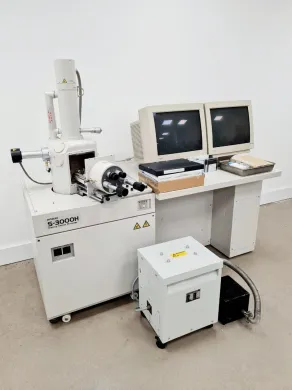
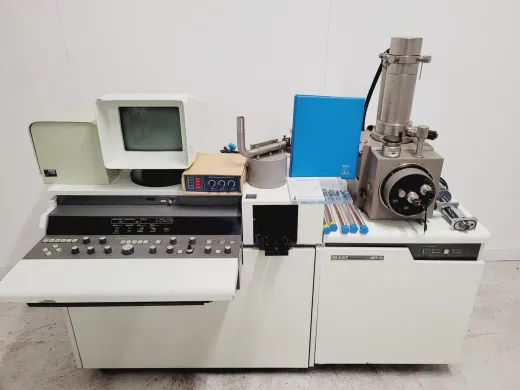
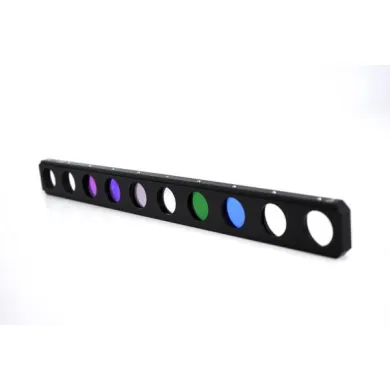
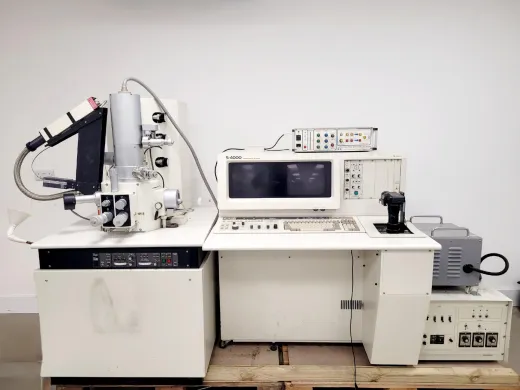
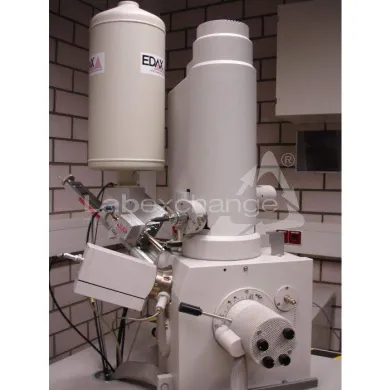


Not the exact instrument you need?
Tell our scientists what you are after. We track it down, including off-market supply.
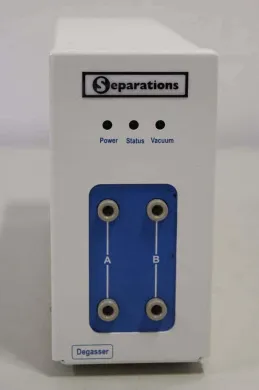

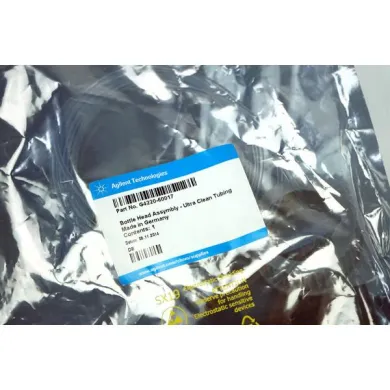
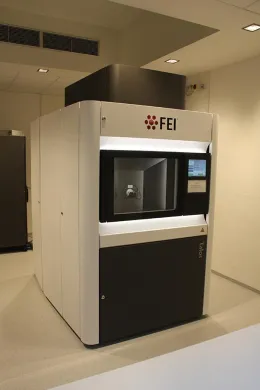
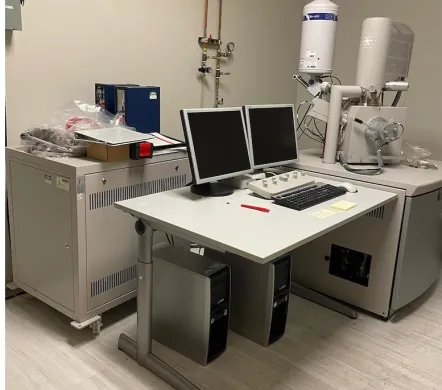
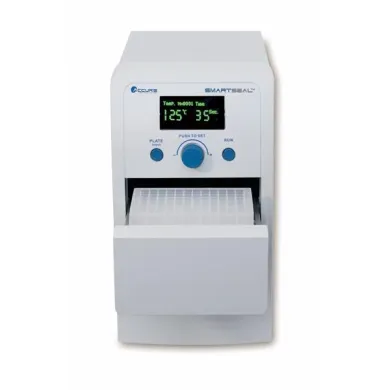
Not the exact instrument you need?
Tell our scientists what you are after. We track it down, including off-market supply.
Showing 1–40 of 80 listings
Show 40 more listingsBuying guide
Resolution and the electron source settle most scanning electron microscope purchases before anything else enters the picture. A tungsten filament column resolves fine structure adequately for routine survey work and quality control, while a field emission gun reaches the single-digit nanometre range needed for nanomaterials, semiconductor review and detailed cell-surface imaging. The source also dictates running cost and uptime: tungsten filaments are cheap and replaceable, field emission tips last longer but demand a cleaner vacuum and a larger initial outlay. A buyer who knows the smallest feature they must resolve has already narrowed the field to a handful of configurations.
From there the chamber and the detector set decide what the instrument can actually do with a sample. Secondary electron detection gives topography; a backscatter detector reads atomic-number contrast; an energy-dispersive X-ray spectrometer adds elemental analysis, and on the second-hand market an EDS add-on raises the price sharply. Chamber size matters as much as optics for anyone imaging whole components rather than mounted stubs, and variable-pressure or environmental modes let a buyer skip the conductive coating step that standard high-vacuum imaging requires on non-conductive specimens.
A used column carries risks that no datasheet lists, so verification on these instruments is heavier than on most laboratory equipment. Ask for recent images taken at stated magnification, confirm the state of the electron gun and the vacuum pumps, and establish whether the detectors still function and whether the control software runs on a supported operating system. Column alignment, stage travel and chamber vacuum integrity are the components that cost the most to restore, and an instrument that has sat idle often needs recommissioning before it images at all.
Price tracks these variables rather than age. What a basic tungsten unit costs sits well below what a field emission system with full analytical capability commands, and the catalogue range reflects that spread: listings run from EUR 7 to EUR 116.619, with an average around EUR 4.312. Among the brands present, Wesemann, Agilent, Ohaus, Hitachi, Waters occupy different parts of that band, from column makers to the analytical houses that supply detectors and accessories. For a laboratory on a defined budget, a refurbished unit listed for sale is more affordable than new, though the deciding question remains which configuration the work demands, not which price point the buyer would prefer. Warranty on any given instrument is arranged in consultation for that specific listing.
Types of Scanning electron microscopes
Which equipment types appear under scanning electron microscopes?
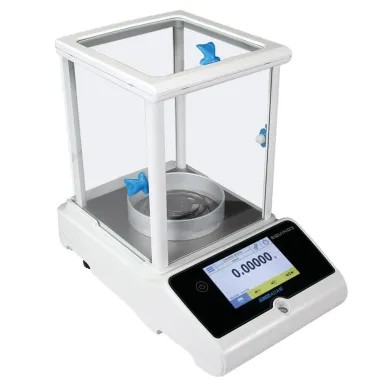
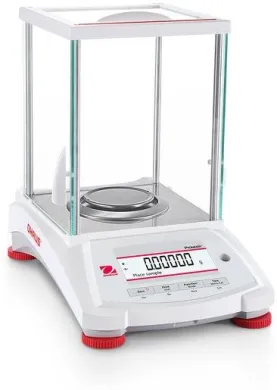
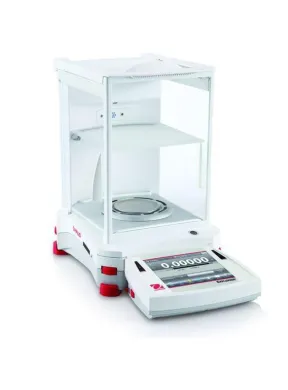
Among the listings that specify a type, the mix is broader than the category name alone suggests. The scanning electron microscope itself is present, alongside analytical balances and semi-micro balances, laboratory scales, and the ancillary items a microscopy suite needs, laboratory furniture and storage cabinets. analytical balance, semi-micro balance, laboratory furniture, laboratory scale, storage cabinet, scanning electron microscope describe the sample, because precise weighing underpins any quantitative electron microscopy workflow: a semi-micro balance resolves to a hundredth of a milligram, a step finer than a standard analytical balance, which matters when sample mass feeds into compositional or density work. Gravimetric analysis sits behind much of this instrumentation, and the furniture and cabinets exist because an electron column needs a vibration-stable bench and secure, dust-free storage for stubs, coaters and spare detectors.
The work these instruments do in biotechnology and life sciences
Scanning electron microscopy serves cell imaging and structural biology directly, mapping cell surfaces, tissue architecture and the morphology of microorganisms at resolutions optical methods cannot reach. In microbiology it resolves bacterial and viral structure, and in molecular biology and genomics it supports the characterisation of nanoparticle carriers used in delivery and assay work. The scanning electron microscope for life sciences research is a recognised tool for examining biomaterials, scaffolds in tissue engineering, and the surface of cells fixed for high-resolution study. Balances in this group are also used for protein purification and reagent preparation, where gravimetric accuracy governs every downstream result in proteomics and immunoassay development.
The brands behind the scanning electron microscope listings
The sellers here, Wesemann, Agilent, Ohaus, Hitachi, Waters, span column manufacturers and the analytical houses that supply detectors, balances and consumables. Hitachi appears as a maker of electron columns, while Agilent and Waters bring the analytical instrumentation that often shares a laboratory with microscopy. Ohaus and Wesemann cover weighing and laboratory fittings respectively. For a buyer, a well-represented brand means parts are easier to source via Questpair and models are simpler to compare across listings; it also tends to mean a deeper used market, which widens the choice at any given price point.
What a used scanning electron microscope costs here
The catalogue holds 112 used and 30 new listings, so 79 percent of the listings are used. Prices run from EUR 7 to EUR 116.619. That spread covers everything from a single detector or stub holder at the low end to a complete field emission column with analytical capability at the top, which is why the average of EUR 4.312 says less about a typical instrument than the configuration does. Used and refurbished units are listed below new prices, and where a buyer weighs the two, warranty is arranged in consultation for the specific listing.
Frequently asked questions
What is a scanning electron microscope?
It is an instrument that images a sample by scanning its surface with a focused beam of electrons, producing topographic and compositional detail at magnifications beyond the reach of light microscopy. Detectors convert the signals generated by the beam into a high-resolution image.
What does SEM mean?
SEM stands for scanning electron microscope. The name describes how it works: a focused electron beam is scanned across the specimen surface point by point to build up the image.
How do scanning electron microscopes work?
A focused electron beam is scanned across the sample, and the interaction between beam and specimen produces secondary and backscattered electrons. Detectors pick up these signals and convert them into an image, with secondary electrons giving surface topography and backscattered electrons giving atomic-number contrast.
What types of scanning electron microscopes are there?
The main division is by electron source: tungsten filament columns for routine survey work and quality control, and field emission guns for single-digit nanometre resolution on nanomaterials, semiconductors and detailed cell surfaces. Beyond the source, units differ by chamber size, detector set and whether they offer variable-pressure or environmental imaging modes.
What is a scanning electron microscope used for?
It images cell surfaces, tissue architecture, microorganism morphology and biomaterials in life sciences, and surface structure in materials and semiconductor work. With an energy-dispersive X-ray spectrometer added, it also performs elemental analysis of the specimen.
How do I choose a scanning electron microscope?
Start with the smallest feature you need to resolve, which fixes the choice between a tungsten filament and a field emission source, then decide on detectors: secondary electron for topography, backscatter for compositional contrast, EDS for elemental analysis. Chamber size matters if you image whole components rather than mounted stubs, and variable-pressure or environmental modes let you image non-conductive samples without coating them.
What is the difference between refurbished and used units?
A used unit is sold in its current state, while a refurbished one has been reconditioned before sale. On a column, the parts that cost most to restore are gun alignment, vacuum pumps and stage travel, so it is worth confirming exactly what work was done on any refurbished listing.
How much does a scanning electron microscope cost?
Listings range from EUR 7 to EUR 116.619, with an average around EUR 4.312. The low end covers a single detector or stub holder and the high end a complete field emission column with analytical capability, so configuration drives price far more than the average suggests.
Which brands are available in this category?
The sellers here include Wesemann, Agilent, Ohaus, Hitachi and Waters. Hitachi appears as a maker of electron columns, Agilent and Waters bring analytical instrumentation, Ohaus covers weighing and Wesemann laboratory fittings.
Is there a warranty on a refurbished scanning electron microscope?
A warranty is often possible and is arranged in consultation for the specific listing. Because terms vary by unit, check the individual listing rather than assuming a blanket policy.
Can I get parts for a scanning electron microscope?
Parts can be sourced via Questpair. A brand that is well represented in the catalogue tends to have a deeper used market, which makes detectors, filaments and consumables easier to find.
How long does a scanning electron microscope last?
Lifespan depends heavily on the electron source and how the vacuum is maintained: tungsten filaments are cheap and replaceable, while field emission tips last longer but need a cleaner vacuum. A well-maintained column can run for many years, though an instrument that has sat idle often needs recommissioning before it images at all.
New versus refurbished, which should I buy?
Used and refurbished units are listed at lower prices than new ones, so budget is the clearest difference. The deciding factor remains which configuration the work demands, and warranty on either is arranged in consultation for the specific listing.
Where can I buy a scanning electron microscope?
On Questpair, 142 scanning electron microscope listings are offered by 8 verified suppliers and distributors across 6 countries. New, used and refurbished units all appear in the catalogue.
What is the lead time and shipping on a used column?
Lead time and shipping depend on the individual seller and the instrument's size, since a complete column is a large, vibration-sensitive item. The specifics are set per listing, and specialists respond within an hour if you need to confirm them before buying.
What calibration and maintenance does a scanning electron microscope need?
Routine attention centres on vacuum integrity, electron source condition and detector function, plus column alignment and stage checks. An instrument that has been idle usually needs recommissioning, and a vibration-stable bench matters for consistent imaging.
Which types in this category are listed most, and who reaches for which?
Alongside the scanning electron microscope itself, the catalogue lists analytical balances, semi-micro balances, laboratory scales, laboratory furniture and storage cabinets. A semi-micro balance resolves to a hundredth of a milligram for quantitative work where sample mass feeds compositional or density analysis, while the furniture and cabinets exist because a column needs a stable bench and dust-free storage for stubs, coaters and spare detectors.
Which brands dominate this category and what does that mean for a buyer?
Wesemann, Agilent, Ohaus, Hitachi and Waters are the names present, spanning column makers and the analytical houses that supply detectors and balances. A well-represented brand means models are simpler to compare across listings and parts are easier to source via Questpair, which also widens the used choice at a given price point.
What separates the cheapest listings from the most expensive here?
The bottom of the band is a single component such as a detector or stub holder, while the top is a complete field emission column with analytical capability. Between them sit the source type, the detector set and whether an EDS add-on is fitted, which on the second-hand market raises the price sharply.